


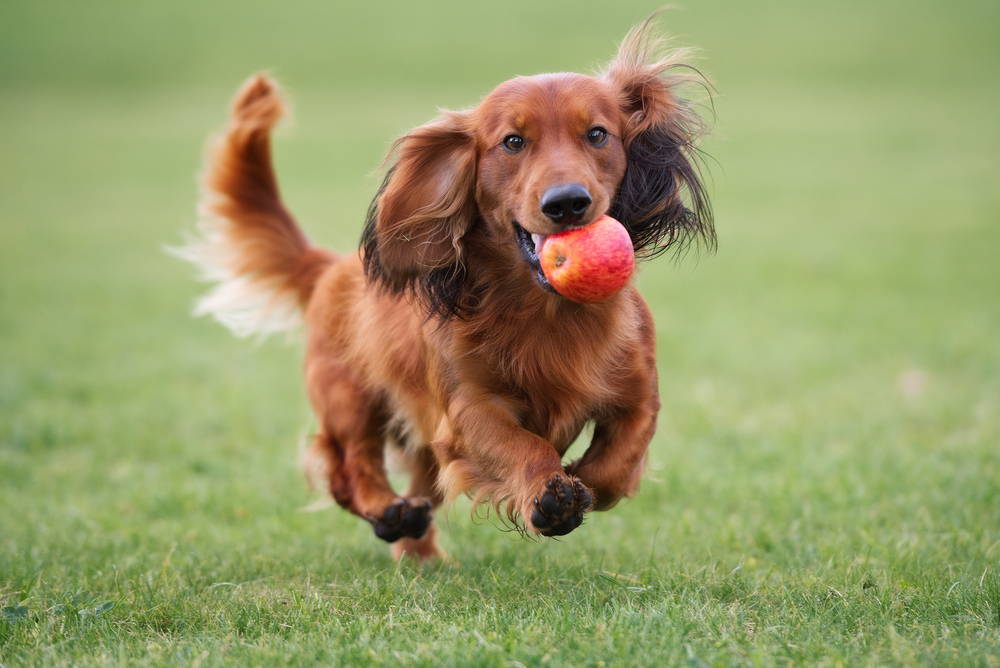
If you are searching for home remedies for dog scooting, the solution is often found in the food bowl. Adjusting your dog’s diet—including primary meals and targeted supplements—is one of the most effective ways to manage your dog’s anal gland health at home. While most dogs naturally express their anal glands during bowel movements, many pet parents encounter frustrating issues that require professional-grade intervention.
Using food to help glands naturally express is a proactive step toward long-term wellness. A well balanced diet is essential to supporting anal gland health and overall well-being. This guide highlights the best food to help dogs express glands, featuring ingredients found in veterinarian-formulated supplements and healthy snacks.
Introduction to anal gland issues in dogs
Anal gland issues are a frequent concern for conscientious pet parents. The anal glands are small sacs located on either side of a dog's anus (anal area) that secrete a fluid used for marking territory. These glands, located near a dog’s anus, can become filled with fluid and cause significant discomfort for your family member.
Why do dogs' anal glands fill up? Clinical experience shows this happens due to diet, a sedentary lifestyle, obesity, or genetics. Diet directly cause anal gland issues; specifically, food allergies, low fiber, and poor digestive health contribute to blocked anal glands.
Recognize the signs that your dog has issues with their anal glands:
-
Scooting: Dragging the rear across the floor.
-
Excessive licking: Focused attention on the rear end or tail base.
-
Physical Changes: Swelling, redness, or heat near the anal opening.
-
Odor: A strong, fishy odor from the anal area.
-
Difficulty pooping: Straining during bowel movements.
Chronic diarrhea leads to anal gland impaction, while constipation is often a warning sign that the glands are already plugged. While most dogs express their anal glands naturally during bowel movements because firm stool puts pressure on the glands, overweight dogs have a higher risk of blocked anal glands. Fat deposits can block the glands and prevent them from emptying. If left untreated, impacted glands lead to infections, abscesses, or ruptures. While manual expression is necessary for impacted glands, regular veterinary check-ups help manage your dog's quality of life.
- How do I know if my dog's anal glands are full?
- Can I express my dog's anal glands at home?
- What does anal gland fluid look like?
The importance of diet in managing anal gland health
The best dog food for anal gland issues must include ingredients that support healthy anal gland function. Dietary adjustments, such as providing a well balanced diet and ensuring regular exercise, maintain a healthy weight and prevent anal gland problems in dogs.
Stool consistency is the critical factor in anal gland health. Firm, bulky stools naturally express the anal glands, while soft stools or diarrhea cause anal gland issues by failing to provide enough pressure for natural gland expression. A high-fiber diet—including green beans, plain canned pumpkin, sweet potatoes, and carrots—bulks up stools to support natural gland expression.
There are two primary types of fiber in dog food:
-
Soluble fiber: Absorbs water to soften stool.
-
Insoluble fiber: Adds the necessary bulk to improve overall stool consistency.
When choosing a high-fiber dog food, look for ingredients like green beans, beet pulp, and psyllium husk. Most adult dogs benefit from a fiber intake of 2.5% to 5%, but dogs with anal gland issues require a higher fiber content of 5% or more. Low-fiber diets and food allergies lead to soft stools that increase the risk of impaction. To prevent small bowel movements and bulk up the stool, adding fiber to your dog's diet is the most effective starting point. Additionally, a diet rich in omega-3 fatty acids supports a healthy inflammatory response. We recommend following the dosage instructions for a professional dog fiber supplement.
Top foods to help dogs express anal glands naturally
If you are utilizing home remedies for dog scooting, evaluate your dog's diet for missing nutrients. Foods containing dietary fiber, enzymes, and probiotics produce noticeable results for anal gland health. High-fiber foods promote natural gland expression by making your dog's poo bulkier.
The following foods help dogs express glands naturally:
-
Pumpkin: Contains fiber that promotes regular bowel movements and aids in natural expression of the anal glands.
-
Sweet potato: Rich in prebiotics and fiber for digestive health benefits.
-
Apple: Contains pectin, a soluble fiber that supports healthy digestion.
-
Wheat germ: A concentrated source of fiber and vitamin E.
-
Flaxseed: A powerhouse of omega-3 fatty acids and fiber that promotes gastrointestinal health.
-
Rice bran: A gentle fiber source that regulates bowel movements and assists in expressing the anal glands naturally.
-
Carrots: Crunchy snacks rich in fiber that promote healthy digestion.
Identifying dogs who benefit most from high-fiber foods
Certain dogs are prone to anal gland issues and benefit significantly from a diet rich in fiber. Certain breeds and overweight dogs are at a higher risk. While dietary adjustments are powerful, some cases require manual expression or veterinary care.
Groups that benefit most include:
-
Dogs with anal gland issues: Specifically those with recurrent problems.
-
Dogs with colitis: Inflammation of the colon is managed with high-fiber intake.
-
Dogs with chronic diarrhea: Fiber regulates bowel movements for these dogs.
-
Dogs with allergies: Digestive-focused diets benefit dogs with food sensitivities.
How fiber supports anal gland health
Fiber maintains anal gland health by promoting regular bowel movements and preventing constipation. It also supports digestive health and reduces inflammation. In severe cases, veterinarians prescribe anti-inflammatory medications to reduce inflammation and improve gland drainage.
How supplements can help
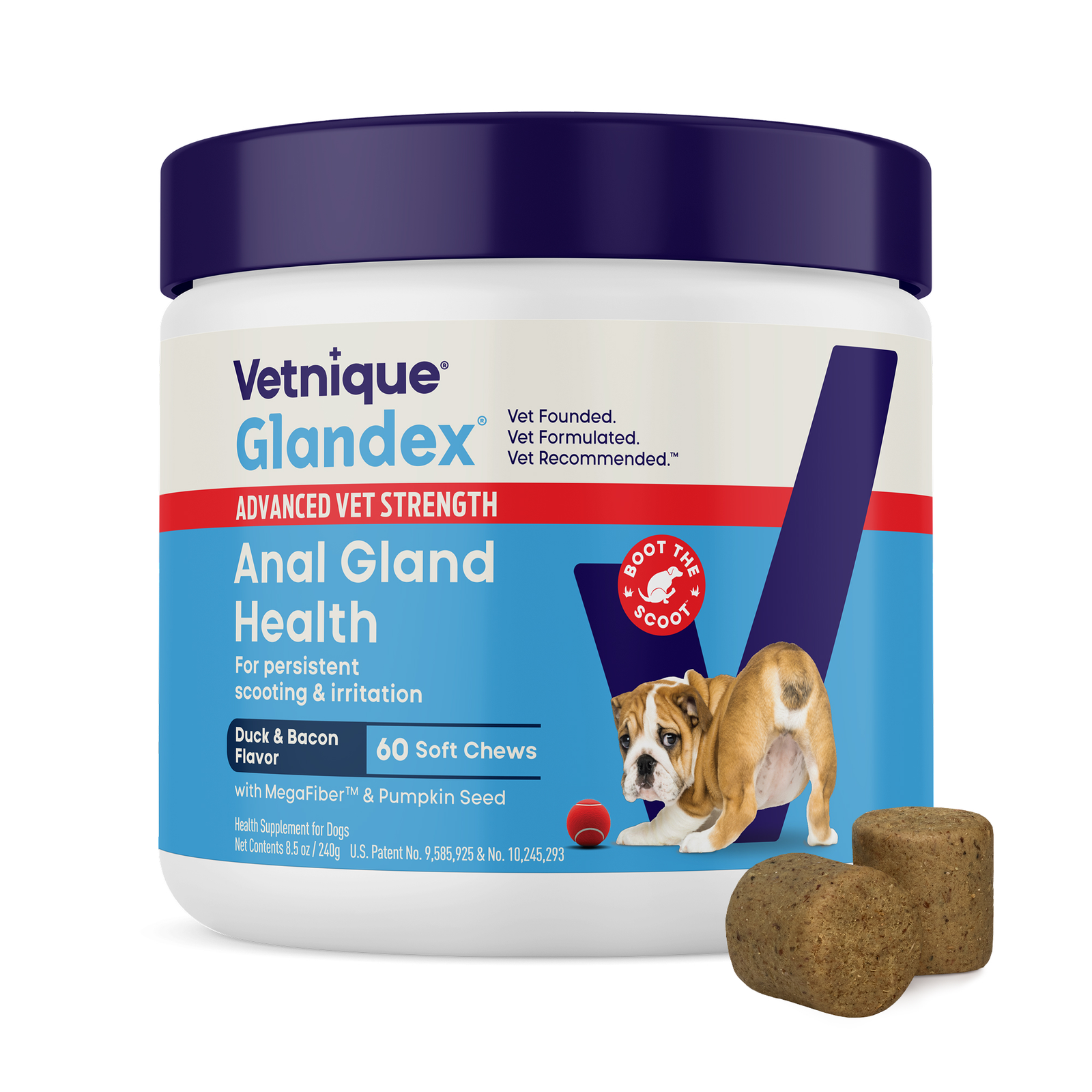
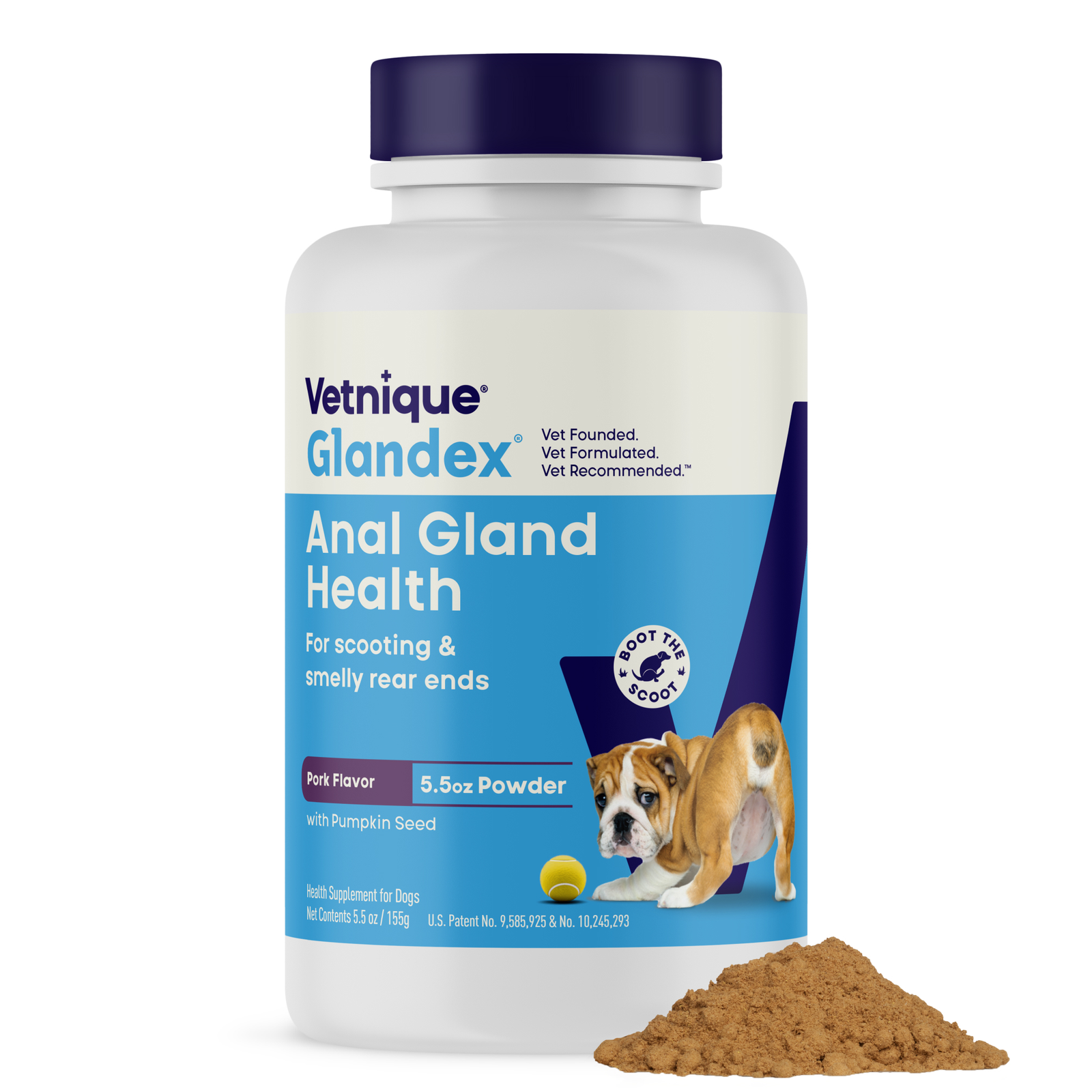
In addition to catering your dog’s diet, utilize supplements specifically formulated to support anal gland health in dogs. Choose a veterinarian-formulated product like Glandex®, which uses our patented MegaFiber™ Blend to add the ideal bulk and consistency to stool. Look for formulas containing pumpkin seed, omega fatty acids, and probiotics to promote healthy anal gland function every day.
If you notice redness or swelling around the rear end, have your pet seen immediately by their veterinarian. This indicates an infection or abscess requiring more than diet or supplements alone. A diet for anal glands rich in fiber goes a long way in helping your dog express glands naturally and maintaining overall digestive wellness.