

Temperament: Confident, independent, and often described as cat-like; they are loyal to their families but can be aloof with strangers.
Family Compatibility: Best suited for school-age children who respect boundaries; they require an experienced pet parent who understands their strong-willed nature.
Life Span: A robust breed with a typical life expectancy of 13–16 years.
Exercise Needs: Moderate; they thrive with daily mental stimulation and secure, fenced-in physical activity.
Training: Highly intelligent but stubborn; they require patient, consistent, and positive reinforcement-based training.
Hypoallergenic: No; they possess a thick double coat and experience heavy seasonal shedding.

About the Shiba Inu Dog Breed
The Shiba Inu stands as one of Japan's oldest and most beloved native dog breeds, instantly recognizable for their foxlike appearance, bold personality, and unwavering loyalty to their family members. This ancient breed has captured hearts worldwide, combining the dignified bearing of their samurai-era companions with an undeniably charming, sometimes mischievous character.
The breed's history reaches back thousands of years, with archaeological evidence linking early Shiba ancestors to Japan's Jomon period around 7000 B.C. The first Shiba Inu arrived in the United States in 1954, brought by a military family returning from Japan. After decades of dedicated breeding and promotion by enthusiasts, the American Kennel Club granted full recognition to the Shiba Inu breed in 1992, placing them in the Non-Sporting Group.
The name itself tells the story of this ancient Japanese breed. "Shiba" is most commonly interpreted as "brushwood," referring to the shrubby terrain where these dogs originally hunted, though some suggest it may also reference the reddish-brown color of autumn brushwood leaves that matches their most common coat color. "Inu" simply means "dog" in Japanese, making the Shiba Inu quite literally a brushwood dog.
Originally bred as versatile hunting dogs, Shibas pursued small game including rabbits, foxes, and birds through Japan's mountainous, brush-covered regions. Their compact, muscular build allowed them to navigate dense undergrowth with agility, while their keen senses and alert disposition made them effective trackers.
As veterinarians, we see many Shiba Inus thriving in modern homes across the United States. Our focus centers on understanding their specific needs, including joint health for these agile, active dogs, skin support for those prone to seasonal allergies, digestive wellness, and the behavioral considerations that come with such an independent breed over their long lifespan.
Shiba Inu Appearance
The Shiba Inu presents as a small-to-medium, compact, and beautifully proportioned dog with an unmistakable foxlike appearance. Their well-muscled frame moves with confident agility, complemented by erect triangular ears, almond-shaped eyes that convey keen intelligence, and the breed's signature tightly curled tail carried proudly over the back.
Size and weight specifications are clearly defined for this dog breed. Males stand 14.5–16.5 inches at the shoulder and weigh approximately 23 pounds. Females stand 13.5–15.5 inches and weigh approximately 17 pounds.
The Shiba Inu's fluffy double coat is one of its defining features. The outer coat is coarse, straight, and stands somewhat off the body, while the dense undercoat provides substantial insulation. This weather-resistant coat served the breed well in Japan's varied mountain climates but means pet parents should prepare for heavy shedding, particularly during the twice-yearly seasonal "blowouts."
Common coat colors include red (the most recognized and popular), red sesame (red with black-tipped hairs creating an overlay), black and tan (black with tan points and markings), and cream (a lighter coat, though not preferred in show standards).
All Shiba Inus should display "urajiro," the required white or cream markings appearing on the cheeks, sides of the muzzle, throat, chest, belly, inner legs, and underside of the curled tail. These cream markings are essential to proper breed type.
The Shiba Inu standing at attention displays hallmark features that signal excellent breed type: balanced proportions throughout, a level topline, a thickly curled or sickle-shaped tail carried confidently over the back, pointy ears that are triangular and well-set, and an expression that communicates natural alert watchfulness.
Shiba Inu Temperament and Personality
The Shiba Inu temperament is perhaps the breed's most distinctive characteristic. These dogs are confident, bold, and decidedly independent and are often described as cat-like in their self-possessed demeanor. Yet beneath that aloof exterior lies a deeply loyal nature, with Shibas forming intense bonds with their primary family while remaining generally aloof with strangers.
Gender and individual variations exist within the breed. Males tend to be more outgoing and playful with people but may display more reactivity toward other dogs, particularly other males. Females can be more reserved and selective with their affection, sometimes described as more calculating in their interactions. However, individual personality varies significantly, and early socialization shapes adult temperament considerably.
Several hallmark traits define the Shiba Inu personality: a strong prey drive inherited from their hunting heritage that triggers intense chase instincts toward smaller animals, high alertness that makes them excellent natural watchdogs, the famous "Shiba scream" — a distinctive vocalization used when stressed, excited, or protesting handling — and a pronounced independence where these dogs often prefer to make their own decisions.
Shiba Inus can present challenges that prospective pet parents must understand. Some Shibas display dog aggression, particularly with same-sex dogs. Resource guarding of food, toys, or sleeping spots occurs frequently. Their strong-willed nature and stubbornness can frustrate pet parents expecting eager-to-please obedience. These traits make early socialization and reward-based obedience training from puppyhood essential for developing a well-adjusted adult.
Despite these challenges, properly managed Shibas become affectionate, entertaining, and remarkably stable family companions. With clear boundaries, consistent routines, and adequate mental stimulation, they thrive in homes that appreciate a more independent breed. Many Shiba parents describe their dogs as loyal, amusing companions who express affection on their own terms — making those moments of connection even more rewarding.
Living With a Shiba Inu
Not every household is suited to life with a Shiba Inu, and honest self-assessment before bringing one home can prevent heartache for both dog and family. Success depends on matching the Shiba's distinctive temperament, energy level, and care requirements to the household's lifestyle and capabilities.
The ideal Shiba parent profile includes a patient, consistent pet parent with time for structured training, someone comfortable with an independent dog that may not constantly seek physical affection, someone who appreciates a somewhat cat-like companion rather than an eager-to-please retriever type, and a family member committed to ongoing mental enrichment and exercise.
In terms of home environments, Shibas can adapt well to apartment living or suburban homes, provided they receive daily walks and structured play. However, secure fencing is absolutely crucial due to their legendary escape artistry and strong prey drive. A bored or understimulated Shiba will find ways to explore, often through gaps, over fences, or through momentarily open doors.
Common behavioral themes veterinarians and trainers observe include dislike of restraint (managed through early handling practice and positive associations with grooming), door bolting (managed with baby gates, training "wait" commands, and double-door airlocks), marking behavior especially in intact males (managed through neutering, consistent outdoor access, and enzymatic cleaners), and separation anxiety (managed through crate training, gradual departure practice, and enrichment toys).
Practical environment tips can help Shibas thrive indoors. Baby gates manage access to certain rooms. Puzzle feeders, snuffle mats, and interactive toys provide mental stimulation that reduces boredom-driven destruction. Safe confinement areas give the dog a secure space while protecting your belongings when supervision is not possible.
Shiba Inu Size, Growth, and Development
Shiba Inu puppies mature relatively quickly, typically reaching full adult height by around 12 months of age. However, muscle development and filling out continues until approximately 15–18 months, when most dogs achieve their full adult size.
Typical growth expectations: at 3 months, 7–9 pounds; at 6 months, 12–16 pounds; adult females, 15–19 pounds; adult males, 20–24 pounds.
Monitoring body condition throughout development helps ensure healthy growth. A properly conditioned Shiba should have ribs that are easily felt but not prominently visible, a defined waist when viewed from above, and an abdominal tuck when viewed from the side. Excess weight during development stresses growing joints and contributes to orthopedic problems later.
Growth plates in muscular dogs like Shibas generally close between 12 and 15 months of age. Until this occurs, high-impact activities such as intense jumping, repeated stair running, or extended jogging on hard surfaces should be limited to protect developing joints.
Regular puppy wellness visits with your veterinarian during the first year allow monitoring of growth curves, joint development, vaccination schedules, and behavior milestones. These appointments establish baseline health data and catch developmental concerns early.
Training, Socialization, and Exercise Needs
Training a Shiba Inu requires understanding that you are working with one of the most intelligent yet famously strong-willed breeds in the dog world. Success comes through thoughtful, consistent training methods rather than forceful approaches, which typically backfire with this independent breed.
Positive reinforcement forms the foundation of effective Shiba training: high-value treats and toys as motivators, short and varied training sessions (5–10 minutes) to maintain engagement, training exercises that "make sense" to the dog, patience when progress feels slow, and celebration of small victories.
Early socialization is critical for Shiba Inu puppies. Puppy classes and controlled exposure to diverse people, other dogs, and varied environments between 8 and 16 weeks of age help prevent fearfulness, reactivity, and resource guarding that can develop in undersocialized dogs. A properly trained Shiba who received adequate socialization as a puppy will become a dramatically more manageable adult compared to one who missed this critical window.
Exercise guidelines for healthy adult Shibas typically include 45–60 minutes of combined daily physical activity. This might involve brisk morning and evening walks, structured play sessions in the yard, safe off-leash time only in securely fenced areas, and puzzle toys and training games for mental stimulation.
A critical safety note: Shibas should never be allowed off leash in open, unfenced spaces. Their prey drive, curiosity, and tendency to ignore recall when something more interesting appears make this extremely risky. Even the best-trained Shiba may bolt after a squirrel, rabbit, or interesting scent. Most dogs in this breed simply cannot be trusted with off-leash freedom outside secure enclosures.
Diet and Nutrition for Shiba Inus
Balanced, AAFCO-compliant nutrition tailored to life stage (puppy, adult, or senior) provides the foundation for a Shiba's long-term joint, skin, and digestive health. High-quality dog food from reputable manufacturers should form the core of your Shiba's diet, with adjustments made based on individual needs and veterinary guidance.
Practical feeding ranges for most dogs in this breed: puppies (3–6 months) follow package guidelines with 3 meals daily; puppies (6–12 months) follow package guidelines with 2 meals daily; adults eat 1–1.5 cups high-quality kibble in 2 meals daily; seniors eat an amount adjusted for reduced activity in 2 meals daily.
These ranges require adjustment based on individual weight, metabolism, activity level, and body condition. Regular weigh-ins at home and during veterinary visits, combined with body condition scoring, help prevent obesity, a common contributor to joint problems and reduced quality of life in this breed.
Shibas prone to allergies or sensitive stomachs may benefit from specialized diets. Limited-ingredient formulas, novel protein sources, or hydrolyzed diets prescribed by a veterinarian can help manage food sensitivities. Work with your veterinarian to identify triggers if your Shiba shows signs of food-related skin irritation or digestive upset.
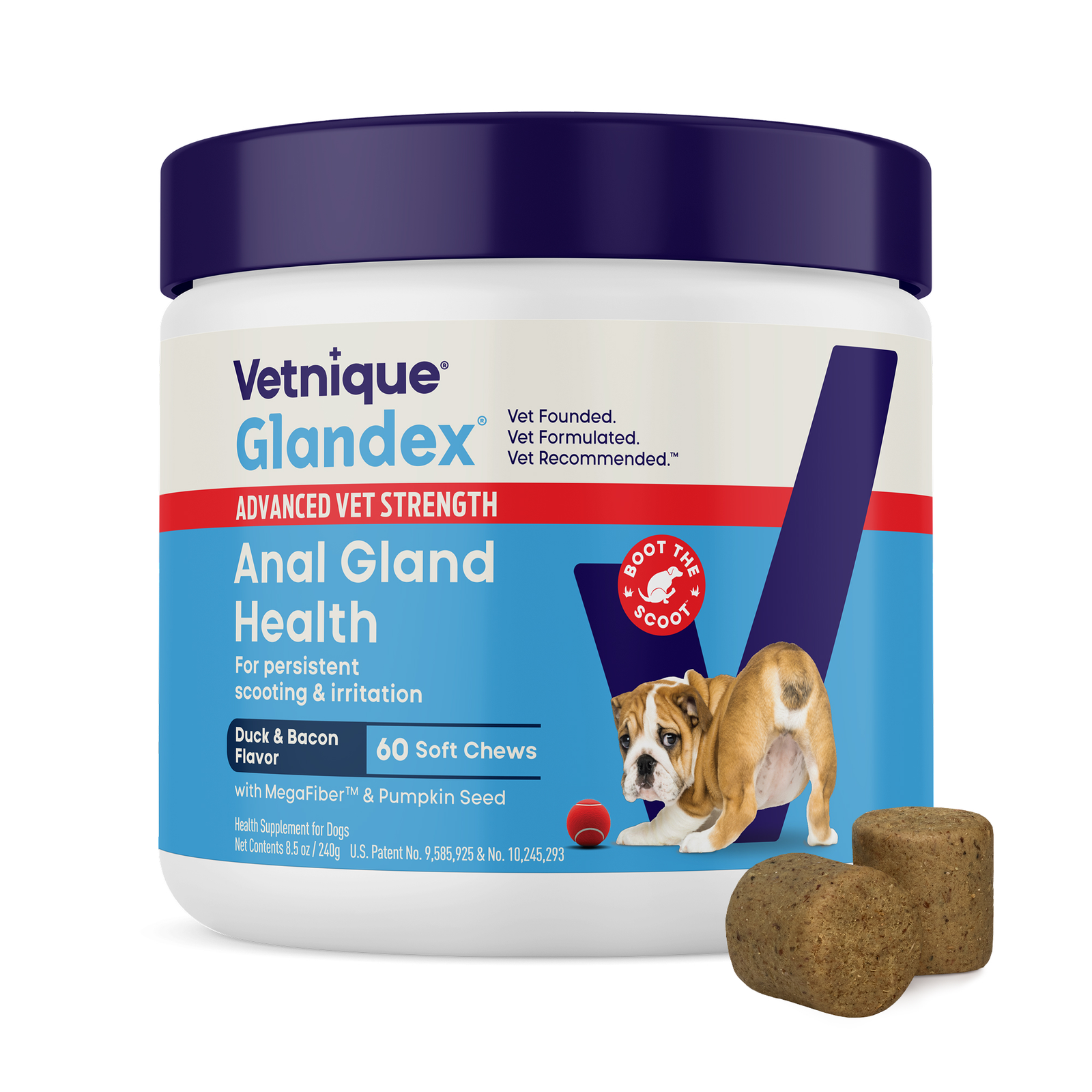
Veterinarian-formulated digestive, joint, and skin support supplements can complement an already balanced diet for targeted wellness support. Glandex Probiotic & Prebiotic Soft Chews provide daily digestive and gut health support for Shibas with sensitive stomachs. These additions work best alongside proper nutrition and should not be seen as replacements for a complete, balanced diet.
Grooming and Shedding
Shibas are generally clean dogs with minimal doggy odor, and many pet parents comment on their almost cat-like grooming habits and fastidious nature. However, that dense, fluffy double coat produces substantial loose hair, particularly during the twice-yearly seasonal blowouts in spring and fall when the undercoat sheds dramatically.
During normal non-shedding periods, weekly brushing with a slicker brush and undercoat rake is sufficient. During heavy shedding periods, daily or every-other-day brushing with an undercoat rake, deshedding tool, and slicker brush is recommended.
Bathing frequency typically falls around every 3–4 months or as needed when the dog becomes dirty. Use gentle, veterinary-recommended shampoos and ensure thorough rinsing and drying to protect the skin barrier. Over-bathing can strip natural oils and can lead to dry skin. For skin and coat nourishment between baths, DermaBliss Omega Skin Supplement delivers essential fatty acids that support coat quality from the inside out.
Additional maintenance requirements include monthly nail trimming (or more frequently if nails grow quickly), regular ear inspection and cleaning as advised by your veterinarian, and daily or several-times-weekly tooth brushing to support long-term dental health. The DentaBliss Daily Dental Finger Mitt provides a convenient option for dogs that resist traditional toothbrushes.
The "Shiba scream" often makes its appearance during grooming sessions, particularly nail trimming or any handling the dog finds objectionable. Starting early with positive exposure to handling (paws, ears, mouth, and body) from puppyhood dramatically reduces stress and resistance during adult grooming. Many Shibas benefit from treat-based desensitization to grooming tools and handling before actual grooming begins.
Shiba Inu Health and Life Expectancy
Shiba Inus are generally robust dogs with an average lifespan of around 13–16 years, making them one of the longer-lived breeds in the canine world. Some individuals can exceed this range with attentive care, quality nutrition, and good genetic fortune, enjoying life well into their late teens.
Regular veterinary checkups form the cornerstone of proactive health management. Puppies should visit every 3–4 weeks until 16 weeks and then at 6 months, with a focus on vaccinations, growth monitoring, and socialization guidance. Adults (1–7 years) should visit annually for physical exams, dental assessment, weight monitoring, and bloodwork as recommended. Seniors (8+ years) benefit from visits every 6 months with comprehensive bloodwork, dental exams, joint assessment, and cognitive function evaluation.
Genetics and responsible breeding play significant roles in reducing risk of inherited diseases. Reputable breeders health-test breeding stock for conditions like hip dysplasia, patellar luxation, and certain eye conditions before producing puppies. When acquiring a Shiba, verifying that parents have been screened through organizations like the Orthopedic Foundation for Animals (OFA) or Canine Eye Registration Foundation (CERF) provides some assurance of genetic health.
Proactive wellness strategies include maintaining lean body weight throughout life, providing daily appropriate exercise, keeping vaccinations and parasite prevention current, scheduling regular dental cleanings as recommended, and considering veterinarian-formulated supplements for joints, skin, and gut health.
Pet insurance or a dedicated savings plan helps pet parents manage unexpected veterinary costs over a Shiba's long lifetime. Given the potential for chronic conditions and the breed's longevity, financial preparation ensures that cost never becomes a barrier to necessary care.
Common Shiba Inu Health Conditions
Skin and Allergy Issues
Atopic dermatitis (environmental allergies), food allergies, and flea allergy dermatitis commonly affect Shibas, causing persistent itching, redness, and recurrent ear or skin infections. Signs include excessive scratching, licking paws, ear head-shaking, and skin irritation.
Management approaches include rigorous flea control year-round, early veterinary evaluation for persistent scratching, allergy testing and immunotherapy for environmental allergens, dietary trials for suspected food sensitivities, and veterinarian-formulated skin support supplements. DermaBliss Advanced Seasonal Allergy Health Chews provide daily allergy and immune support for breeds prone to skin sensitivities. Browse the full DermaBliss allergy and skin care collection for shampoos, wipes, sprays, and supplements.
Orthopedic Conditions
Hip dysplasia occurs in Shibas at lower rates than larger breeds (approximately 5–10% prevalence) but still warrants attention. Luxating patella, where the kneecap slips out of its normal groove, affects up to 20% of some Shiba lines and ranges from incidental findings to cases requiring surgical correction.
Signs of orthopedic issues include intermittent limping or skipping gait, reluctance to jump or climb stairs, difficulty rising after rest, and decreased activity or playfulness.
Weight management, appropriate exercise, and joint support supplements containing omega-3 fatty acids and other clinically studied ingredients help maintain mobility. YuMOVE Advanced Vet Strength Hip & Joint Health Chews provide targeted joint support with Glucosamine HCl, Green Lipped Mussel, and Hyaluronic Acid. For everyday preventive joint care, YuMOVE Tasty Health Bites can be started at any age. Browse the full YuMOVE hip and joint collection for additional options. More severe cases may require pain management protocols or surgical intervention.
Eye Diseases
Hereditary cataracts, progressive retinal atrophy (PRA), and glaucoma occur in the breed. PRA causes gradual vision loss and eventual blindness, while glaucoma involves painful pressure buildup within the eye.
Routine eye examinations by a veterinary ophthalmologist, particularly for breeding animals, help identify problems early. Pet parents should seek prompt veterinary care if they notice redness, squinting, cloudiness, discharge, or apparent vision changes.
Other Concerns
Additional conditions occasionally seen include hypothyroidism (underactive thyroid), certain autoimmune conditions, and dental disease (especially in dogs without regular dental care). Regular bloodwork, thorough physical examinations, and dental assessments support early detection and effective management of these conditions.
Children, Other Pets, and Household Compatibility
Shiba Inus can absolutely succeed as family dogs in appropriate environments, but they are not automatically well-suited to households with very young children or chaotic, unpredictable dynamics. Understanding realistic expectations helps families make informed decisions.
Shibas typically do best with school-age children who can understand and respect canine boundaries. Maintain adult supervision to prevent rough handling, disturbing the dog during meals or rest, and other interactions that might trigger resource-guarding responses. Teaching children appropriate behavior around dogs protects both the child and Shiba.
Compatibility with other dogs varies significantly among individual Shibas. Opposite-sex dogs raised together are often successful with proper introductions and resource management. Same-sex pairings carry higher conflict risk, especially male-male combinations, and may not be compatible. Dogs of similar breeds produce variable outcomes depending on individual temperament.
Some Shibas coexist peacefully with cats, particularly when raised together from puppyhood. However, their prey drive means cats who run may trigger chase behavior. Small, prey-like animals such as rabbits, hamsters, or rodents present significant risk and should never be left unsupervised with a Shiba. Even Shibas who tolerate other pets may not extend that acceptance to unfamiliar animals.
Household rules that support harmony include never disturbing the dog while eating or resting in their designated space, structured and supervised introductions with any new animals, safe retreat spaces where the Shiba can relax undisturbed, and management systems (gates, crates, separate feeding areas) to prevent conflict.
Buying or Adopting a Shiba Inu
Acquiring a Shiba Inu represents a commitment spanning potentially 15 years or more, making the sourcing decision critically important. Whether purchasing from a breeder or adopting through rescue groups, prioritizing health, temperament, and ethical practices protects both you and your future companion.
Cost expectations for Shiba Inu puppies from health-tested, AKC-registered breeders in North America typically range from $1,000 to $3,500, with variation based on pedigree, geographic location, and individual breeder practices. Show-quality puppies or those from champion bloodlines may command higher prices. Budget for initial veterinary care, supplies, and training classes beyond the purchase price.
Adoption offers a rewarding alternative for many families. Shiba Inu rescue organizations operate nationally and regionally, rehoming dogs surrendered due to owner circumstances, behavior challenges, or other factors. The National Shiba Club of America maintains rescue resources, and breed-specific rescue groups can be found through online searches. General shelters occasionally have Shibas or Shiba mixes available, too.
Breeder selection criteria for those purchasing puppies include health testing (OFA or PennHIP hip evaluations, patella clearances, annual eye exams), clear contracts with health guarantees and lifetime take-back policies, clean and well-maintained facilities with socialized dogs, transparency and willingness to answer questions, provide references, and show parent dogs, and appropriate early veterinary care and socialization protocols.
Before committing, prospective pet parents should meet adult Shibas in person to experience the breed's actual personality and energy. Speaking with current Shiba parents, trainers who work with the breed, and your veterinarian provides realistic perspective that photographs and breed descriptions cannot capture. The AKC Marketplace offers breeder listings, though independent research remains essential.
How Vetnique Supports Shiba Inu Health
Founded in 2012 by Dr. James Bascharon, Vetnique was created to help pet parents solve the frustrating health problems that veterinarians encounter daily in practice. Our mission centers on improving quality of life for pets and their pet parents through effective, veterinarian-formulated supplements backed by science and manufactured to rigorous standards.
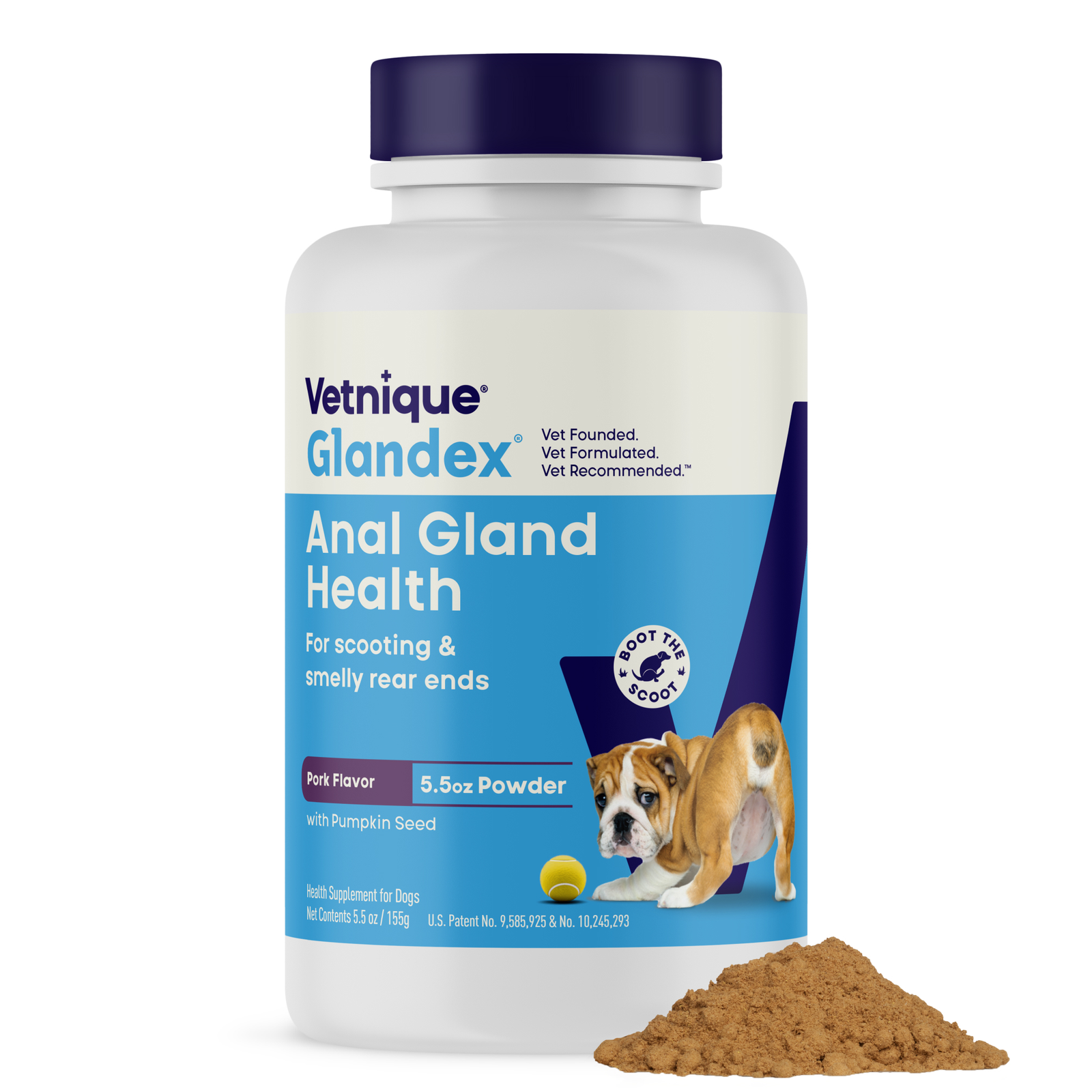
Several Vetnique focus areas align directly with common Shiba Inu needs. For joint support, YuMOVE offers targeted formulas that help maintain mobility in these agile dogs throughout their long lives. For skin and coat support, DermaBliss products are designed for dogs prone to allergies and skin sensitivities. For digestive support, Glandex solutions address sensitive stomachs, stress-related digestive issues, and overall gut health.
Our products are made in cGMP-compliant facilities, with many carrying the NASC Quality Seal. Our formulas use clinically studied ingredients at effective levels rather than generic alternatives at minimal doses.
We strongly encourage pet parents to discuss any supplement plan with their veterinarian. Integrating joint, skin, and gut support into a comprehensive Shiba Inu wellness program works best when coordinated with your dog's overall health management and any existing treatments or medications.
Supplements can be a valuable, evidence-based component of helping maintain mobility, skin comfort, and overall quality of life, particularly as your Shiba enters their senior years.