

When you look inside your dog's ear and see dark material, your first question is probably: is this normal wax, or something worse? Dog ear mites and excessive ear wax can look similar at first glance, but they are fundamentally different problems that require different responses. This guide covers how to tell them apart, what to look for, and how to keep your dog's ears healthy.
Ear Mites vs. Ear Wax — The Key Difference
The simplest way to understand the difference: ear wax is something your dog's body produces on purpose, and ear mites are parasites that should not be there.
Ear wax (cerumen) is a natural substance produced by glands lining the ear canal. Its function is to protect and lubricate the ear canal, trapping dirt, debris, and bacteria before they reach deeper structures. Ear wax also has antimicrobial properties that help prevent infection. In a healthy ear, wax is part of your dog's natural defense system. For a visual guide to what different ear wax colors mean, see our dog ear wax color chart.
Ear mites (Otodectes cynotis) are microscopic parasites that infest the ear canal. They feed on skin debris and tissue fluids, causing irritation, inflammation, and significant discomfort. Ear mites are highly contagious and spread through direct contact between animals. They are always harmful and require veterinary treatment.
How to Tell the Difference at Home
Both ear mites and excessive wax can produce dark material in the ear canal, which is why they are often confused. But there are visual and behavioral clues that can help you tell them apart before your vet visit.
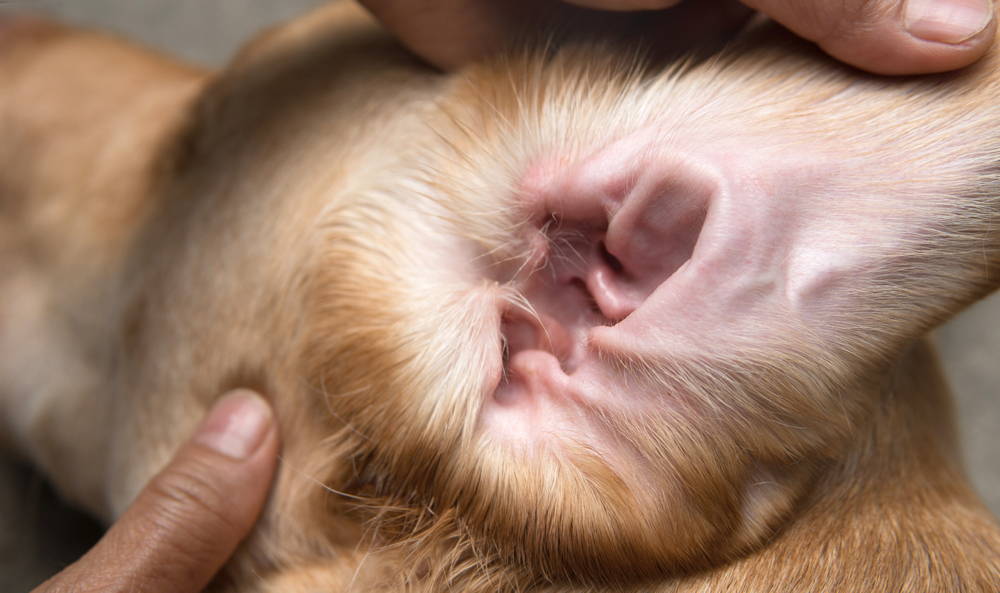
What normal ear wax looks like
- Color: light yellow to brown
- Texture: soft, pliable, easy to wipe away
- Odor: mild or no odor
- Behavior: your dog is not scratching, shaking their head, or showing signs of discomfort
What ear mite debris looks like
- Color: dark brown to black
- Texture: dry, crusty, resembles coffee grounds
- Odor: may have a foul smell, especially if secondary infection is present
- Behavior: intense scratching at the ears, frequent head shaking, head tilting to one side, redness and inflammation visible inside the ear
The behavior is the biggest clue
A dog with normal or slightly excessive ear wax will not show distress behaviors. A dog with ear mites will scratch vigorously at their ears, shake their head frequently, and may tilt their head to one side. The itching is intense and persistent — it goes well beyond the occasional ear scratch that most dogs do. If you see the behavioral signs alongside dark debris, ear mites are a strong possibility.
When you cannot tell
Ear mites are microscopic and cannot be seen with the naked eye. If you are unsure whether your dog has ear mites or just dirty ears, a veterinary examination is the most reliable way to get an answer. Your vet can use an otoscope to look inside the ear canal and examine a sample of the discharge under a microscope to confirm whether mites or their eggs are present.
Understanding Ear Mites in Dogs
Ear mites infest the ear canal and find a warm environment where they feed on skin debris and tissue fluids. They are highly contagious and can easily transfer from one animal to another through direct contact, making them particularly common in multi-pet households and in outdoor dogs.
Signs and symptoms
- Intense itching — your dog scratches at their ears vigorously, often causing redness and irritation to the skin around the ear
- Dark, crusty discharge — a buildup of dark, coffee-ground-like debris inside the ear
- Head shaking and tilting — frequent head shaking or holding the head tilted to one side
- Redness and inflammation — the ear canal may appear red and swollen, especially toward the base of the ear
Prolonged exposure to ear mites can damage the ear canal and lead to otitis externa (ear infection). If you suspect ear mites, do not wait — early treatment prevents secondary complications. Learn more about how to tell if your dog has an ear infection.
Diagnosis
Your veterinarian will perform a thorough ear examination, typically using an otoscope to visualize the inside of the ear canal. A microscopic examination of ear discharge can confirm the presence of ear mites or their eggs.
Treatment
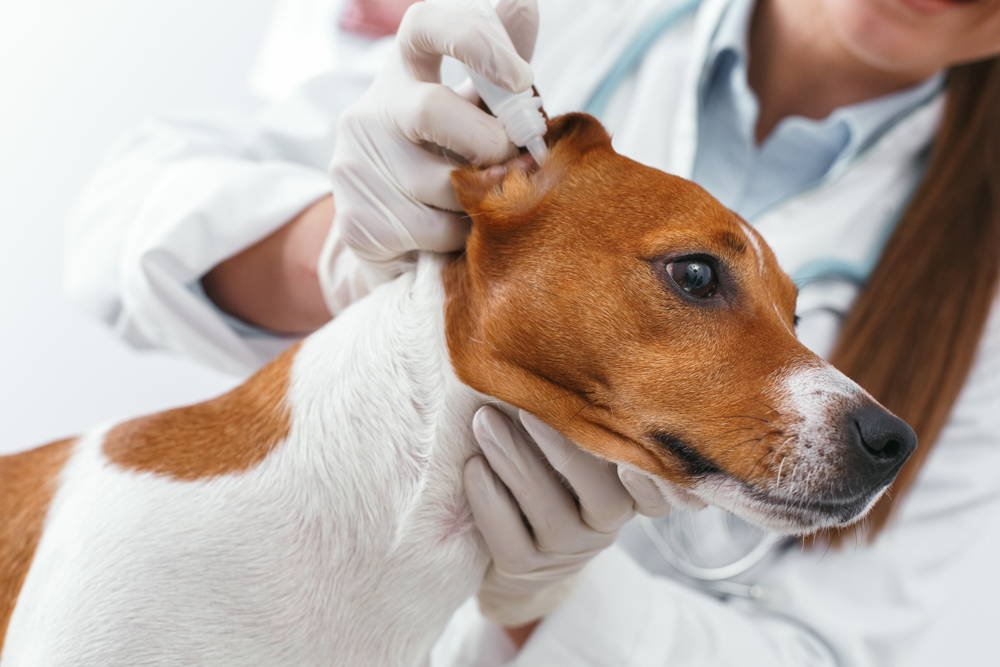
Treating ear mites typically involves medicated ear drops or ointments specifically designed to eliminate mites and soothe inflammation. Your vet may also recommend cleaning the ears to remove excess debris and promote healing. If you have multiple pets, all animals in the household may need to be treated simultaneously to prevent reinfestation.
Understanding Ear Wax in Dogs
Ear wax is produced as a natural protective substance. It serves as a barrier against debris, dust, and microorganisms like bacteria, yeast, and mites that might enter the ear. Because wax plays a protective role, excessive cleaning is not recommended — you only need to clean when there is visible buildup.
When ear wax becomes a problem
While normal ear wax is healthy, excessive buildup can occur due to inadequate ear hygiene, environmental factors, breed-specific anatomy, or underlying conditions like allergies. Ear wax that is dark, grainy or crumbly in texture, or foul-smelling is not normal and may indicate an infection or other issue that needs veterinary evaluation. Untreated buildup can create conditions for yeast infections in the ear or bacterial infections.
Breed and anatomy factors
Dogs with floppy ears — such as Cocker Spaniels, Basset Hounds, and Cavalier King Charles Spaniels — are more prone to ear problems due to reduced airflow and moisture retention in the ear canal. These breeds benefit from more regular ear checks and cleaning. To find out if your dog's breed is at higher risk, see our article on at-risk breeds for ear infections. For a full overview of how ear anatomy and breed factors contribute to ear health issues, see our guide to ear infections in dogs.
Allergies and ear health
Allergies are one of the most common underlying causes of chronic ear problems in dogs. Environmental allergens like pollen, dust, and mold can trigger inflammation in the ear canal, leading to increased wax production and a cycle of recurring ear issues. If your dog has recurring ear problems alongside itchy skin or seasonal patterns, seasonal allergies may be affecting your dog's ears. For a broader look at how allergies affect dogs across multiple body systems, see our guide to allergies in dogs.
How to Keep Your Dog's Ears Healthy
Regular ear checks
Make a habit of checking your dog's ears weekly. Look for changes in wax color, texture, or odor. Watch for redness, swelling, or discharge. The earlier you catch a problem, the easier it is to treat.
Routine cleaning
For day-to-day ear maintenance — especially after outdoor play, swimming, or during allergy season — OticBliss Ear Cleaning Wipes can help dry excess moisture, remove surface allergens and debris from the ear flap, and keep the ear clean without over-cleaning the canal itself.
Deeper cleaning when needed
If your dog has a history of ear infections or your veterinarian recommends deeper cleaning, OticBliss Ear Flush gently flushes the ear canal of excess wax, debris, and harmful bacteria. After flushing, gently wipe the outer ear canal using cotton balls or pads. Avoid inserting anything deep into the ear canal.
Treating active infections
For ears with an active infection — whether from ear mites, bacteria, or yeast — OticBliss Vet Strength Ear Drops with MicroSilver BG can help reduce inflammation and irritation. Always consult your veterinarian before treating an ear infection at home to ensure the treatment approach is appropriate for the specific type of infection.
When to See the Vet
Consult your veterinarian if:
- You see dark, coffee-ground-like debris accompanied by intense scratching or head shaking
- Your dog's ear has a foul odor or visible discharge that is not normal wax
- The ear canal appears red, swollen, or inflamed
- Your dog is in obvious discomfort — crying when the ear is touched, rubbing the ear against furniture
- Home cleaning has not improved the appearance of the ear within a few days
- Your dog has recurring ear problems that keep coming back despite treatment
Understanding the difference between ear mites and ear wax is the first step toward effective ear care. Ear wax is your dog's natural defense — it only becomes a problem when there is too much or when its appearance changes. Ear mites are always a problem that requires treatment. Regular ear checks, appropriate cleaning, and prompt veterinary attention when something looks off will keep your dog's ears healthy and comfortable.