

If you are regularly visiting the vet to have your dog's anal glands expressed, there may be more you can do at home to support their anal gland health. A combination of home care and veterinary guidance can reduce the frequency of vet visits and keep your dog more comfortable. This guide explains how healthy anal glands function, the signs that indicate your dog may need basic or advanced anal gland support, the causes of severe anal gland issues, treatment options, and answers to common questions from Dr. James Bascharon, DVM.
How Healthy Anal Glands Function
When anal glands are functioning properly, they typically go unnoticed. Healthy anal gland function is characterized by three predictable patterns.
The first is regular bowel movements. One of the main causes of anal gland issues is a change in bowel habits, which can result from illness, parasites, dietary changes, or stress. Promoting regularity means providing your dog with a blend of soluble and insoluble fiber, clean water, regular exercise, and a balanced diet.
The second is healthy stool consistency. The best way to support anal gland health is to ensure your dog produces firm, bulky stools that are elongated rather than pebbled in shape. If your dog's stool maintains the tubular shape of the digestive tract, that is generally a positive sign.
The third is natural gland expression with each bowel movement. The oily substance inside a dog's anal glands should ideally be expressed every time the dog defecates. Firm, bulky stools moving through the rectum apply pressure on both sides of the anal canal, which naturally expresses the glands and releases the fluid with the passing stool. You may notice this substance as a slight mucous layer on the stool. A healthy color for anal gland secretions is clear or pale yellow-brown, and the characteristic fishy odor is normal.
When the anal glands are functioning well, your dog expresses them naturally without veterinary intervention — no manual expression visits and no leakage between bowel movements.
Signs That Your Dog Needs Anal Gland Support
If your dog's anal glands are not functioning properly, there will be visible clues. Common signs of anal gland disruption include scooting their bottom across textured surfaces like carpet or grass, licking their rear end or the base of their tail, and constipation, straining, or painful defecation.
For most dogs, a vet-formulated supplement rich in fiber and other GI-supportive ingredients can help get anal gland health on track. An abrupt increase in fiber can cause temporary adverse effects including diarrhea, bloating, and gas, so it is important to start any new fiber supplement gradually — beginning with half the recommended amount for the first week to allow your dog's digestive system to adjust. Consistency is essential, as most anal gland supplements require daily use for an extended period to achieve full benefit. Contact your vet if adverse effects persist.
Severe Anal Gland Issues: When Your Dog Is Still Scooting
If your dog is not new to scooting, their case may qualify for advanced or extra-strength anal gland support. The following are eight indicators of a more advanced anal gland condition.
The first is frequent expression — your dog requires anal gland expressing more than one to two times per month. The second is recurring infections or abscesses, where the anal glands develop an infection that fills with pus, causing pain and potential impaction. The third is symptom recurrence — your dog previously improved with a fiber or anal gland supplement, but scooting, licking, and constipation have returned and appear more severe or persistent. The fourth is incomplete response to supplementation — you have completed three to five weeks of supplementation as directed but your dog still needs additional support.
The fifth indicator is constant anal leakage and odor between bowel movements, which occurs when glands become irritated and hypersecrete. The sixth is suspected gland obstruction — your dog can no longer empty their glands on their own and requires veterinary manual expression, and once impacted, the trapped material typically leads to infection and a painful abscess. The seventh is a red or swollen sphincter area, indicating a potential anal gland infection that is painful and tender to the touch. The eighth is a veterinary diagnosis of susceptibility to impacted anal glands, a condition where the ducts become occluded and cannot release the fluid.
Causes of Advanced Anal Gland Issues
Understanding the risk factors behind severe anal gland problems can help you take preventive action. The most common causes include poor gland anatomy that prevents proper emptying — glands positioned too low or too far internally, which is more common in smaller breeds like Basset Hounds, Beagles, and Chihuahuas. Chronic digestive issues leading to soft stool, diarrhea, or colitis are another common factor. Severe allergies (atopy), including environmental allergens such as dampness, dust mites, and mold, as well as contact irritants like soaps, detergents, and shampoos, can also contribute. Finally, iatrogenic factors play a role: if the glands are expressed too often, it can irritate the glands and surrounding tissue or cause them to lose their muscle tone, which worsens symptoms and increases the risk of long-term damage.
Treatment Options for Advanced Anal Gland Support
For dogs with severe or persistent anal gland conditions, a multi-strategy approach combining veterinary and home care is often most effective.
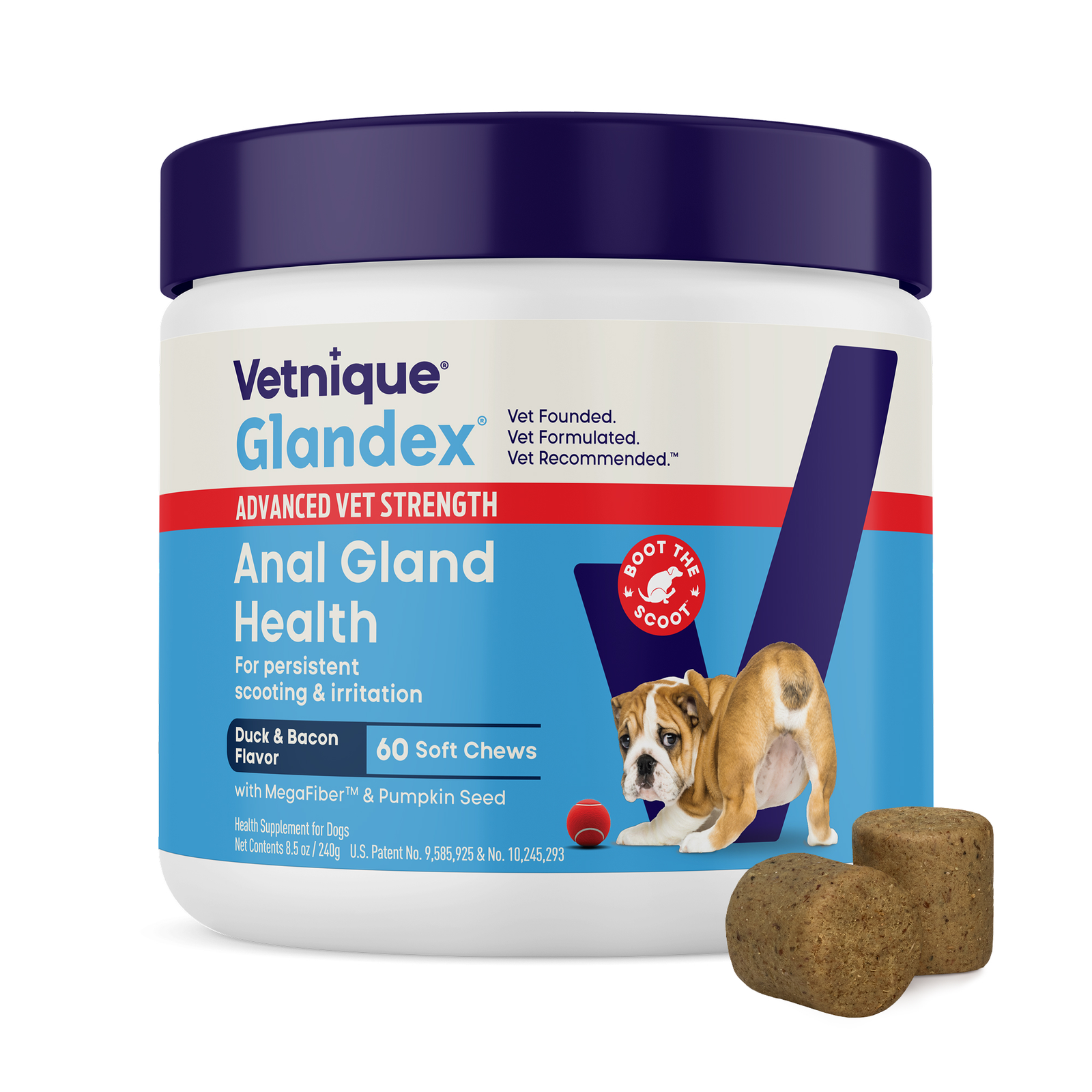
The first option is manual expression as needed when glands are full, impacted, or otherwise unable to express on their own. Your veterinarian and their team are best qualified for this, especially if your dog is experiencing pain or tenderness. The second is working with your veterinarian to identify and treat underlying causes, including allergies and digestive issues that may be driving persistent symptoms. The third is daily supplementation with a balanced diet that supports anal gland and digestive health — fiber, probiotics, and digestive enzymes should all be part of a regimen for dogs needing advanced GI support. For dogs that have not responded to standard supplementation, Glandex Advanced Vet Strength Chews are formulated for severe and chronic cases. The fourth is following your veterinarian's guidance on antibiotics or prescription medications to treat infections and other underlying issues. The fifth, in extreme cases, is surgical treatment to flush the glands or, as advised by your vet, removal of the glands (Anal Sacculectomy).
Anal Gland FAQs with Dr. James Bascharon, DVM
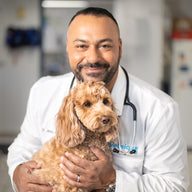
Dr. James Bascharon is the founder of Vetnique Labs and a veterinarian with extensive experience treating dogs with anal sac disease.
Is it common for anal gland symptoms to recur after they have stopped?
Yes. The severity of anal gland problems can come and go, and can be influenced by allergies and inflammation that affect the surrounding areas and the anal glands themselves. Changes in gastrointestinal health and stool quality also play a role, as the glands typically empty through the passage of large, firm stools during defecation. If a dog has a period of diarrhea or soft stools lasting several weeks, their anal glands may not be emptying properly during that time.
If anal gland issues recur but are not more severe, should they still be considered severe?
If the problem is ongoing and never fully resolves, the dog likely has chronic anal gland disease, which is considered severe. If the issues resolve from time to time, that is a more optimistic situation. When anal gland problems come and go, identifying the underlying cause can help with prevention going forward.
What if my dog only shows one or two signs of anal gland distress, or only experiences them occasionally?
A proactive approach is still beneficial. The goal is to maintain optimal digestive health and healthy stool quality, which can be achieved by using the right supplement for your dog's needs. Taking a preventative approach is helpful for maintaining anal gland health, even when symptoms appear mild or infrequent.
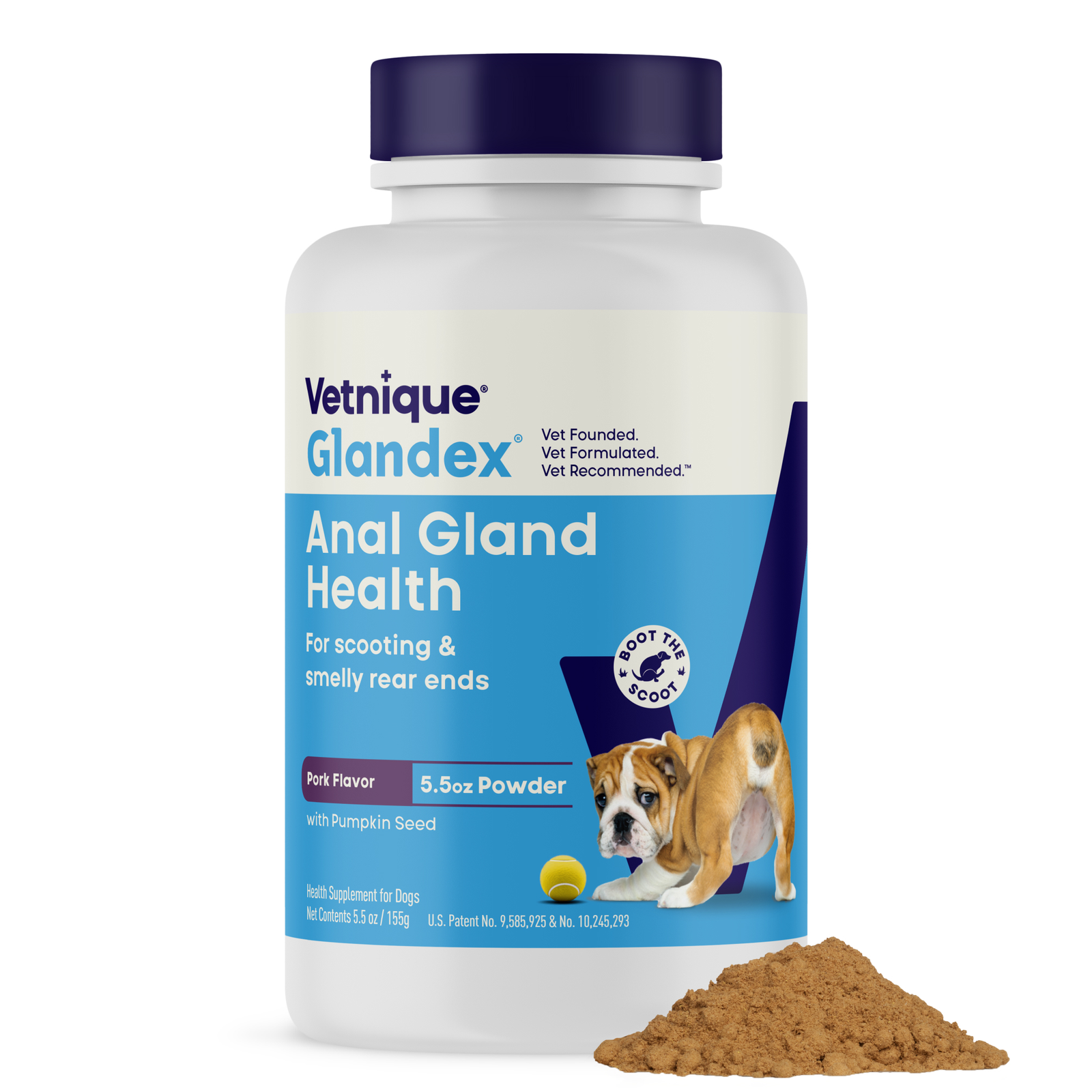
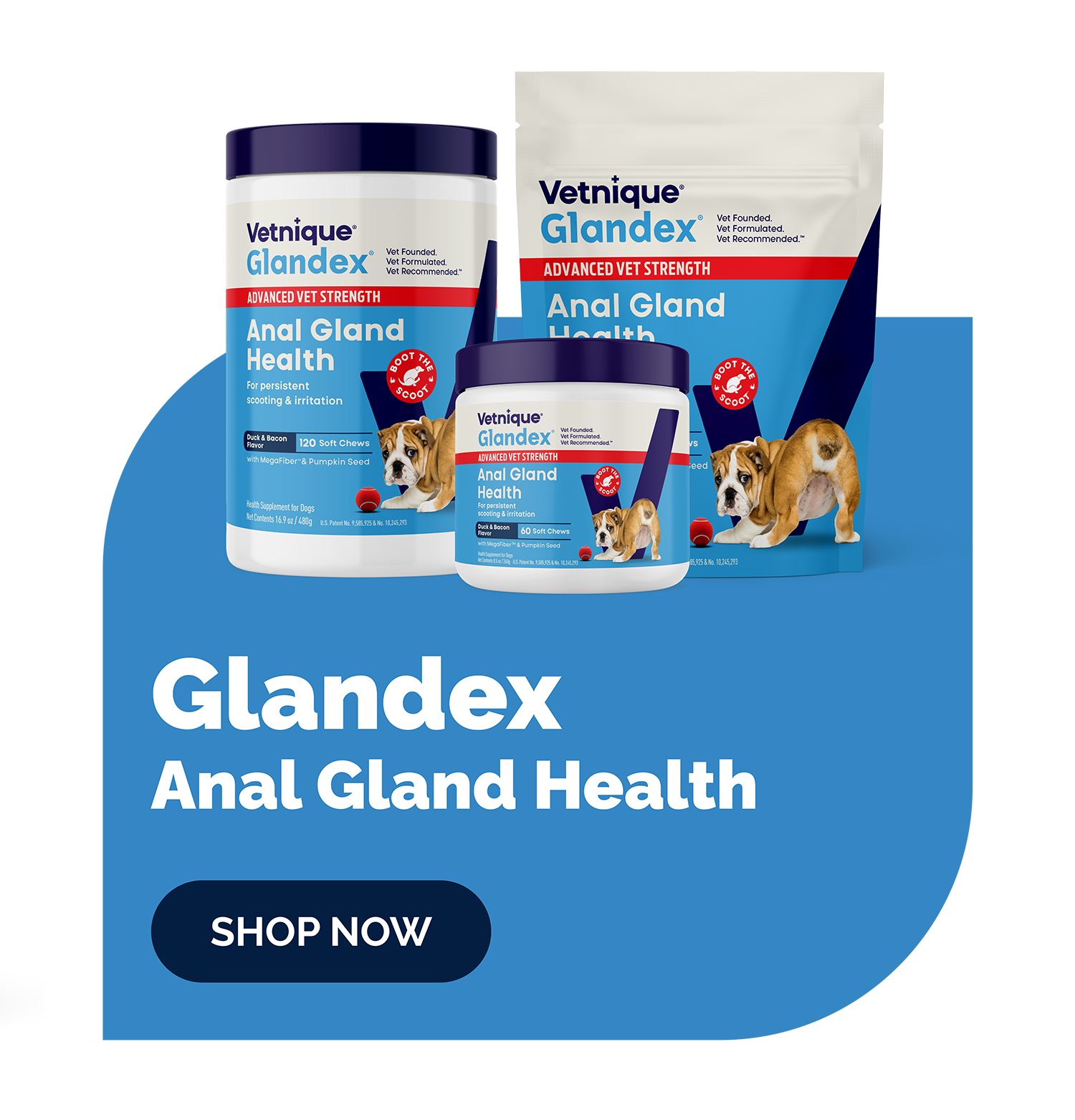
Supporting your dog's anal gland health comes down to maintaining digestive health, staying in contact with your veterinarian, and being consistent with their supplement regimen. Quality home care can help reduce the frequency of veterinary visits for manual expression, making it a sustainable approach for both your dog's comfort and your routine. Explore the full Glandex collection for products that support anal gland and digestive health.