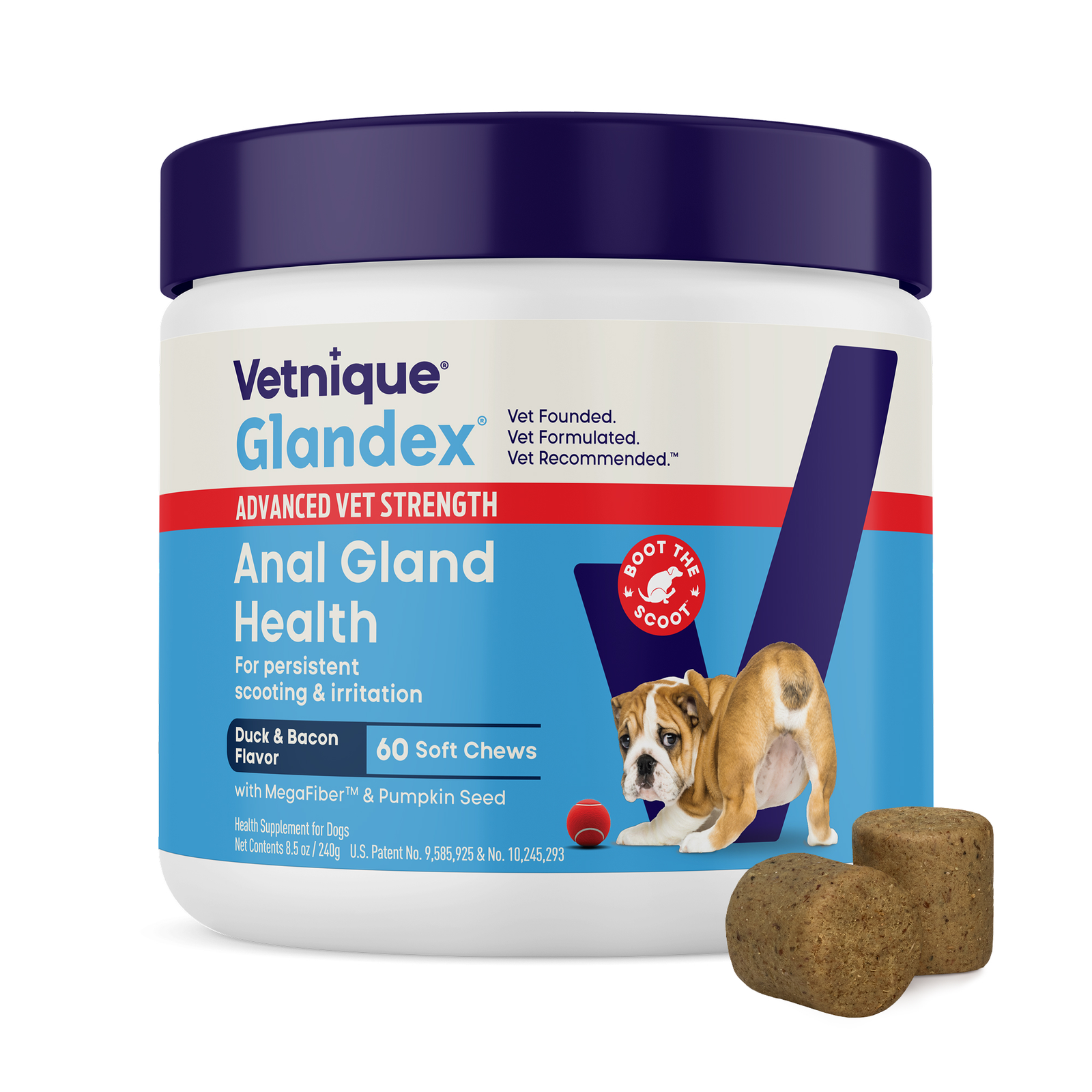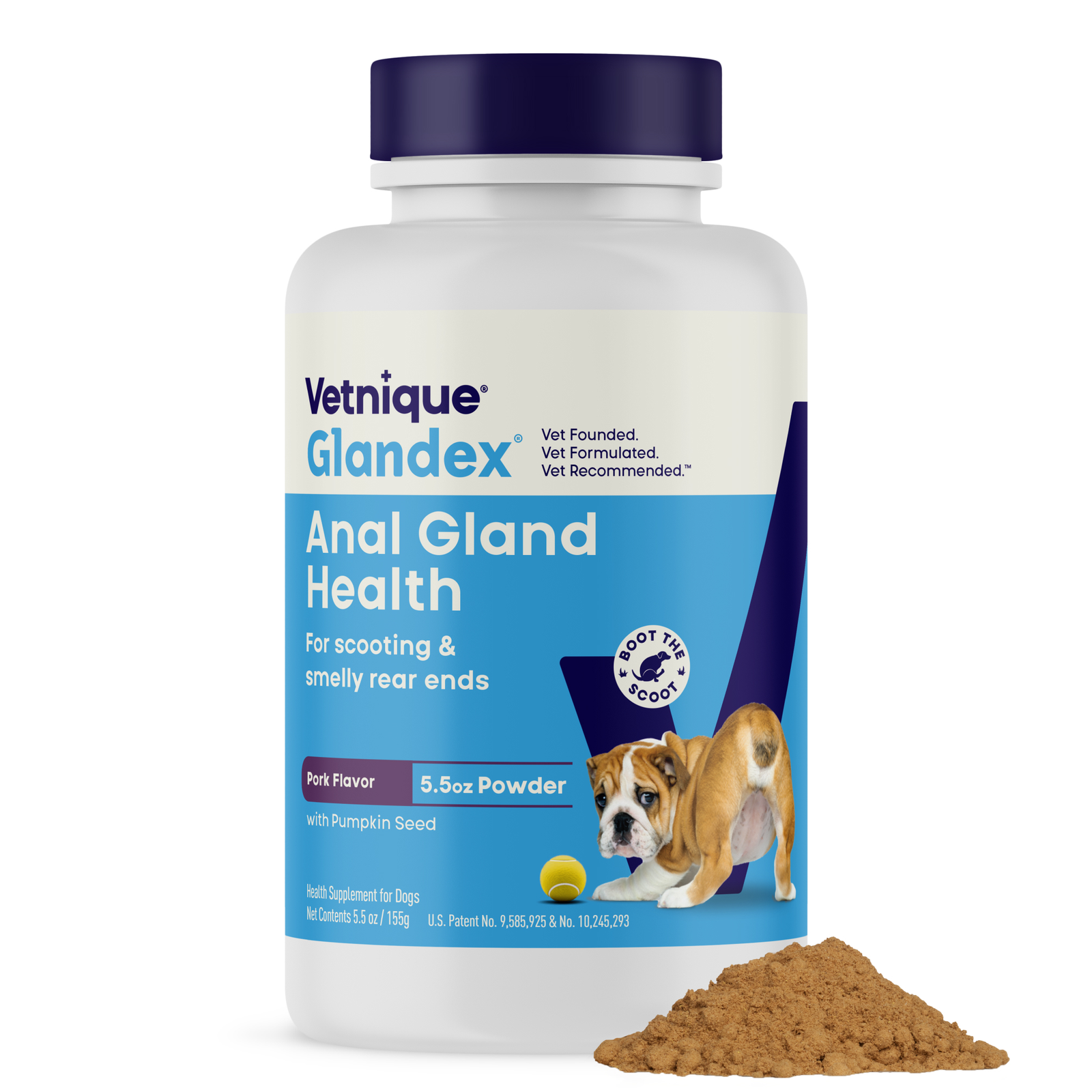


At Vetnique, we understand that a healthy dog starts from the inside out. Our brand was founded in 2012 by Dr. James Bascharon, who created our initial formulas to solve the frustrating clinical problems he saw every day in his veterinary clinic. One of the most significant insights in modern pet wellness is that 70–90% of your dog's immune system lives in their gut. When the digestive system falls out of balance, the ripple effects impact everything from skin health to energy levels and behavior. Proactive management of the gut microbiome is a leading 2025–2026 pet wellness trend that significantly boosts quality of life.
Holistic signs: Poor gut health manifests as chronic diarrhea, vomiting, excessive gas, itchy skin, and mood changes.
The microbiome: Dysbiosis is an imbalance where harmful bacteria outnumber beneficial microbes in the digestive tract.
Gut-skin axis: Chronic ear infections, hot spots, and paw licking frequently trace back to intestinal imbalances.
When to act: Symptoms lasting more than 48 hours, or any sign of blood or severe lethargy, require an immediate call to your veterinarian.
Targeted support: Utilizing veterinarian-formulated solutions like Glandex Probiotics restores beneficial bacteria to support intestinal barrier repair.

Why Your Dog's Gut Health Matters
The gut microbiome refers to the trillions of bacteria, fungi, and other microbes living in your dog's digestive tract. This community of beneficial bacteria works to support food digestion, nutrient absorption, and immune function. When this community falls out of balance, a condition called dysbiosis, harmful bacteria take over and lead to systemic health issues. While many dogs experience occasional digestive issues from dietary indiscretion, persistent or severe signs require professional care.
Digestive Red Flags: Obvious Signs of Poor Gut Health
The most obvious symptoms of gut health problems appear in your dog's stool. These are the primary signs that might prompt pet parents to start investigating underlying health issues.
Diarrhea: Acute vs. Chronic
A single bout of loose stool after a dog eats something questionable is common. Chronic diarrhea, on the other hand, lasts more than three weeks and signals a deeper issue in the intestinal tract.
Watch for persistent watery or loose stools lasting beyond 48 hours, the presence of mucus or blood in the stool, small-volume and frequent defecation (common in colitis cases), and stools that alternate between firm and soft without a clear pattern.
Vomiting Patterns That Point to Gut Issues
Not all vomiting indicates poor gut health, but specific patterns indicate concern: frequent small vomits of yellow or greenish bile, vomiting that consistently follows meals or diet changes, regurgitation of undigested food shortly after eating, and vomiting accompanied by a hunched posture or abdominal pain.
Subtle Digestive Clues
Less dramatic signs are equally important to monitor: constant foul-smelling flatulence, a distended belly especially after meals, loud gurgling or rumbling from the stomach, sudden pickiness or ravenous eating, and unexplained weight loss or difficulty maintaining a healthy weight.
Skin and Coat Symptoms Linked to Gut Problems
Itchy skin starts in the gut. The gut-skin axis is a communication pathway where the gut can influence skin barrier function and the immune response. When gut dysbiosis weakens the intestinal barrier, inflammatory signals travel through the bloodstream and manifest as skin disease.
Beneficial bacteria produce short-chain fatty acids (SCFAs), like butyrate, during food digestion. These SCFAs suppress inflammation throughout the body. When dysbiosis reduces SCFA production, systemic inflammation increases and affects the skin.
Common skin signs include chronic itching on the paws, ears, and belly; recurrent hot spots that return despite treatment; ear infections that never fully resolve; a dull, dry, or flaky coat; excessive shedding beyond normal seasonal changes; and excessive paw licking or face rubbing.
Dogs with food allergies and atopic dermatitis show significant gut microbiome dysbiosis. These dogs often have 20–30% reduced microbial diversity, and lower levels of beneficial gut microorganisms like Lactobacillus and Faecalibacterium. Addressing the gut-skin connection is important because topical treatments can provide only temporary relief if the root cause is intestinal inflammation. For targeted skin and allergy support alongside gut health, the DermaBliss allergy and skin care collection offers chews, shampoos, and supplements designed for dogs prone to skin sensitivities.
Behavior, Mood, and the Gut-Brain Axis
Your dog's gut and brain are in constant conversation through the gut-brain axis. This communication pathway means digestive health influences how your dog feels and behaves. The gut microbiome produces neurotransmitters like serotonin and sends signals through the vagus nerve directly to the brain.
Signs of dysbiosis in behavior include increased irritability or unusual aggression, clinginess or separation anxiety during gut flare-ups, difficulty settling down or poor sleep patterns, and lethargy or withdrawal that is out of character.
Gut dysbiosis influences vagus nerve signaling and neurotransmitter production in the brain. Dogs with dysbiosis have 15% higher transepidermal water loss, which links psychological stress from gut discomfort to itchy skin flares.
Less Obvious Physical Signs of Poor Gut Health
Not every dog presents with obvious diarrhea. Some symptoms are subtle and easy to overlook: chronic bad breath that does not improve with dental care, unusual body odor that comes from the skin, frequent anal gland scooting or licking, excessive drooling (which indicates nausea), and excessive grass-eating beyond occasional nibbling.
Pet parents should keep notes or photos of their dog's stools and symptoms over several weeks. This documentation helps veterinarians spot patterns that are not obvious during a single visit.
Common Triggers and Underlying Causes
Symptoms of poor gut health reflect deeper causes beyond a sensitive stomach.
Short-Term Triggers
Diet changes. Switching food within a day, rather than gradually, overwhelms digestive enzymes.
Table scraps. Rich or fatty foods disrupt microbial balance.
Scavenging. Garbage or dead animals introduce harmful bacteria.
Medication. Antibiotics kill healthy bacteria, and anti-inflammatory drugs irritate the intestinal lining.
Long-Term Causes
Allergies. Food intolerances that cause chronic intestinal inflammation.
Stress. Chronic stress from life changes like moving or boarding.
Fiber deficiency. Diets low in fiber reduce SCFA production by up to 40%.
Genetics. Bulldogs, German Shepherds, and certain terriers have a higher risk for inflammatory bowel disease and atopic disease linked to gut imbalances.
When Symptoms Mean "Call the Vet Now"
Knowing when to seek veterinary care can help you prevent manageable situations from becoming emergencies.
Emergency signs include bloody vomit or stool, repeated vomiting within a few hours, severe lethargy or collapse, pale or white gums, a hard, painful, or distended belly, and unproductive retching where nothing comes up.
Puppies, seniors, and very small breeds are at higher risk because they dehydrate quickly. These groups require earlier intervention when fluid loss occurs.
How Vets Assess Gut Health in Dogs
Veterinary medicine uses clinical expertise and diagnostic tools to evaluate gut health.
The standard diagnostic approach includes medical history (identifying patterns, triggers, and duration of symptoms), physical exam (assessing abdominal pain, dehydration, and weight changes), fecal examination (testing for parasites, bacteria, and blood), bloodwork (checking organ function, inflammation markers, and nutrient levels), and imaging (using X-rays or ultrasound to find obstructions or intestinal wall thickening).
Microbiome testing is a growing field that offers insights into a dog's gut microbiome composition. Specialized stool tests identify specific bacterial imbalances to guide targeted probiotic or dietary interventions.
Supporting Better Gut Health at Home
Pet parents support their dog's digestive health daily through evidence-based strategies.
Gradual Diet Transitions
Always switch a dog's food over 7–10 days. Days 1–3: 75% old food and 25% new food. Days 4–6: 50% old food and 50% new food. Days 7–9: 25% old food and 75% new food. Day 10: 100% new food.
Fiber, Prebiotics, and Probiotics
A species-appropriate diet rich in fiber feeds healthy gut bacteria. Prebiotics provide fuel for beneficial bacteria, while probiotics introduce good bacteria into the system. Vetnique leads this space with Glandex Probiotic & Prebiotic Soft Chews, a targeted blend that restores Lactobacillus and Bifidobacterium for SCFA production and intestinal barrier repair. Combined with DermaBliss products that support skin barrier health, this dual-action pairing is a smart option for gut-skin dysbiosis.
Routine and Stress Management
Regularity. Consistent meal times support digestive regularity.
Exercise. Regular activity promotes healthy gut motility.
Stress reduction. Predictable routines minimize cortisol spikes that damage the gut lining.