


In the exam room, we often see the toll that chronic itching takes on both pets and their pet parents. Whether it's the sound of persistent scratching at 2:00 AM or seeing irritated skin that just won't heal, we understand the frustration. While a common question we hear is why is my dog so itchy but has no fleas points toward environmental triggers or food sensitivities, it's not always the case.
At Vetnique, we believe every pet parent deserves science-backed solutions to help their family member thrive. This guide focuses on home remedies for itchy dogs, offering natural remedies and accessible solutions like a targeted oatmeal bath for dogs with itchy skin to provide much-needed itch relief.
We'll explore five home remedies that can soothe itchy skin and help manage allergic itching. Most dogs benefit from these home remedies. We'll also identify the beneficial ingredients that address the underlying cause of discomfort while highlighting ones to avoid, ensuring you make the most informed choices for your pet's skin health.
Common causes of itchy skin for dogs
To provide the right treatment, we first have to understand the why behind the itch. Common causes of itching in veterinary medicine range from simple dry skin to complex skin disease. Environmental allergens like pollen or mold often trigger seasonal allergies, leading to intense itching and excessive scratching. Food allergies are another frequent culprit, often resulting in constant itching or skin irritation.
Parasites like fleas are a top priority for flea prevention, as their bites can cause allergic reactions and severe itching. Other triggers include:
- Contact dermatitis: Skin irritation from soaps, perfumes, or other substances.
- Fungal infections: Such as yeast overgrowth, which thrives in warm, moist areas and leads to irritated skin.
- Bacterial infections: Often occurring as a secondary issue after a dog damages the skin through biting.
- Mange: A skin disease caused by microscopic mites that results in inflammation, hair loss, and skin lesions.
If you notice a foul odor or flaky skin, these are other symptoms that suggest a proper diagnosis from a vet is needed. Identifying the underlying cause quickly is the best way to address the problem and ensure long term relief.
Understanding your dog's skin
A dog's skin is a vital organ that mirrors their overall health and wellness. As a pet parent, recognizing the early signs of skin irritation can help you prevent skin disease and manage skin allergies before they escalate.
Many dogs face allergic itching from insect bites or yeast infections. These issues lead to sensitive skin, hair loss, or the development of painful hot spots. While natural remedies like aloe vera gel provide cooling relief and coconut oil offers anti-inflammatory properties, treating skin disease often requires a comprehensive approach.
If the dog itching involves severe itching, your veterinarian or veterinary dermatologists perform intradermal skin testing, allergy testing, or skin scrapings to find the specific trigger. They might also suggest a diet trial to rule out food allergies. Supporting the skin from the inside out with essential fatty acids, specifically EPA and DHA found in high-quality fish oils, will moisturize dry tissue and support the skin's natural barrier.
5 at-home remedies for your dog's itchy skin
When mild cases arise, these home remedies offer a safe, holistic approach to soothe itchy skin.

1. Omega fatty acids
Essential fatty acids are the building blocks of healthy skin. Omega-3s, found in fish oils, have potent anti-inflammatory properties that reduce inflammation and allergic itching internally. Adding these to your pet's food helps to moisturize your dog's dry itchy skin naturally from the inside out. Always consult your vet for the correct dosage to ensure effective treatment.

2. Anti-itch shampoo for itchy skin
An anti itch shampoo is a frontline defense against environmental allergens. Choose formulas containing plain oatmeal or aloe vera. These help soothe itchy skin without stripping natural oils. For dogs with sensitive skin, bathe regularly using hypoallergenic options to wash away irritants.
3. Oatmeal shampoo or skin washes
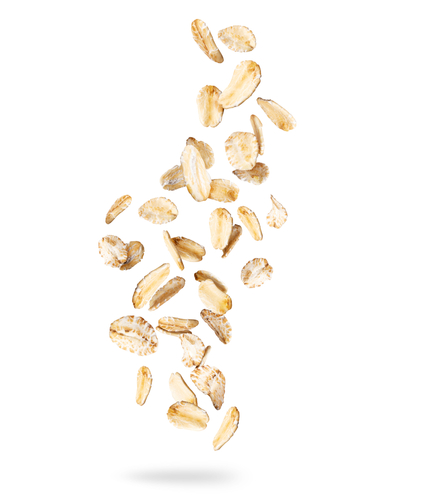
Oatmeal baths are a classic home remedy for a reason. Plain oatmeal contains anti-inflammatory properties that provide itch relief. For a DIY version, grind oatmeal into a fine powder for maximum effectiveness. This ensures the avenanthramides, the active calming compounds, disperse in water to create a protective layer that calms irritated skin.
4. Coconut oil for your dog's itchy skin
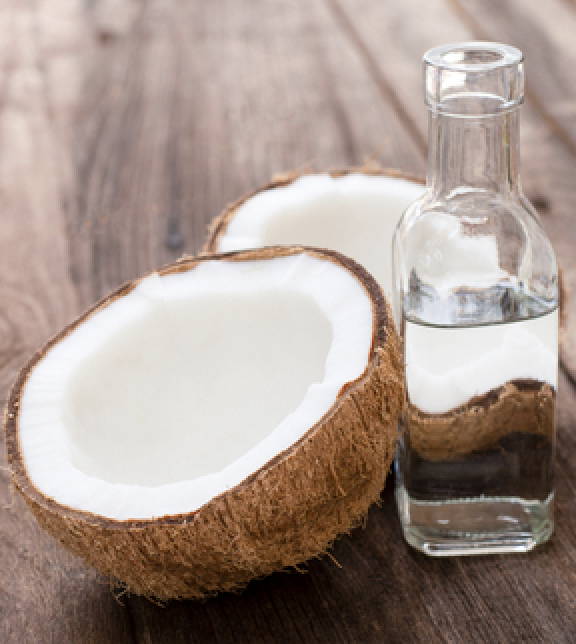
Is coconut oil safe for dogs with itchy skin? Yes, it is a versatile tool for skin health. It contains lauric acid, which provides anti-inflammatory properties and supports the skin against bacterial infections. Apply a thin layer to moisturize dry patches or flaky skin. You can also mix it into your pet's food to support a shiny coat.

5. Aloe vera for skin health
Aloe vera provides immediate cooling relief for hot spots and skin irritation. Ensure you use pure aloe vera gel without added alcohol. It is an excellent natural remedy to reduce inflammation on sensitive skin after insect bites.
Common signs & symptoms of dogs' itchy skin
Early detection is key. Watch for:
- Excessive scratching or persistent scratching in one area.
- Hair loss or skin lesions.
- Hot spots, which are areas of intense itching.
- Foul odor, often a sign of bacterial or yeast infections.
- Yeast overgrowth, such as greasy skin or red paws.
Maintaining a symptom journal helps your vet during allergy testing. If home remedies do not provide relief within a week, seek veterinary medicine expertise.
When to talk to your vet about your dog's itchy skin
While natural remedies are great for mild cases, severe itching requires professional intervention. Veterinary medicine has advanced significantly in treating skin disease. Your vet will recommend intradermal skin testing or a specialized diet trial.
At Vetnique, we are veterinarian-founded and dedicated to your pet's quality of life. Before making major dietary changes or if dog itching persists, always consult your vet. They provide a proper diagnosis and a science-backed plan tailored to your furry friend.
Frequently asked questions (FAQs)
What can I feed my dog for itchy skin?
Nutrition is vital for skin resilience. We recommend diets rich in essential fatty acids (Omega-3 and Omega-6). Incorporating a high-quality, veterinarian-formulated supplement or fish oils into your pet's food can support the moisture barrier from within.
How do I use an apple cider vinegar spray for dog's itchy skin?
A diluted apple cider vinegar spray, typically a 50/50 mix of water and ACV, can help balance skin pH and deter yeast overgrowth. However, never use this on raw or broken skin, as the acidity will cause significant stinging.
Is a baking soda paste for dog itchy spots effective?
A baking soda paste mixed with a small amount of water can help neutralize localized skin irritation and dry out hot spots. Apply for 10 to 15 minutes before gently rinsing away.
What is a good home remedy for dog chewing paws raw?
For intense paw irritation, a cooling soak using green tea or plain oatmeal can provide relief. If you are looking for what human antihistamines are safe for dogs for itching, Diphenhydramine (Benadryl) is commonly used, but you must consult your vet for the correct dosage first.
When to take a dog to the vet for itching?
If your dog's itching is accompanied by hair loss, skin lesions, a foul odor, or if they have persistent scratching that prevents them from sleeping or eating, seek veterinary care immediately. Early intervention prevents secondary bacterial or yeast infections.