


Benadryl For Dogs At a glance:
- The gold standard: Use only plain diphenhydramine. Avoid formulas with decongestants, alcohol, or xylitol, which are toxic to dogs.
- The Dosage: The standard clinical dose is 1 mg per 1 lb of body weight, typically given every 8 to 12 hours.
- Best for: Managing acute itchy skin, hives, and swelling from seasonal allergies or insect bites.
- Proactive care: For long-term relief from environmental triggers, support your pet's skin health with our veterinarian-formulated Omega-3 and skin support supplements.
Medical Disclaimer: This content is for educational purposes and is not a substitute for professional veterinary advice. If your pet is experiencing a severe allergic reaction (including but not limited to difficulty breathing or facial swelling), contact an emergency veterinarian immediately.
Vet guidelines for using Benadryl for dogs safely
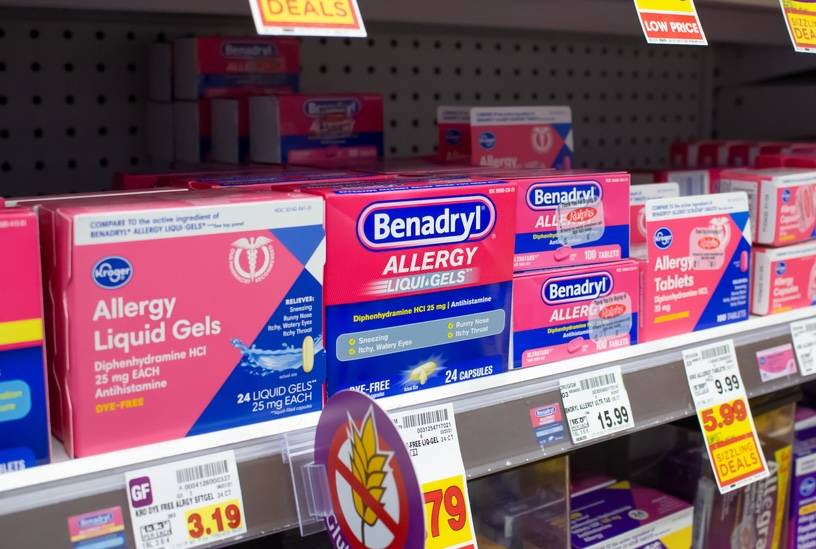
Watching your dog struggle with seasonal itchiness, red paws, or sudden hives is stressful. As a pet parent, you want to provide relief fast. When choosing Benadryl for dogs, the most critical step is to ensure the product contains only diphenhydramine. Many human formulas include additional active ingredients, such as decongestants or alcohol, which can be harmful or even toxic to your pet.
At Vetnique, we believe in empowering you with the same science-backed insights we use in the exam room. Founded by veterinarian Dr. James Bascharon, Vetnique is dedicated to "nose-to-tail" wellness––that means sharing our veterinary expertise to help you make the most informed decisions about your pet's health.
What is Benadryl and how does it work for dogs?
Benadryl is an antihistamine containing the active ingredient diphenhydramine HCL. It works by blocking histamine, a chemical the body releases in response to allergens. While not officially FDA-approved for veterinary use, Benadryl is a staple in veterinary medicine for dogs due to its proven efficacy in managing acute reactions.
It is important to note that clinical studies–like those cited in the Merck Veterinary Manual–indicate that antihistamines like diphenhydramine show a significant clinical response in only 20% to 30% of dogs when used alone for chronic allergic skin disease. Because of this, we often recommend a multi-modal approach for long-term relief. Benadryl remains highly effective for:
- Acute Allergy Symptoms: Effectively manages itchy skin (frequent scratching, chewing, or biting), sneezing, and runny nose and eyes often associated with seasonal allergies or skin allergies.
- Insect Bites & Stings: Reduces swelling, hives, and localized allergic reactions or acute insect bites.
- Motion Sickness: Eases travel-related distress by blocking the "vomiting center" in the brain. Specifically, it inhibits the signals from the inner ear (the balance center) that tell the brain the body is moving, helping to prevent the nausea and drooling often triggered by car rides.
- Mild Sedation: Provides a calming effect to help soothe mild anxiety or keep pets calm during stressful situations like thunderstorms.
- Food Allergies: Addresses allergic reactions to specific ingredients that result in skin irritation or itching.
Can Benadryl Be Used for Dog Allergies?
Using Benadryl as a targeted tool can help quiet the 'itch-scratch-repeat' cycle during allergy season. Many pet parents give their dog Benadryl to provide quick relief for mild symptoms caused by environmental allergies or insect bites. In some cases, the sedative properties of Benadryl can also help calm your dog during stressful situations.
Every dog is unique, and their response to antihistamines can vary. The correct dosage and timing are crucial, as every dog responds differently to antihistamines. Before you give your dog Benadryl for any reason, whether to soothe itchy skin, ease motion sickness, or address mild allergic reactions, always consult your veterinarian. They will help you determine if this treatment is appropriate for your dog's specific needs and ensure it is administered safely.
Is Benadryl safe for dogs?
Overall, Benadryl is considered safe for dogs and is typically well-tolerated when administered in the correct dosage while following the specific guidance of your veterinarian. Most dog parents can expect minimal side effects and an extremely low risk of overdose when the medication is used correctly. If you're considering giving a dog Benadryl, always seek professional consultation first to determine the exact amount required for your pet's specific health status.
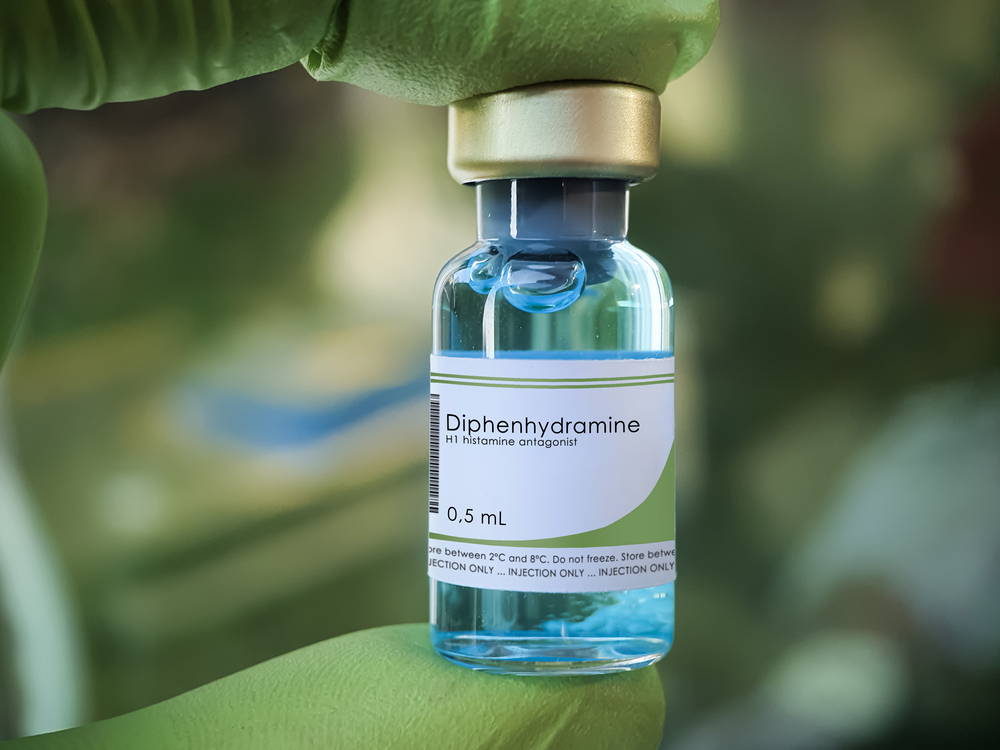
As a versatile antihistamine, diphenhydramine is often utilized to alleviate acute allergy symptoms, manage itching, or help reduce nausea associated with motion sickness. In a clinical setting, your veterinarian might even use an injectable form of Benadryl to help prevent vaccine reactions during an annual visit.
Because dosage and administration can vary significantly based on your dog's size and health history, using Benadryl under professional guidance is key. When choosing a product, always ensure it is plain Benadryl without added ingredients like decongestants, which can be toxic to dogs.
It's also important to recognize that Benadryl is often less effective for chronic skin itchiness. This is because long-term allergies are often driven by different "chemical messengers" in the body that Benadryl simply isn't designed to stop. While it works great for a sudden bee sting (a histamine reaction), chronic itching usually requires a different type of treatment to address the root cause. Therefore, a veterinarian should always be consulted to determine the most appropriate treatment to keep your dog healthy.
While Benadryl can be a helpful addition to your pet health toolkit, ask your veterinarian to provide the exact dosage for your unique pet to ensure their safety and well-being.
How much Benadryl can I give my dog?
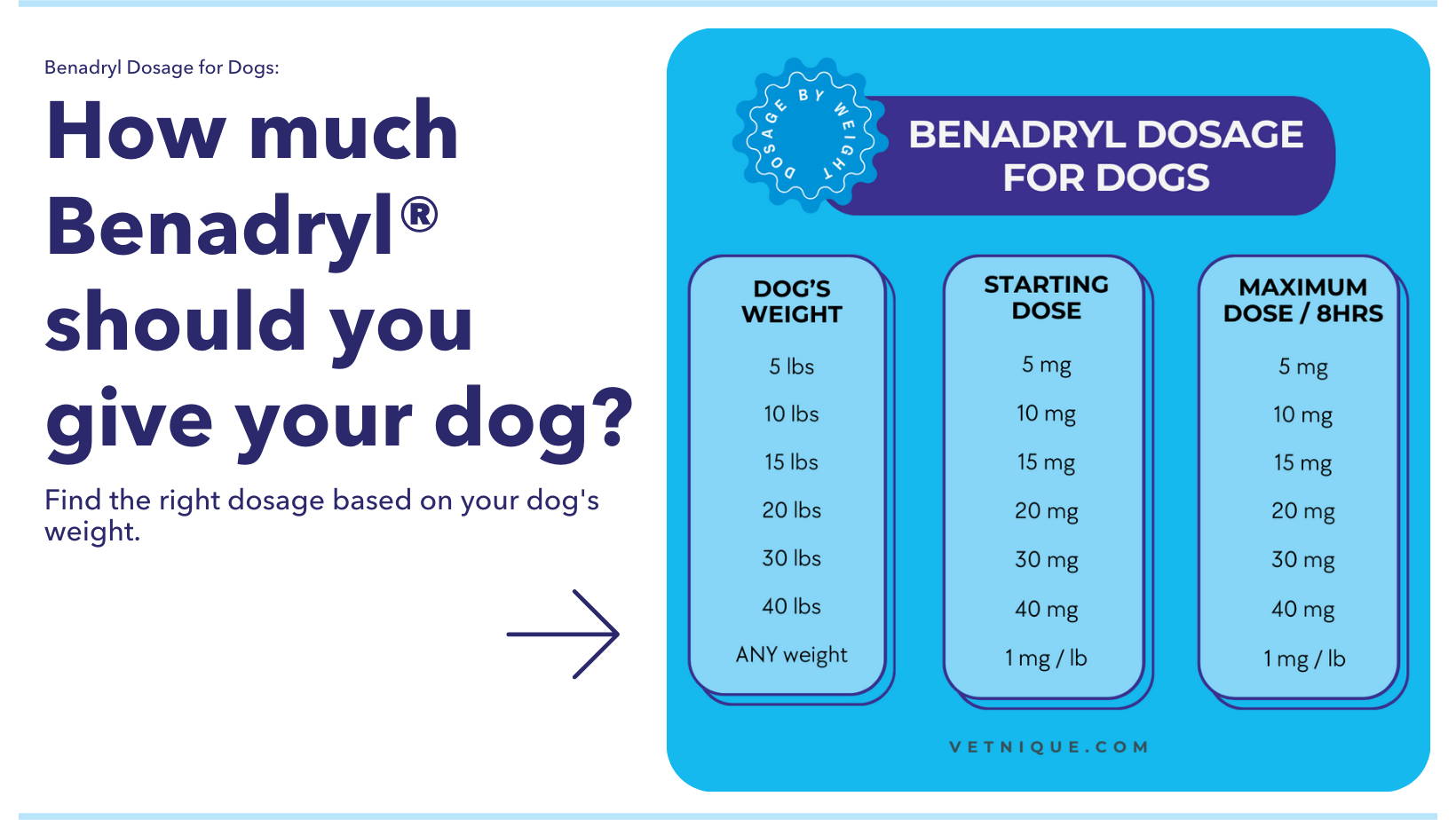
Both the appropriate dosage and the practical dose of Benadryl must be accurately calculated based on your dog's weight, and consulting your veterinarian is the only way to establish the safest individual dose. The standard recommended Benadryl dose for dogs typically falls between 1 to 2 milligrams per pound of your dog's body weight.
For example, if your dog weighs 20 pounds, an appropriate dosage would be 20 to 40 milligrams of Benadryl. This proper Benadryl dose is generally administered two to three times daily, every 8 to 12 hours, as directed by a professional.
Benadryl dosage for dogs by weight (lbs) chart
The correct Benadryl dosage for dogs should be based on your dog's weight. A simple rule of thumb is to give 1 mg of Benadryl per 1 lb of body weight every 8 to 12 hours. This simple 1:1 dosage is easy to remember, but you can always ask your vet if you're unsure about the correct dosage.
| Dog Weight (lbs) | Benadryl Dosage (mg) | Common Tablet Equivalent |
|---|---|---|
| 10 lbs | 10 mg | Approx. 1/2 of a 25mg tablet |
| 25 lbs | 25 mg | One 25mg tablet |
| 50 lbs | 50 mg | Two 25mg tablets |
| 75 lbs | 75 mg | Three 25mg tablets |
Liquid Benadryl dosage formula for dogs
Liquid Benadryl remains a practical option for many owners, provided there is a commitment to precision. Always work with your veterinarian to confirm the correct dosage and guarantee your pet's safety.
Liquid Benadryl is typically available in a concentration of 12.5 milligrams per teaspoon (5 ml). For a 20-pound dog, the targeted amount would be 20 to 40 milligrams. When utilizing over-the-counter options, it is imperative to use only children's formulas, as adult liquid formulas often contain alcohol, which is toxic for dogs.
To apply this formula to liquid Benadryl: a 20-pound dog requiring 20 to 40 milligrams would translate to approximately 1.6 to 3.2 teaspoons (or 8 to 16 ml) of liquid Benadryl.
Recognizing Benadryl overdose & toxicity
Determining the precise dog Benadryl dosage is critical, as exceeding the standard range of 1 to 2 mg per pound can lead to serious clinical complications. A Benadryl overdose in dogs is a distressing emergency that requires immediate veterinary intervention.
Watch for warning signs of toxicity, including:
- Extreme hyper-excitability or agitation
- Rapid or irregular heart rate
- Labored or slowed breathing
- Seizures or tremors
- Severe facial swelling or hives
At Vetnique, we advocate for a proactive, informed approach to pet health. While Benadryl can provide targeted relief for acute issues, always consult your veterinarian to identify any pre-existing health conditions or potential drug interactions. This ensures you can make a science-backed decision that prioritizes your dog's safety and long-term quality of life.
Is Benadryl for dogs the best option to treat allergies?
While Benadryl for dogs is a common choice, it may not always be the ultimate solution for every pet. Prescription medications can often work better than Benadryl for treating chronic allergies in dogs. For some dogs, alternative antihistamines like Zyrtec (cetirizine) or Loratadine (Claritin) may be more effective.
In most cases, Benadryl is a safe choice to alleviate allergic symptoms, provided you use a tailored dog Benadryl dosage determined by a professional. For comprehensive management of dog allergies, medicated shampoos, wipes, sprays and omega-3 supplements are also highly effective alternatives.
Understanding potential side effects of Benadryl for dogs
While Benadryl is a go-to for many pet parents facing a 'paws-itively' itchy situation, it is essential to monitor your dog for both common and "paradoxical" reactions.
Common side effects & symptoms
Although the risk of severe adverse reactions is typically low when following veterinary guidance, you may notice the following:
- Drowsiness or lethargy: A frequent result of the medication's sedative properties, leading to lower energy levels.
- Dry mouth: A common clinical side effect that may cause your dog to drink more water than usual.
- Gastrointestinal upset: Some pets may experience temporary vomiting or diarrhea as their system adjusts.
- Paradoxical agitation: Interestingly, some dogs experience the opposite of sedation, exhibiting unusual hyperactivity, rapid heart rate, or abnormal agitation.
- Disorientation: This may manifest as "wobbliness," unsteadiness, or a general lack of coordination while moving.
Precautions and interactions
Before you give your dog Benadryl, it is imperative to understand the necessary precautions and potential interactions with other pharmaceutical agents. Dog Benadryl can interact with a variety of other medications, including epinephrine, tranquilizers, and antifungals. These combinations may significantly increase the risk of adverse reactions. If your pet is currently taking any other medications, always inform your veterinarian to prevent unwanted or dangerous drug interactions.
We also need to be extra cautious with certain pets, as Benadryl isn't a safe fit for everyone. Pets with specific pre-existing health conditions, such as high blood pressure, glaucoma, or heart disease, should not be given Benadryl unless specifically directed by a veterinary professional. If you have a nursing or pregnant mama dog at home, check in with your vet before reaching for the medicine cabinet.
After you give your dog Benadryl, monitor them closely for any signs of adverse reactions, including agitation, excessive excitement, seizures, or difficulty breathing. If you observe any of these symptoms, contact your veterinarian immediately. Adhering to these precautions ensures that Benadryl remains a safe and effective component of your dog's allergy management plan.
Benadryl alternatives for dog allergies
While Benadryl is a trusted tool for managing acute discomfort, it isn't the only path to relief. We always recommend that dog owners consult their veterinarian to determine the most appropriate treatment for their dog's allergies. Understanding these science-backed alternatives allows for a more tailored approach to your pet's long-term health:
- Prescription antihistamines: Designed specifically for veterinary use, these can provide more precise relief with fewer side effects than over-the-counter options.
- Apoquel®: This prescription medication targets the root cause of allergic itch at the cellular level, rapidly reducing inflammation and scratching when standard antihistamines fall short.
- Steroids: In severe or acute cases, corticosteroids like prednisone may be used under strict veterinary guidance to provide rapid relief from intense inflammation.
- Hyposensitization therapy: A long-term strategy that involves administering gradually increasing doses of specific allergens to desensitize the immune system over time.
- Dietary changes: Some pets benefit from switching to a hypoallergenic or limited-ingredient food, helping manage dog allergies from the inside out by removing potential food-based triggers.
- Topical treatments: For localized relief, veterinarians often recommend specialized medicated shampoos, sprays, or wipes to soothe irritated skin and physically remove allergens from the coat.
Conclusion: Can dogs have Benadryl?
While Benadryl for dogs can provide relief from allergies and discomfort, knowledge and caution are key to ensuring your pet's safety. Precise dosing, under the clinical guidance of a veterinarian, is essential to ensure your canine family member reaps the benefits of this treatment while avoiding potential pitfalls like overdose or adverse drug interactions. By prioritizing professional oversight and science-backed information, you can confidently support your dog's health and quality of life.