

When you see your dog scratching, your first instinct might be to check for fleas. But fleas are only one of several possible causes of itching and hair loss in dogs. Allergies, infections, and other parasites can all contribute to excessive scratching and coat damage. The good news is that most skin issues are treatable with a proper diagnosis and appropriate treatment plan. This guide covers the common causes of canine itching and hair loss, symptoms to watch for, diagnostic approaches, treatment options, and prevention strategies.
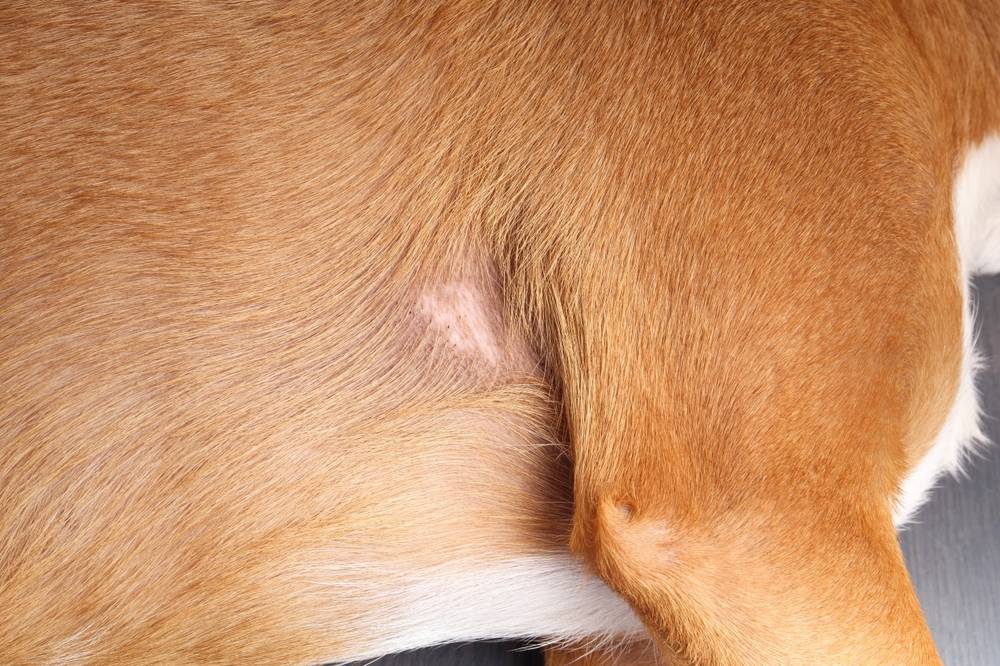
What Causes Itching and Hair Loss in Dogs?
A dog's fur serves as both insulation and protection from environmental elements, so identifying the cause of itching and hair loss is important for your pet's health.
Allergies
In dogs, allergies work similarly to how they do in humans. When a dog is exposed to allergens such as pollen, dust mites, mold, or certain foods, their immune system identifies the allergen as harmful and releases histamines in response. Histamines cause blood vessels to expand, leading to swelling of skin structures and itching.
Bacterial or fungal infection
Bacterial and fungal infections are common in dogs and can affect their skin, ears, and other parts of the body. Infections are often easier to diagnose than allergies because they frequently produce visible signs like lesions and redness in addition to hair loss. Beyond overgrowth of normal skin bacteria, bacterial and fungal infections can be picked up from a dog's environment and require a veterinary exam and diagnostic testing to achieve a diagnosis and determine appropriate treatment.
Fleas, ticks, lice, or parasites
External parasites are plentiful in outdoor environments, especially grassy and wooded areas. Since most dogs spend time outside regularly, they are likely to encounter fleas, ticks, and other biting insects. Because these parasites can also spread diseases, it is important to use veterinary-prescribed topical or oral flea, tick, and heartworm preventatives.
Symptoms Associated with Hair Loss and Scratching in Dogs
Symptoms vary depending on the underlying cause. Here is how itching and hair loss present across the most common conditions.
Environmental allergies
Environmental allergies typically cause chewing, licking, and scratching that affects the paws, ears, and belly. Red or inflamed skin is common, particularly in areas where the dog licks or scratches. Hair loss or thinning tends to appear around the paws, undersides of the chest and abdomen, armpits, and groin.
Food allergies
Food allergies cause chewing, licking, and scratching that is sometimes accompanied by gastrointestinal symptoms like vomiting or diarrhea. Skin inflammation often appears around the face and anus, though any accessible body part can be affected as the mouth and tongue spread food allergens across the skin. Hair loss or thinning in specific areas is typically related to chronic scratching or biting.
Bacterial skin infections
Bacterial infections present with red, inflamed skin along with pustules or brown and tan crusts from dried-out pustules. Chewing, licking, and scratching often lead to hair loss, and affected areas may produce a foul odor.
Fungal skin infections
Fungal infections typically produce circular patches of hair loss with a red, inflamed border. Itching or mild discomfort is common, along with flaky or scaly skin in the affected areas.
Parasites: fleas
Flea infestations cause intense itching around the tail, neck, and along the back, with or without visible fleas on the skin surface. Red, inflamed skin and patchy hair loss are common, especially where the dog scratches or bites. Look for flea dirt — black specks of dried blood that dissolve and turn light orange-red when dabbed with a moist, light-colored cloth. Secondary skin infections or hot spots may develop from excessive scratching.
Parasites: ticks
Ticks are often visible on the skin, particularly around the face, ears, between the toes, or any area that contacts brush where ticks wait to attach. Red, inflamed skin develops around the bite site, and itching, chewing, and licking are common if the tick is in a sensitive area.
Parasites: mites
Mites cause patchy hair loss, usually around the eyes, mouth, and legs. Intense itching is typical, with hair loss in patches around the ears, elbows, and abdomen.
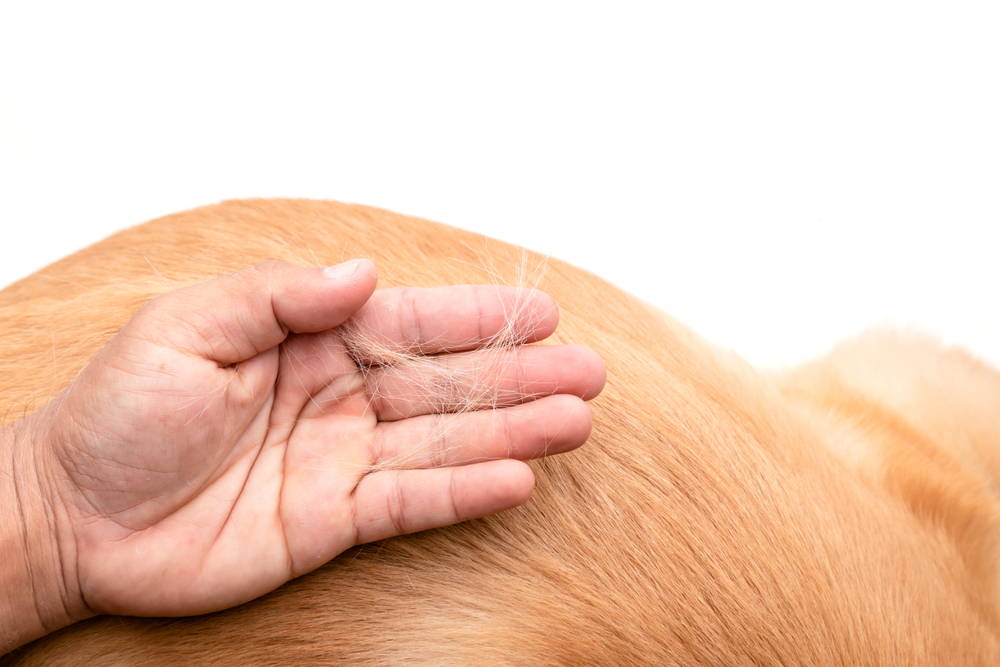
What to Do If Your Dog Is Itchy and Losing Hair
When a dog presents with itching and hair loss, the first questions a veterinarian will typically ask are: How long has this been happening? Has the dog been in any new environments? Have there been any recent food or treat changes? Are there any patterns associated with the itching? As a pet owner, the best thing you can do when symptoms appear is to observe and document them carefully.
Veterinary evaluation
A veterinary exam for itching and hair loss typically begins with checking for signs of infection such as redness, swelling, and pustules, as well as the presence of fleas and ticks. The veterinarian will feel the skin for mass-like lesions or unusual textures. Depending on the findings, they may recommend diagnostic tests such as skin impression smears or scrapings for cytology, bacterial or fungal cultures, blood testing for internal organ function, or allergy testing. Treatment may include oral, topical, or injectable medications such as antibiotics, anti-fungals, antihistamines, anti-parasitics, steroids, allergy immunotherapy, or itch-reducing treatments. If food allergies are suspected, an elimination diet may be recommended.
Skin tests
Skin scrapings analyzed under a microscope can reveal what type of bacterial or fungal infection may be contributing to the symptoms. Swabs of the skin surface or discharge may be sent to a laboratory for bacterial or fungal culture. In other cases, intradermal allergy testing — which involves injecting small amounts of allergens into the skin to observe reactions — may be recommended.
Blood tests
Blood tests help identify systemic issues, infections, and allergic reactions. A Complete Blood Count (CBC) assesses red blood cells, white blood cells, and platelets. Chemistry panels evaluate internal organ function and can detect metabolic disorders that may contribute to skin issues. Cushing's Disease (Hyperadrenocorticism) and Hypothyroidism are the two most common metabolic disorders associated with abnormal skin and coat health. Serum allergy testing can also help determine a dog's sensitivity to specific allergens, though intradermal skin allergy testing is generally considered more precise. Additional tests may include thyroid function panels and heartworm testing.
Treatment Options for Itching and Hair Loss in Dogs
After consulting with a veterinarian and establishing a diagnosis, many conditions can be managed at home. Fleas, ticks, mites, and parasites respond well to topical medications as well as shampoos and sprays with anti-pest ingredients. For allergies, antihistamines or corticosteroids can be tried under veterinary guidance. Skin infections can be treated with topical or oral antibiotics or anti-fungals, or with medicated shampoos formulated to treat infection.
Home Remedies for Itching and Hair Loss
Start with a maintenance routine to keep your dog's skin and coat clean. Pet wipes can help remove infection-causing grime between baths. Regular brushing with a de-shedding brush removes loose fur and debris and promotes a healthy coat.
To soothe irritated skin, use an anti-itch shampoo with active medicated ingredients that alleviate itching while gently cleansing to remove excess oil and skin crusts. For bacterial and fungal infections including ringworm, a veterinarian-formulated anti-bacterial and anti-fungal shampoo can treat the infection while supporting healthy skin. For dogs dealing with seasonal allergy symptoms, a daily allergy health supplement can help support skin comfort from the inside out.
Tips for Preventing Itchy Skin in Dogs
Regular grooming is one of the most effective ways to reduce excessive itching and scratching. Give your dog regular baths and routinely brush their coat to remove allergens, debris, and loose fur. If your dog spends time outside, use veterinary-prescribed oral or topical flea and tick prevention to protect their skin and coat. Address allergies by identifying triggers and avoiding them, whether environmental or food-related. Keep your home clean and free of dust, mold, and other allergens by vacuuming regularly, washing carpets, pet beds, and upholstery, and maintaining air filtration systems. Regular veterinary checkups help catch skin issues early before they progress.
Itching and hair loss in dogs can have many causes, but most are treatable with the right approach. A veterinary diagnosis is the essential first step, and from there, a combination of prescribed treatments, home care, and preventive measures can help your dog stay comfortable and maintain a healthy coat. Explore the full DermaBliss skin and allergy collection for products that support skin health.