

A runny nose in dogs can range from a harmless sniffle to a sign of something more serious. As a veterinarian, I have encountered many cases where nasal discharge has left owners concerned and looking for answers. A dog's nose is a vital part of their sensory system, and when it starts running, it can indicate a variety of underlying issues. Here is what to know about the common causes, what nasal discharge characteristics mean, how veterinarians diagnose the problem, and the treatment options available.

Common Causes of Nasal Discharge in Dogs
Allergies
Allergies are a common cause of a runny nose in dogs. Just as in humans, dogs can be allergic to pollen, dust mites, mold, or certain foods. When exposed to allergens, the nasal passages can become inflamed, leading to excessive mucus production and discharge. In addition to nasal symptoms, allergic dogs may also experience itching, redness, and skin irritation. These symptoms often occur seasonally or in response to specific triggers, which helps veterinarians differentiate between allergies and other causes.

Environmental Irritants
Strong odors such as smoke, perfume, cleaning chemicals, and essential oils can irritate a dog's nasal passages and cause discharge. This sensitivity is particularly common in brachycephalic breeds (flat-faced breeds with shortened nasal passages), as their nasal anatomy makes them more susceptible to respiratory irritation. Using pet-safe cleaning products, avoiding smoking indoors, and providing adequate ventilation can help reduce nasal irritation.
Nasal Blockage
A foreign object lodged in the nasal passage can obstruct normal mucus drainage and cause discharge. Common objects include grass seeds, small toys, or bits of food that dogs may accidentally inhale. If you suspect a nasal blockage, do not attempt to remove it yourself, as this can worsen the situation or cause tissue damage. Seek veterinary attention for safe removal.
Bacterial, Fungal, or Viral Infections
Infections are a frequent cause of nasal discharge in dogs. Common bacterial infections affecting nasal health include Bordetella bronchiseptica (which can lead to kennel cough) and Staphylococcus aureus (which may cause sinusitis or rhinitis). Fungal infections such as aspergillosis or cryptococcosis can also affect the nasal cavities, especially in dogs with weakened immune systems or chronic respiratory conditions. Viral infections like canine influenza virus (CIV) or parainfluenza virus can cause respiratory symptoms including nasal discharge, coughing, and sneezing.
A less common but possible cause is nasal mite infection (Pneumonyssoides caninum). The most common symptom of nasal mites is sneezing, though nasal discharge is frequently seen as well.
Structural Abnormalities

Anatomical issues such as a deviated septum or cartilage abnormalities can contribute to chronic nasal discharge. Brachycephalic breeds — such as Bulldogs, Pugs, and Boxers — are predisposed to these structural issues due to their shortened nasal passages. These abnormalities can lead to breathing difficulties, snorting sounds, and persistent discharge, and may sometimes require surgical intervention to improve airflow.
Canine Distemper
Canine distemper is a serious viral infection that can cause nasal discharge along with a range of other symptoms. It affects multiple organ systems including the respiratory tract, gastrointestinal tract, and nervous system. Vaccination is the most effective way to prevent canine distemper. Ensuring your dog is up-to-date on vaccinations, practicing good hygiene, and minimizing contact with infected animals are essential preventive measures.
Nasal or Sinus Inflammation
Inflammation of the nasal or sinus tissues can result from infections, allergies, or environmental irritants. Chronic inflammation can lead to persistent nasal discharge, congestion, and discomfort. Management typically involves identifying and addressing the underlying cause, providing symptomatic relief with medications, and maintaining a clean environment.
Accompanying Symptoms to Watch For
A runny nose on its own may be minor, but certain accompanying symptoms can indicate a more serious underlying condition. Watch for lethargy (lack of energy may indicate a systemic illness), frequent sneezing (nasal irritation or allergies), wheezing (may suggest asthma or bronchitis and should be evaluated immediately), nosebleeds or epistaxis (could indicate nasal masses or bleeding disorders such as low platelet levels), persistent coughing (may point to respiratory infections like kennel cough, allergic bronchitis, or heart conditions), labored breathing (a sign your dog is struggling to get oxygen — this is a medical emergency), and decreased appetite or reluctance to eat (may indicate discomfort or illness).
What Nasal Discharge Characteristics Tell You
The appearance of your dog's nasal discharge provides valuable clues about the underlying cause.
Color. Clear or slightly white discharge is often associated with allergies or viral infections. Yellow or greenish discharge may indicate a bacterial infection. Bloody discharge can result from nasal trauma or serious underlying conditions including nasal masses.
Consistency. Thin, watery discharge is common with allergies or viral infections. Thicker, mucus-like discharge may suggest a bacterial infection. Pay attention to any changes in consistency over time.
Odor. Normal nasal discharge is usually odorless or has a mild scent. Foul-smelling discharge can indicate infection, especially when accompanied by other symptoms like sneezing, coughing, or lethargy.
How Veterinarians Diagnose a Dog's Runny Nose
When evaluating a dog's nasal discharge, veterinarians use several diagnostic approaches depending on the suspected cause. A thorough physical examination assesses overall health, examines the nasal passages for abnormalities, and checks for other symptoms that provide diagnostic clues. Nasal endoscopy uses a specialized camera instrument to visualize the nasal passages internally, helping identify abnormalities, foreign bodies, or signs of inflammation. Imaging studies such as X-rays, CT scans, or MRI scans may be recommended to evaluate the nasal cavity, sinuses, and surrounding structures for abnormalities, tumors, or foreign bodies. If a bacterial or fungal infection is suspected, a nasal swab culture can identify the specific pathogen and guide treatment. Allergy testing through skin tests or blood tests can identify specific allergens triggering your dog's reactions.
Treatment Options
Treatment depends on the underlying cause identified through diagnostic evaluation.
Medication. Depending on the diagnosis, your veterinarian may prescribe antibiotics for bacterial infections, antifungals for fungal infections, antihistamines for allergies, or decongestants to alleviate nasal congestion.
Surgical intervention. In cases of nasal blockages, structural abnormalities, or nasal tumors, surgery may be necessary to remove obstructions, correct anatomical issues, or address underlying conditions.
Allergy management. For dogs with allergies, treatment may include allergen avoidance strategies, medication, immunotherapy (allergy shots), or supplementation. DermaBliss Advanced Seasonal Allergy Health Chews can provide daily allergy and immune support as part of a broader management plan. Browse the full DermaBliss allergy and skin care collection for additional options.
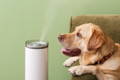
Supportive care. At-home supportive care includes maintaining a clean environment with minimal allergens, using a humidifier to ease nasal congestion, and ensuring proper hydration and nutrition. Many dogs with a runny nose may not ultimately need treatment, but a veterinary evaluation is always recommended to rule out more serious causes.
Preventing Nasal Issues in Dogs
While some causes of nasal discharge are unavoidable, several preventive measures can help reduce the risk. Schedule regular veterinary checkups to monitor overall health and catch potential issues early. Ensure your dog is up-to-date on essential vaccinations including those for distemper, kennel cough, and other respiratory infections. Create a pet-friendly environment by minimizing exposure to allergens and irritants, avoiding smoking indoors, using pet-safe cleaning products, and maintaining good indoor air quality. Promote a healthy lifestyle through regular exercise, balanced nutrition, and appropriate weight management, as obesity and poor health can worsen respiratory issues.