

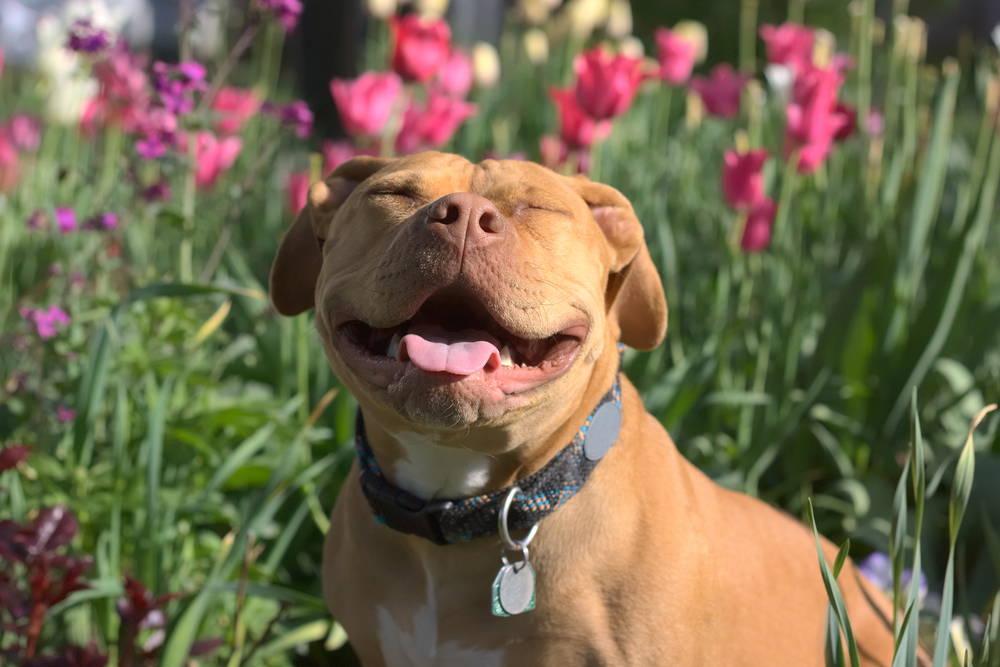
Pit bulls are loyal, energetic, and affectionate dogs — but if you are a pit bull parent, you likely already know that skin problems come with the territory. Breeds under the pit bull umbrella are among the most predisposed to skin allergies and skin conditions of any dog group. Understanding what causes these issues and how to manage them can make a significant difference in your pit bull's comfort and quality of life.
What Is a Pit Bull?
The name "pit bull" is not technically a single breed. It is an umbrella term used to describe a group of breeds that share certain physical characteristics. Breeds under this umbrella include the American Staffordshire Terrier, American Pit Bull Terrier, Staffordshire Bull Terrier, and American Bully. The American Bulldog is sometimes included as well.
All of these breeds share a genetic predisposition to skin sensitivity, which is why "pit bull skin allergies" is such a common concern among pet parents. The skin conditions that affect pit bulls range from food and environmental allergies to parasitic reactions and hereditary disorders.
Why Skin Health Matters
Skin is the body's largest organ. In pit bulls, healthy skin plays a vital role in regulating body temperature, protecting against infections, and serving as an early indicator of underlying health conditions. When the skin barrier is compromised by allergies, parasites, or hereditary conditions, it creates a cycle where irritation leads to scratching, scratching damages the skin further, and damaged skin becomes vulnerable to secondary infections with bacteria and yeast. For a comprehensive overview of how allergies affect dogs, see our guide to allergies in dogs.
Common Skin Conditions in Pit Bulls
Not every pit bull will struggle with skin conditions, but the chances are higher than in many other breeds. The most common categories of pit bull skin issues include food allergies, environmental allergies, flea allergic dermatitis, and hereditary conditions.
Food allergies
Food allergies are one of the most frequent causes of pit bull skin problems. The most common food allergens in pit bulls are chicken, beef, dairy, and wheat. Symptoms of a food allergy include itching (chewing, licking, scratching), redness and inflammation, hair loss, and predisposition to secondary infections with bacteria and yeast.
If you suspect a food allergy, a veterinarian-supervised food elimination trial is the most reliable way to identify the specific trigger. This involves feeding a diet with a single novel protein source — such as venison, duck, or other less common proteins — for a set period to see if symptoms improve. Limited-ingredient and hydrolyzed protein diets can also reduce the risk of triggering allergic reactions. These diets are generally veterinary prescribed and best used under the guidance of a general practice veterinarian or veterinary dermatologist.
Environmental allergies
Environmental factors like pollen, dust mites, and mold can contribute to pit bull skin issues. Unlike food allergies, which tend to cause year-round symptoms, environmental allergies often follow seasonal patterns — worsening in spring and fall when pollen levels are highest.
Seasonal changes can exacerbate environmental allergies in pit bulls. Preventive measures your veterinarian may recommend include antihistamines, itch-reducing medications (injectable lokivetmab and oral oclacitinib), and immunotherapy (allergy injections or oral therapies). For a detailed guide to managing seasonal allergy symptoms, see our article on spring allergy treatments for dogs.
Regular grooming — including bathing with a gentle or medicated shampoo, brushing, and wiping down the skin after outdoor exposure — helps minimize contact with environmental allergens. Keeping your home clean, using air purifiers, and avoiding areas with high pollen levels during peak seasons further reduces exposure.
Flea allergic dermatitis
Fleas are a nuisance for any dog, but for pit bulls with sensitive skin, even a single flea bite can trigger flea allergic dermatitis (FAD). This is an allergic reaction to proteins in flea saliva that causes intense itching, redness, and irritation — often disproportionate to the number of fleas present.
Preventive measures are essential: regular flea treatments, maintaining a clean indoor environment, and treating outdoor areas where fleas breed. Neem oil, diatomaceous earth, and nematodes (small organisms that interrupt flea egg and larval life stages) are additional options for outdoor flea control. Consult your veterinarian for guidance on safe and effective flea prevention strategies tailored to your pit bull's needs.
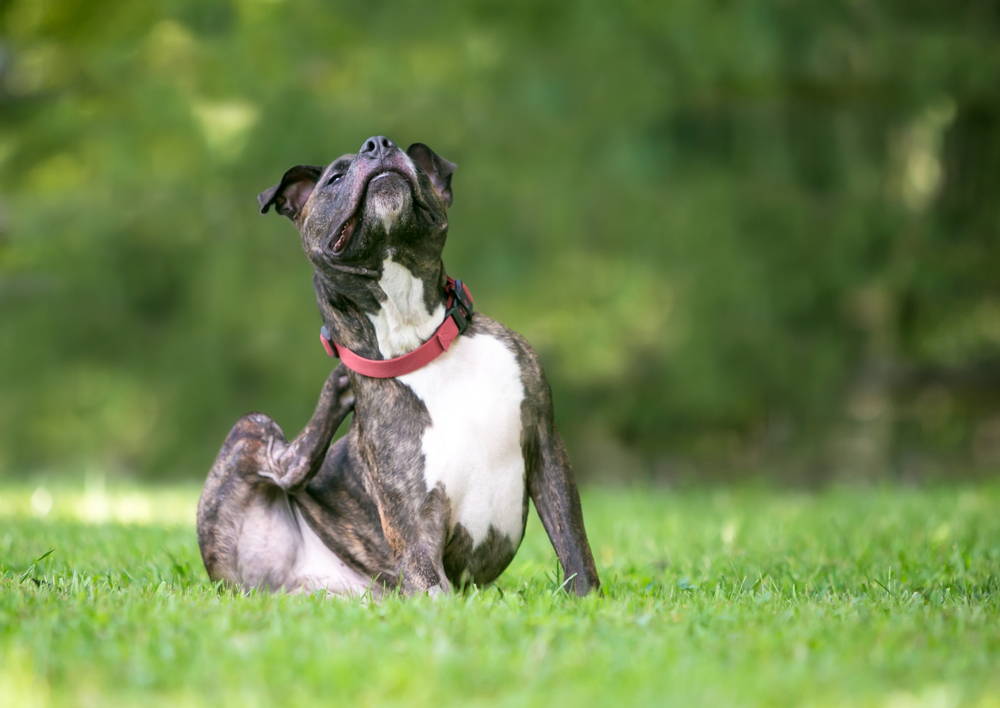
Hereditary and Breed-Specific Skin Disorders
In addition to allergies, pit bulls can be affected by hereditary skin conditions that are more prevalent in these breeds. While these conditions cannot be cured, their symptoms can be managed with proper veterinary care.
Zinc-responsive dermatosis
Some pit bulls develop zinc-responsive dermatosis, a condition where they have difficulty absorbing zinc from their diet. This can lead to skin lesions, hair loss, and increased susceptibility to infections. Consulting with a veterinary nutritionist can help formulate a diet rich in bioavailable zinc sources, and zinc supplementation may be recommended under veterinary supervision.
Sebaceous adenitis and follicular dysplasia
Sebaceous adenitis is an inflammatory condition affecting the oil-producing glands of the skin, while follicular dysplasia involves abnormal development of hair follicles. Both conditions can cause hair loss, scaling, and changes in skin texture. Genetic testing can help identify predispositions to these conditions, and early detection allows for proactive management and tailored treatment plans.
Parasitic infestations
Beyond fleas, parasites like flies, mites, and ticks can cause varying degrees of itching and irritation in pit bulls and may transmit diseases. Regular parasite prevention and veterinary examinations are essential for keeping parasitic skin issues under control.
Secondary infections
Pit bull skin allergies can lead to secondary infections with bacteria, yeast, and in some cases viruses if left untreated. When the skin barrier is damaged by scratching and inflammation, it becomes vulnerable to opportunistic organisms. Prompt diagnosis and treatment are essential to prevent complications and promote healing.
Managing Your Pit Bull's Skin Health
Maintaining your pit bull's skin health requires a consistent, multi-pronged approach that addresses diet, grooming, environment, and supplementation.
Diet and nutrition
Feed a high-quality dog food that meets your pit bull's nutritional needs and avoids known allergens. For pit bulls with confirmed food sensitivities, novel protein sources like venison and duck can be beneficial. Limited-ingredient and hydrolyzed protein diets are best used under veterinary guidance. Consult your veterinarian or a veterinary dermatologist for dietary recommendations specific to your pit bull's allergy profile.
Daily allergy support
DermaBliss Advanced Seasonal Allergy Health Chews provide daily support with ingredients including quercetin and bovine colostrum (natural antihistamine properties), omega fatty acids (reduce inflammation and support the skin barrier), and probiotics (support digestive and immune health). For pit bulls dealing with ongoing skin sensitivity, consistent daily supplementation helps manage the immune response before symptoms escalate.
Grooming routine
Regular grooming is one of the most effective pit bull skin care practices. A consistent routine should include:
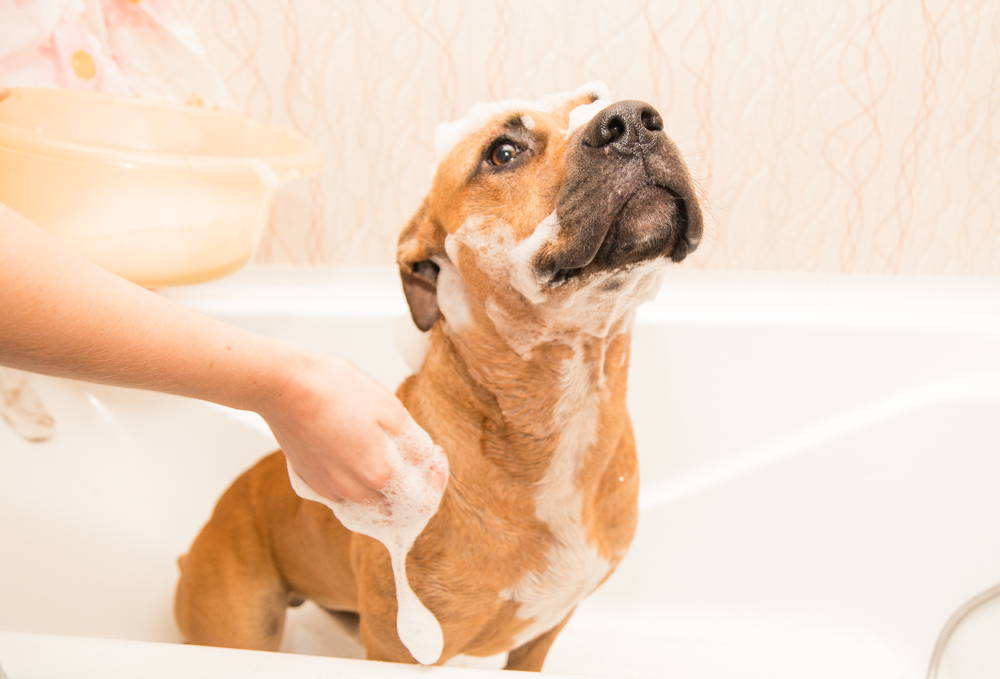
- Bathing — DermaBliss Anti-Itch Shampoo contains aloe vera, oatmeal, and pramoxine to soothe irritated skin, remove allergens, and restore the skin barrier. Bathe more frequently during allergy season or after heavy outdoor exposure.
- Wiping down after outdoor play — DermaBliss Face & Skin Wipes remove surface allergens from the face, paws, and skin folds before they trigger a reaction. This is one of the simplest and most effective daily habits for pit bull allergy management.
- Quick itch relief — For areas that are already irritated, DermaBliss Anti-Itch Spray provides targeted relief and helps disinfect inflamed skin.
- Skin examinations — Incorporate regular skin checks into your grooming routine. Pay attention to changes in texture, color, smell, or temperature, and look for lumps, lesions, or areas of hair loss.
Environmental management
Minimize allergen exposure in your home by vacuuming regularly, using air purifiers, and maintaining proper ventilation. Hypoallergenic bedding, allergen-proof covers for your pit bull's bed, and washable toys can significantly reduce indoor allergen levels. During peak pollen seasons, limit outdoor time during high-pollen hours and wipe your pit bull down immediately after coming inside.
Treatment Options
Treatment for pit bull skin allergies and skin conditions varies based on the specific diagnosis. Options your veterinarian may recommend include:
- Antihistamines — for mild to moderate allergy symptoms
- Anti-itch medications — such as oclacitinib (Apoquel) for targeted itch relief or lokivetmab (Cytopoint) injections that block the itch signal for several weeks
- Immunotherapy — allergy injections or oral therapies that desensitize the immune system to specific allergens over time
- Topical treatments — medicated shampoos, sprays, and wipes to manage symptoms and prevent secondary infection
- Dietary changes — elimination diets to identify and remove food allergens
- Allergy testing — to identify specific environmental triggers and guide immunotherapy
For advanced skin conditions or severe allergies, additional treatment modalities such as laser therapy or specialized dermatological procedures may be recommended. Supplements including omega-3 fatty acids and probiotics support skin health alongside other treatments. Herbal ingredients like chamomile, calendula, and aloe vera can soothe irritated skin when used in appropriate formulations.
When to See the Vet
Consult your veterinarian if you notice:
- Persistent itching, chewing, licking, or scratching that does not improve with basic care
- Skin lesions, hot spots, or areas of raw or bleeding skin
- Hair loss that is spreading or not regrowing
- Recurring ear infections alongside skin symptoms
- Unusual changes in skin color, texture, smell, or temperature
- Lumps, bumps, or lesions that appear suddenly or grow over time
Early intervention improves the outcome for most pit bull skin conditions. Delaying veterinary care can lead to worsening symptoms, secondary infections, and more complex treatment needs.
Pit bull skin allergies and skin issues are common, but they are manageable. With the right combination of diet, grooming, environmental management, supplementation, and veterinary partnership, your pit bull can live a comfortable, active life with healthy skin. The key is identifying the specific triggers affecting your dog and building a consistent care routine around them.