

A dog bleeding from the butt — whether from the anus, rectum, or anal sacs — is understandably alarming. The good news is that understanding what the blood looks like, where it is coming from, and how your dog is acting can help you determine how urgent the situation is and what to do next.
How to Assess the Bleeding
Before reacting, take a moment to observe. The amount, color, and location of the blood all provide clues about what is happening and how serious it may be.
Check the color of the blood
- Bright red blood — typically indicates a fresh bleed in the lower digestive tract, such as the rectum, anus, or anal glands. You may see it streaked on the surface of the stool or around the anal area
- Dark, tarry blood — suggests a problem higher up in the digestive system, such as the stomach or small intestine. When blood is digested before being passed, it turns dark. Dark tarry stool (sometimes called melena) generally warrants more urgent attention
Note where you see it
Blood on the surface of otherwise normal stool is different from blood mixed throughout the stool. Blood mixed into the stool can indicate a more severe issue further up the digestive tract and requires prompt veterinary evaluation.
Observe your dog's behavior
A dog that is bleeding but still eating, drinking, and acting normally is in a different situation than a dog that is lethargic, vomiting, refusing food, or has pale gums. The presence of additional symptoms significantly changes the urgency. For a visual reference on what different stool colors and consistencies mean, see our dog poop color chart.
Common Causes of Rectal Bleeding in Dogs
There are several reasons a dog may bleed from the rear. Each one warrants veterinary evaluation to ensure an accurate diagnosis.
Anal gland problems
Anal gland issues are one of the most frequent reasons for a dog bleeding from the anus. Dogs have two small anal sacs located on either side of the anus at the 4 o'clock and 8 o'clock positions. These glands produce a scent-marking fluid that normally expresses during bowel movements.
When the anal sacs become impacted, the fluid thickens and builds up, causing pressure and discomfort. If impaction progresses, the glands can become abscessed — infected and swollen with pus — or rupture through the skin, producing visible blood and a foul-smelling discharge. Signs that bleeding is related to the anal glands include scooting, excessive licking of the rear end, and a strong odor from the anal area.
Perianal fistulas are another chronic condition involving painful, draining tracts in the skin around the anus. This condition is more common in certain breeds, particularly German Shepherds.
For a comprehensive look at how anal gland problems develop, the full range of conditions, and long-term prevention, see our guide to anal gland issues in dogs.
Dietary issues and food allergies
Dietary indiscretion — eating spoiled food, garbage, or things a dog should not be consuming — can irritate the intestinal lining and cause bleeding. Food allergies and sensitivities can also cause chronic gastrointestinal inflammation that leads to blood in the stool over time.
If your dog has recurring digestive upset alongside symptoms like itchy skin, ear infections, or paw licking, a food allergy may be an underlying factor. For more on how allergies affect dogs across multiple body systems, see our guide to allergies in dogs.
Intestinal parasites
Parasites such as roundworms, hookworms, whipworms, and giardia can damage the intestinal walls and intestinal lining, leading to bloody diarrhea. This is particularly common in puppies and dogs that spend time in areas with other animals. A fecal test from your veterinarian can identify which parasite is involved and guide treatment.
Trauma and foreign objects
Ingesting sharp objects — pieces of bone, sticks, or other foreign material — can cause physical trauma to the digestive tract as they pass through, resulting in bleeding. If you suspect your dog has swallowed something sharp, contact your vet immediately rather than waiting for it to pass.
Hemorrhagic gastroenteritis (HGE)
HGE causes sudden, severe bloody diarrhea and can lead to rapid dehydration. The exact cause is not always identified, but the condition requires immediate veterinary care. Dogs with HGE often become lethargic quickly and may need IV fluids and supportive treatment.
Blood clotting disorders
Conditions like von Willebrand's disease (an inherited disorder) or clotting problems caused by toxin exposure can lead to bleeding that is difficult for the body to stop on its own. If your dog's bleeding seems disproportionate to any visible injury, or if you notice bleeding from multiple sites, a clotting disorder may be involved.
Tumors
In older dogs, tumors in the rectum, colon, or anal area can cause chronic or intermittent bleeding. This is more common in senior pets and is one of the reasons regular veterinary checkups become increasingly important as dogs age.
When to Seek Veterinary Care
Any rectal bleeding warrants at least a call to your veterinarian. But certain situations require immediate, urgent care:
Go to the vet immediately if:
- The bleeding is heavy or your dog is actively bleeding
- The blood is dark and tarry
- Your dog has pale or white gums
- Your dog is vomiting repeatedly alongside the bleeding
- Your dog is lethargic, refuses food, or refuses water
- Your dog's abdomen appears bloated or painful
- A puppy has bloody diarrhea — puppies are at higher risk for dehydration and conditions like parvovirus
- You suspect your dog ingested a toxin or sharp foreign object
Schedule a vet visit within 24 hours if:
- You see a small amount of bright red blood on the surface of otherwise normal stool
- Your dog is acting fine but the bleeding has occurred more than once
- Your dog is scooting, licking their rear, or showing signs of anal gland discomfort alongside the bleeding
- You recently changed your dog's diet and suspect it may be related
What to Expect at the Vet
To establish a diagnosis, your veterinarian may recommend a combination of diagnostic tests depending on the symptoms:
- Fecal exam — checks for intestinal parasites
- Blood tests — assesses overall health status and checks for blood clotting disorders
- Rectal examination — evaluates the anal glands, rectum, and surrounding tissue
- Imaging (X-rays or ultrasound) — visualizes the digestive tract to check for foreign objects, masses, or structural problems
- Endoscopy or colonoscopy — in some cases, a direct examination of the intestinal lining is needed to identify conditions like inflammatory bowel disease or tumors
Treatment will depend on the diagnosis. It may include antibiotics for infections, anti-inflammatory medication, dietary changes, parasite treatment, or in more serious cases, surgical intervention.
Supporting Recovery at Home
If your veterinarian determines the cause is mild and prescribes at-home management, the following steps can support your dog's recovery:
Feed a bland diet
A bland diet of boiled, unseasoned chicken breast mixed with plain white rice can help rest the digestive tract while your dog recovers. Feed smaller meals more frequently, and transition back to regular food gradually over several days once stool returns to normal.
Support stool quality with fiber
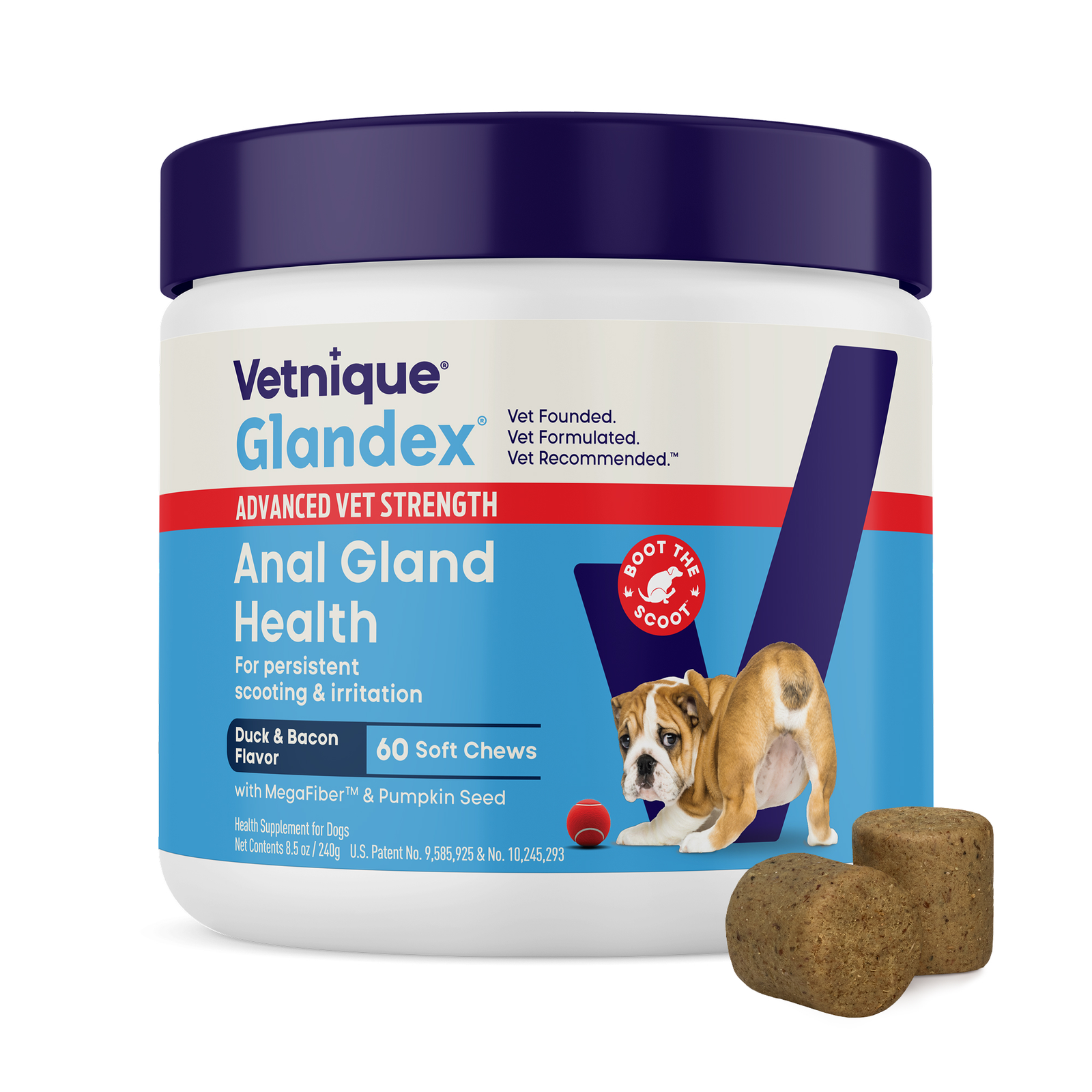
For bleeding related to anal gland issues, supporting firm stool is essential for prevention. Firm, bulky stool naturally presses against the anal sacs during bowel movements, helping them empty and reducing the buildup that leads to impaction and rupture. Glandex Soft Chews combine fiber, probiotics, and digestive enzymes to promote the stool quality that supports natural anal gland function. For dogs with chronic or more severe anal gland problems, Glandex Advanced Vet Strength Chews provide a higher concentration of active ingredients. For more on how to incorporate fiber into your dog's diet, see our guide on how to add fiber to your dog's diet.
Keep the area clean
Gently clean the anal area to reduce irritation and the risk of secondary infection. Glandex Wipes are formulated for perianal hygiene and can help keep the area clean between baths, especially important when the skin around the anus is inflamed or healing.
Support gut recovery
If the bleeding was related to digestive upset, parasites, or antibiotic treatment, Glandex Probiotic & Prebiotic Soft Chews can help restore the balance of beneficial gut bacteria during and after recovery.
Prevention and Long-Term Care
Many of the causes of rectal bleeding are preventable or manageable with consistent care:
- Maintain regular vet checkups — routine exams catch anal gland problems, parasites, and early-stage tumors before they cause bleeding
- Support firm stool with a balanced diet — adequate fiber in the diet promotes the stool consistency needed for natural anal gland expression and healthy bowel movements
- Keep up with parasite prevention — maintain your dog on a regular deworming and preventive schedule as recommended by your vet
- Supervise outdoor time — prevent your dog from eating garbage, spoiled food, sticks, or foreign objects that can damage the digestive tract
- Monitor the anal area during grooming — regularly inspecting your dog's stool and anal area helps you spot changes before they become emergencies
- Transition foods gradually — any diet change should happen over five to seven days to avoid digestive upset
Seeing blood from your dog's rear end is always worth attention. In many cases the cause is treatable, especially when caught early. If you notice your dog bleeding from the butt, contact your veterinarian for evaluation — timely intervention gives your dog the best chance at a quick recovery.
 ```
```