

Anal gland issues affect over 3 million dogs per year, making them one of the most common health problems for dogs and pet parents alike. While many anal gland problems are manageable, the stakes rise as dogs age. Senior dogs are more vulnerable to advanced conditions, including anal gland cancer (Anal Sac Adenocarcinoma) an aggressive disease where early detection is critical.
Understanding what anal gland cancer in dogs is, the risk factors, recognizing the warning signs, and actively supporting your dog's anal gland health can make a meaningful difference in outcomes, especially for dogs age 7 and older.
What Is Anal Gland Cancer in Dogs?
Dog anal gland cancer, clinically known as anal sac adenocarcinoma, is a type of cancer that develops in one or both of a dog's anal glands. It primarily affects middle-aged to senior dogs, and some studies suggest it is more prevalent in older female dogs. Certain breeds may also be more susceptible to the disease, including Alaskan Malamutes, German Shepherds, and some Spaniel breeds.
In addition to breed predisposition, risk factors for anal gland cancer include genetics, parasites, long-term obesity, a history of chronic anal gland issues, and food or environmental allergies.
Anal sac adenocarcinoma is an extremely aggressive form of cancer, which is why early detection is essential. Tumors in one or more anal glands can be surgically removed, but if the cancer has spread to the lymph nodes, surgery and recovery become significantly more complicated. For senior dogs with other health conditions, the stakes are even higher. For a broader overview of how anal glands work and what causes problems, see our guide on anal gland issues in dogs.
Signs of Anal Gland Cancer in Senior Dogs
One of the most challenging aspects of anal gland cancer is that its symptoms closely resemble common anal gland problems. If your senior dog (age 7 and above) is showing any of the following signs, do not wait — have them evaluated by your veterinarian promptly.
1. Scooting
Your dog will drag their rear across the floor to try to relieve painful pressure and itching caused by swollen anal glands.
2. Licking and biting
Senior dogs may constantly lick the anal area in an attempt to soothe inflammation and itching. They may also appear to nip at their hindquarters or chew below the base of the tail where pain is present.
3. Constipation
Even if your dog is not typically prone to constipation, swollen anal glands can cause the anal cavity to narrow. This makes it more difficult for stool to pass through, leading to painful straining during bowel movements.
4. Leaking
If your dog is leaking stool or brown fluid between bowel movements, this could indicate that the anal glands have become impacted. Impacted anal glands that are not emptying naturally during bowel movements will leak or ooze anal gland fluid. Any signs of bleeding or bloody discharge from the anal area could also signal a problem.
5. Swelling
Visible swelling around the anal region is one symptom that is more typical of anal gland cancer as opposed to standard anal gland issues. In some cases, pet parents will be able to notice the swelling just by looking at their dog's anus.
Because the symptoms of anal gland cancer and common anal gland problems overlap so significantly, it can feel impossible to know whether your senior dog is dealing with a routine issue or something more serious. Only your veterinarian can make that determination — which is why prompt evaluation is so important for senior dogs showing any persistent anal gland symptoms.
Common Causes of Anal Gland Cancer in Dogs
When a dog is diagnosed with anal gland cancer (also called anal sac adenocarcinoma), one of the first questions pet parents ask is: “Why did this happen?” While there isn’t a single clear-cut cause, veterinary research shows that several risk factors and underlying conditions may increase the likelihood of developing a dog anal gland tumor.
Understanding these causes can help you stay proactive—especially if your dog is entering their senior years.
1. Age-Related Cellular Changes
The most significant risk factor for anal cancer in dogs is age.
- Most cases occur in dogs 7 years and older
- Aging cells are more prone to DNA mutations
- The body’s ability to repair abnormal cells declines over time
According to the American College of Veterinary Surgeons (ACVS), cancer risk in dogs increases dramatically with age due to cumulative cellular damage. This is why routine wellness checks become increasingly important as dogs get older.
2. Hormonal Imbalances & Calcium Regulation
One of the more unique aspects of anal gland cancer in dogs is its connection to calcium levels in the body.
- Many dogs with anal sac tumors develop hypercalcemia (elevated blood calcium)
- Tumors may produce hormone-like substances that disrupt normal calcium balance
- This can lead to symptoms like:
- Increased thirst and urination
- Lethargy
- Loss of appetite
3. Genetic Predisposition & Breed Risk
Certain breeds appear to be more susceptible to developing a dog anal gland tumor, suggesting a genetic component.
Breeds more commonly affected by anal gland cancer include:
- Cocker Spaniels
- German Shepherds
- Dachshunds
- Labrador Retrievers
While any dog can develop anal cancer, these breeds may benefit from earlier screening and closer monitoring.
4. Chronic Anal Gland Issues
Dogs with a history of anal gland problems may have a higher risk over time.
This includes:
- Frequent anal gland infections
- Impaction or blockage
- Chronic inflammation
Repeated irritation can lead to cellular changes in the anal sacs, which, over time, may increase the risk of tumor development.
Expert Note: If your dog frequently scoots, licks excessively, or needs regular gland expression, it’s worth discussing long-term management with your veterinarian.
5. Environmental & Lifestyle Factors
While not as well-defined, environmental influences may also play a role in the development of anal gland cancer in dogs.
Potential contributing factors include:
- Exposure to environmental toxins
- Poor diet or nutritional imbalances
- Obesity, which may increase systemic inflammation
According to studies in veterinary oncology, chronic inflammation and oxidative stress are known contributors to cancer development in many species, including dogs.
6. Immune System Function
A dog’s immune system plays a critical role in identifying and eliminating abnormal cells.
Dogs with weakened immune defenses may be at higher risk due to:
- Chronic illness
- Long-term medication use
- Age-related immune decline
When the immune system can’t effectively remove abnormal cells, those cells may grow into tumors over time.
Why Understanding These Causes Matters
While you can’t always prevent anal cancer in dogs, knowing the contributing factors helps you:
Catch early warning signs sooner
Prioritize regular vet checkups
Manage underlying anal gland issues proactively
Early detection is critical because when anal gland tumors are caught early, treatment outcomes are often significantly better.
If your dog is over 7 or has a history of anal gland issues, now is a great time to take a more proactive approach to their health. In the next section, we’ll walk through the early warning signs of anal gland cancer in dogs—and what to watch for at home.

How Is Anal Gland Cancer in Dogs Diagnosed
A cancer diagnosis is something no pet parent wants to hear, but early detection means earlier treatment and better outcomes for your dog. Here is what the diagnostic process typically looks like.
1. Rectal exam
Many cases of anal gland cancer can be identified through a rectal exam. Your veterinarian will gently palpate the anorectal area to feel for lumps or lesions that may indicate a tumor.
2. Fine needle aspirate
If your veterinarian suspects a tumor or mass is present, they will need to collect cells from the affected tissue. After sedating the dog, they will use a thin, empty needle to extract cells from the mass. These cells are then processed in a lab to rule out or confirm a diagnosis of anal gland cancer.
3. Additional testing
If cancer cells are confirmed, your veterinarian may order additional blood work, tissue sampling (biopsy), ultrasounds, or x-rays to assess the extent of the disease and determine whether it has spread beyond the anal glands.
4. Oncologist referral
If anal sac cancer is confirmed, your vet will refer you to a veterinary oncologist — a veterinarian who specializes in treating cancer in animals. The oncologist will determine the best treatment options for your dog and can connect you with resources to support you, your pet, and your family through the process.
How Anal Gland Cancer in Dogs Is Treated
Most cases of anal sac cancer are treated through surgical removal of the affected tissue. Post-surgery life expectancy is approximately 1 to 2 years. Additional testing from the diagnostic process is crucial in determining whether the cancer has metastasized (spread to secondary locations) within the body, which affects the treatment plan and prognosis.
Pre-existing conditions can make recovery more difficult for senior dogs. Bradycardia (low heart rate), hypotension (low blood pressure), and hypoxemia (low blood oxygen) can all interfere with how well a senior dog handles surgery and the recovery stage.
Even when treatment is successful, a diagnosis of anal gland cancer does shorten a dog's life expectancy. This is what makes prevention and early detection so important.
Supporting Your Dog's Anal Gland Health at Any Age
It is never too early — or too late — to start supporting your dog's anal gland health. Actively managing the factors within your control can help reduce the risk factors associated with anal gland disease and give your dog the best possible foundation for long-term health.
Ensure your dog is getting a blend of soluble and insoluble fiber in their diet to promote firm, well-formed stools that naturally express the anal glands during bowel movements. Encourage regular exercise to support digestion, regularity, and immune function. Always have clean, fresh drinking water available. Identify and manage any food or environmental allergies your dog may have, and treat seasonal allergy symptoms with supplements or medication as recommended by your vet. Practice regular hygiene around the anal area, get immediate treatment for parasites, and take your dog to the vet for manual anal gland expressions when necessary — but do not rely on manual expression as a replacement for addressing the underlying causes of anal gland issues.
Report any symptoms of anal gland distress or digestive irregularities to your veterinarian promptly, especially for dogs age 7 and older.
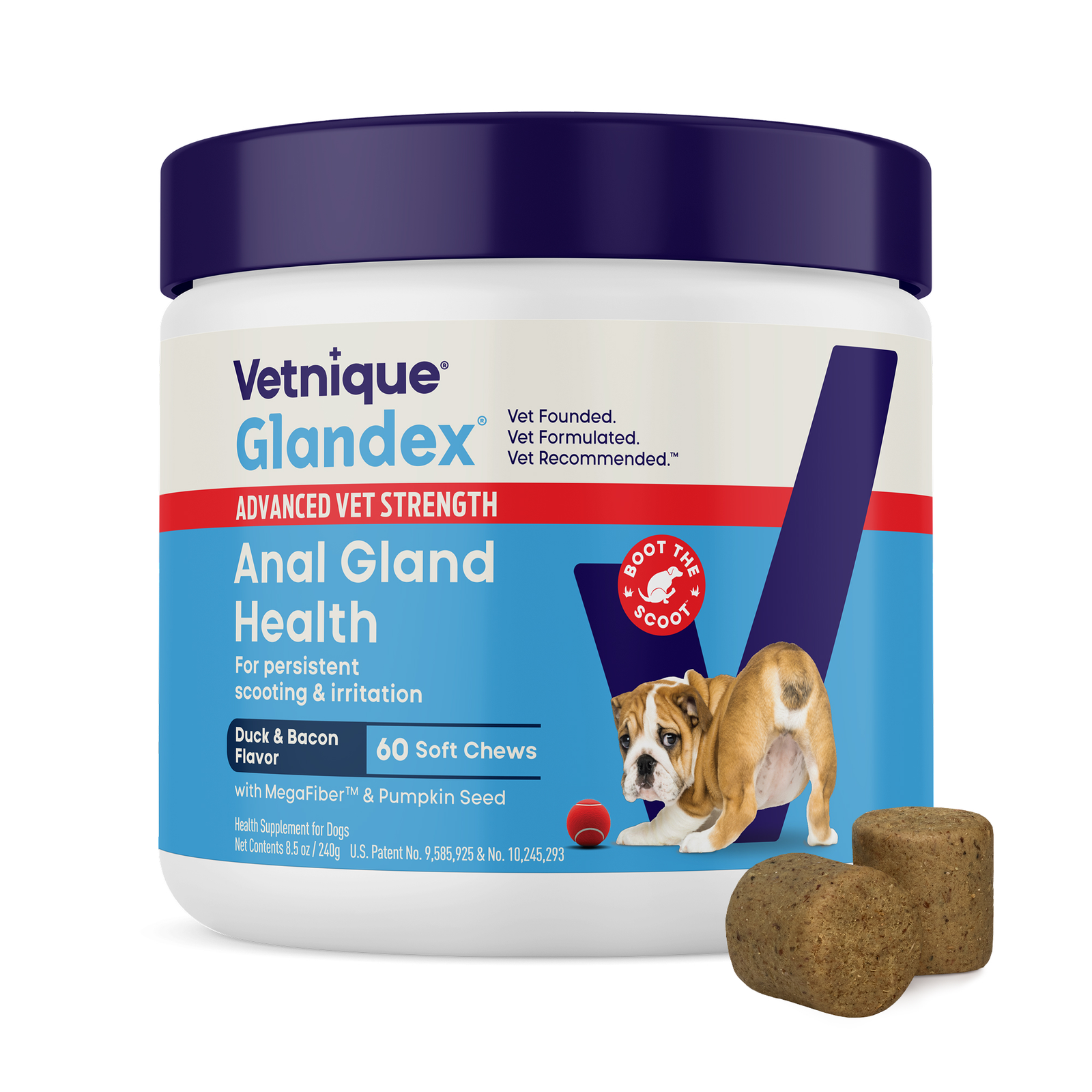
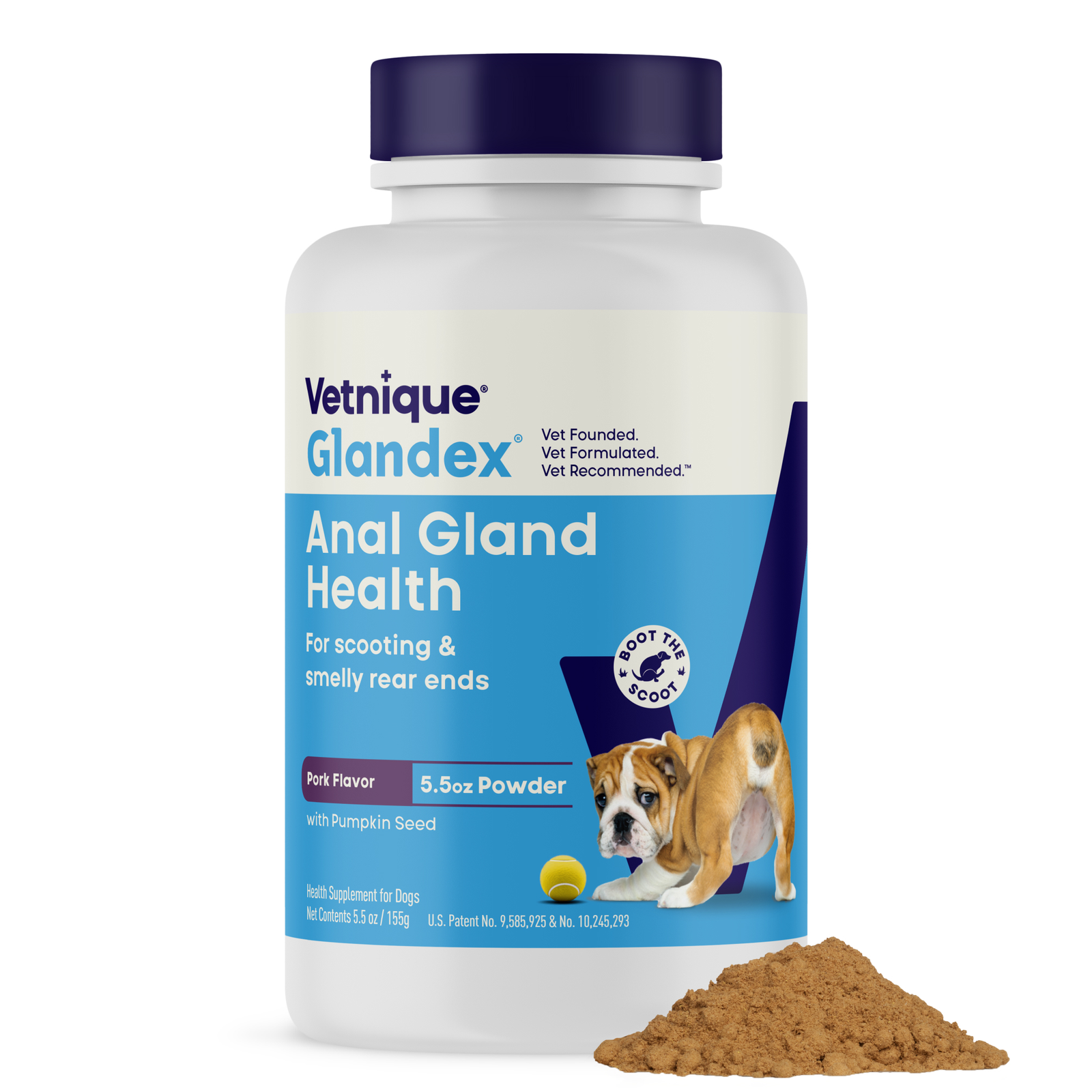
Glandex Soft Chews are veterinarian-formulated to support healthy anal gland function with a targeted blend of pumpkin seed, digestive enzymes, probiotics, and fiber. For dogs with more severe or chronic anal gland concerns, Glandex Advanced Vet Strength Chews provide a higher-potency formula. Dogs with digestive sensitivities may benefit from Glandex Probiotic & Prebiotic Soft Chews, which focus specifically on gut health and stool quality. For picky eaters, Glandex Powder can be mixed directly into food, and an Advanced Vet Strength Powder is also available. For day-to-day hygiene around the anal area, Glandex Wipes help keep things clean and reduce odor.
Explore the full range of anal gland support products in the Glandex collection.
For a comprehensive overview of anal gland anatomy, causes, and treatment, visit our in-depth resource on anal gland issues in dogs. To learn the basics of how anal glands work and what every pet parent should know, see our quick facts about anal glands in dogs and cats.