


If your quiet evening at home has ever been interrupted by an unexpected, unpleasant smell from your dog, you are not alone. Many dog owners deal with excessive dog gas, and while it is perfectly normal for dogs to pass gas, frequent or foul-smelling flatulence can be a sign of underlying issues. This guide covers the reasons behind excessive dog farts, home remedies that can help, how veterinarians diagnose and treat the problem, and what foul-smelling gas may indicate.
Do Dogs Fart?
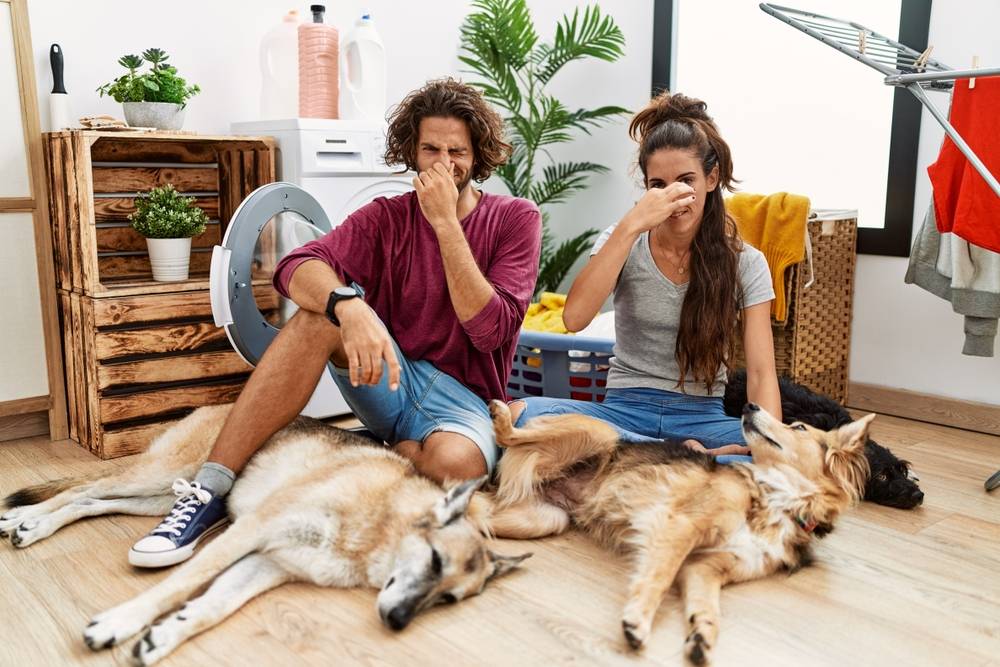
Yes, dogs fart. Flatulence is a common and natural occurrence in dogs, just as it is in humans. It results from gas building up in the digestive system and eventually being expelled. While occasional gas is nothing to worry about, frequent or foul-smelling gas can indicate dietary issues, digestive problems, or other health concerns.
Why Do Dogs Fart?
There are several reasons why a dog might experience excessive flatulence. Understanding these causes can help you manage and reduce the frequency of your dog's gas.
Diet
One of the most common reasons for dog gas is diet. Dogs that consume foods high in fiber or ingredients that are difficult to digest — such as beans, lentils, or soy — can produce more gas. Some additives, such as guar gum, can also increase flatulence in certain dogs. Additionally, sudden changes in diet can upset the digestive system and lead to increased gas. If your dog has bad gas suddenly, it is worth examining their recent dietary intake.
Digestive or anal gland issues
Dog gas can also be linked to digestive problems or anal gland issues. Poor digestion can cause excess gas to build up in the intestines, leading to more frequent flatulence. This may be due to a primary digestive issue or an imbalance in gut bacteria (dysbiosis). Impacted or infected anal glands can also contribute to the problem. If you notice other symptoms like scooting or licking their rear, consult your veterinarian.
Swallowed air (aerophagia)
Dogs can develop gas from swallowing air, especially if they eat or drink too quickly. This is known as aerophagia. The ingested air travels through the digestive system and is eventually expelled as gas. Slow feeder bowls, lick mats, and snuffle mats are all designed to encourage slower eating and can help reduce this type of flatulence.
Allergies
Food allergies or intolerances can also cause excessive gas in dogs. If your dog develops bad gas suddenly, it may be due to an allergic reaction to a particular ingredient in their food. Common allergens include dairy, wheat, and certain proteins. Identifying and eliminating these allergens from your dog's diet can significantly reduce flatulence.
Home Remedies for Dog Farts
There are several home remedies you can try to help reduce your dog's flatulence. Start by adjusting their diet — opt for high-quality, easily digestible foods that are low in fiber. If your dog needs higher fiber intake for health reasons, gradually increase the amount with guidance from your veterinarian. The same gradual approach applies when introducing any dietary changes, including new kibble or treats, to avoid upsetting your dog's stomach.
Feeding your dog smaller, more frequent meals instead of one or two large ones can help improve digestion and reduce gas buildup. Adding a probiotic and prebiotic supplement to your dog's diet can also promote a healthy digestive system and minimize gas.
Encouraging your dog to eat slowly is another effective strategy. Use a slow feeder bowl, lick mat, or snuffle mat, or spread their food out on a flat surface to prevent them from gulping air along with their food.
How Is Dog Flatulence Diagnosed?
If your dog's flatulence persists despite trying home remedies, consult your veterinarian. Diagnosing the cause of excessive gas typically involves a thorough physical examination and a review of your dog's diet and medical history. In some cases, additional tests such as blood work, stool analysis, or abdominal x-rays may be necessary to rule out underlying health issues.
How Is Dog Flatulence Treated by a Vet?
Once the cause of your dog's flatulence is identified, your veterinarian can recommend an appropriate treatment plan. This may involve dietary changes such as switching to a hypoallergenic or easily digestible diet. In some cases, medication may be prescribed, or supplements may be recommended to address digestive issues or anal gland problems. Probiotic supplements are often suggested to support healthy gut flora and reduce gas production.
Why Do My Dog's Farts Smell So Bad?
The smell of your dog's gas can provide clues about their underlying health. Foul-smelling farts can be caused by sulfur-rich foods, such as certain meats and vegetables. An imbalance of gut bacteria or an overgrowth of harmful bacteria can also produce unusually strong-smelling gas.
If your dog's farts are consistently foul-smelling, it is important to consult with your veterinarian to rule out potentially serious health concerns. Stool testing may be needed to check for infection or an imbalance in gut bacteria.
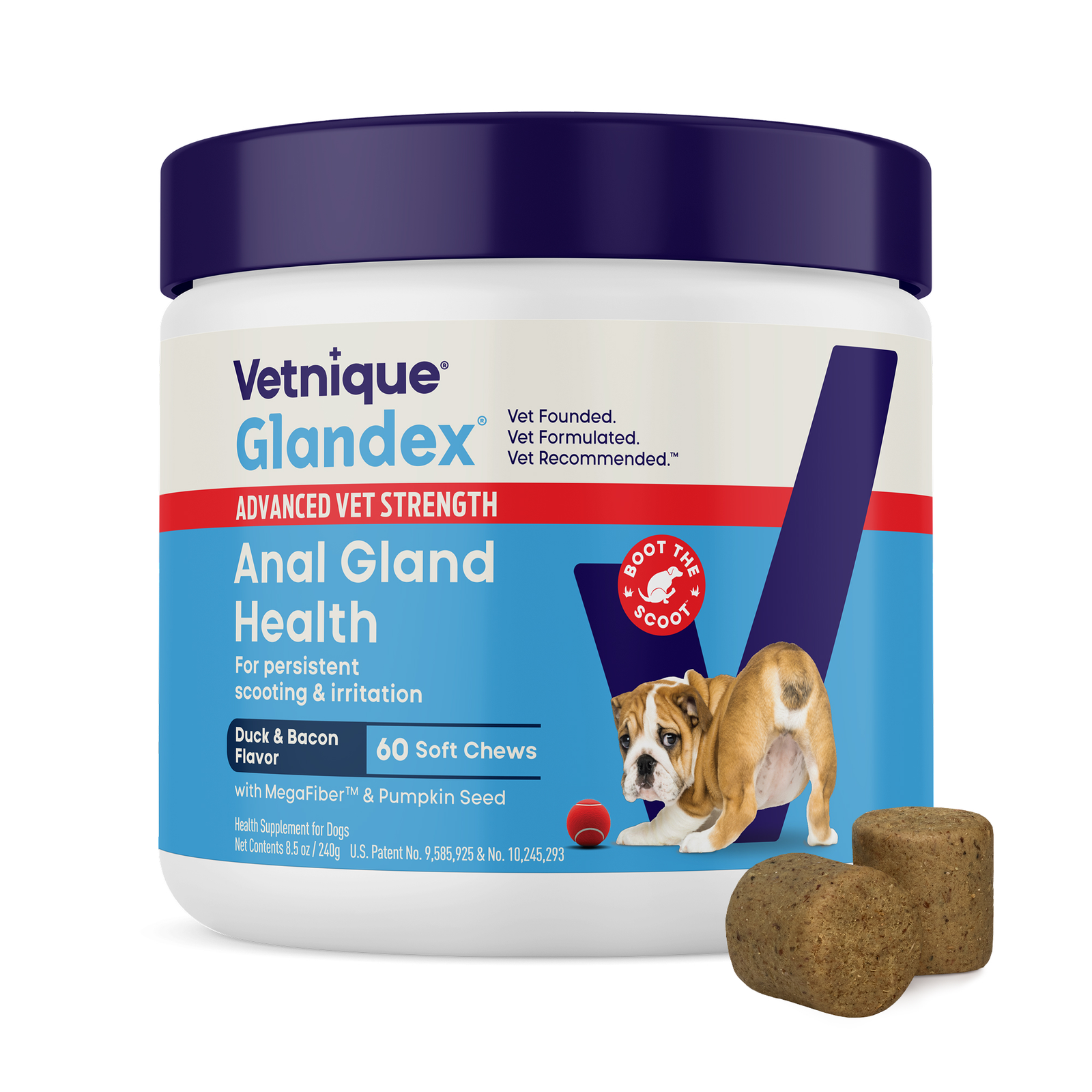
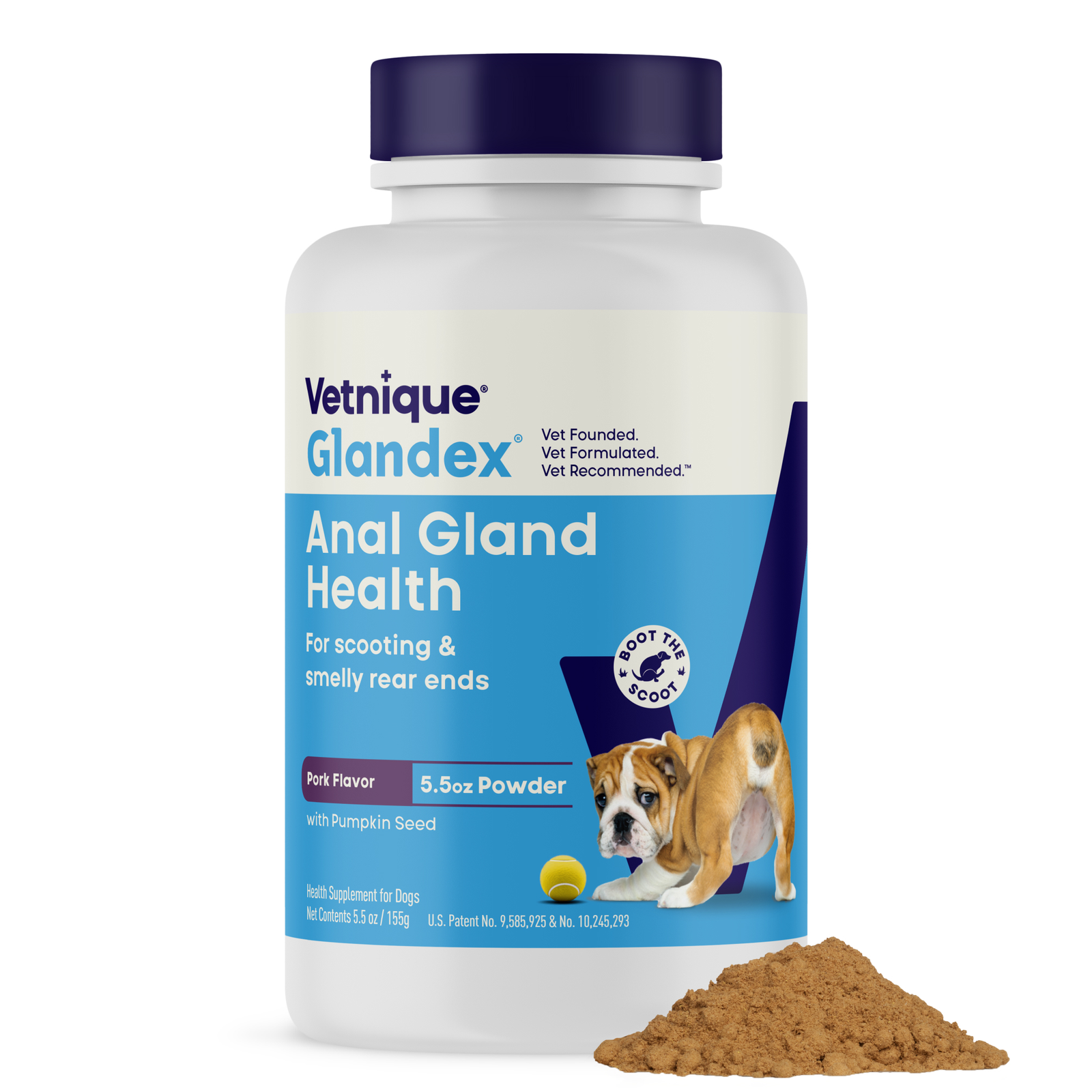
While dog gas is a natural and common occurrence, excessive or foul-smelling flatulence can indicate dietary or health issues. By understanding the causes and trying home remedies, you can help keep your dog more comfortable. Explore the full Glandex collection for products that support digestive and anal gland health.