

Dealing with dog constipation can be frustrating for both you and your dog. It is important to understand the causes, symptoms, and treatments available to help your dog poop quickly and safely. While constipation in dogs can be troublesome, there are many effective ways to manage and treat this common issue. With the right knowledge, you can help ensure your dog's bowel movements stay healthy.
What Is Dog Constipation?
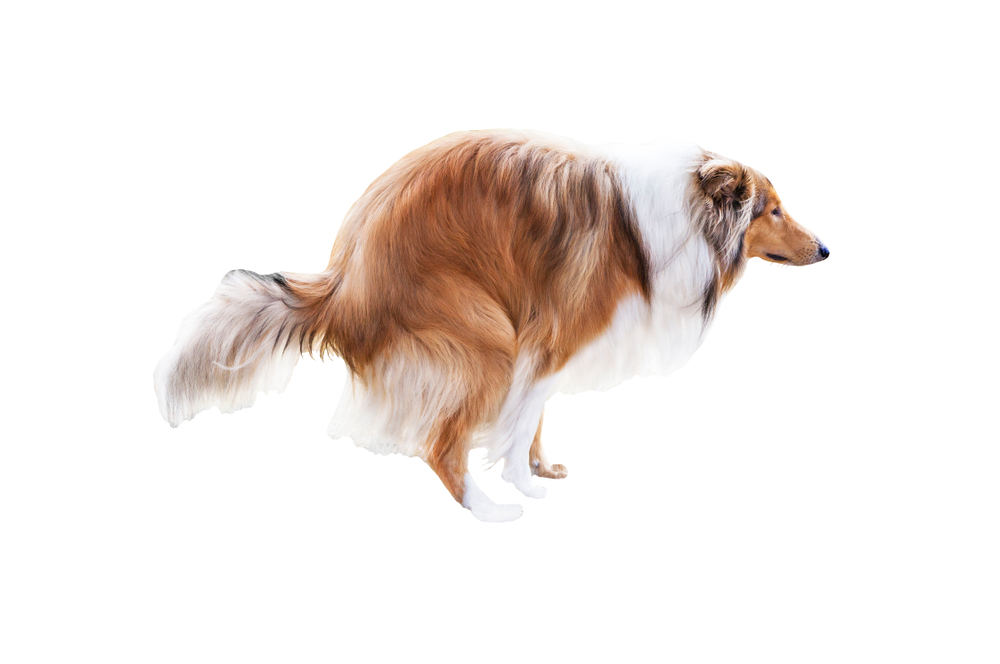
Dog constipation occurs when a dog has difficulty passing stools or does not have bowel movements as regularly as usual. Typically, dogs should have a bowel movement at least once a day. When they do not, it can lead to discomfort, agitation, and potential health issues. Constipation can be caused by various factors, and understanding these can help you provide the right care.
Causes of Dog Constipation
Understanding the causes of dog constipation is important for prevention and treatment. Several factors can contribute to constipation, ranging from dietary issues to stress and underlying health conditions.
Poor Diet
A common cause of dog constipation is a poor diet. Dogs need a balanced diet with adequate fiber to serve as a prebiotic, support healthy probiotic (beneficial bacteria) levels, and promote regular bowel movements. If your dog is eating too much processed food or not enough fiber, it can lead to constipation. A balanced mix of protein, carbohydrates, and fiber helps keep the digestive system functioning properly.
Blockage
Blockages can occur when a dog swallows something that cannot be digested, such as bones, toys, or other foreign objects. This can obstruct the intestines and lead to constipation. If you suspect your dog has swallowed something it should not have, seek veterinary attention immediately.
Digestive and Anal Gland Issues
Digestive issues or problems with the anal glands can cause constipation. Dogs with anal gland issues may have trouble passing stools, leading to discomfort and constipation. Regular physical exams, including anal gland expression when needed, can help prevent this issue.
Medication Complications
Certain medications can cause dog constipation as a side effect. If your dog is on medication and you notice changes in their bowel movements, consult your veterinarian. It may be necessary to adjust the dosage or switch to a different medication.
Stress or Anxiety
Dogs can experience stress or anxiety that affects their digestive system. Major changes in their environment, such as moving to a new home, traveling, or disrupted routines, can lead to constipation. Maintaining a stable and calm environment can help keep the digestive system on track.
Allergies
Allergies can also contribute to constipation. Dogs with food allergies or sensitivities may experience digestive issues, including constipation. Identifying and eliminating allergens from their diet can help alleviate these symptoms.
Common Signs and Symptoms of Dog Constipation
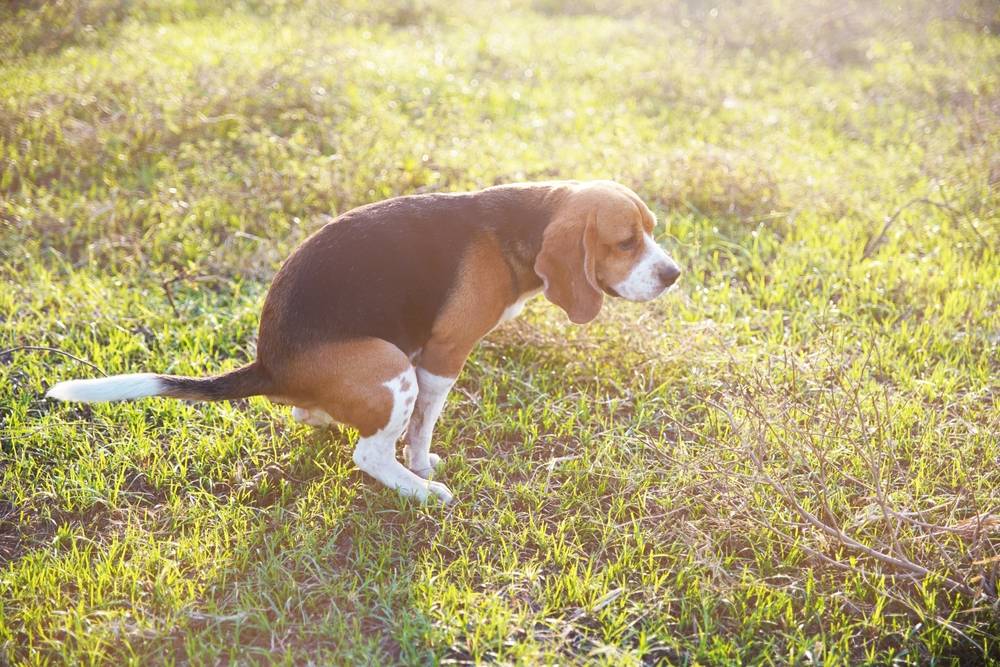
Recognizing the signs of dog constipation can help you act quickly. Common symptoms include straining to poop, grunting or whimpering while passing stool, producing hard dry stools, or not having a bowel movement at least once per day. Other signs may include bloating, discomfort, lethargy, and decreased appetite. If you notice any of these symptoms, it is time to take action.
Complications of Untreated Constipation
Leaving dog constipation untreated can lead to severe complications. Chronic constipation can cause megacolon, a condition where the colon becomes enlarged and loses its ability to contract normally and move stool effectively. This can lead to severe discomfort and may require surgical intervention. Additionally, untreated constipation can cause vomiting, lethargy, and weight loss due to decreased nutrient absorption.
How Is Dog Constipation Treated by a Vet?
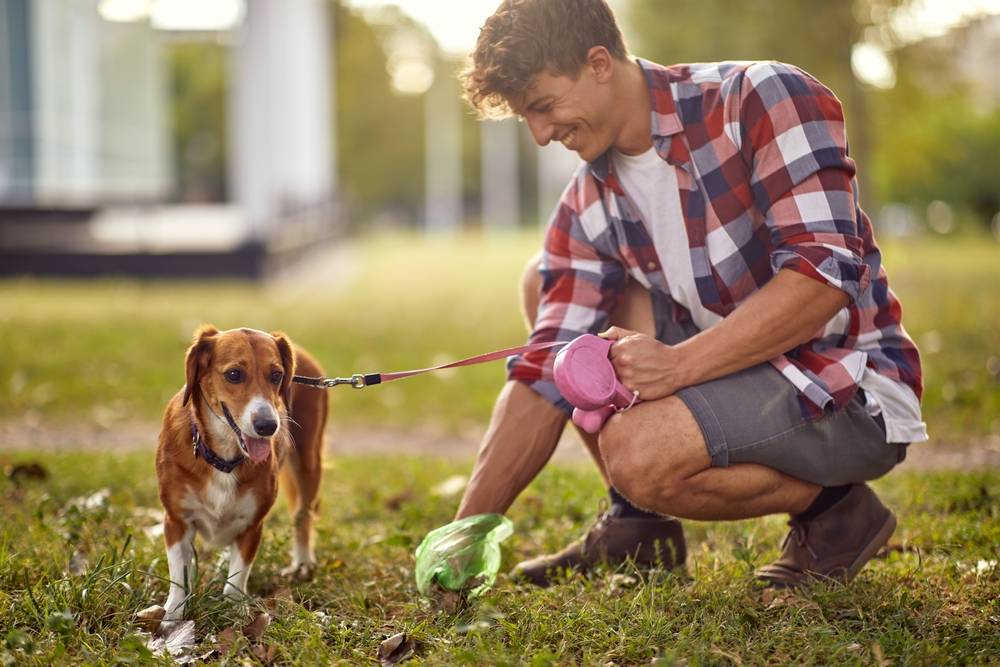
When you visit the vet for dog constipation, they will typically start with a thorough examination. This may include a physical exam, blood and fecal tests, and imaging like X-rays to determine the cause. Treatment may involve dietary changes, medication to soften the stool, or enemas to help your dog pass stool. In severe cases, surgery may be necessary to remove intestinal blockages.
Dog Constipation Home Remedies
There are effective home remedies for dog constipation that can be used under guidance from your vet. Increasing your dog's fiber intake with pumpkin (canned or dehydrated), psyllium, or a fiber-rich supplement with pumpkin can help promote regular bowel movements. Adding a small amount of healthy oil (coconut or olive) to their food or ensuring they stay well hydrated are also common remedies. Always consult your vet before trying home remedies to ensure they are safe for your dog and that you are offering the right quantity for your pet's weight.
Regular exercise also promotes healthy digestion. Daily activities like walks or playing at the park are a great way to stimulate your dog's digestive tract.
How to Make a Constipated Dog Poop Quickly
If you need to help a constipated dog poop quickly, there are a few methods to try. Encouraging physical activity, offering a small amount of coconut or olive oil, and ensuring your dog drinks plenty of water can help stimulate bowel movements. A gentle belly massage can also promote movement in the intestines.
Never give your dog laxatives intended for humans, as these can cause diarrhea, vomiting, dehydration, and other serious side effects. If you feel a laxative is necessary, get a recommendation or prescription from your veterinarian before trying one at home.
When to See a Veterinarian for a Dog Who Will Not Poop
While many cases of dog constipation can be managed at home, there are times when you should see a veterinarian. If your dog has not had a bowel movement in more than two days, is in visible discomfort, or shows signs of severe distress, seek veterinary care immediately. Persistent constipation can indicate a more serious underlying issue that needs professional attention.
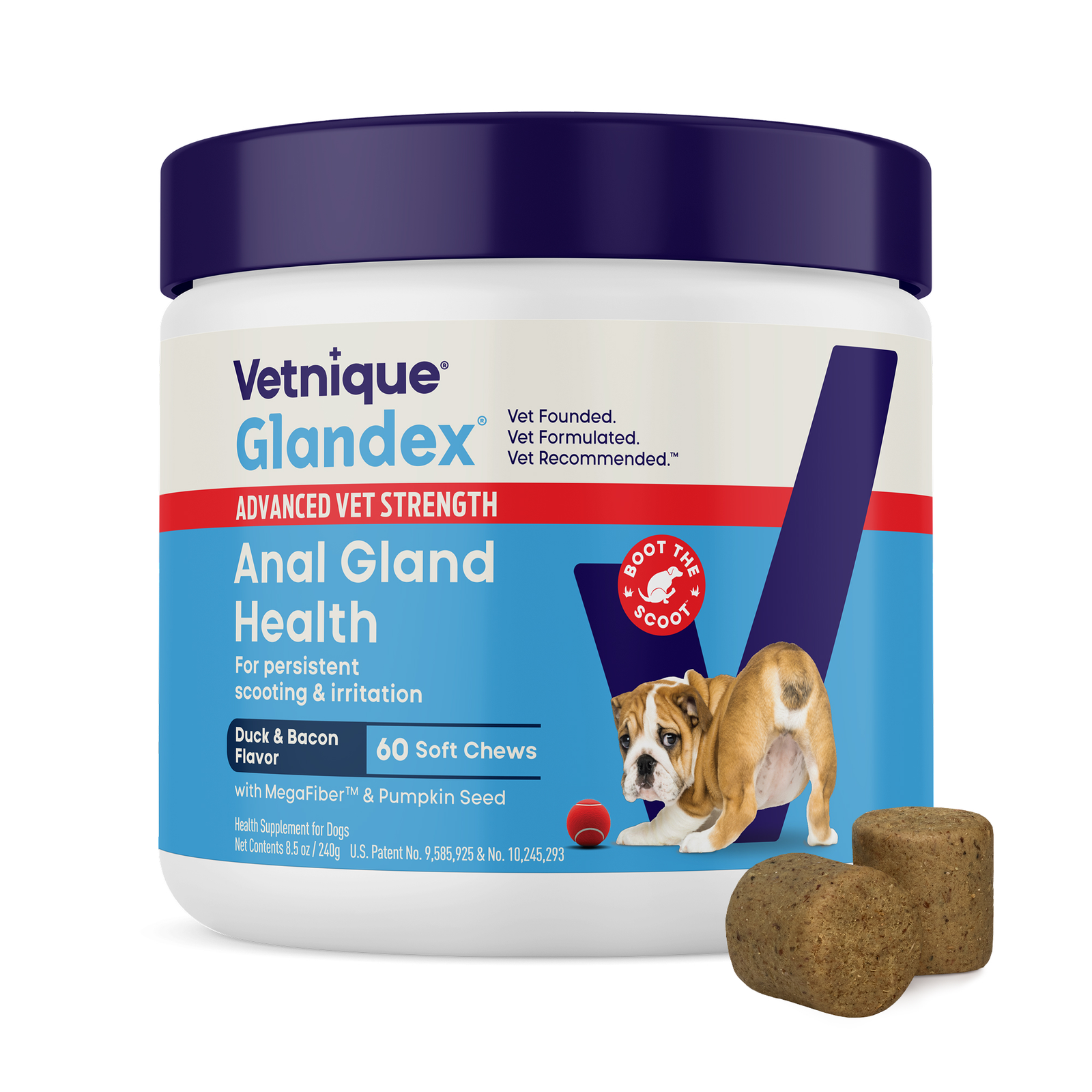
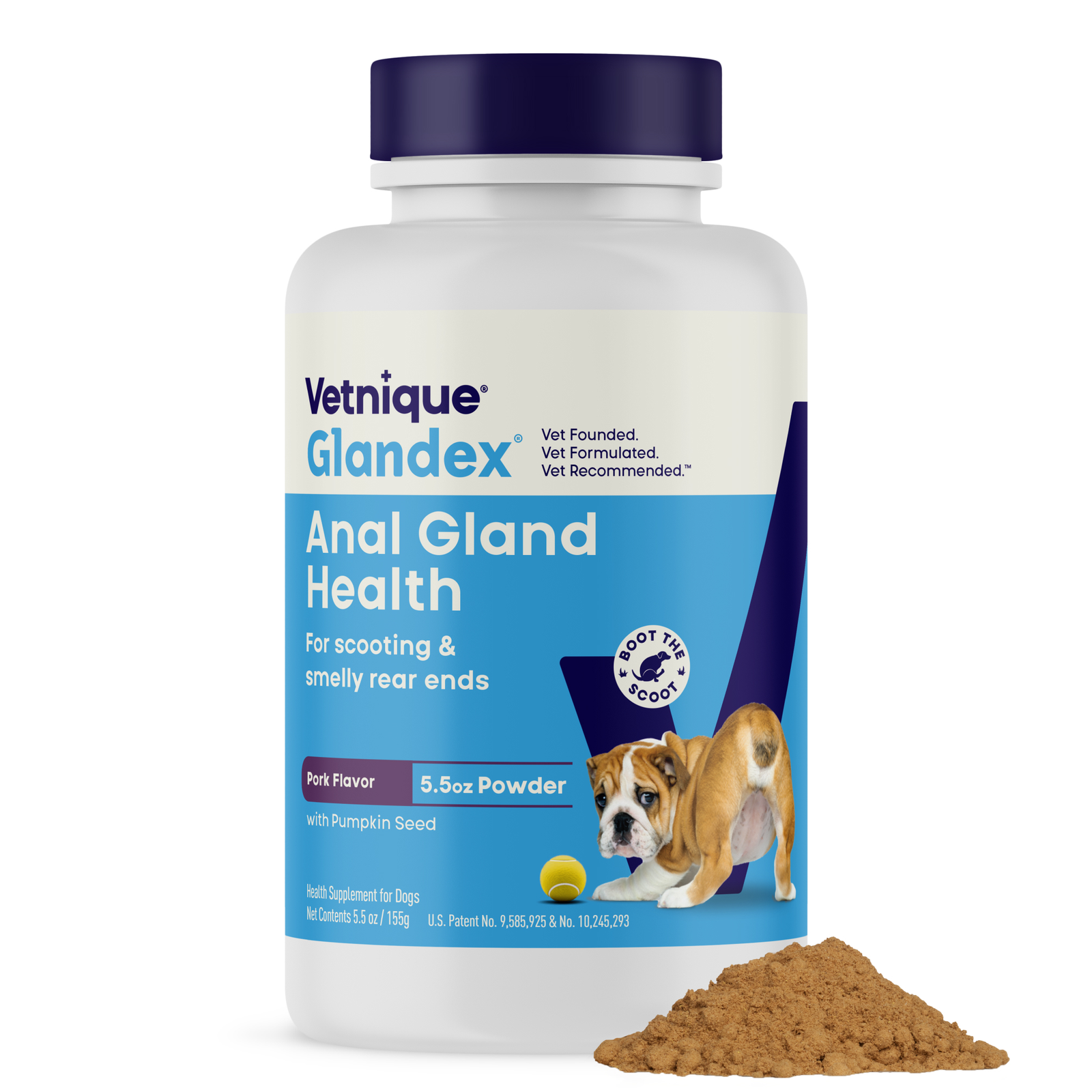
Dog constipation is a common but manageable issue. Maintaining a balanced diet with adequate fiber, ensuring regular exercise, and providing a stress-free environment are key to prevention. For daily digestive and fiber support, Glandex Soft Chews provide pumpkin, fiber, and probiotics to promote healthy bowel movements. For dogs with more severe or chronic digestive concerns, Glandex Advanced Vet Strength Chews offer enhanced support. Explore the full Glandex collection for additional options. If you are ever in doubt, consult your vet for guidance.