

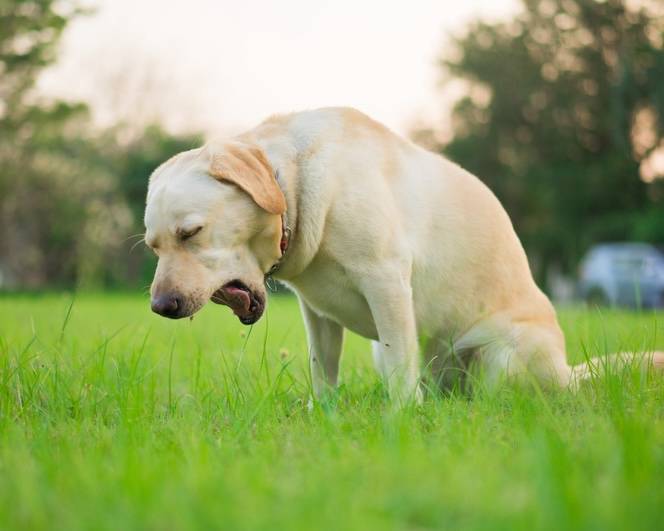
If your dog has vomited yellow, you are not alone — it is one of the most common concerns pet owners face. Yellow vomit can have several causes, some mild and some serious. Understanding what is behind it and knowing when to act can help you respond appropriately.
Why Is My Dog Throwing Up Yellow?
The most common cause of yellow vomit in dogs is bile. Bile is a digestive fluid produced by the liver and stored in the gallbladder that aids in the breakdown of food. When a dog's stomach is empty, bile can spill back into the stomach instead of moving with food into the small intestine. This irritates the stomach lining and produces the characteristic yellow vomit color.
Feeding smaller, more frequent meals throughout the day can help manage this issue. More frequent meals promote gallbladder contraction, helping bile move in the correct direction into the intestines.
However, if your dog is throwing up yellow and also showing lethargy, loss of appetite, bowel movement abnormalities, or abdominal pain, consult your veterinarian promptly. These signs could indicate gastritis (stomach inflammation), pancreatitis (pancreatic inflammation), enteritis (intestinal inflammation), intestinal obstruction, or other digestive conditions.
Keep your pet well-hydrated and withhold food for 12 to 24 hours to allow the stomach to settle. Gradually reintroduce a bland, easily digestible diet. If the issue persists, seek veterinary guidance.
What Is Yellow Bile, Foam, or Vomit?
Yellow bile is a digestive fluid produced by the liver and stored in the gallbladder. When a dog's stomach remains empty for an extended period, bile can accumulate and cause vomiting of yellow liquid. This may indicate irregular feeding schedules or overproduction of bile.
Yellow foam is another substance dogs may produce when vomiting. It is a mix of stomach secretions, mucus, and air, and tends to appear frothy with a thinner texture than liquid bile.
An occasional episode of yellow vomiting may not be cause for alarm, but a recurring pattern — especially alongside other symptoms like lethargy or loss of appetite — could indicate underlying digestive tract issues that require veterinary attention.
Common Causes of Yellow Vomiting in Dogs

Empty Stomach
If yellow vomit happens occasionally, especially in the morning or after a long gap between meals, it may be caused by an empty stomach. Dogs are more prone to this because they have a shorter digestive tract. Offering smaller, more frequent meals can help reduce these episodes.
Bilious Vomiting Syndrome (BVS)
Bilious Vomiting Syndrome is caused by a lack of food moving from the stomach into the small intestine, which triggers the gallbladder to contract and release bile. Long fasting periods can worsen BVS, which is why dogs with this condition often vomit yellow bile in the mornings or after fasting before a veterinary procedure.
Food Allergies
Food allergies can cause digestive distress and yellow vomiting. Dogs can develop sensitivities to certain ingredients in their diet. If your dog frequently vomits yellow, discuss their diet with your veterinarian. A hypoallergenic diet — where proteins are modified so they are too small to trigger an immune response — or a food elimination diet using a novel protein strictly adhered to for around 6 weeks may provide relief.
Digestive Issues or Intestinal Blockage
Persistent vomiting of yellow fluid could indicate a more serious problem such as an obstruction in the digestive tract. Untreated blockages can be life-threatening. Consult a veterinarian immediately for diagnostic evaluation, which may include radiographs (X-rays), ultrasound, blood panels, urine and fecal testing, and other assessments.
Exposure to Toxins
Vomiting is one of the body's defenses for expelling harmful substances. Toxin exposure from certain chemicals, plants, or medications can trigger yellow vomit. If you suspect toxic ingestion, immediately contact your veterinarian or one of these emergency resources: ASPCA Animal Poison Control Center at (888) 426-4435 or Pet Poison Helpline at (855) 764-7661. They can provide guidance on treatment and, if necessary, inducing vomiting to remove harmful substances.
What to Do When Your Dog Is Vomiting Yellow
While an occasional episode may not be alarming, recurrent yellow vomiting warrants attention. If your dog is frequently expelling yellow bile, it may indicate gastritis, pancreatitis, blockage, infection, toxic exposure, cancer, or other conditions requiring veterinary evaluation.
In the meantime, monitor your pet closely for any additional symptoms. When walking your dog or letting them outside, keep them on a short leash to prevent them from eating grass, leaves, or other materials that could worsen the issue.
Ensure your dog stays well-hydrated. Dehydration can worsen the problem by slowing blood flow to the digestive tract and reducing the ability of the kidneys, liver, and other organs to detoxify the blood.
Temporarily withhold food for 12 to 24 hours to allow the stomach to rest. When you resume feeding, start with a bland diet such as a veterinary prescription formula or home-prepared combinations of easily digestible proteins, carbohydrates, and other nutrients. After 4 to 7 days, or as directed by your veterinarian, gradually transition back to their regular food.
If the issue persists or additional symptoms develop, contact your veterinarian for a thorough evaluation.
How Probiotics Can Help
Probiotics are beneficial microorganisms that promote a healthy balance of gut bacteria, known as the microbiome. When administered appropriately, they can help restore balance to the gastrointestinal tract. Probiotics boost the population of beneficial bacteria, which may help prevent overproduction of bile — a common factor in yellow vomiting episodes.
Introducing probiotics can be particularly beneficial for dogs experiencing recurrent vomiting. Glandex Probiotic & Prebiotic Soft Chews & Powder are formulated with prebiotics and probiotics to support digestive health. For broader digestive support, explore the full Glandex collection. Consult your veterinarian before adding any dietary supplement to determine the right probiotic strain and dosage for your pet.
When to See Your Veterinarian
Seek veterinary care if your dog's vomiting is persistent or accompanied by lethargy, loss of appetite, blood in the vomit, bowel abnormalities, or signs of pain. These symptoms can indicate serious underlying conditions requiring thorough evaluation and treatment. Early intervention is important for ensuring the best outcome for your pet.