

Hot spots — also known as acute moist dermatitis — are a common skin condition in dogs that can develop rapidly and cause significant discomfort. Understanding what causes hot spots, how they are diagnosed and treated, and how to prevent them can help you address the issue early and keep your dog comfortable.
What Are Hot Spots?
Hot spots are localized areas of skin inflammation and irritation that appear as red, moist, and sometimes painful and foul-smelling lesions. They are typically warm to the touch and can vary in size from small patches to larger areas of affected skin. Hot spots can occur anywhere on a dog's body but are most commonly found on the neck, head, hips, and legs.
The intense itching and discomfort associated with hot spots often cause dogs to lick, chew, or scratch at the affected area, which further aggravates the condition and can lead to secondary bacterial infections. When left untreated, hot spots can spread and become more severe.

Common Areas Dogs Get Hot Spots
The most common areas for hot spots include the neck, head, hips, and legs — the main areas that are accessible when a dog chews, licks, or scratches. These areas are also prone to moisture buildup, which contributes to hot spot development. Dogs with thick coats, or those that frequently swim or bathe, may be more susceptible in these regions because warmth and moisture get trapped between the skin surface and coat.
What Causes Hot Spots on Dogs?
Allergies
Allergies are a significant cause of hot spots. They can result from food allergies, environmental allergens (such as pollen or dust mites), or contact allergens (such as certain fabrics or cleaning products). When a dog's immune system overreacts to these allergens, it can lead to skin inflammation and hot spot formation. Identifying and addressing underlying allergies through veterinary allergy testing or dietary changes is an important step in managing and preventing hot spots.
Environmental Irritants
Environmental conditions such as excessive humidity or heat can contribute to hot spot development. Moisture trapped in the fur — especially in warm climates or after swimming — creates an environment for bacteria on the skin surface or in the environment to thrive, leading to hot spots. Regular grooming and proper coat maintenance can help reduce moisture buildup and minimize risk.
Ear Infections
Ear infections can cause hot spots, especially in dogs with long, floppy ears. Moisture and bacteria buildup in the ears can spread to nearby skin, triggering hot spot formation. Dogs may rub or scratch at their ears to manage the discomfort, causing the surrounding area to become traumatized, inflamed, and infected. Maintaining good ear hygiene with regular cleanings and prompt treatment of ear infections can help prevent hot spots associated with ear issues. Explore the OticBliss ear care collection for daily and vet-strength ear cleaning options.
Anal Gland Inflammation
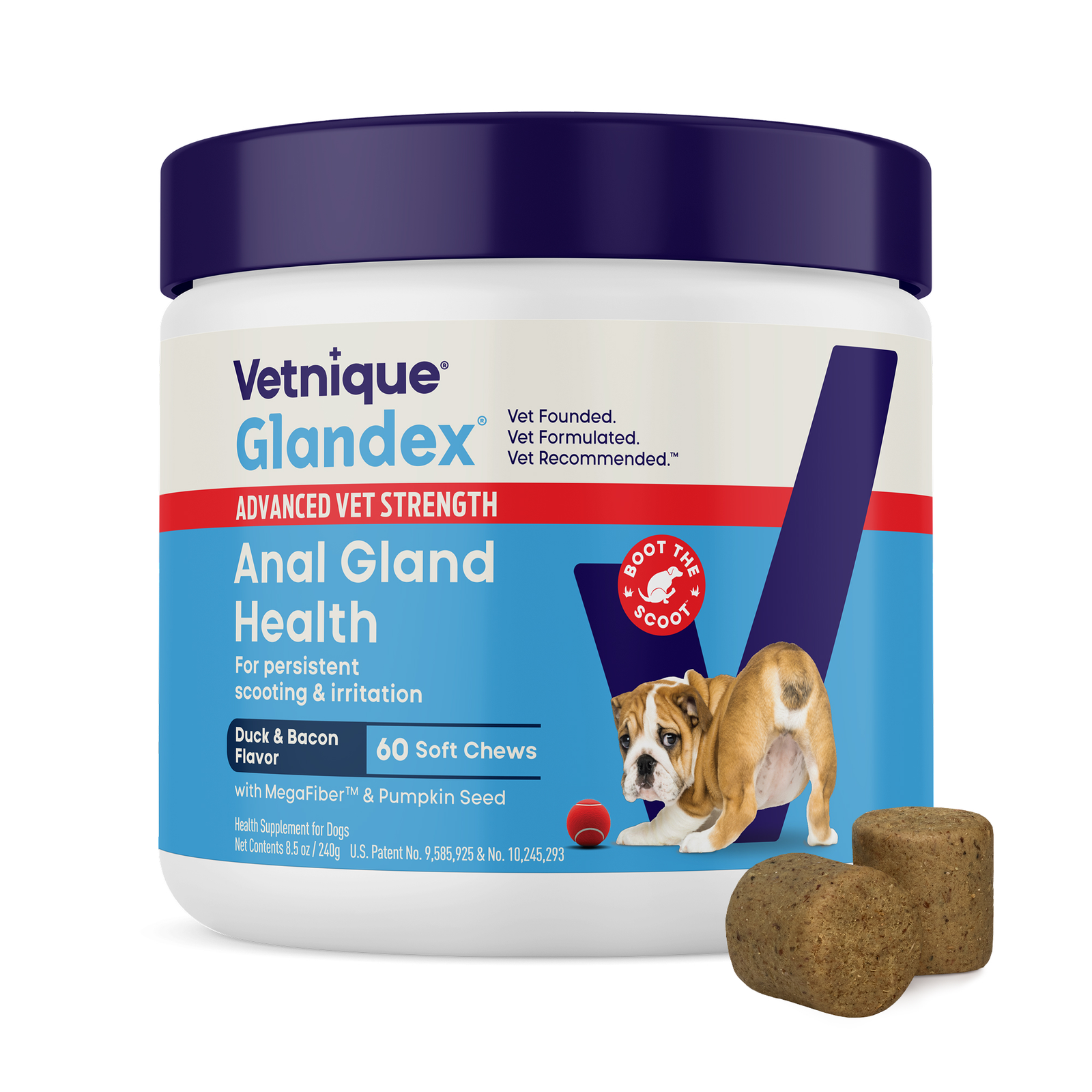
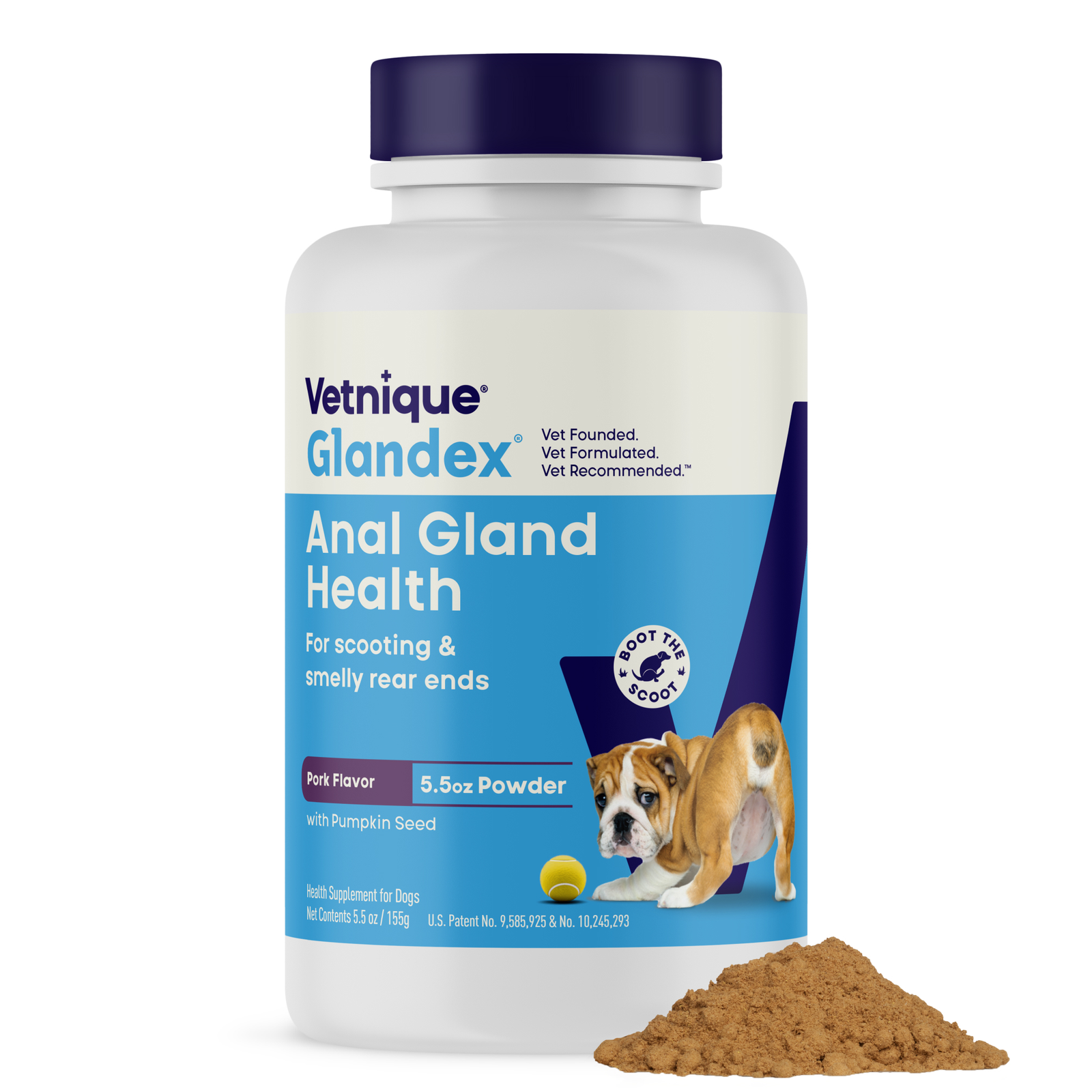
Anal gland inflammation or impaction can cause dogs to lick or chew at their hindquarters excessively, leading to hot spots in that area. Regular anal gland expression by a veterinarian or grooming professional can prevent buildup of anal gland fluid and discomfort, reducing the likelihood of hot spots. Supporting digestive and anal gland health with a supplement like Glandex can also help promote healthy anal gland function.
How Are Hot Spots Diagnosed?
Diagnosing hot spots typically involves a physical examination by a veterinarian. The characteristic appearance of hot spots, combined with a history of recent itching or licking in the affected area, helps confirm the diagnosis. In some cases, additional tests may be needed to rule out underlying conditions. These tests might include cytology (microscopic evaluation from a skin impression smear or swab of the area), bacterial or fungal culture, or skin scrape to assess for mites like Demodex or Sarcoptes.
Your veterinarian may also evaluate your dog's overall health and discuss recent changes in diet, environment, or grooming habits that could contribute to hot spot development. A comprehensive evaluation ensures an accurate diagnosis and a treatment plan tailored to your pet.
How Are Dog Hot Spots Treated?
Treatment for hot spots focuses on relieving discomfort, reducing inflammation, and preventing infection. This typically includes trimming the hair around the hot spot to allow proper airflow, drying, cleaning, and medicating. The affected area is then cleaned with a mild antiseptic solution to remove debris and bacteria. Topical medications — such as hydrocortisone, pramoxine, antibiotics, antihistamines, or steroids — are applied to reduce inflammation and promote healing. An Elizabethan collar or similar deterrent may be needed to prevent further licking or chewing, and addressing underlying causes such as allergies or ear infections is essential to prevent recurrence.
In severe cases or when secondary infections complicate hot spots, your veterinarian may prescribe oral or injectable medications (such as itch-reducing medications like Oclacitinib or Lokivetmab), allergy supplements, or additional treatments to manage symptoms and promote healing. Browse the full DermaBliss skin care and allergy collection for topical treatments and supplements that support skin health.
Preventing Hot Spots on Dogs
Prevention plays a crucial role in managing hot spots. Regular grooming helps prevent matting and moisture buildup in the coat that can create conditions for hot spots to develop. Addressing underlying allergies through diet changes or medications prescribed by your veterinarian reduces the inflammatory triggers. Keeping ears clean, dry, and free from excessive hair lowers the risk of ear infections that can lead to nearby hot spots. Monitoring anal gland health and addressing any issues promptly prevents the excessive licking at the hindquarters that causes hot spots in that area. Avoiding exposure to known allergens or irritants — such as certain plants or chemicals — further reduces risk.
Home Remedies for Dog Hot Spots
While home remedies can provide temporary relief for mild hot spots, it is important to consult with your veterinarian for proper diagnosis and treatment. Cool compresses using a clean cloth soaked in cool water can help soothe inflamed skin. Aloe vera gel and oatmeal baths can calm irritation. Topical treatments with natural ingredients like chamomile or diluted tea tree oil (used cautiously) may offer additional relief. Over-the-counter or veterinary-prescribed hydrocortisone cream can help reduce itching.
Severe or persistent hot spots require professional veterinary care to ensure proper healing and prevent complications such as secondary bacterial infections. If you notice hot spots that are spreading, worsening, or accompanied by other symptoms, consult your veterinarian for personalized guidance. Early intervention is key to resolving hot spots and preventing future flare-ups.