


Reviewed by Dr. James Bascharon, DVM

While many of us view pumpkin as a seasonal kitchen staple, at Vetnique, we view it as a clinical powerhouse. As a veterinarian-founded brand, we look beyond the seasonal trend to the science-backed health benefits of pumpkin for our pets.
When preparing dog pumpkin, it is vital to ensure it is plain pumpkin and served in appropriate portion size. Whether you are looking to support digestion or improve your dog's diet, this superfood offers a "nose-to-tail" approach to wellness.
No matter the season, pumpkin is packed with other nutrients that support your pet’s overall health. From the nutritional value of the pumpkin pulp to the unique therapeutic benefits of pumpkin seeds, we’re diving into why this ingredient is a staple in our clinical formulations.
At a glance
-
The superfood: Pumpkin is a nutrient-dense powerhouse rich in Vitamin A and fiber that supports "nose-to-tail" pet wellness and immune health.
-
Digestive support: High fiber content bulks the stool to encourage regular bowel movements and assist in natural anal gland expression.
-
Seed benefits: Ground seeds provide anti-inflammatory properties for intestinal health and contain Cucurbitin to support a parasite-free digestive tract.
-
Weight & skin: Its low-calorie, high-water volume aids in healthy weight management while essential fatty acids and Zinc improve coat luster.
-
Safety protocol: Use only plain, cooked pumpkin; avoid pie fillings or mixes containing toxic ingredients like Xylitol, sugar, or nutmeg.
9 health benefits of pumpkin for dogs
What makes pumpkin good for our pets? While Pet Parents often enjoy pumpkin seeds as a snack, you may wonder: are pumpkin seeds good for dogs and cats? The answer is a resounding yes. Whether you are utilizing pumpkin seed oil or incorporating raw pumpkin into a meal, this high-fiber ingredient is a cornerstone of gastrointestinal health.
1. Anti-inflammatory properties
Ground pumpkin seeds provide anti-inflammatory properties that specifically benefit intestinal health and anal gland disease. By reducing irritation and inflammation within the anal glands, pumpkin seeds can help decrease the recurrence of chronic issues, leading to fewer manual expressions and less discomfort for your pet.
2. Respiratory support and allergies
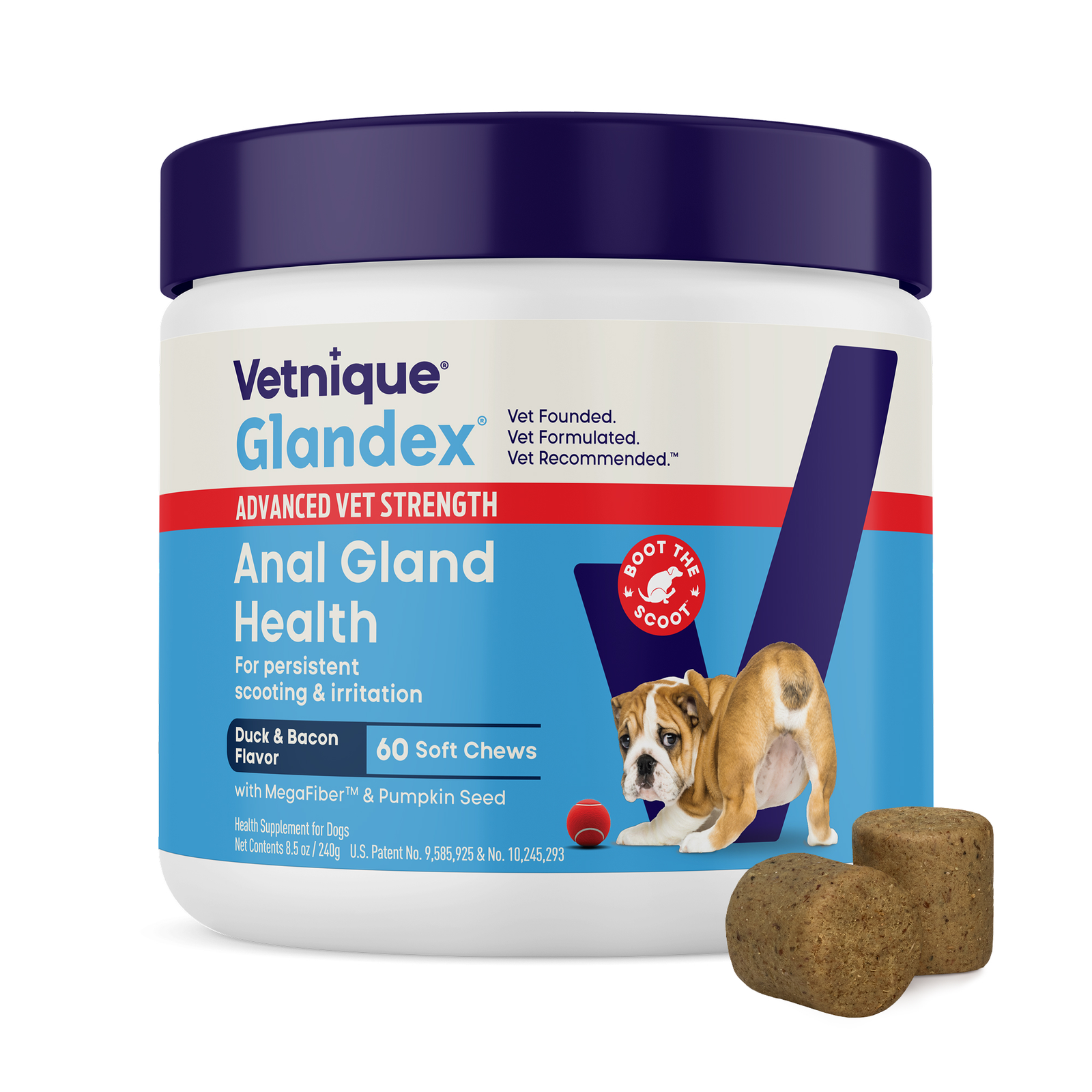
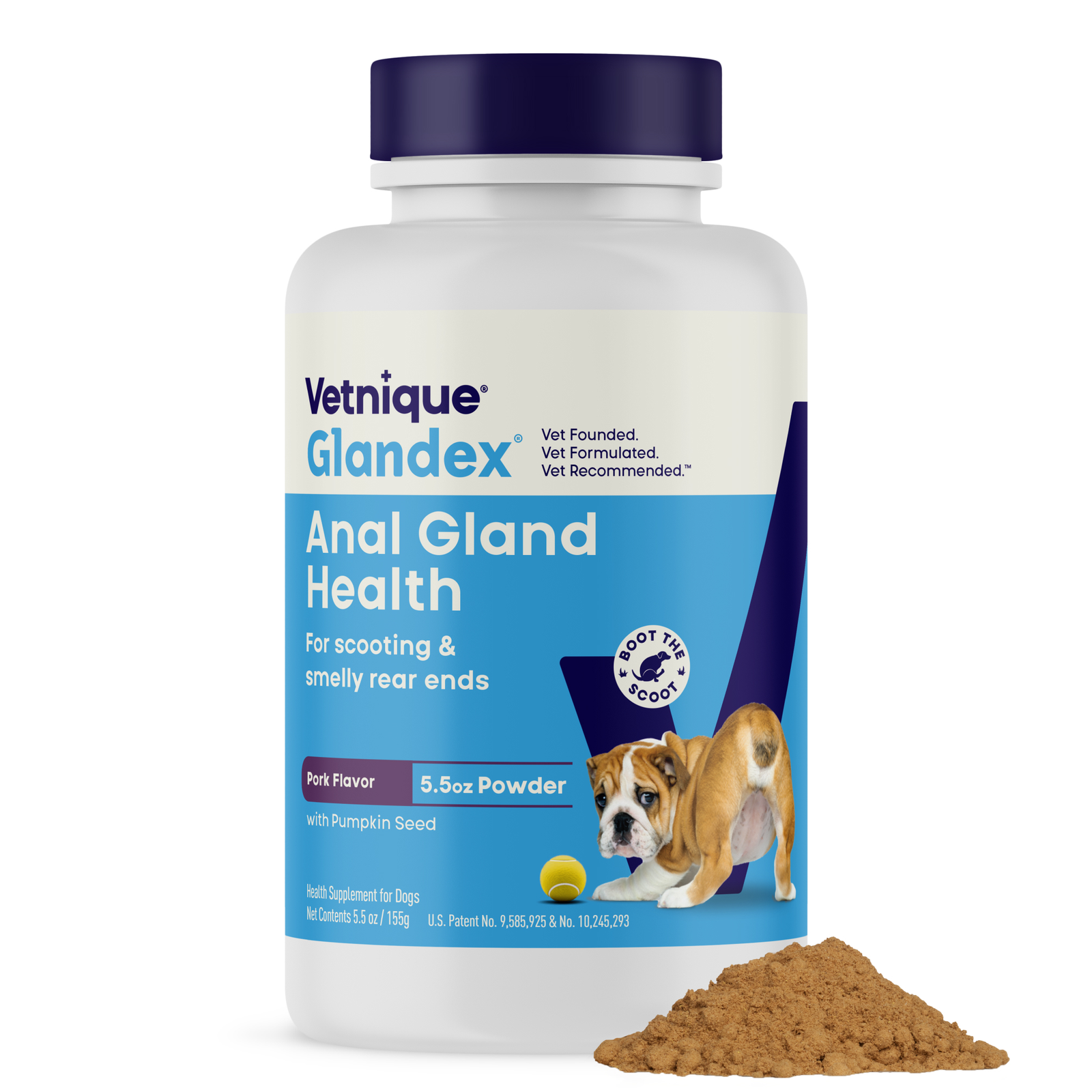
Pumpkin seeds are a rich source of magnesium, which helps relax respiratory muscles and open airways. For pets struggling with environmental sensitivities, supplementing with Glandex® (which leverages these properties) can provide much-needed support.
3. Urinary and prostate health
The healthy fats and oils found in pumpkin seed oil support lower urinary tract symptoms in both dogs and cats. Furthermore, pumpkin seed extract has been studied for its ability to support prostate health and.effectively manages symptoms associated with benign prostatic hyperplasia.
4. Essential omega fatty acids
Pumpkin seeds provide a significant amount of unsaturated fats, specifically omega fatty acids. These are critical for:
-
Skin and coat health
-
Joint function and mobility
-
Heart health and blood vessels
-
Healthy brain chemistry
5. Nutrient density
Pumpkin is a nutrient-dense superfood that remains low in saturated fat and calories. According to the USDA Nutritional Database, one cup of cooked pumpkin provides:
|
Nutrient |
Amount per Cup (Cooked) |
|
Vitamin A |
14,100 IU |
|
Potassium |
564 mg |
|
Fiber |
2.7 g |
|
Vitamin C |
High levels for immune support |
|
Iron & Magnesium |
Essential minerals |
6. Promotes healthy eyes
The vibrant orange color of pumpkin comes from beta-carotene, a precursor to Vitamin A. This is essential for maintaining a dog's eye health, helping to prevent night blindness and other forms of retinal degeneration.
7. Immune system support
With high concentrations of Vitamin C, Vitamin E, and Vitamin A, pumpkin helps the immune system neutralize cell-damaging free radicals. These plant compounds and antioxidant activity provides antioxidant activity that protects against cellular damage, helping to protect against damage that can lead to breast cancer or prostate cancer cells in pets.
8. Skin and coat health
The combination of Vitamin A and Zinc works to moisturize the skin from the inside out. Because fresh pumpkin has a high water content, it also aids in systemic hydration, which directly improves coat health and luster.
9. Weight management
Incorporating pumpkin into a high fiber diet is a highly effective way to help pets lose excess weight. The fiber helps them feel "fuller" longer, while the water content provides volume without the calories. For a healthy weight-loss strategy, try replacing a small portion of their dog's food with canned pumpkin.

Benefits of pumpkin seeds for dogs & cats
While the fruit itself is wonderful, the seeds are where the concentrated power lies. Many seeds are nutrient-dense, but pumpkin seeds are particularly valued in veterinary medicine for their therapeutic benefits.
-
High in Fiber: Pumpkin seed fiber supports regular bowel movements and improves the quality of a dog's stool. It acts as a soluble fiber to absorb excess water (helping with loose stools) or provide bulk to resolve mild constipation.
-
Anal Gland Support: By bulking the stool, pumpkin seed fiber assists in natural anal gland expression, preventing the need for frequent vet visits.
-
Parasite Defense: Pumpkin seeds contain an amino acid called Cucurbitin. This acts as a natural agent to support a parasite-free intestinal tract. While not a replacement for vet-prescribed dewormers, it is an excellent preventative layer.
How to feed pumpkin to your dog
Can dogs eat pumpkin daily? Yes, provided it is prepared properly. To ensure safety and maximize the health benefits of pumpkin, follow these expert guidelines:
-
Steer clear of pumpkin pie filling: These often contain added sugar, xylitol, or spices like nutmeg which are toxic.
-
Avoid pumpkin pie mixes: Only use plain canned pumpkin or fresh pumpkin that has been cooked and cooled.
-
Shell free seeds: If you are wondering, "can dogs eat pumpkin seeds?", the answer is yes, but they should be shell free seeds to avoid choking hazards.
-
Mix pumpkin with existing food: Add it to kibble, rice, or unsweetened yogurt for a tasty treat.
-
Preparation: If roasting raw pumpkin seeds, do not add salt or oils, as these can cause an upset stomach.
How much pumpkin should you feed your dog?
When using canned pumpkin or puree, we recommend 1 tsp per 10 pounds of body weight.
Are pumpkin seeds good for dogs in large amounts? Because they are rich in healthy fats, they should be given sparingly. The recommended daily amount is one ground pumpkin seed per 10 pounds of body weight. If your pet has specific health conditions, always consult your veterinarian before introducing new items into their diet.
Easy homemade pumpkin seed recipes for pets
Pawsome pumpkin seed dog “bones”
These treats are a rich source of fiber and antioxidant activity.
Ingredients:
-
1 cup raw pumpkin seeds (roasted and ground)
-
2 small apricots (pitted/pureed) or shredded carrots
-
Plain unsweetened applesauce
-
Smooth peanut butter (ensure no Xylitol)
-
1 large egg
-
1 cup whole wheat flour
Instructions:
-
Roast pumpkin seeds at 350°F for 10-15 minutes until golden. Pulse in a processor to create a powder.
-
Mix wet ingredients (apricot, egg, peanut butter, applesauce).
-
Combine with dry ingredients (pumpkin seed powder and flour) until a dough forms.
-
Roll to ¼ inch thickness and cut into shapes.
-
Bake at 350°F for 15-25 minutes.
-
Portion size: ½ to 2 tsp depending on dog size.
A-meowzing pumpkin apple sprinkle
Perfect for cats needing a soluble fiber boost to help with hairballs.
Instructions:
-
Grind roasted, unsalted pumpkin seeds into a fine powder.
-
Puree a small amount of peeled, deseeded apple.
-
Mix ¼ tsp of the powder with the apple puree and serve as a topper.
Expert Note from Dr. James Bascharon, DVM
"I founded Vetnique to solve the common issues I witnessed in the exam room, specifically anal gland disease. By utilizing the natural power of pumpkin seed fiber in our patented Glandex® formula, we've helped millions of pets lead more comfortable lives. We believe that professional-grade nutrition is the foundation of a long, happy life."