

Has your dog reached their golden years? It can happen quickly — one day they are puppies full of energy, and the next they are choosing a long nap over a game of fetch. Knowing when your dog becomes a senior, what changes to expect, and how to support their health can make a meaningful difference in their quality of life.
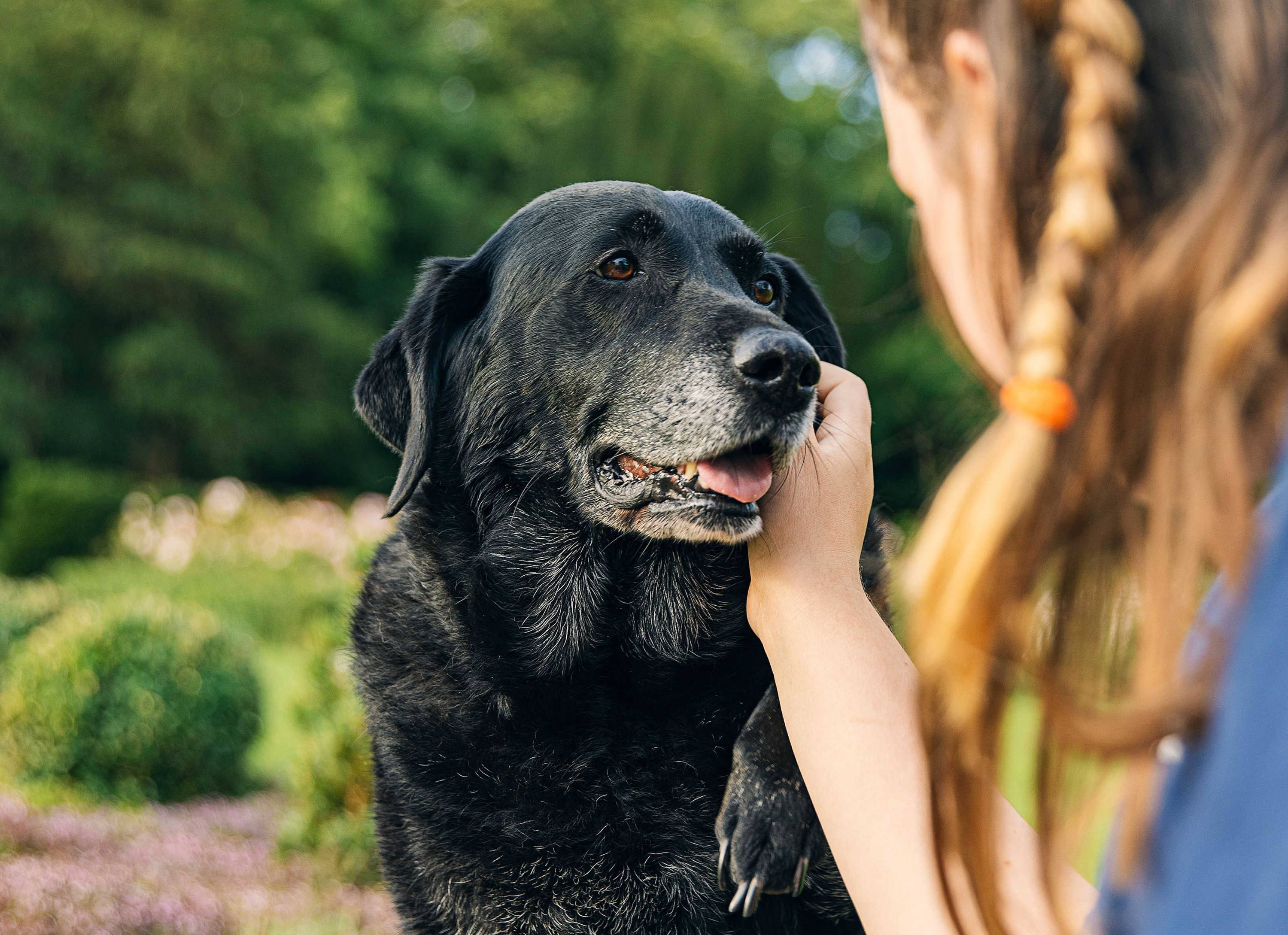
When Is a Dog Considered a Senior?
A dog is considered a senior once they reach between seven and 12 years old. The exact age depends primarily on size — larger dogs have shorter lifespans and reach their senior years sooner, while smaller dogs tend to live longer. Here is how senior age breaks down by breed size.
Small breed senior dog age
Small dog breeds like the Toy Poodle, Chihuahua, Pug, Pomeranian, and Yorkshire Terrier are considered seniors after the age of 11–12.
Medium breed senior dog age
Medium dog breeds like the English Cocker Spaniel, Bulldog, Boxer, Dalmatian, and Basset Hound are considered seniors after the age of 10.
Large breed senior dog age
Large dog breeds like the German Shepherd, Labrador Retriever, Golden Retriever, Rottweiler, and Australian Shepherd are considered seniors after the age of 8.
Giant breed senior dog age
Giant dog breeds like the Great Dane, Newfoundland, Irish Wolfhound, Mastiff, and Bernese Mountain Dog are considered seniors after the age of 7.
Understanding when your dog enters their senior years matters. Recognizing this transition helps you anticipate age-related health changes and adjust their care to maintain the best possible quality of life. Read more about how dog's really age.
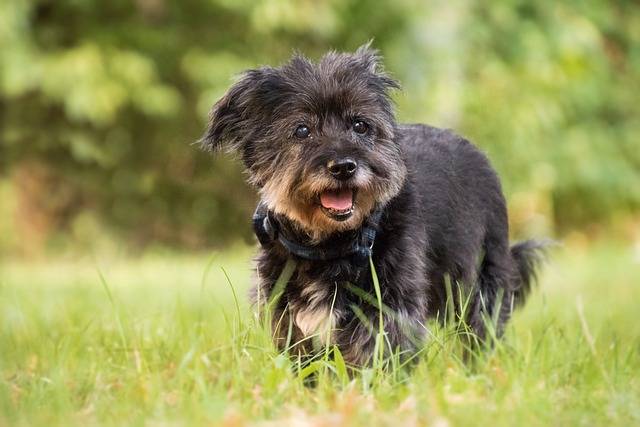
What to Expect in Newly Senior Dogs
Changes in your senior dog will not happen overnight, but recognizing them early allows you to provide better support as they age.
Reduced mobility
Dogs naturally slow down with age as energy levels decrease. The risk of arthritis and hip dysplasia also increases, so watch for signs of pain or discomfort that accompany reduced mobility.
Change in appetite
Senior dogs may lose interest in treats they once loved or eat less than usual. Smell and taste receptors weaken with age, which can influence appetite and food preferences. Senior dogs also have a lower maintenance energy requirement (MER) because their energy output drops as they become less active — meaning they do not need to eat as much to fuel their daily needs.
Weight gain
Even if your senior dog is eating less, they may still be at higher risk for weight gain. A slower metabolism, decreased energy levels, and age-related thyroid or hormonal conditions can all contribute to geriatric weight gain.
Increased allergies
As dogs age, their immune system may not function at full capacity, increasing the likelihood of worsening allergic conditions. Existing allergy symptoms may intensify, or your senior dog may develop new allergies altogether.
Changes to skin and coat
A thinning coat is a common part of the aging process, making your dog's fur look less full or vibrant with more dander than usual. Significant hair loss or bald patches should be evaluated by your veterinarian to rule out causes like hormone-related alopecia, external parasites, and secondary skin infections.
Dry, scaly, or itchier skin can also become more common in senior dogs. Dermatitis (skin irritation) tends to be more prevalent in older dogs who are at higher risk for allergies, vitamin deficiencies, and hormonal abnormalities.
Joint stiffness or pain
Arthritis causes inflammation of the joints, leading to pain, stiffness, and reduced mobility. According to the Arthritis Foundation, one in five dogs will develop arthritis as they age. The condition is more common in breeds like German Shepherds and Labrador Retrievers, as well as in senior dogs, obese dogs, and dogs with a history of excessive physical exertion.
How to Support Senior Dogs
Senior dogs need more support than younger or middle-aged dogs. Physical accommodations, dietary adjustments, and targeted supplements can all make a difference. Here are practical ways to support your senior pet.
Consider senior dog adoption
Senior pets are often abandoned when they develop health issues, when their older owner passes away, or when their family can no longer care for them. Younger dogs and puppies have about a 60 percent adoption rate, while senior pets have only a 25 percent adoption rate. Many senior dogs do well in quieter households, making them a great fit for empty-nesters and work-from-home pet parents.
Strengthen allergy support
Your senior dog may be more prone to both new allergies and worsening existing symptoms. A daily or seasonal allergy supplement like DermaBliss Advanced Seasonal Allergy Health Chews can be a smart investment for their long-term immune health.
Discuss dietary adjustments with your veterinarian
If your dog is eating less, make sure they are still getting enough nutrients to stay healthy. Whether from their primary food or through supplements, vitamins, minerals, and omega fatty acids are important for senior dogs. YuMOVE Tasty Health Bites provide comprehensive daily nutritional support.
Make your home easier to navigate
Keep your dog's cushioned bed in an easily accessible location away from cold or drafty areas, which can aggravate arthritis pain. If your dog likes to join you on the couch or bed, consider building or purchasing pet-safe steps to help them reach elevated surfaces safely.
Invest in daily hip and joint support
Daily joint supplementation is especially important for breeds prone to arthritis and hip dysplasia, but it benefits all senior dogs by keeping joint and connective tissue healthy. YuMOVE hip and joint supplements are formulated to support comfortable movement and active play in dogs of all ages.
Maintain regular grooming and skin support
Your dog's coat and skin become thinner with age, but you can still keep their skin barrier and fur healthy. Maintain a bath schedule every two to three months with a gentle DermaBliss Anti-Itch Shampoo, and brush regularly to support natural shedding and exfoliation. For skin support from the inside out, the DermaBliss skin care collection includes supplements with fish oil to promote a healthy coat.
Support digestive health with probiotics
For senior dogs with sensitive stomachs, adding a probiotic supplement can help with nausea, vomiting, and diarrhea. Glandex Probiotic & Prebiotic Soft Chews support digestive balance and overall gut health.
A senior dog's age may mean making adjustments to their routine, but it does not diminish the value of their companionship. Talk to your veterinarian for senior-specific recommendations, or request testing if you suspect your dog needs additional support.