



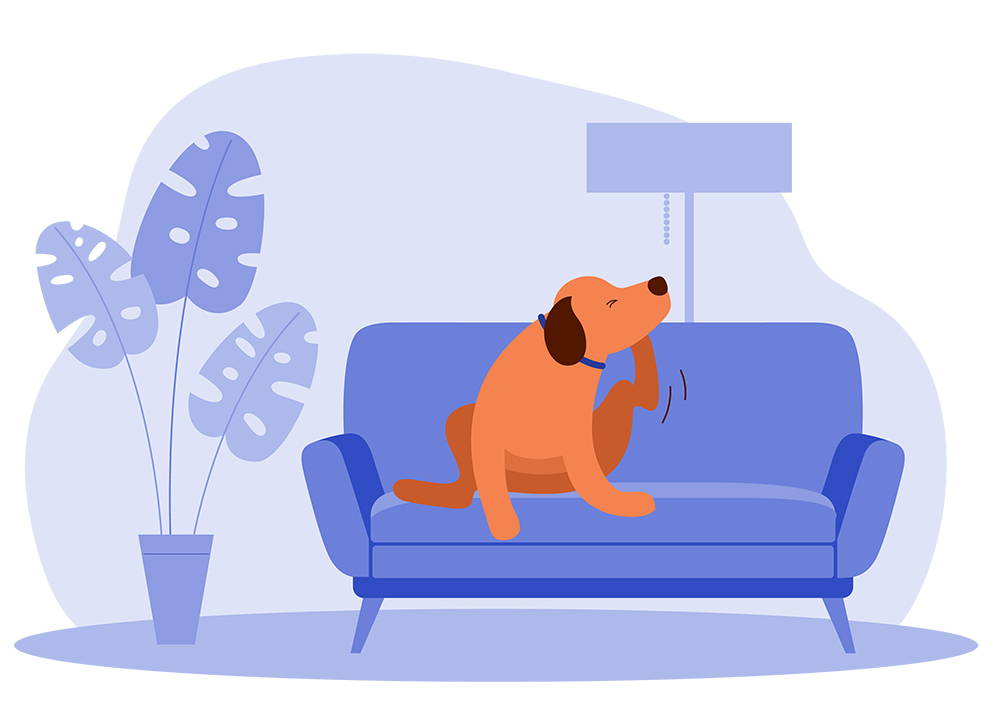
Yeast is a type of fungus that lives in your dog's body. Under the right circumstances, it is a healthy part of your dog's microbiome. Under the wrong circumstances, it can become an unwelcome guest. Most commonly found on the skin, in the ears, and along mucous membranes of the nose and mouth, yeast plays an important role in maintaining balance within your dog's microbiome. Unfortunately, this balance can be easily disrupted, leading to infections that cause discomfort, inflammation, and other health complications.
What Is Yeast?
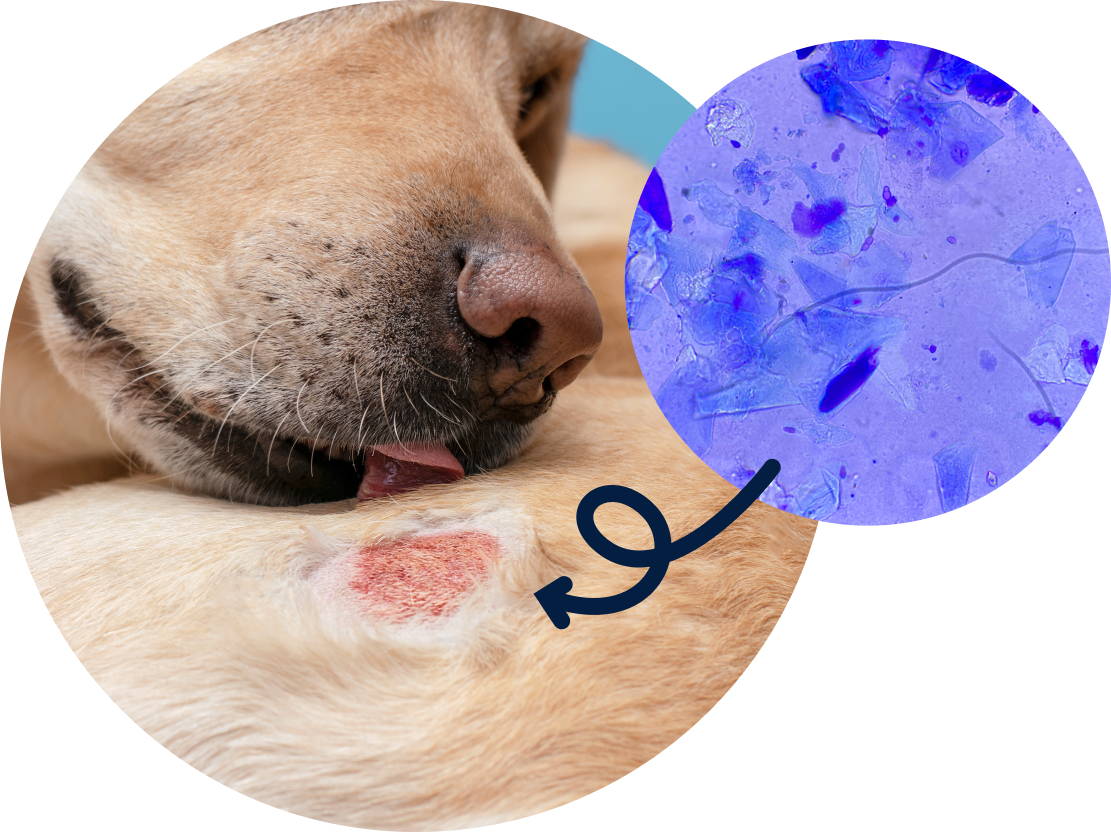
Yeast is a single-celled fungus that reproduces rapidly in warm, moist environments. Unlike bacteria, yeast does not need sunlight to grow, allowing it to thrive in dark, damp places like dogs' ear canals, between toes, and in skin folds. The most common yeast species affecting dogs is Malassezia pachydermatis. This opportunistic organism is naturally present in small amounts on most dogs, but an overgrowth can cause infections.
Common Types of Yeast Affecting Dogs
While Malassezia pachydermatis is the primary yeast linked to skin and ear infections, other fungal species like Candida can occasionally overgrow, especially in the gastrointestinal tract. Each type of yeast has unique characteristics, but the symptoms they cause commonly overlap.
Yeast as a Natural Part of the Microbiome
Your dog's microbiome is a community of bacteria, fungi, and other microorganisms living in harmony, working together to support overall health. As a fungus, yeast is a normal part of this ecosystem, helping to maintain balance and prevent harmful pathogens from multiplying. However, changes in your dog's health or environment can disrupt this balance, leading to excessive yeast growth.
When Yeast Becomes Problematic
When your dog's immune system is weakened, the usual safeguards that keep fungal growth in check can falter, allowing an overgrowth to happen more easily. Triggers include seasonal allergies, hormonal imbalances, and environmental factors such as heat and humidity. Most yeast infections are localized to the skin or ears, where they can cause significant discomfort without timely diagnosis and treatment.
What Causes Yeast Infections in Dogs?
Yeast infections in dogs can be caused by a variety of internal and external factors. By understanding the common causes, you can take proactive steps to reduce your dog's risk of developing these infections.
Underlying Health Issues
Several underlying health conditions and specific breeds make some dogs more susceptible to yeast infections. In most cases, addressing certain factors can help prevent recurrence.
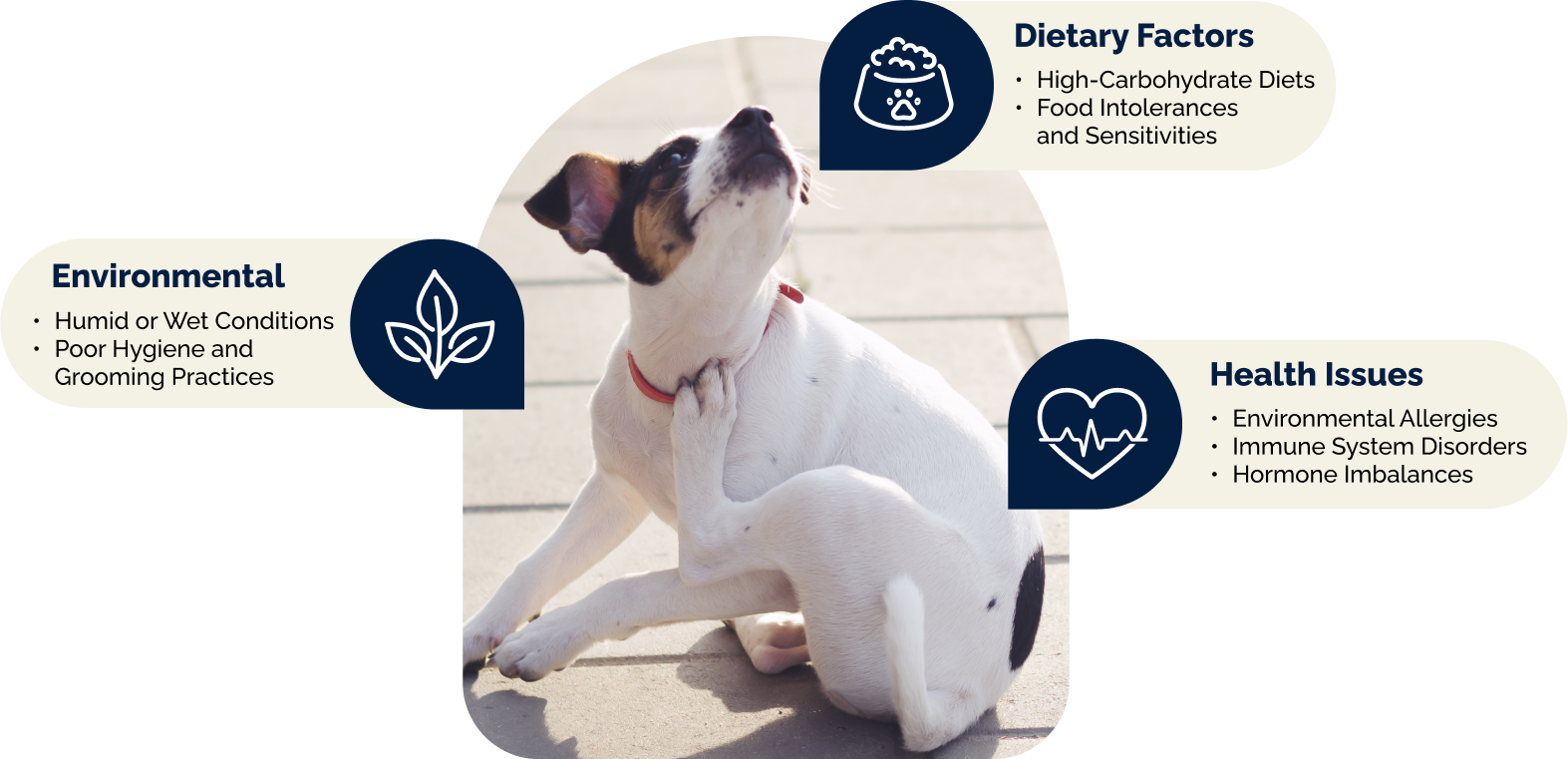
Allergies (food and environmental). Seasonal allergies can compromise your dog's skin barrier by causing cracks and weaknesses where yeast can thrive. One example is atopic dermatitis, a common allergic skin condition that is often linked to yeast overgrowth. Common allergens include pollen, mold, dust mites, and food ingredients like chicken or grains. DermaBliss Advanced Seasonal Allergy Health Chews provide daily allergy and immune support for dogs prone to skin sensitivities that can contribute to yeast overgrowth.
Immune system disorders. A weakened immune system leaves dogs more vulnerable to yeast infections. Dogs undergoing chemotherapy, living with autoimmune diseases, or recovering from illness often experience microbial imbalances that allow yeast to flourish.
Hormonal imbalances (hypothyroidism and Cushing's disease). Dogs with hypothyroidism or Cushing's disease have a higher risk of yeast infections because these conditions alter the skin's natural defenses and affect oil production, making it easier for yeast to grow out of control. Hormonal imbalances also suppress immune function.
Environmental Factors
Your dog's environment plays a significant role in promoting and preventing yeast infections.
Humid or wet conditions. Yeast thrives in moisture-rich environments. Dogs frequently exposed to wet grass, puddles, or damp bedding are at risk. Breeds with skin folds or flaps, such as Bulldogs or Shar-Peis, are especially susceptible in humid climates.
Poor hygiene and grooming practices. Not grooming enough can lead to a buildup of oils and debris, feeding yeast and creating ideal conditions for overgrowth. On the other hand, overbathing with harsh shampoos can strip away protective oils, disrupting the skin's microbiome.
Dietary Factors
Yeast infections are often linked to diet, especially in dogs with sensitivities or allergies.
High-carbohydrate diets. Carbohydrates break down into sugars, which yeast uses for energy. Dogs on high-carb diets containing excessive grains or fillers may experience more frequent yeast overgrowth.
Food intolerances and sensitivities. Certain foods can trigger inflammation in sensitive dogs, weakening the skin's defenses. Protein sources like beef, chicken, or dairy are common food allergens for dogs that can contribute to yeast infections.
If you want to prevent yeast infections, start by addressing these underlying causes. A healthy diet, regular grooming, and proactive care for allergies or hormonal conditions can significantly reduce your dog's risk.
Signs and Symptoms of Yeast Infections
Yeast infections might look different depending on where they are on your dog's body. Symptoms like redness and itching are common to all types of yeast infections, but different areas of the body might present unique symptoms. Recognizing these signs early helps avoid complications and get your dog relief as quickly as possible.
Skin-Related Symptoms
Skin yeast infections are often the first sign of an overgrowth problem. Dogs with skin infections may show the following symptoms.
Itching, redness, and inflamed skin. Yeast overgrowth irritates the skin, causing your dog to repeatedly scratch, bite, or rub the affected areas.
Greasy or oily skin. Yeast infections alter the skin's oil production, resulting in greasy or waxy patches on the skin.
Thickened, darkened, or flaky skin. Chronic yeast infections can lead to thickened, leathery skin and hyperpigmentation (dark spots). Dandruff-like flakes might also appear in affected areas.
Hair loss or bald patches. Excessive scratching or biting can lead to hair loss around areas where infection is present.
For daily skin support and relief from allergy-related itching that contributes to yeast overgrowth, browse the full DermaBliss allergy and skin care collection.
Ear-Related Symptoms
Yeast can be a common issue in the ears, especially for breeds with long or floppy ear anatomy. The ear canal is warm and moist — ideal conditions for fungal growth. For a deeper dive into ear yeast infections specifically, see our guide on dog ear yeast infections.
Persistent head shaking or tilting. Dogs with ear infections often shake their heads or tilt them to one side to alleviate discomfort.
Scratching at ears. Red, inflamed ears accompanied by frequent scratching are classic signs of yeast otitis (yeast-related ear infection).
Foul odor and discharge. Yeast infections produce a musty smell and a waxy discharge that can appear yellow, brown, or black.
For daily ear cleaning and yeast management, OticBliss Antibacterial and Antifungal Ear Flush removes debris while delivering antifungal ingredients. For active infections, OticBliss Vet Strength Ear Drops provide targeted antimicrobial and anti-inflammatory relief. Browse the full OticBliss ear health collection.
Paw-Related Symptoms
Paws are another common site for yeast infections, especially in dogs that lick or chew their feet excessively.
Red, itchy paws. The skin between the toes becomes inflamed and tender.
Excessive licking or chewing. Dogs may obsessively lick their paws, sometimes causing secondary wounds or infections.
Brownish fur discoloration and foul odor. Chronic infections can stain the fur and create a strong, yeast-like smell.
If you notice any of these signs, make an appointment with your veterinarian to confirm the diagnosis and start treatment as soon as possible.
Diagnosis of Yeast Infections
Diagnosing yeast infections in dogs requires careful evaluation by your veterinarian — they are the only one who can recommend the right treatments for what is affecting your dog. While some symptoms of yeast infections such as itching, redness, and odor are obvious, they can overlap with other conditions like bacterial infections, allergies, or parasitic infestations. Your vet will run diagnostic tests to determine if yeast or something else is causing your dog's symptoms.
Physical examination. During a physical exam, the veterinarian inspects affected areas for signs of yeast overgrowth: greasy skin, discolored fur, or characteristic musty odors. Observing your dog's behaviors, such as head shaking or paw licking, can offer further clues.
Skin cytology. This involves collecting a sample from the infected area of skin using a swab or scrape. The sample is stained and viewed under a microscope to confirm or rule out the presence of yeast.
Tape impressions. A piece of adhesive tape is pressed onto the skin to capture yeast cells. This quick, non-invasive test is useful for detecting yeast in areas like folds or between the toes.
Ear swabs and microscopy. For ear infections, your veterinarian will collect discharge from the ear canal and examine it under a microscope. This helps distinguish yeast from other potential causes, such as ear mites or bacteria.
Fungal cultures. In persistent cases — or when a clear cause cannot be found — your vet might take a fungal culture. This involves growing the yeast in a lab setting to identify the specific species and determine its susceptibility to treatments.
Accurate diagnosis ensures that your dog receives the correct treatment, reducing the risk of complications and improving recovery time.
Treatment Options for Skin, Paw, and Ear Yeast Infections
Treating yeast infections in dogs requires a combination of topical, oral, and environmental strategies. Each treatment should be tailored to the severity and location of the infection. While mild cases can respond well to topical treatments like ointments, sprays, and shampoos, chronic or systemic infections require a more comprehensive approach. Early detection and treatment is key to preventing long-term discomfort and complications.
Topical Treatments
Topical solutions are the first line of defense against yeast infections, applied directly to the affected areas to target fungal activity.
Antifungal shampoos and wipes. Shampoos made with chlorhexidine or miconazole can help target yeast on large areas of skin. Wipes are effective for localized spots or skin folds that need concentrated treatment.
Medicated creams and ointments. For small, localized infections, antifungal creams can quickly target symptoms and help clear the infection.
Ear cleaners and drops. Medicated ear cleaners are helpful for removing wax and debris while delivering antifungal ingredients into the delicate ear canal.
Paw soaks. Soaking your dog's paws in antifungal solutions like povidone-iodine or diluted chlorhexidine can help combat yeast in hard-to-reach areas between the toes. Your veterinarian can help you determine the right ratio of ingredients to avoid further irritating tender skin.
Oral Medications
Antifungal drugs. Ketoconazole, fluconazole, and itraconazole are the most common treatments prescribed for yeast infections in dogs. These medications target yeast throughout the body, including skin, ears, and paws. Oral antifungal medications will only be prescribed by your veterinarian for severe or widespread infections.
Anti-inflammatory medications. Chronic yeast infections can cause inflammation that slows the recovery process, making anti-inflammatory drugs important for helping to reduce swelling and promote healing.
Home Remedies and Natural Treatments
While veterinary care is crucial, there are a few home remedies that can complement treatment.
Coconut oil. Applied topically, coconut oil can soothe irritation and offer natural antifungal properties.
Apple cider vinegar. Diluted in water, ACV serves as an effective rinse for yeast-prone areas like paws and skin folds.
Probiotics. Probiotics support gut health, which indirectly helps regulate yeast overgrowth. Glandex Probiotic & Prebiotic Soft Chews provide daily digestive and microbiome support with targeted Lactobacillus and Bifidobacterium strains.
Duration of Treatment and Follow-Up Care
The length of time to treat a yeast infection depends on the severity. Mild cases may resolve within 2–4 weeks, while chronic infections may require longer care. Most veterinarians will schedule follow-up visits to ensure the infection resolves as expected and to reduce the risk of recurrence.
Prevention of Yeast Infections
Preventing yeast infections in dogs requires a proactive approach that addresses hygiene, diet, and overall health. By creating an environment that is unfriendly to yeast, you can significantly reduce the likelihood of infections.
Proper Hygiene and Grooming
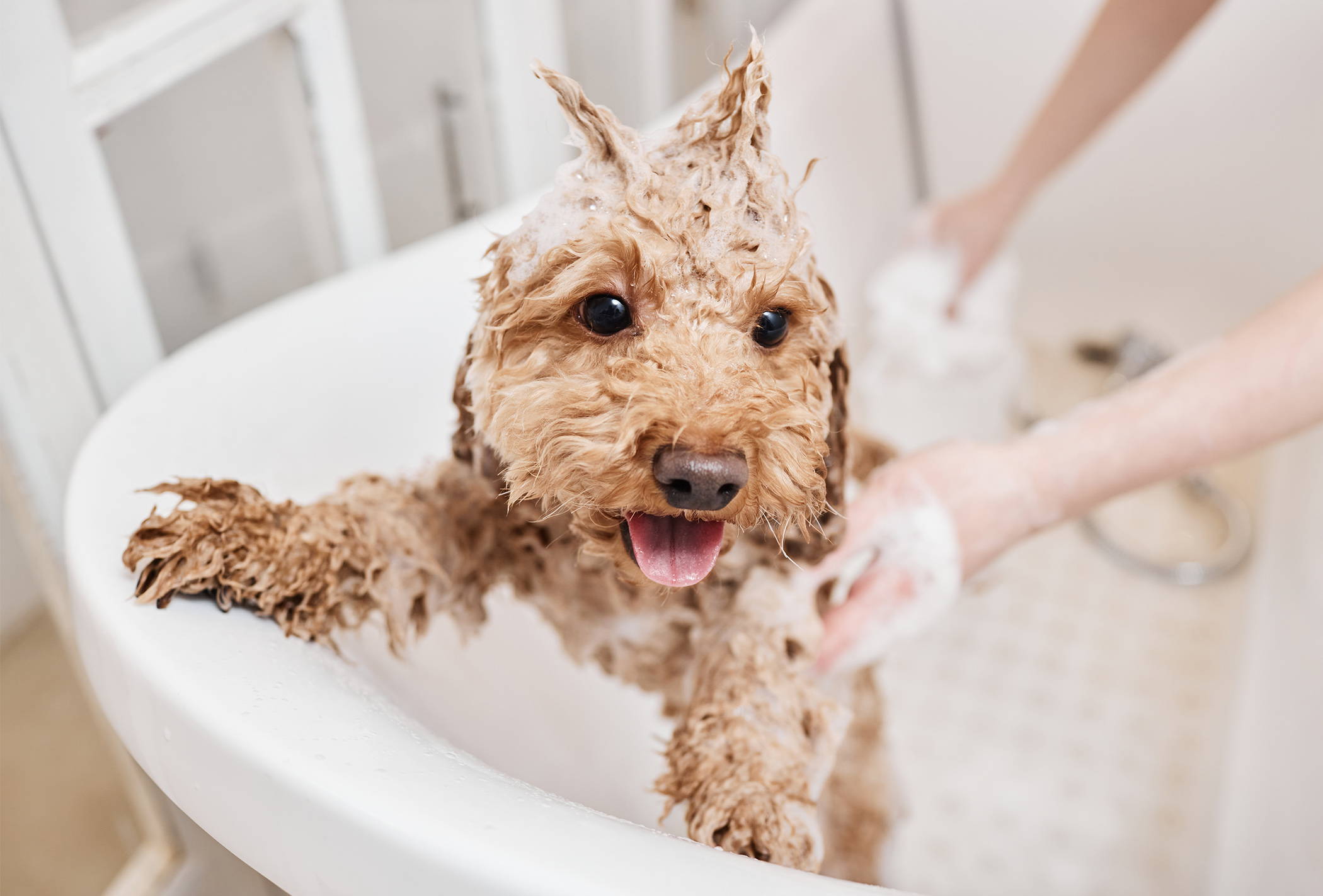
Helping your dog maintain a clean, dry coat is crucial for skin health. Regular bathing with a gentle, dog-friendly shampoo can help remove excess oils and debris. Pay special attention to areas prone to moisture, such as ears, folds, and paws. For dogs with thick coats, drying thoroughly after bath time or swimming is vital to preventing the damp conditions that encourage yeast growth.
Keeping Skin and Ears Dry
Moist environments promote yeast growth. Use absorbent towels or pet-safe drying sprays and wipes to eliminate moisture after your dog has been in water or humid conditions. Focus on moisture-prone areas: ears, folds, and paws.
Optimizing Diet
Yeast thrives on sugars and carbohydrates. Feeding a low-carb, grain-free diet can help prevent overgrowth — consult your veterinarian before making significant changes to your dog's diet. To support a healthy gut microbiome, incorporate probiotic-rich foods or probiotic supplements into your dog's diet.
Regular Veterinary Check-Ups
Routine exams help your veterinarian catch early signs of yeast overgrowth and address any underlying health conditions, such as allergies or hormonal imbalances, before they lead to infections.
Managing Underlying Health Conditions
If your dog has allergies, hypothyroidism, or another condition that puts them at higher risk for yeast infections, work with your veterinarian to develop a tailored treatment and prevention plan.
Other Types of Yeast Issues in Dogs
Skin, paw, and ear infections are the most common yeast-related problems in dogs, but yeast can also overgrow in other areas of the body. Familiarizing yourself with these less common types of yeast infections can help you stay ahead of potential risks.
Yeast Overgrowth in the Paws (Pododermatitis)
"Pododermatitis" refers to inflammation of the paws, where yeast is a frequent issue. Dogs prone to seasonal allergies — or those frequently exposed to wet environments — are at higher risk.
Symptoms. Red, itchy paws, swelling between the toes, and excessive licking or chewing. Chronic cases may cause a strong odor and discoloration of fur around the paws.
Causes. Moisture trapped between the toes, seasonal allergies, or secondary infections caused by cuts or abrasions.
Yeast Overgrowth in the Genital Area
Excess moisture and poor grooming habits can lead to yeast infections in the genital region, especially in dogs with long hair or skin folds in this area.
Symptoms. Redness, irritation, excessive licking, and foul odor.
Causes. Poor hygiene, hormonal imbalances, or conditions like diabetes that can alter the microbiome balance.
Yeast in the Gut (Dysbiosis)
Dysbiosis occurs when the balance of good and bad microorganisms in the gut is disrupted. Yeast overgrowth in the gastrointestinal tract often results from antibiotic use or diets high in carbohydrates.
Symptoms. Diarrhea, bloating, flatulence, and poor appetite. Dogs may also show signs of lethargy, or their coat may take on a dull appearance.
Causes. Antibiotics, which can kill beneficial gut bacteria, or immune suppression due to illness.
For gut dysbiosis and digestive microbiome support, Glandex Probiotic & Prebiotic Soft Chews deliver targeted Lactobacillus and Bifidobacterium strains to help restore microbial balance.
Yeast in the Nails or Nail Beds
Trauma or excessive moisture can create an environment for yeast to thrive around the nails.
Symptoms. Swollen, red nail beds; brittle nails; and pain during walking or paw handling.
Causes. Injuries, overgrown nails, or walking on wet surfaces.
Yeast in Nasal or Oral Cavities
Yeast infections in the nose or mouth are rare but can occur more often in immunocompromised dogs.
Symptoms. Bad breath, inflamed gums, nasal discharge, or sneezing.
Causes. Spread of yeast from nearby areas such as ears or skin, or immune suppression.
Systemic Yeast Infections (Rare and Severe)
Systemic yeast infections occur when yeast spreads throughout the body, often due to a severely compromised immune system. These cases are rare but serious.
Symptoms. Lethargy, fever, weight loss, and poor overall health.
Causes. Advanced chronic illnesses or treatments like chemotherapy that suppress the immune system.
Letting your veterinarian know about any of these symptoms is important for getting your dog the support they need, especially for these less common types of yeast infections. Addressing underlying causes and creating a custom treatment plan with your vet can significantly improve your dog's quality of life.
Yeast vs. Other Skin and Ear Issues
Because yeast infection symptoms overlap with several other conditions, accurate veterinary diagnosis is essential before starting treatment. Here is how yeast infections compare to other common conditions.
Yeast infections vs. bacterial infections. Yeast infections often present with greasy or oily skin, a musty odor, and brown or black ear discharge. Bacterial infections are more likely to involve pus, swelling, and yellow or green discharge.
Yeast infections vs. parasitic infestations (mange, fleas). Yeast infections cause itching and redness but no visible parasites. Parasitic infestations typically show evidence of mites, fleas, or ticks, along with localized hair loss and intense scratching.
Yeast infections vs. fungal infections (ringworm). Yeast infections affect moist areas and are greasy to the touch. Ringworm appears as circular, scaly patches of hair loss and is highly contagious to humans and other animals.
Yeast infections vs. ear mites. Ear mites cause intense itching and a coffee-ground-like discharge, while yeast infections produce a waxy discharge that smells yeasty or beer-like. Diagnosis requires an ear swab to identify the presence of mites under a microscope.
If you are unsure about the symptoms you are seeing, partner with your vet to get the correct diagnosis and start treatment as soon as possible.
Diet and Yeast: What to Feed and What to Avoid
Diet plays a major role in preventing and managing yeast infections. Yeast thrives on sugar and carbohydrates, so feeding your dog a balanced, low-carb diet can help keep it in check.
Foods to Include
High-quality protein sources. Lean meats like chicken, turkey, or fish provide essential nutrients for healthy skin and immune function.
Probiotic-rich foods or supplements. Yogurt (unsweetened) or vet-approved probiotic supplements support gut health, which can help balance yeast levels.
Anti-inflammatory ingredients. Foods containing omega-3 fatty acids, such as fish oil or flaxseed, can help target inflammation and support skin health.
Foods to Avoid
High-carbohydrate foods. Avoid grains like wheat, corn, and rice, and any treats or foods with added sugar. Carbohydrates feed yeast and contribute to overgrowth.
Processed foods. Fillers and artificial additives can exacerbate allergies and disrupt the microbiome.
One of the best ways to reduce your dog's risk of yeast infections is to help them maintain a balanced diet that has only the nutrients they need. Not sure where to begin? Your veterinarian can help you develop a diet plan if your dog is prone to these issues.
Resources and Further Reading
Educating yourself about yeast infections in dogs can empower you to make informed decisions about your dog's health.
Veterinary Dermatology Journals. Articles like "The Role of Malassezia in Canine Skin Diseases" offer in-depth insights into the causes and treatments of yeast infections.
American Veterinary Medical Association (AVMA). Visit avma.org for general pet health information.
Vetnique Pet Health Resources. Vetnique's collection of articles and guides on pet care provides actionable advice for managing yeast infections and other conditions.
Books on Canine Health. Titles like The Dog Owner's Home Veterinary Handbook by Debra M. Eldredge offer practical tips for managing common canine health issues.