

If you have ever noticed your dog eating grass, you are not alone. Most dogs will eat grass at some point in their lifetime. While occasional grass eating is not always a concern, frequent or persistent grass eating can sometimes point to an underlying issue worth addressing.
From digestive discomfort to nutritional gaps, here are six common reasons dogs eat grass and what you can do about it.
6 Reasons Why Dogs Eat Grass
1. Pica
When a dog eats non-food items like grass, it is a condition known as pica. Other examples include eating garbage, feces, plastic, and other items with no nutritional value. Pica in dogs can be a sign of a deficiency in minerals, nutrients, or vitamins in their diet.
Note that it is normal for puppies to mouth and chew on a variety of non-food items — including grass, shoes, and furniture — as a way to explore the world around them. This exploratory behavior is not pica and is similar to how human babies use their mouths for tactile stimulation.
2. Fiber
Dogs sometimes eat grass to increase their fiber intake. If a dog is constipated, grass can help make stool softer, bulkier, and easier to pass. This behavior can overlap with pica when the underlying cause is a diet that lacks adequate fiber.
3. Intestinal Parasites
If your dog has parasites, grass eating may be an instinctive form of self-treatment. If your dog is eating grass along with showing signs such as diarrhea, weight loss, lethargy, and worms in the stool, intestinal parasites could be the cause. Consult your veterinarian about performing fecal parasite and other diagnostic testing.
4. Anxiety
Dogs experience anxiety, and like humans, nervousness can cause stomach upset. Your dog may be eating grass as a coping mechanism or as a way to calm a stomach that has been unsettled by stress or anxiety.
5. Stomach Acid
If your dog's stomach is overly acidic, they may eat grass to help neutralize it. Increased stomach acid can be caused by stress or by eating oily, spicy, or fatty human food.
6. Upset Stomach
Dogs with an upset stomach may gulp down grass until they vomit, which can provide temporary relief from nausea. If your dog is eating grass and then vomiting, monitor for additional signs of illness including blood in the vomit, abdominal pain, dry heaving, irregular bowel movements, reduced appetite, excessive salivation, and changes in water consumption. Contact your veterinarian if any of these signs are present.
Is Eating Grass Bad for Dogs?
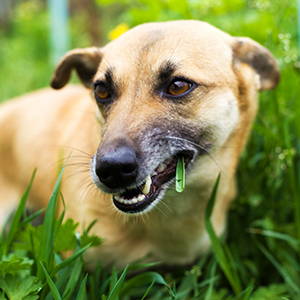
Eating grass is something wild and domestic dogs have done for thousands of years, and the grass itself is not inherently harmful. However, not all grass is safe. Depending on where your dog is eating, the grass could contain pesticides, herbicides, fertilizers, or infectious organisms including bacteria, fungi, parasites, and viruses.
Eating grass that has been contaminated with urine or stool from another animal can increase your dog's risk of exposure to bacterial, parasitic, and viral infections — especially if your dog has a compromised immune system. If the grass is generally unaffected by chemicals or excrement from other animals, occasional grass eating is not typically a concern.
What to Do If Your Dog Will Not Stop Eating Grass
Grass may be your dog's most readily available option for self-treatment, but it should not be considered a cure-all. If your dog is eating grass to manage digestive upset or to compensate for missing nutrients, discuss the behavior with your veterinarian. A probiotic and prebiotic supplement can support more balanced gut health by introducing beneficial bacteria and fiber, which may reduce your dog's desire to eat grass.
Some dogs may also simply enjoy the taste or texture of grass. While this can be harmless, it is a good idea to first rule out potential causes before assuming the behavior is benign.
If you have tried adjusting your dog's diet or daily habits and the grass eating continues, talk to your veterinarian about other potential causes. They may suggest an in-person visit to rule out intestinal worms or other parasites, gastric reflux, pancreatitis, inflammatory bowel disease, or other conditions — particularly if your dog is showing behaviors consistent with pain, discomfort, or other clinical signs of concern alongside the grass eating.