
Pet Health
· Updated March 03, 2026· 5 min read

Why Do Dogs Get the Zoomies?

✓ Vet-Reviewed Content
Vetnique Team
Written by Vetnique Team
Dr. Joya Griffin
Reviewed by Dr. Joya Griffin, DVM, DACVDVeterinary Dermatology
Last medically reviewed: March 03, 2026
Meet our Vet Advisory Board →

- Zoomies, also known as FRAPs (Frenetic Random Activity Periods), are sudden bursts of energy where dogs race around, jump, and engage in playful antics — they are completely normal and healthy behavior
- Dogs get the zoomies as a form of spontaneous exercise and physical energy release, particularly indoor dogs that may not have as many opportunities to run freely
- Instinctual behavior plays a role — zoomies channel predatory and playful behaviors inherited from wild ancestors
- Zoomies are often triggered by social interactions and can be contagious among dogs, spreading from one dog to others nearby
- Emotional states such as happiness, excitement, or stress can trigger zoomies as a way for dogs to express an overflow of emotion through physical activity
- During zoomies, ensure safety by clearing the area of obstacles and breakable items, and use a secure enclosed space like a backyard when possible
- Joining in, redirecting energy with toys or puzzle games, and using zoomie sessions as training opportunities can all support your dog's well-being
- Cats also get zoomies, though their expression is stealthier — characterized by sudden pounces, darting movements, and agile leaps rather than the all-out running typical of dogs
- Cat zoomies are triggered by excess energy, excitement, and predatory instincts, similar to dogs

Small dog running happily across a grassy area

You are relaxing at home when your dog suddenly goes from calm to full speed, racing through the room, spinning, and tail-wagging with wild energy. This is a zoomie — a sudden burst of activity familiar to most dog owners. These spontaneous episodes can be both entertaining and confusing, but they are completely normal behavior.

What Are Zoomies?

Zoomies, also known as FRAPs (Frenetic Random Activity Periods), are sudden bursts of energy where a dog darts around at high speed, changes direction rapidly, jumps, and engages in playful antics. They can happen indoors or outdoors and tend to last only a short time before the dog settles down again. Zoomies are a natural behavior seen in dogs of all ages and breeds.
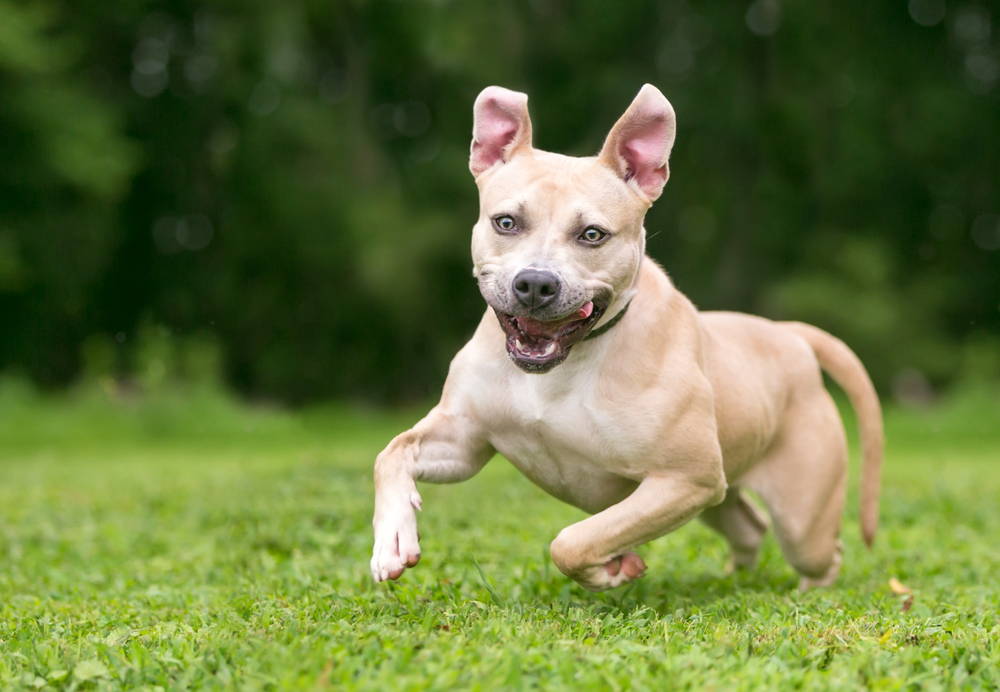
Excited dog playing and running outdoors

Why Do Dogs Get the Zoomies?

There are several reasons dogs experience zoomies, and most of them are perfectly healthy.

Physical Energy Release

Like humans, dogs need an outlet for excess energy. Zoomies serve as a form of spontaneous exercise, particularly for indoor dogs that may not have as many opportunities to run freely throughout the day. Just as physical activity helps people release tension, zoomies provide dogs with a quick, intense way to burn off pent-up energy.

Instinctual Behavior

Zoomies may appear random, but evolution plays a role. Predatory and playful behaviors were essential for survival in a dog's wild ancestors. These instincts remain encoded in their DNA. When a dog zooms around, they are channeling inherited behaviors in a safe, playful context.

Social Interaction

Dogs are social animals, and zoomies often emerge during social interactions or playdates. One dog's zoomies can be contagious, spreading to other dogs nearby. Through zoomies, dogs communicate their desire for play and invite others to join in.

Emotional Release

Dogs experience a range of emotions, and zoomies can be triggered by happiness, excitement, or even stress. A burst of emotion — after a bath, greeting a family member, or arriving at a favorite park — can overflow into frenetic physical activity. It is one of the ways dogs express an emotional surge.

Person playing with their dog indoors during a zoomie episode

What to Do When Your Dog Has the Zoomies

Zoomies are completely normal and nothing to worry about. However, there are a few things you can do to support your dog's safety and well-being during these high-energy moments.

Ensure Safety

Before a zoomie session gets going, scan the area for potential obstacles. Move breakable items out of the way and create a clear space. If possible, head to a secure, enclosed space like a fenced backyard where your dog can run without risk of injury or escape.

Join the Fun

Engaging with your dog during zoomies can strengthen your bond. Get down to their level, match their energy, and play along. Your participation adds to the excitement and reinforces your connection.

Redirect Energy

If you prefer to protect your furniture, redirect your dog's energy with fetch toys, puzzle games, or interactive treat-dispensing toys. Mental stimulation combined with physical activity keeps your dog engaged and satisfied.

Use Training Opportunities

Zoomie sessions offer a chance to practice obedience in a high-energy state. Incorporate simple commands during and after the zoomies. The transition from full-speed activity to focused response is a valuable exercise in self-control for your dog.

Dogs with joint conditions should be monitored during high-energy activity to avoid strain or injury. YuMOVE Advanced Vet Strength Hip & Joint Chews can help support joint health in dogs that are active or aging, keeping them comfortable during everyday movement and play.

Do Cats Get the Zoomies?

Cats also experience zoomies, though they express them differently than dogs. Cat zoomies tend to be stealthier, characterized by sudden pounces, darting movements, and agile leaps rather than the all-out running typical of dogs.

Like dogs, cats experience zoomies in response to excess energy, excitement, and predatory instincts. If your cat suddenly darts across the room for no apparent reason, you are witnessing their version of zoomies. It is a natural, healthy behavior in cats as well.

🩺
DR. JOYA GRIFFIN SAYS
"Zoomies are a natural, healthy expression of your dog's instincts and emotions. These spontaneous bursts of energy serve as a form of exercise, a release of pent-up energy, and a way for dogs to express excitement or happiness."
— Dr. Joya Griffin, DVM, DACVD , Veterinary Dermatology
Breeds commonly affected
Most at risk

Frequently Asked Questions

What are zoomies in dogs?

Zoomies, also known as FRAPs (Frenetic Random Activity Periods), are sudden bursts of energy where dogs race around, jump, and engage in playful antics. They are completely normal and healthy behavior that can happen to dogs of any age or breed. Dogs may zoom around the house or yard, change direction rapidly, and appear to be running at full speed for short periods.

Why do dogs get the zoomies?

Dogs get the zoomies for several reasons. They serve as spontaneous physical exercise and a release of pent-up energy, especially for indoor dogs. Instinctual behavior inherited from wild ancestors also plays a role. Social interactions can trigger zoomies, and they can even be contagious among dogs. Emotional states such as happiness, excitement, or stress can also set off a zoomie session.

Are zoomies normal and healthy for dogs?

Yes, zoomies are completely normal and healthy behavior. They are a natural expression of your dog's instincts and emotions. Zoomies are not a sign of a behavioral problem. They provide physical exercise and allow dogs to release excess energy in a joyful way.

What should I do when my dog gets the zoomies?

Ensure the area is safe by clearing obstacles and breakable items. If possible, move to a secure enclosed space like a fenced backyard. You can join in and play along to strengthen your bond, redirect energy using fetch toys or puzzle games, or use the session as a training opportunity by practicing simple commands during and after the zoomies.

Do cats get the zoomies?

Yes, cats also get the zoomies, though they express them differently. Cat zoomies tend to be stealthier, characterized by sudden pounces, darting movements, and agile leaps rather than the all-out running typical of dogs. Cat zoomies are triggered by excess energy, excitement, and predatory instincts.

When should I be concerned about my dog's zoomies?

Zoomies themselves are normal, but if your dog seems unable to settle down for extended periods, is running into objects, or if the behavior is accompanied by signs of distress, anxiety, or pain, consult your veterinarian. Dogs with joint issues should be monitored during high-energy activity to avoid injury.

📋
Veterinary Disclaimer

This article was reviewed by Dr. Joya Griffin, DVM, DACVD.Vetnique Labs was founded by Dr. James Bascharon, DVM, and all content is reviewed by our Vet Advisory Board. This information is not a substitute for professional veterinary advice. Always consult your veterinarian.

Vetnique Team
About the Author

Vetnique Team

The pet health and wellness team at Vetnique. Backed by veterinary science and dedicated to helping pet parents keep their dogs and cats happy and healthy.

Search