

Imodium is one of the most common over-the-counter medications that dog owners ask their veterinarians about. When a dog has diarrhea, it is natural to wonder whether the same medication that works for humans might help. Here is what you need to know about using Imodium for dogs — including when it might be appropriate, when it is not, and what alternatives may work better.
What Is Imodium?
Imodium is a brand name for loperamide, a medication commonly used in humans as an anti-diarrheal. It works by slowing down the contractions of the intestinal muscles — the contractions that cause cramping during episodes of diarrhea. This deliberate reduction in intestinal movement allows for increased water absorption, resulting in firmer stools and a decrease in the frequency and urgency of bowel movements.
Can You Give Dogs Imodium?
While Imodium is generally considered safe for dogs, it should only be used with caution and under veterinary guidance. There are many situations where a pet owner reaches for Imodium thinking it is the right choice, only for a veterinarian to determine it is actually detrimental to the dog. Before considering Imodium, it is essential to evaluate factors such as the dog's overall health, age, breed, and whether they are taking any other medications. Always consult your veterinarian before administering Imodium or any other medication to your dog.
Potential Benefits of Imodium for dogs
The primary benefit of Imodium for dogs is the alleviation of diarrhea symptoms. Whether the diarrhea is a one-time occurrence or a persistent issue, Imodium may offer temporary relief by firming stools and reducing the urgency of bowel movements. However, it is important to understand that Imodium treats the symptom — not the underlying cause — of diarrhea.
Potential Side Effects
Like any medication, Imodium carries the risk of side effects. In dogs, these may include constipation, lethargy, or more severe reactions that require veterinary intervention. Different breeds, ages, and individual dogs may respond differently to the medication. Puppies, elderly dogs, and certain breeds may have particular sensitivities or different dosage requirements. Monitor your dog closely after administering Imodium and seek veterinary attention promptly if any concerning symptoms develop.
Dosage Considerations
Imodium dosage for dogs is calculated based on body weight and must be determined by your veterinarian. The medication comes in different formulations including tablets and liquid. It is typically administered two to three times daily, and your veterinarian will provide the correct amount based on your dog's weight and condition.
In some cases, a veterinarian may recommend an initial higher dose (a loading dose) followed by a lower maintenance dose. The duration of treatment depends on the underlying cause of the diarrhea and how well the dog responds to the medication. Never attempt to determine the dosage on your own — the most appropriate and effective regimen requires veterinary input to avoid complications.
How to Prevent Diarrhea and Digestive Issues in Dogs
Prevention is often the best approach to digestive health. A well-balanced diet is the foundation — ensure your dog is getting the right nutrients, and keep treats to no more than 10 percent of their overall daily intake. Probiotics and digestive supplements can support a healthy gut microbiome and help maintain a balanced microbial environment in the digestive tract. Additionally, be mindful of what your dog has access to and keep dangerous foods, toxic substances, and small objects that could be swallowed out of reach.
Alternatives to Imodium for Dogs
While Imodium is a viable option in some situations, alternative approaches are often more effective and carry fewer risks. Dietary changes — such as a temporary bland diet — can help settle the digestive system. Increased hydration is critical, as diarrhea can lead to dehydration quickly. Fiber supplementation can help firm stools naturally and support healthy digestion. Probiotics help restore the balance of beneficial bacteria in the gut. Learn more about how probiotics help dog's with diarrhea. Other medications may also be appropriate under veterinary guidance. These alternatives are more likely to address the underlying cause of diarrhea rather than only managing the symptom.
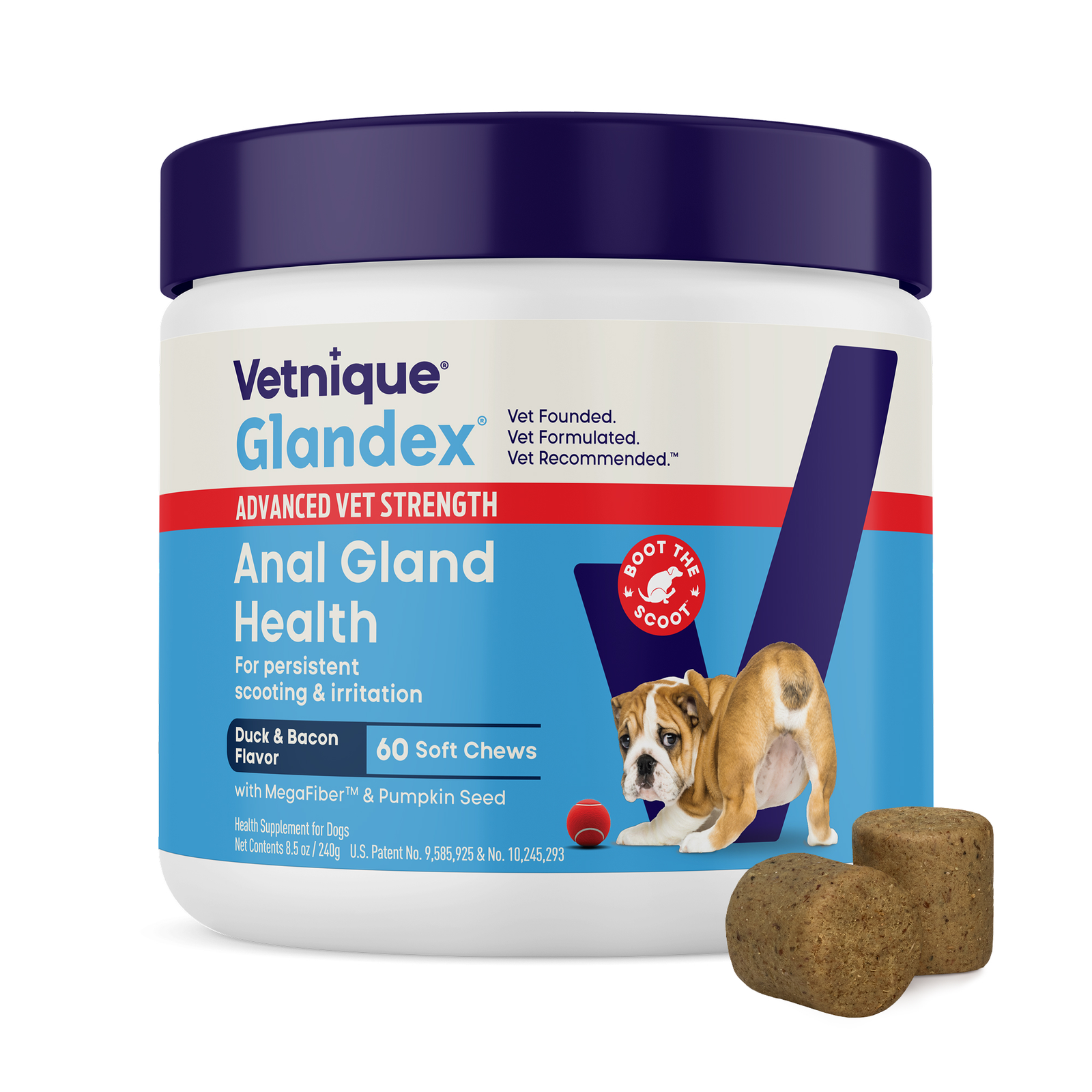
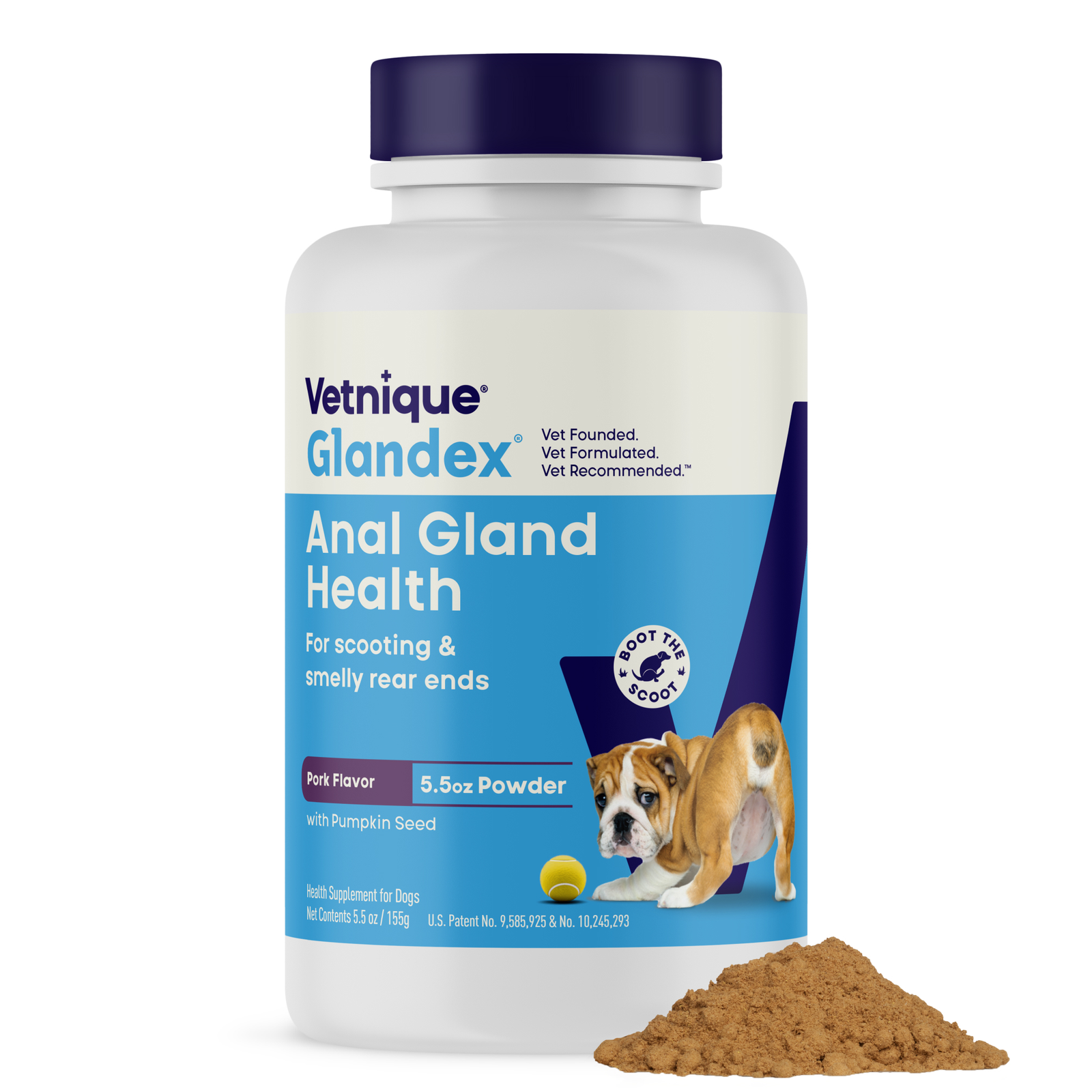
For fiber and digestive support, Glandex Soft Chews provide pumpkin-based fiber, probiotics, and digestive enzymes in a daily chew. For dogs with more severe or chronic digestive issues, Glandex Advanced Vet Strength Chews offer higher-potency fiber and probiotic support. Glandex Probiotic & Prebiotic Soft Chews focus specifically on digestive and gut health. Browse the full Glandex digestive health collection for additional options.
Additional Considerations
Diarrhea in dogs can be caused by a variety of factors including dietary indiscretions, infections, food allergies, or underlying medical conditions. While Imodium can provide temporary relief, identifying and addressing the root cause is equally important. Monitor your dog's hydration levels closely during any episode of diarrhea and ensure they have access to fresh water at all times. If dehydration becomes a concern, seek immediate veterinary attention.
The most important takeaway is to always consult your veterinarian before giving your dog Imodium. Your vet knows your dog's medical history and can provide personalized advice — including whether Imodium is appropriate or whether a different approach would be safer and more effective for your dog's specific situation.