


If your dog can clear a room with their gas, you are not alone. Many dog parents deal with the unpleasantness of a gassy pup on a regular basis. The good news is that most cases of excessive dog gas have identifiable causes — and effective solutions.
Understanding what causes gas in dogs, how to address it at home, and when to involve your veterinarian can help both you and your dog enjoy a more comfortable life together.
What Causes Gas in Dogs?
Occasional gas is normal for dogs, just as it is for humans. But chronic or excessive gas usually signals that something in your dog's digestive system needs attention. Identifying the root cause is the first step toward finding effective relief.
Upset stomach or digestive imbalance
One of the most common reasons dogs develop excessive gas is a digestive system that is out of balance. Bacterial imbalances in the gut, food intolerances, or simply eating something that does not agree with them can all lead to increased gas production. If your dog frequently seems to have an upset stomach, their diet and digestive health are worth investigating.
Sudden diet changes
Switching your dog's food too quickly is a frequent cause of gas. When the digestive system encounters new ingredients and nutrients without time to adjust, the balance of gut bacteria is disrupted and gas production increases. Always transition to new foods gradually — ideally over 7 to 10 days — to give your dog's digestive system time to adapt.
Food allergies
Food allergies are another common culprit behind dog gas. Common allergens include beef, dairy, wheat, and chicken. If you suspect your dog's gas is allergy-related, consult your veterinarian to identify the specific allergen and adjust your dog's diet accordingly. An elimination diet may be recommended to pinpoint the problem ingredient. For more on how allergies affect dogs, see our guide on allergies in dogs.
Eating too quickly
The way your dog eats can contribute to gas just as much as what they eat. Dogs that gulp their food swallow large amounts of air along with each bite, and that air has to go somewhere. Slow-feeder bowls, food puzzles, and spreading meals across a flat surface can all help reduce the speed of eating and minimize air intake.
Lack of exercise
A sedentary lifestyle can slow down digestion, causing gas to accumulate in the digestive tract rather than passing through efficiently. Regular daily exercise helps stimulate the digestive system and keep things moving. If your dog's activity level has dropped — due to weather, recovery from illness, or lifestyle changes — gas may increase as a result.

How to Relieve Dog Gas
Finding effective gas relief for your dog starts with addressing the underlying cause and implementing targeted strategies. Here are the most effective approaches.
Improve diet quality
One of the most impactful changes you can make is improving the quality of your dog's food. High-quality, easily digestible food with simple, natural ingredients produces less gas than foods loaded with artificial additives, fillers, and hard-to-digest ingredients. Look for named protein sources, whole grains or limited ingredients, and avoid foods with excessive by-products or chemical preservatives.
Support digestive health
Digestive enzymes and probiotics are two of the most effective tools for reducing gas. Digestive enzymes help break down food more efficiently in the digestive tract, while probiotics maintain a healthy balance of gut bacteria — both of which reduce the fermentation and bacterial activity that produces gas.
Supporting digestion has benefits beyond gas reduction. When digestion is working well and stools are firm and normally formed, the stool provides enough pressure to naturally express the anal glands during bowel movements. Poor digestion that produces soft or inconsistent stools — which often accompanies excessive gas — can prevent the anal glands from emptying properly, potentially leading to impaction. For more on this connection, see our comprehensive guide on anal gland issues in dogs.
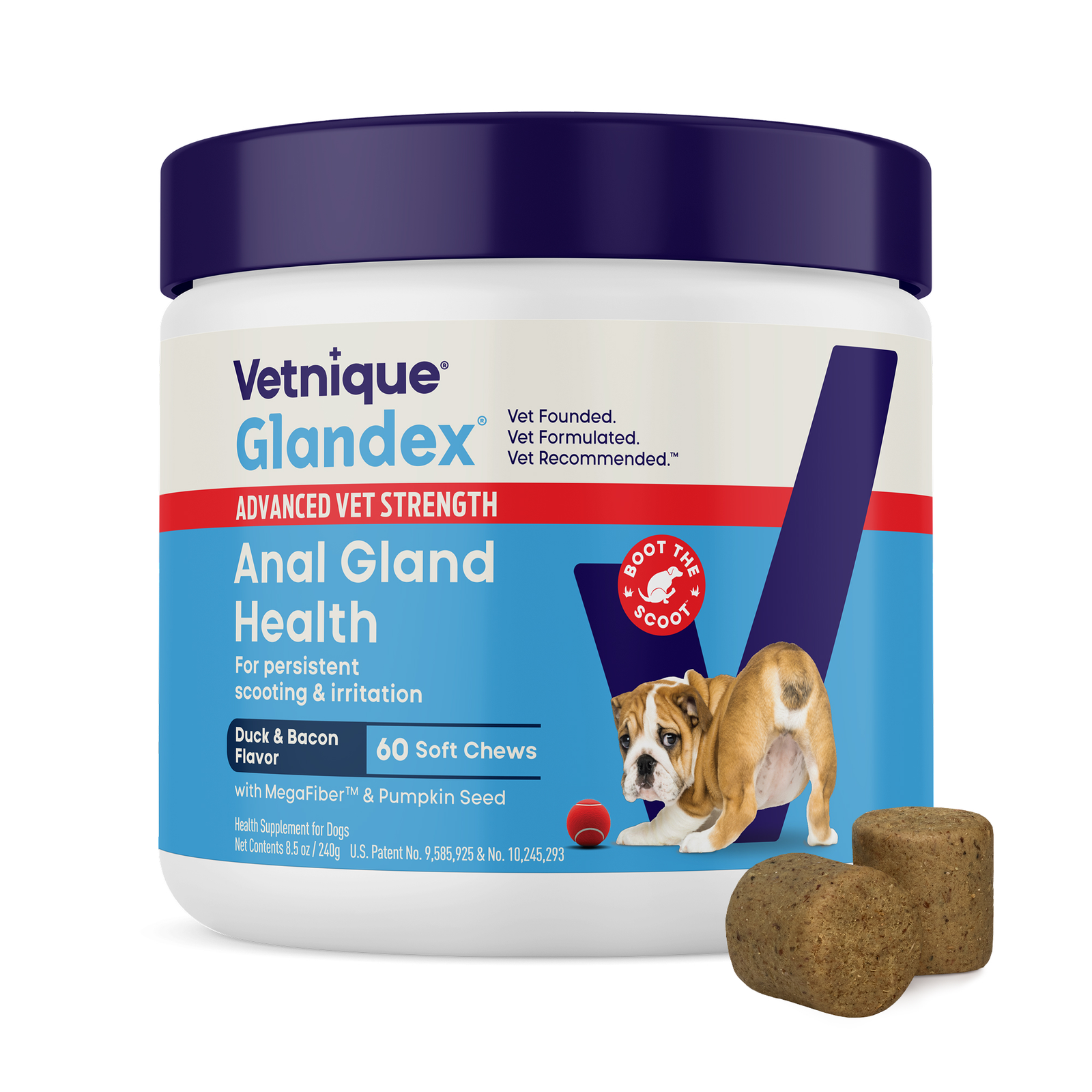
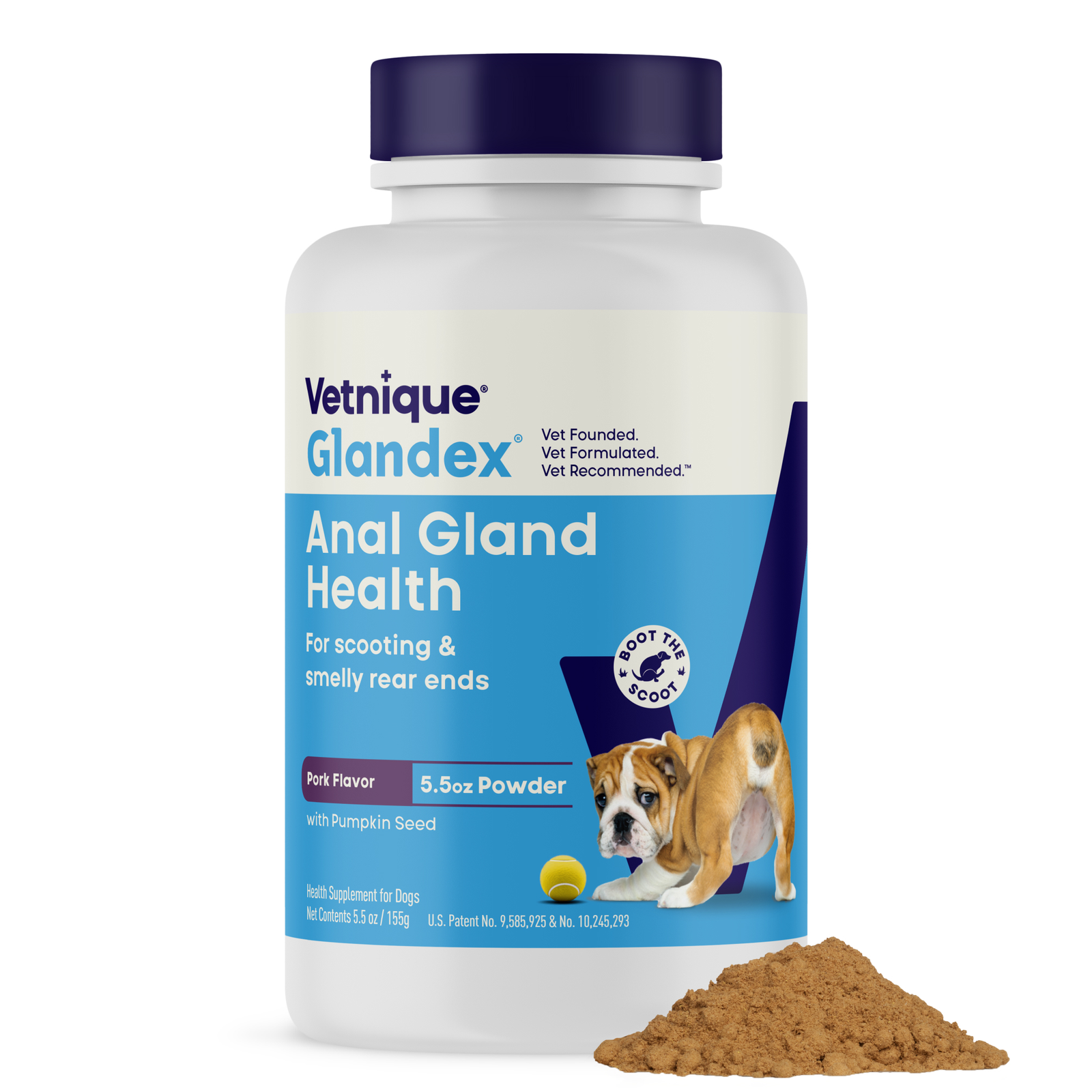
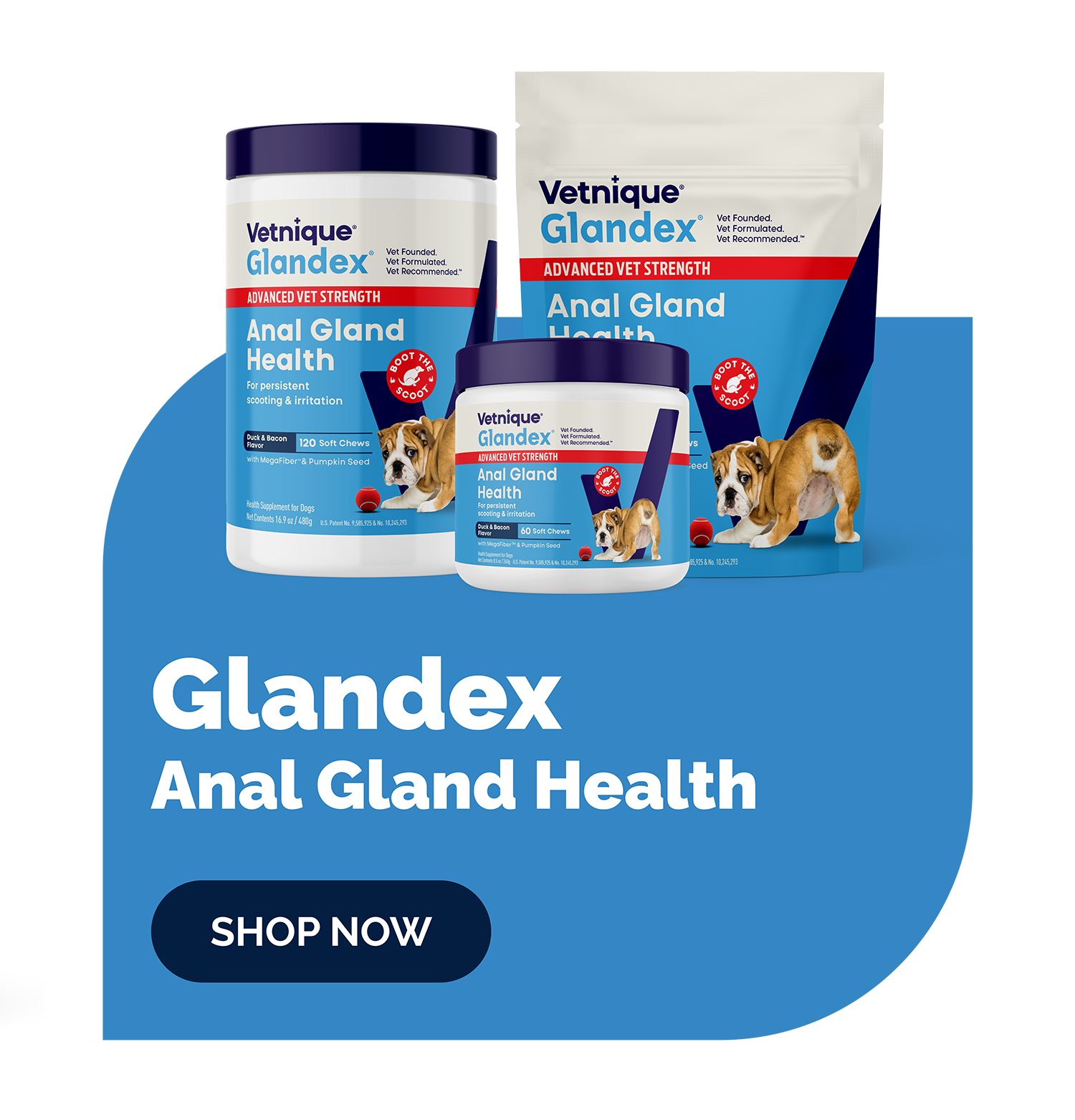
Glandex Probiotic & Prebiotic Soft Chews are formulated specifically to support digestive health with a targeted blend of probiotics, prebiotics, and fiber. For dogs already experiencing anal gland issues alongside gas, Glandex Soft Chews combine digestive support with ingredients that promote healthy anal gland function. Dogs with severe or chronic digestive and anal gland concerns may benefit from Glandex Advanced Vet Strength Chews, and picky eaters who will not take chews can try Glandex Powder mixed into food. Explore the full range in the Glandex collection.
Regular exercise
Regular physical activity helps stimulate digestion and prevent gas from accumulating in the digestive tract. Make sure your dog gets daily opportunities to run, walk, and play. Even moderate exercise like a brisk daily walk can make a noticeable difference in digestive efficiency and gas reduction.

Home Remedies for Dog Gas
Several natural home remedies can provide additional gas relief alongside dietary improvements and digestive supplementation.
Plain yogurt — Adding a small amount of plain, unsweetened yogurt to your dog's diet introduces beneficial bacteria to the gut, which can improve digestion and reduce gas. Start with a small amount to make sure your dog tolerates dairy well.
Ginger — Known for its anti-inflammatory properties, ginger can help soothe an upset stomach and reduce gas. A small amount of fresh ginger grated into food or ginger powder can be helpful, but consult your veterinarian on appropriate amounts for your dog's size.
Activated charcoal — Activated charcoal supplements are known to absorb gas and toxins in the digestive tract, providing relatively quick relief. Use only products formulated for pets and follow dosing instructions carefully.
Daily probiotics — Consistent daily probiotic supplementation helps maintain a balanced gut microbiome over time, reducing the frequency and severity of gas episodes. This is one of the most effective long-term strategies for managing dog gas.
Slow-feeder bowls — If your dog eats too fast, a slow-feeder bowl or food puzzle can dramatically reduce the amount of air they swallow during meals, cutting down on gas from the intake side.
When it comes to over-the-counter medications like Gas-X (simethicone), always consult your veterinarian before giving any medication to your dog to ensure it is safe and to confirm the appropriate dosage for their size and health status.
The most effective approach is typically a combination of dietary management, digestive supplementation, and natural remedies tailored to your dog's specific needs.
Is Dog Gas Dangerous?
Occasional gas is normal and not a health concern. However, chronic or severe gas can sometimes signal underlying problems that need veterinary attention. Persistent excessive gas can be associated with digestive disorders, infections, or more serious conditions such as gastrointestinal blockages.
If your dog's gas is accompanied by vomiting, diarrhea, significant changes in appetite, visible abdominal discomfort, or lethargy, consult your veterinarian for evaluation.
When to Consult Your Veterinarian
If home remedies and dietary changes are not reducing your dog's gas, it is time to involve your veterinarian. Persistent gas — especially when accompanied by other symptoms — warrants a professional evaluation. Your vet can conduct tests to determine the underlying cause and recommend appropriate treatment options.
For more on supporting your dog's digestive and anal gland health, explore the Glandex collection or visit our in-depth resource on anal gland issues in dogs.