


If your dog is experiencing diarrhea, probiotics may be able to help. Diarrhea can be triggered by new foods, infections, allergies, medications, stress, or dietary indiscretion — and while you work with your veterinarian to identify the cause, probiotics can ease discomfort and support the recovery of a healthy gut. Here is what you need to know about probiotics and diarrhea in dogs.

What Are Probiotics for Dogs?
A dog's gut is a community of microorganisms that needs a healthy balance of beneficial and harmful bacteria to keep the digestive system functioning properly. Probiotics are supplements that contain beneficial bacteria to support healthy digestion and boost the immune system.
Probiotics for dogs are available in several forms: powder that can be sprinkled on food and given daily based on weight, chews that have a treat-like consistency and appeal to most dogs, capsules or tablets that can be hidden in a treat or peanut butter, and liquid that can be added to water or food. Not all probiotics are the same, and your dog may need to try a few options before finding one that works well. Always follow package instructions closely to ensure the correct dosage for your dog's weight.
What Are Dog Probiotics Used For?
A healthy dog's body generally maintains the balance of digestive microbes naturally. But during times of stress, illness, or poor nutrition — whether from low-quality food, a picky appetite, or other factors — an imbalance can develop. That is when adding probiotics to the diet can help.
The most common use of probiotics for dogs is managing diarrhea. Dogs can experience diarrhea from diet changes, antibiotics or other medications, food allergies, and stress. Probiotics help rebalance the gut's bacterial community and support recovery. Beyond diarrhea, probiotics also improve how dogs digest their food — the beneficial bacteria they introduce help break down food more effectively so nutrients can be better absorbed. Probiotics also support the health of the gut lining and help crowd out harmful bacteria that can cause digestive discomfort.

Can Probiotics Help Dogs With Diarrhea?
Yes. Diarrhea disrupts the balance of bacteria in the gut, and probiotics can help restore that balance by introducing beneficial bacteria. However, it is important to remember that diarrhea may have an underlying cause that probiotics alone cannot resolve. Changes in stool quality and frequency can result from diet changes, dietary indiscretion, food hypersensitivity or allergy, or in some cases internal disease.
Probiotics can soothe the symptoms of diarrhea and help the gut function more normally, but they are not a substitute for veterinary diagnosis when a larger issue is involved. If diarrhea is chronic or excessive, consult your veterinarian to avoid complications like dehydration and to determine the underlying cause.
How Do Probiotics Help With Diarrhea?
When a dog has diarrhea, food often moves too quickly through the intestines. This means the digestive system does not have enough time to properly break down food and absorb nutrients. Probiotics address this by producing enzymes that assist in breaking down food, including complex carbohydrates, proteins, and fats, so digestion can proceed more efficiently.
Diarrhea can also cause the intestinal lining to become inflamed. Some probiotic strains have anti-inflammatory effects that help calm this inflammation and support the beneficial bacteria in the gut. When the digestive system is working effectively, food passes through the intestines at a more comfortable pace, and stools become more regular and solidly formed.
Can Probiotics Cause Diarrhea in Dogs?
It is possible but uncommon for probiotics to cause digestive upset in dogs. When it does happen, it is typically due to one of three factors: an adjustment period while the dog's digestive system adapts to the new supplement, dosage issues where too much is given at once, or strain-specific reactions where a particular probiotic strain does not agree with the individual dog's system. Starting with a small dose and increasing gradually can help minimize any temporary adjustment effects.
Probiotics for Puppies With Diarrhea

Puppies can benefit from probiotics in the same ways adult dogs do — they help restore gut balance, support digestive health, boost immunity, and soothe the gut. However, puppies have more fragile digestive systems that are still developing, so extra caution is needed.
Always consult your veterinarian before giving probiotics to a puppy, as they can recommend the appropriate type and dosage. Choose a product that is specifically formulated to be safe for puppies, and monitor closely for any side effects. There is always an adjustment period when introducing a new supplement, and any stool changes in a puppy should be reported to your veterinarian.
How Probiotics Impact a Dog's Digestive System
Probiotics can be used both short-term and as an ongoing supplement. For acute episodes of diarrhea or gas, probiotics can alleviate discomfort and promote healthier stools. As a daily supplement, they help maintain gut balance for smoother, more consistent digestion over time. This includes keeping inflammation in check and supporting the immune system — a significant portion of which is located in the gut.
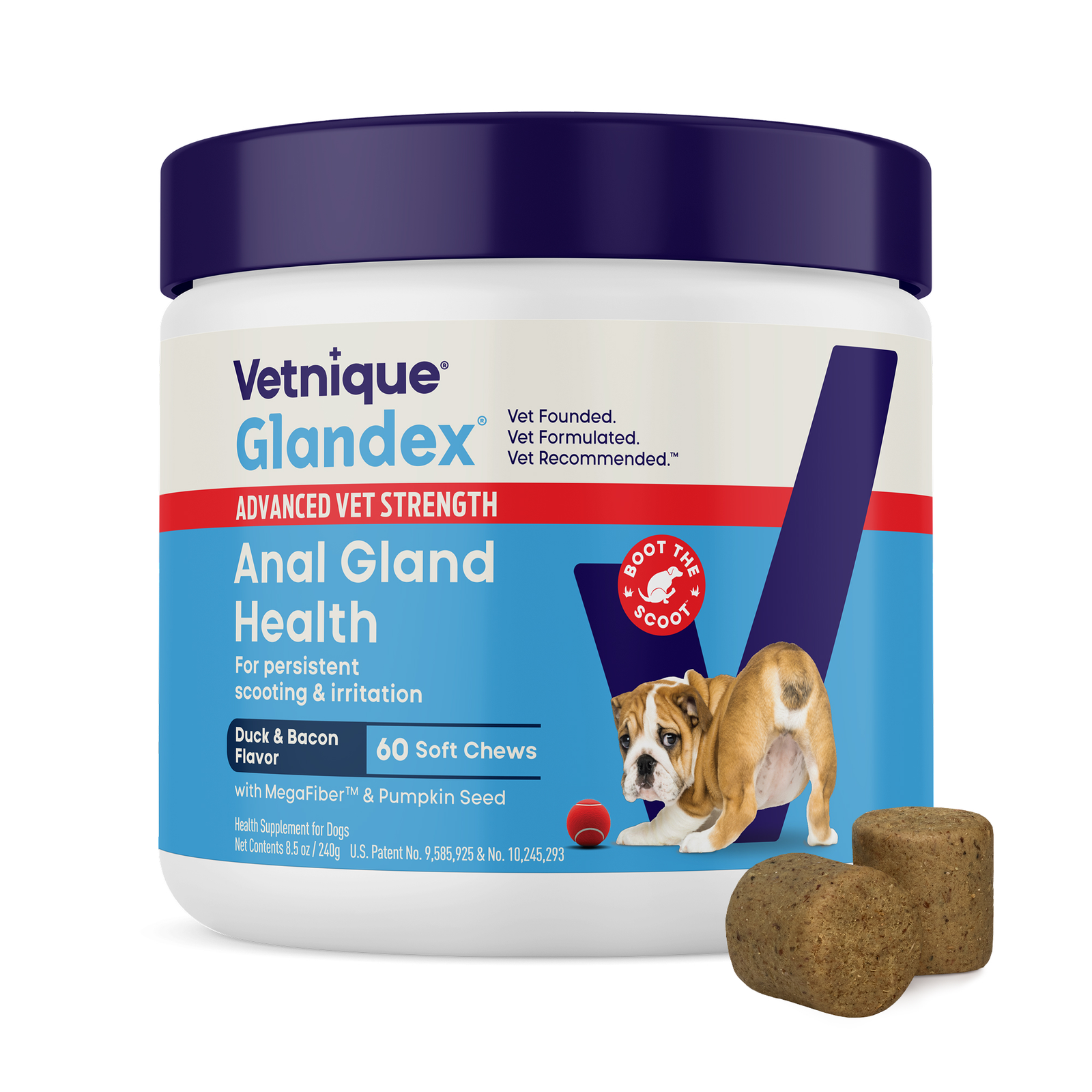
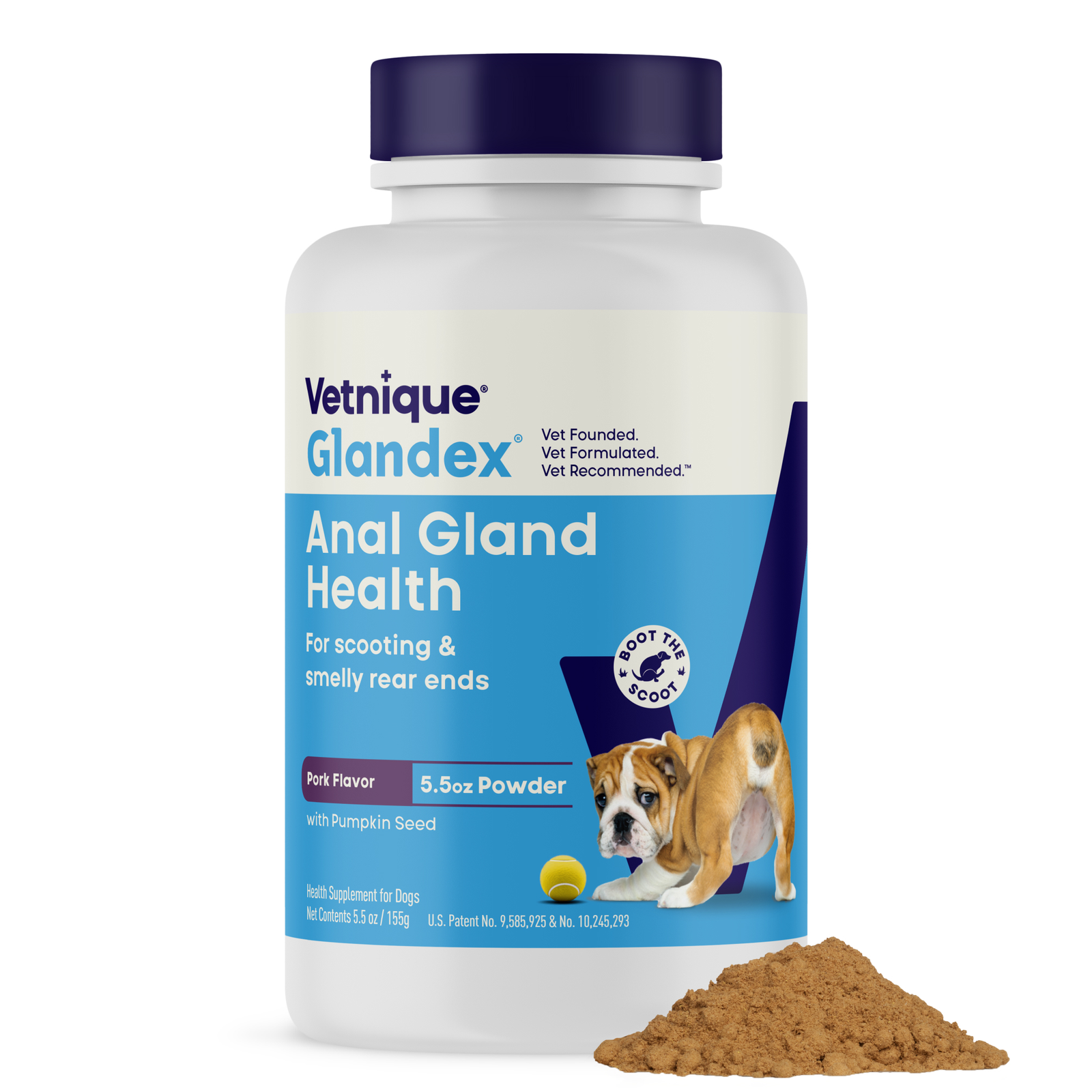
For daily probiotic and prebiotic support, Glandex Probiotic & Prebiotic Soft Chews are formulated with beneficial bacterial strains and prebiotic fiber to support complete gut health. For fiber-based digestive support that also promotes healthy anal gland function, Glandex Soft Chews combine pumpkin-based fiber with probiotics and digestive enzymes. Browse the full Glandex digestive health collection for additional options.