

Gut health is important for digestion, immune system support, and overall well-being — for dogs just as much as for humans. A healthy gut starts with good nutrition and regular exercise, but sometimes dogs need an extra boost. That is where probiotics come in. Here are six signs that your dog may benefit from a probiotic supplement, what probiotics are, and how they can help.
What Are Probiotics for Dogs?
Not all bacteria are harmful. A healthy balance of beneficial and harmful bacteria is essential for your dog's gut microbiome, ensuring the digestive system functions properly. Probiotics are beneficial bacteria that support this balance. While some dogs may consume probiotics naturally through foods like yogurt, bone broth, and fermented vegetables, many dogs are not willing to eat these options. In those cases, a probiotic supplement is an effective alternative. Probiotic supplements deliver a dose of live beneficial bacteria or yeast, helping to restore balance in the gut microbiome and promote optimal digestion.
Probiotics for dogs are available in powder, soft chew, capsule, and liquid forms. It is important to choose a probiotic specifically formulated for dogs, with bacteria strains that have been shown to benefit canine health, along with prebiotics — a type of dietary fiber that feeds the beneficial bacteria and supports their effectiveness.
6 Signs Your Dog Needs Probiotics
Many dogs can benefit from probiotics, but how do you know if your dog specifically needs them? Watching for certain signs can help you and your veterinarian make that determination. Keep notes on what you observe and when to identify any patterns — as a veterinarian, detailed observations from owners are one of the most helpful tools for determining the best course of treatment.
1. Diarrhea
Several things can cause diarrhea in dogs, but the most common trigger is an abrupt diet change. Switching dog foods suddenly, providing water from an unusual source, or your dog getting into garbage or table scraps can all disrupt the gut. Antibiotic use and underlying infections can also trigger diarrhea. Since one of the primary functions of probiotics is restoring a healthy gut and supporting digestion, they can be a good first line of support for diarrhea.
2. Irregular Potty Schedule
If your dog is going to the bathroom significantly more or less frequently than usual, their digestive system may be out of balance. Probiotics can help regulate bowel habits by improving digestion, supporting the gut lining, helping the body adjust to diet changes, and even managing the digestive effects of stressful situations.
3. Stomach Discomfort or Excessive Gas
A dog with stomach discomfort or excessive gas likely needs to rebalance their gut microbes so that food can be broken down more effectively and nutrients absorbed without discomfort. Some probiotic strains have anti-inflammatory properties that may help soothe the gut lining and reduce irritation.
4. Allergy Symptoms
Dogs can experience allergy symptoms ranging from watery eyes and sneezing to itchy skin and stomach upset. These symptoms are part of the immune response, and probiotics play a significant role in influencing that response — research suggests that 70 to 90 percent of the immune system resides in the gut.
Improving gut health may help lower the inflammatory responses that contribute to uncomfortable allergy symptoms. Additionally, evidence suggests that a healthy gut can positively impact skin health, reducing itchiness and irritation.
5. Weight Loss or Weight Fluctuation
Nutrients from food are best absorbed when a dog's digestive system is functioning well. If your dog is losing weight unexpectedly or their weight fluctuates without an obvious cause, it could point back to gut health. Probiotics may help support metabolism and fat storage regulation, helping to normalize the metabolic processes involved in maintaining a healthy weight.
6. Poor Overall Digestive Health
Probiotics can improve nutrient absorption, making them a beneficial supplement for dogs with generally poor digestive health. In addition to promoting effective digestion, probiotics help maintain regular bowel movements, which is a cornerstone of digestive health.
How to Give Your Dog Probiotics
Probiotics for dogs are specifically formulated for the canine digestive system — do not give your dog probiotics from your own supply. Dog-specific probiotics are available in several forms: powder that can be sprinkled on food, soft chews that can be given as treats, capsules or tablets that can be hidden in a treat or a small amount of peanut butter, and liquid that can be added directly to water or food.
When selecting a probiotic, consider the bacteria strains included. Some strains provide little to no benefit to pets, and others may even be harmful. Always choose a product that carries the NASC Quality Seal, and consult your veterinarian about which strain is best for your dog's specific needs.
When introducing probiotics, start with a small amount to see how your dog reacts, then gradually increase to the recommended dosage. It is normal for probiotics to cause some gas or mild stomach upset initially as the gut adjusts. Follow the dosing schedule consistently — probiotics generally need to be given continuously to maintain their benefits, as they do not permanently colonize the gut.
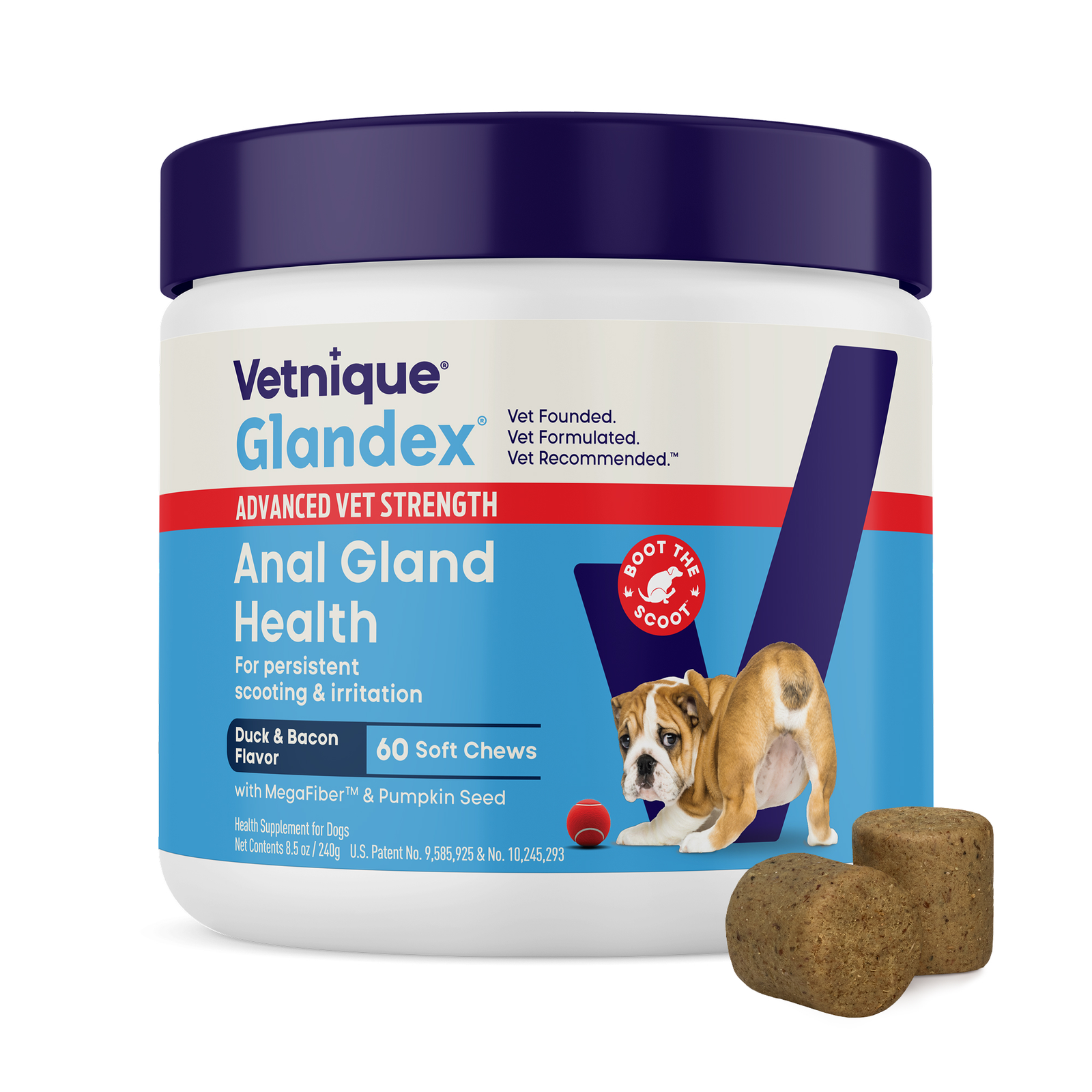
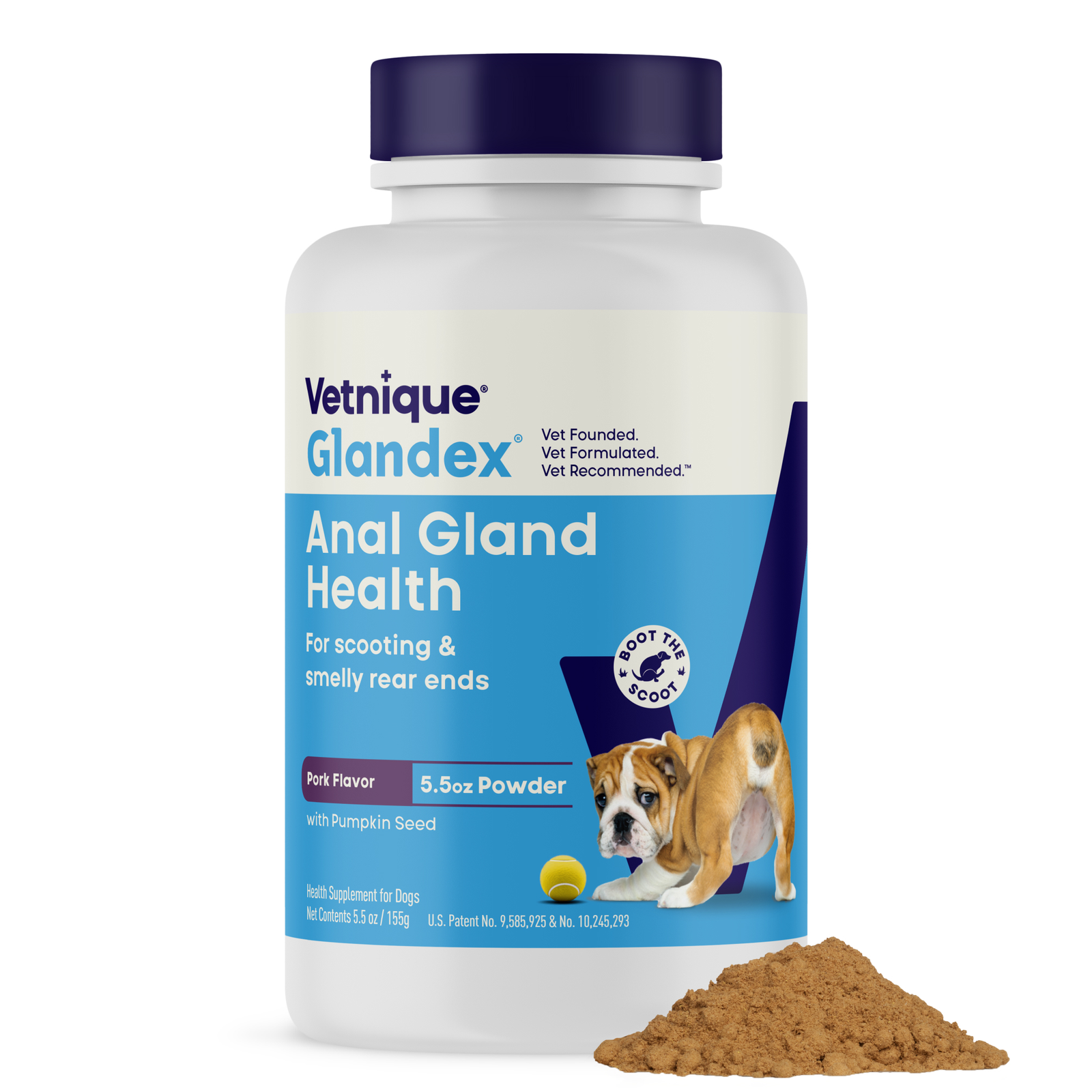
Glandex Probiotic & Prebiotic Soft Chews are formulated with beneficial probiotic strains plus prebiotics to support complete gut health in dogs. For dogs that prefer a powder format, Glandex Soft Chews combine pumpkin-based fiber with probiotics and digestive enzymes. Browse the full Glandex digestive health collection for additional options.