


Neosporin is a household staple for treating minor cuts and scrapes in humans, so it is natural to wonder whether it can safely be used on dogs as well. The short answer is yes — in certain limited circumstances — but there are important safety considerations, risks, and better alternatives to be aware of before reaching for the tube.

What Is Neosporin?
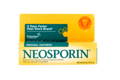
Neosporin is the brand name for an over-the-counter triple antibiotic ointment designed for human use. It has a petrolatum (petroleum jelly) base and contains three active antibiotic ingredients: bacitracin zinc, neomycin sulfate, and polymyxin B. Together, these ingredients provide effectiveness against a wide range of bacteria. Some variations of the product also include pramoxine, a local analgesic (pain reliever).
Neosporin is typically used to treat minor skin infections and small cuts, and to aid in wound healing by helping repair the skin's physical barrier and preventing bacterial entry.
Can You Use Neosporin on Dogs?
Yes, Neosporin can be used on dogs — but only for minor first aid applications such as small scrapes and superficial cuts. It should be used sparingly, and veterinary guidance is recommended before applying it. While Neosporin can provide a protective barrier and help prevent bacterial infection in minor wounds, frequent application may hinder natural wound healing or lead to antibiotic sensitivities over time.
Neosporin is not appropriate for deep wounds, severe injuries, puncture wounds, or wounds that may require stitches. These situations require professional veterinary care.
Is Neosporin Safe for Dogs?
When used correctly on minor external wounds, Neosporin is generally safe for dogs. However, there are important precautions. Watch for signs of an adverse reaction at the application site, including redness, rash, swelling, or increased irritation. Neomycin — one of the three active antibiotics — is known to cause hypersensitivity or allergic reactions in some individuals, including dogs. If you notice any concerning symptoms, stop use and contact your veterinarian.
Neosporin should never be applied near the eyes, nose, or mouth. Dogs must be prevented from licking the treated area, as ingestion of the ointment can cause health problems.
Risks of Ingestion
If a dog licks or ingests Neosporin, ingredients like neomycin can cause stomach upset, vomiting, or diarrhea. The antibacterial properties that benefit external wounds can disrupt the natural microbial balance of the digestive system when consumed internally. Additionally, the petroleum base of Neosporin poses an elevated risk of entering the respiratory system if vomiting occurs, potentially causing aspiration pneumonia.
If your dog has consumed the ointment, do not induce vomiting unless explicitly instructed to do so by your veterinarian. Contact your vet for guidance.
How to Apply Neosporin to a Dog
If your veterinarian confirms that Neosporin is appropriate for your dog's wound, follow these steps for safe application.
Consult your vet first. Contact your veterinarian to confirm the wound type is suitable for a topical antibiotic, or whether the injury requires professional treatment instead.
Keep your dog comfortable. Use treats or have someone help distract and calm your dog while you tend to the wound.
Cleanse the wound. Gently clean the area with warm water to remove any visible debris. Pat dry with a clean cotton pad or towel.
Apply a thin layer. Apply a small amount of Neosporin to the wound, avoiding sensitive areas like the eyes, nose, and mouth.
Prevent licking. Antibiotic ointments are not safe for dogs to ingest. Use an Elizabethan collar if needed, or distract your dog while the ointment absorbs. Keep the tube stored out of your dog's reach.
Potential Benefits
When used appropriately for minor wounds, Neosporin's combination of neomycin, polymyxin B, and bacitracin creates a protective barrier against bacterial infection. This can help prevent bacteria from entering an open wound and support the skin's healing process. It is most useful as a temporary first aid measure for small, superficial injuries.
Alternatives to Neosporin for Dogs
Several alternatives may be more appropriate depending on your dog's specific wound. Bactroban (mupirocin) is effective for bacterial infections, particularly those related to Staph infections. Vetericyn Plus uses hypochlorous technology to cleanse and support healing of minor wounds. Silver sulfadiazine cream has broad-spectrum antibacterial properties and is particularly effective for burn wounds.
Always consult your veterinarian to determine the most suitable option based on the nature and severity of your dog's wound.
Treating Minor Wounds at Home
For minor wounds, begin by calmly cleaning the area with mild soap and lukewarm water to remove any dirt or debris. Pat dry gently with a clean cloth. If your veterinarian recommends it, apply a small amount of a pet-safe antibiotic ointment. Cover the wound with a sterile bandage to protect it, especially if your dog tends to lick or scratch at injuries — make sure the bandage is not too tight.
Monitor the wound daily for signs of infection such as increased redness, swelling, or pus. Change the bandage daily and check the wound each time. If the wound does not improve within a few days, shows signs of infection, or if your dog seems uncomfortable, consult your veterinarian for further evaluation.
For most minor abrasions, keeping the wound clean may be all that is needed. Small wounds and scrapes often heal well on their own without any topical product.