


Itchy anal glands are about as fun as they sound–just ask your dog! They’ll scoot up a storm in an effort to scratch an uncomfortable itch caused by allergies. And when it comes to allergic inflammation in the anal glands, your dog can’t find relief without a little help.
So what’s the connection between allergies and anal glands in dogs? Can they cause your dog’s itchy butt and, in extreme cases, lead to impacted anal glands in dogs? We’ll cover the basics of dog allergy symptoms, anal gland health, and how to give your dog the relief they need.
Scooting and other allergy symptoms in anal glands
Why is my dog scooting? There’s more than one answer to that question, but today we’ll focus on allergies.
When your dog’s immune system is confronted by an allergen, it will produce histamines to fend off the foreign invader. One of the first signs of an immune response is inflammation, caused by a rush of blood to the area of the body where the allergen is present. When a dog’s anal glands are inflamed, common symptoms of inflammation will follow: swelling, redness, and itching. And if your dog’s butt is itchy, they’re going to scoot.
When allergies are assaulting your dog’s immune system, anal gland symptoms can look a lot like those common in anal sac disease. Here are the most common signs of an allergic response in the anal glands:
Scooting
So why do allergies make your dog scoot? If your dog’s anal glands come in contact with an allergen–either from ingestion or direct contact with the rear end–they can become inflamed. If the inflammation becomes chronic or gets worse, the anal glands can become swollen and obstructed. This painful swelling can also cause uncomfortable pressure in the anal area, which can also make your dog want to scoot.
Chewing under the tail
If allergies are making your dog’s anal area feel itchy, they might also try using their teeth to scratch the itch. Chewing under the base of the tail can be a desperate–and often fruitless–attempt by your dog to address the problem on their own.
Licking the anal area
Is your dog licking their butt? Pain in the anal glands can make them want to lick the area, but this can actually lead to further inflammation and irritation if their tongues are carrying bacteria.
Anal leakage
Is your dog oozing brown fluid between bowel movements? Healthy anal glands should empty with every bowel movement. When your dog’s anal glands are inflamed and not emptying regularly, they can leak.
Fishy smell
Anal glands are grape-sized scent glands filled with a pheromone-type fluid that helps other animals ID your dog. It’s this waxy substance that makes dog anal glands smell so bad, giving your pooch an unflattering odor reminiscent of rotten fish.
Common allergies affecting dogs’ anal glands
There are three main allergy categories that trigger allergy symptoms in dogs. They can affect anything from anal glands to ears and can be difficult to identify when your dog first shows signs of discomfort.
Take note of your dog’s allergy symptoms, in order to pinpoint the allergen more easily. It will likely fall into one of these three categories:
1. Environmental allergies
Environmental allergies, also known as atopy, can be caused by pollen, grasses, trees, and other outdoor environmental factors. If your allergic dog breathes, swallows, plays, or lays in areas where they come into contact with one of these outdoor allergens, there's a possibility that the resulting allergic response can affect their anal glands.
2. Flea allergies
Fleas can trigger redness, itching, and hair loss including a histamine reaction from the fleas' saliva. However, a more severe allergic response called Flea Allergic Dermatitis can last for months after contact, with fleas causing more significant skin irritation, itching, and fur loss, especially around the rear end and tail.
3. Food allergies
Dog food allergy symptoms can cause stomach upset and softer-than-usual stool, both of which can make it more difficult for a dog’s anal glands to empty properly. Inflammation caused by a food your dog is allergic to can also cause general inflammation around the digestive tract and anal area.

Anal gland complications caused by allergies
If the causes of a dog’s itchy butt aren’t addressed quickly, symptoms can become worse or more problematic. Some anal gland complications can become so uncomfortable for your pet that they require advanced home treatments or a visit to your veterinarian.
These could be signs that allergic inflammation has caused complications in your dog’s anal glands:
Extreme itching
Has your dog’s scooting become unstoppable? Do they chew their tail a lot, or whimper while scooting? If their itchy butt seems glued to the carpet, talk to your veterinarian about advanced itch relief options for your pet.
Swollen anal glands
Swollen anal glands in dogs occur when inflammation of the ducts that connect the anal glands to the anal cavity causes a blockage in the anal glands. When anal glands are blocked, gland fluid becomes thicker and glands become distended or swollen. The longer it takes the anal glands to empty–or the larger the swollen anal glands grow–the the anal cavity will narrow, leading to a host of other complications.
Anal gland infection
A dog anal gland infection is one of the worst-case scenarios for dogs and their pet parents, which can lead to a painful anal gland abscess. By this point, inflammation will have reduced most of the anal glands’ functions, and pets will likely be in a good deal of pain or discomfort. The treatment options for infected anal glands in dogs are manual expression, oral antibiotics, pain medication and, in advanced cases, surgical treatment for an abscess.
Bloody stool
A result of infected anal glands–or even extreme scooting–can be bleeding in your dog’s anorectal area. Swollen anal glands can also lead to straining during bowel movements, which can cause hemorrhoids and bright red blood in the stool.
How to stop anal gland inflammation caused by allergies
What can I put on my dog’s itchy butt to make them feel better? If your dog is scooting more than usual and you suspect allergies are to blame, it’ll take more than one treatment to keep symptoms in check.
Depending on the cause of allergies and the severity of your pet’s anal gland discomfort, try a blend of the following home treatments for symptom relief:
Check for food allergies
In any case of pet allergies, you’ll want to root out the allergen that’s to blame and avoid it as much as possible. Food allergens are one of the easier allergens to avoid, but it will take some careful monitoring of your dog’s eating habits, behaviors, and of course, a careful review of pet food packaging.
Keep their butt clean
A clean butt can help your dog be more comfortable and potentially remove environmental allergens from the anal area before they can cause trouble. Single-use cleaning wipes are the most convenient option, and can be used to deodorize stinky smells, too!
Give a daily allergy supplement for dogs
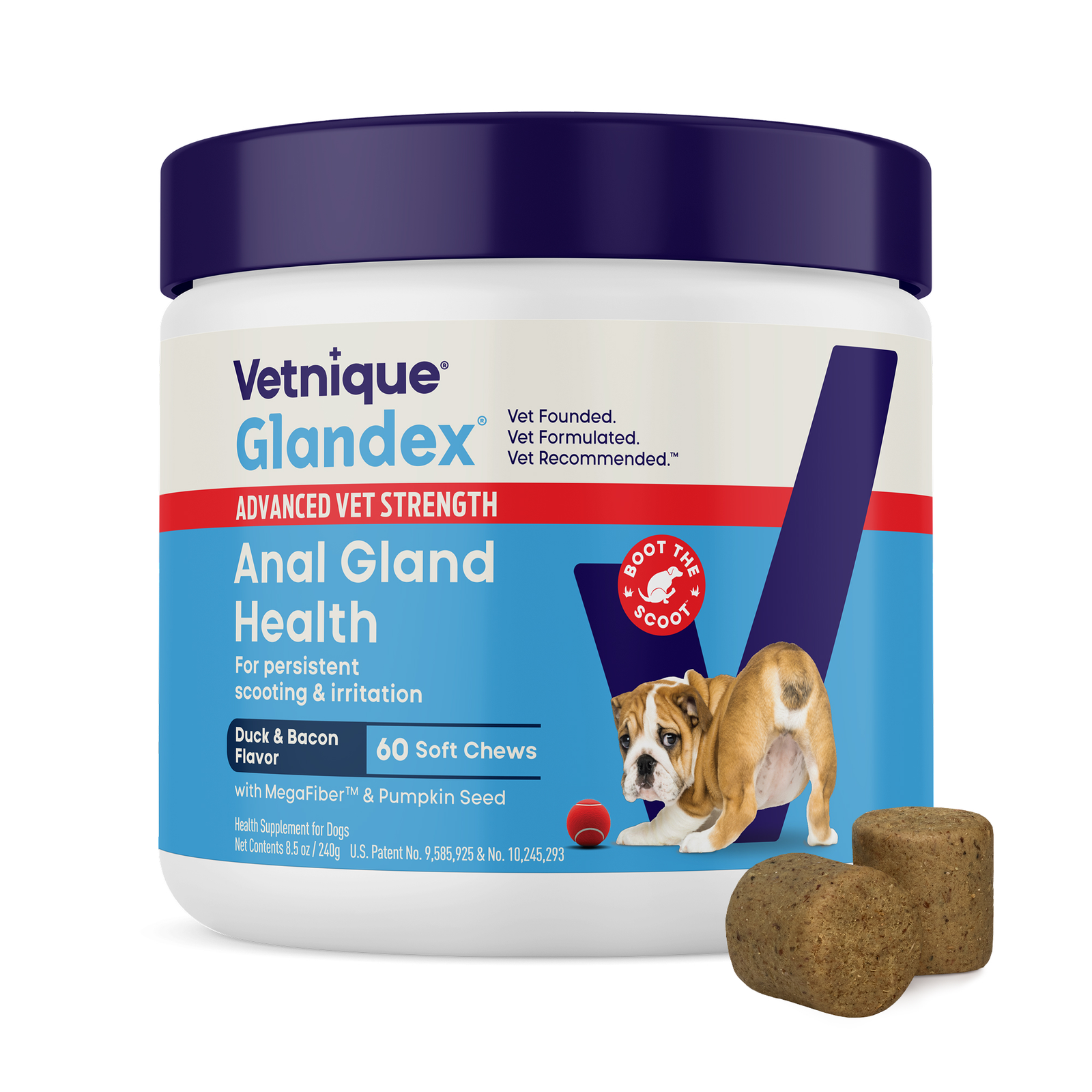
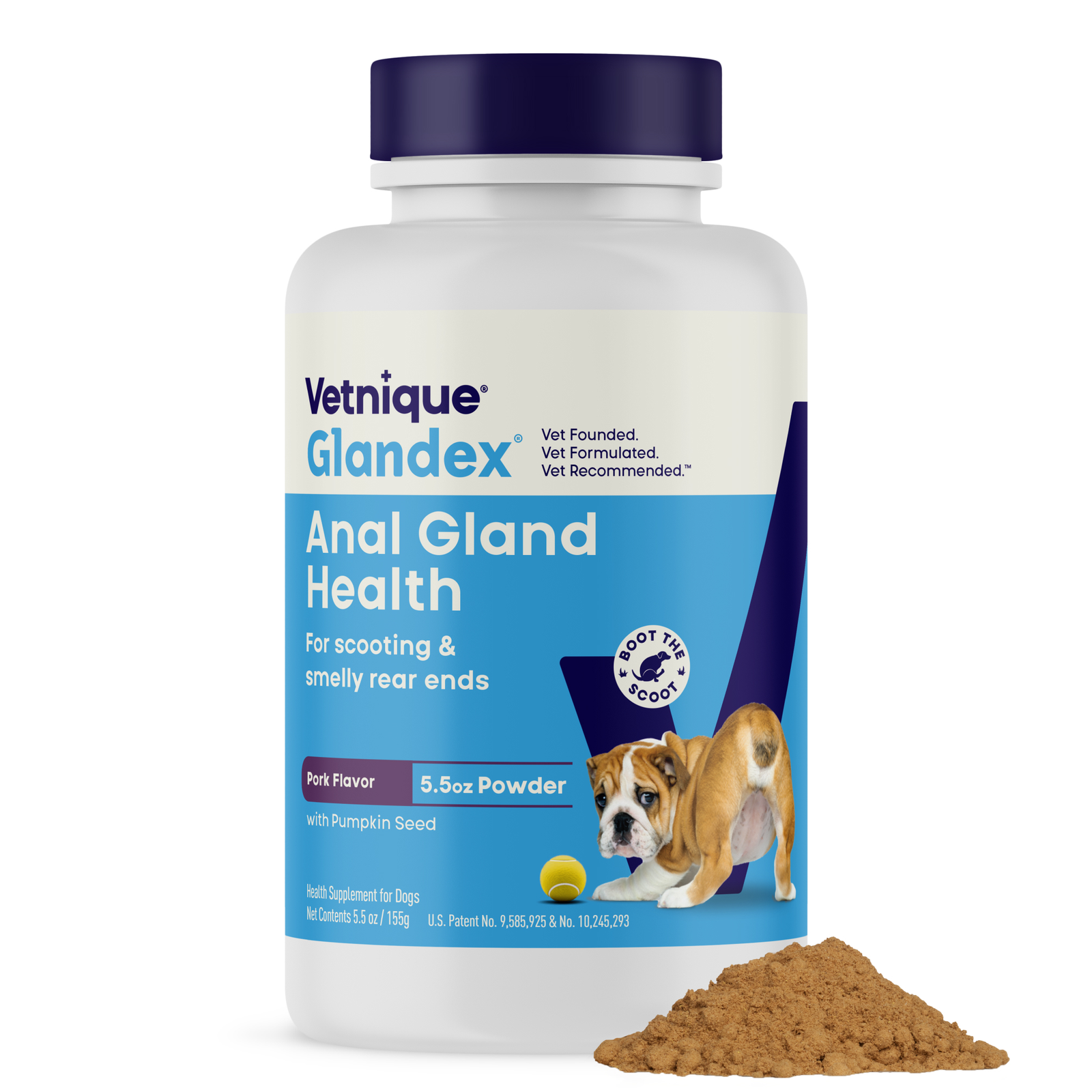
During an allergy flare-up, giving your dog a daily anal gland supplement can help support their digestion and keep bowel movements more regular. Depending on your dog’s eating habits, they may prefer a soft chew supplement or a powder supplement that can be added to wet food.
Try a targeted anti-itch spray
There’s nothing worse than an itch you can’t scratch, and dogs could sure use our help with that! Medicated, anti-itch anal gland sprays are great for dogs experiencing inflammation and tenderness around the behind. Just point, spray, and repeat while symptoms are present.
Let them soak in an anti-itch bath
Bathing your dog with an anti-itch dog shampoo during an allergic flare-up can help soothe pain, itching, and tenderness caused by allergy inflammation. Look for pet-safe ingredients that are good at targeting itching and inflammation like Praxomine, Aloe Vera, and Oat Extract.
You wouldn’t think allergies could affect the rear end of your dog’s anatomy, but now you know––inflammation can strike far and wide, and cause uncomfortable symptoms for your beloved pet. Keeping an eye on behaviors while offering multiple means of relief can help your dog beat painful symptoms, but be sure to contact your vet if symptoms persist or if you need help identifying a specific allergen.