

Although dogs cannot tell us when something is wrong, changes to their stool are one of the clearest indicators that something may be off. Watery poop in dogs is not an illness itself but rather a sign of an underlying issue. Understanding the common digestive causes can help you identify the problem and take the right steps to get your dog's digestion back on track.
Common Causes of Watery Poop in Dogs
Recent Diet Changes
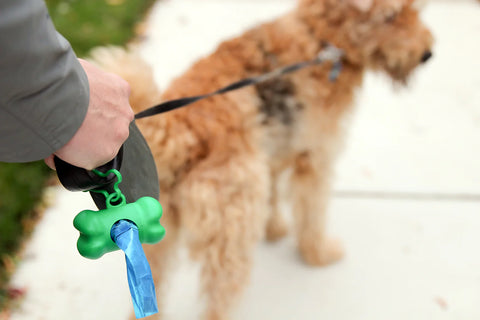
One of the most common causes of watery stool is a recent change in diet. A dog's digestive system may take several days to adjust to a new food. To reduce the risk of digestive upset, transition to a new food gradually over 5 to 7 days. Start by mixing a small amount of the new food with the current food, then slowly increase the proportion of new food each day until the old food has been completely replaced.
Poor Diet
A diet high in processed ingredients, sugar, salt, or fatty foods can disrupt the balance of your dog's digestive system. Dogs that get into the garbage can are also at risk of stomach upset from spoiled or inappropriate foods.
Food Allergies and Intolerances
Like humans, dogs commonly experience food allergies and intolerances. A food allergy can lead to an upset stomach, watery stool, and gas. If you suspect your dog has a food allergy, work with your veterinarian to identify the specific trigger through an elimination diet or diagnostic testing.
Parasites
While loose or watery stool is usually caused by something minor, parasites are a more serious concern. If you believe your dog may have a parasitic infection, contact your veterinarian as soon as possible to determine the appropriate treatment.
Stress and Anxiety
Dogs can experience stress and anxiety just as people do, and digestive changes are a common result. Stress can be directly linked to irregular bowel movements, which may include both constipation and loose stool. Common stressors include changes in routine, new environments, loud noises, and separation from owners.
New Medications or Supplements
It is not unusual for dogs to experience mild stomach upset when starting a new food, treat, medication, or dog supplement. Temporary digestive changes during the adjustment period are common and typically resolve within a few days.
Dietary Indiscretion
Dietary indiscretion refers to the tendency for dogs to eat unusual or inappropriate items such as garbage, sticks, or foreign objects. Ingesting these materials can irritate the gastrointestinal tract and lead to watery stool.
Bacterial Overgrowth
An overgrowth or imbalance of harmful bacteria in the gastrointestinal tract can disrupt normal digestion and cause watery stool. Bacterial overgrowth may result from antibiotic use, dietary issues, or underlying health conditions that affect the gut microbiome.
How to Prevent Watery Stool in Dogs
One of the most effective ways to support healthy digestion and help prevent watery stool is by adding a digestive support supplement to your dog's daily routine. A fiber-based supplement taken alongside a probiotic helps regulate gut health, support healthy bowel movements, modulate the immune system, and inhibit the growth and activity of harmful bacteria.
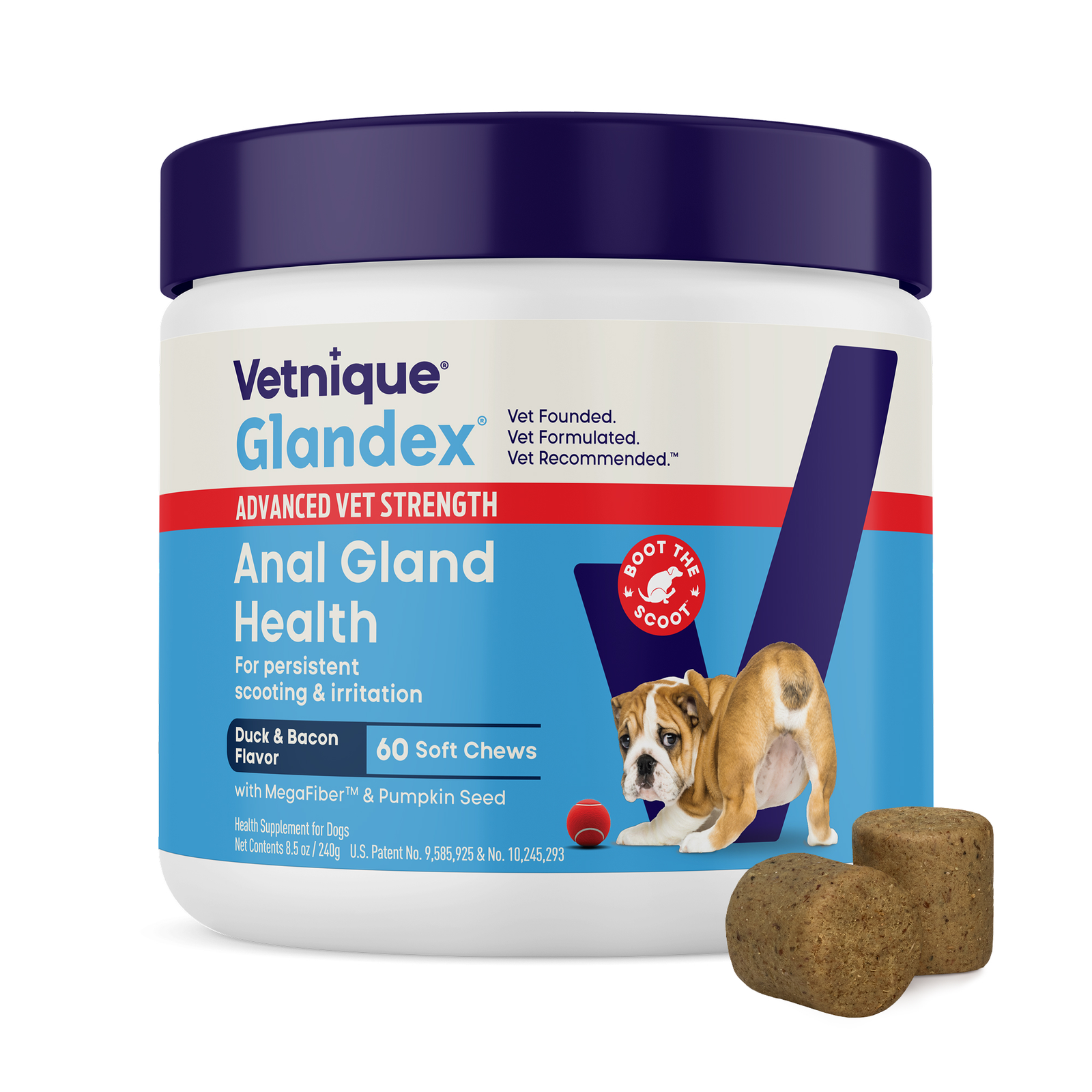
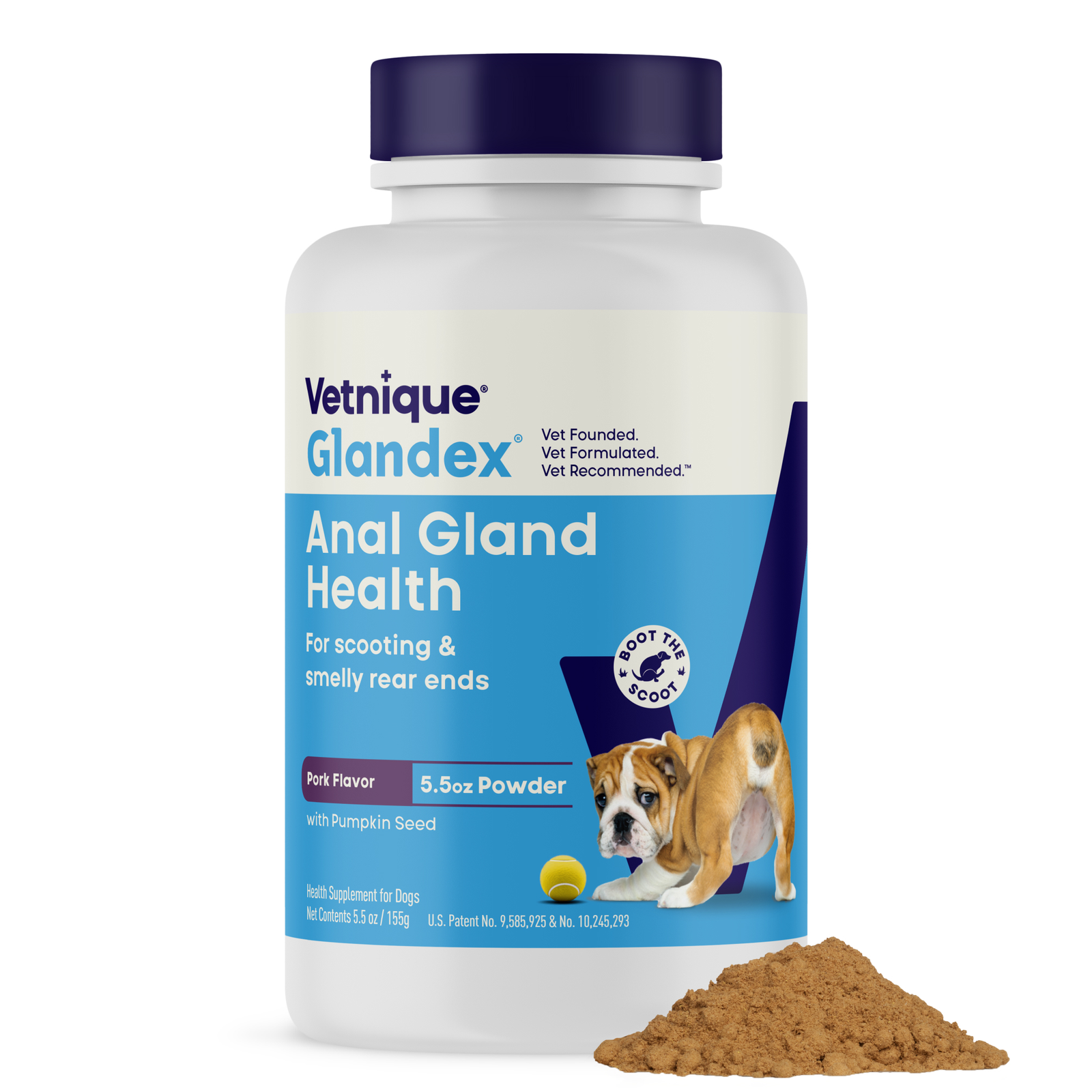
Probiotics are safe to give to dogs daily or during episodes of digestive upset. They are especially important when your dog is on antibiotics or steroids, as both can kill beneficial bacteria in the gut. Glandex Probiotic & Prebiotic Soft Chews are formulated with beneficial probiotic strains to support complete gut health. For fiber-based digestive support that also promotes healthy anal gland function, Glandex Soft Chews combine pumpkin-based fiber with probiotics and digestive enzymes. Browse the full Glandex digestive health collection for additional options.
When to See a Veterinarian
While most cases of watery stool are caused by minor and temporary digestive issues, persistent diarrhea warrants veterinary attention. Contact your veterinarian if watery stool continues for more than a day or two, if you notice blood in the stool, if your dog appears dehydrated or lethargic, or if you suspect a parasitic infection. Early evaluation helps rule out more serious underlying conditions and ensures your dog receives the appropriate treatment.