


Seeing your dog throw up undigested food can be alarming, but the causes range from simple eating habits to more serious health concerns. Understanding the difference between vomiting and regurgitation, recognizing what the appearance of vomit may indicate, and knowing when to involve your veterinarian can help you respond appropriately.

Why Is My Dog Throwing Up Undigested Food?
The reasons dogs throw up after eating can vary widely. Sometimes it is a harmless case of eating too quickly, which leads to indigestion. Other times, it may indicate an underlying health issue such as gastritis (stomach inflammation), food allergies, or other digestive conditions.
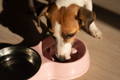
If your dog vomits occasionally and seems otherwise healthy, the issue may be manageable by adjusting the pace of their meals. A slow-feeder bowl can help dogs that tend to eat too fast. However, if your dog is persistently throwing up food, consult your veterinarian — chronic vomiting can be a sign of more serious conditions that require professional evaluation.
Vomiting vs. Regurgitation
Understanding the difference between vomiting and regurgitation is important for identifying the right response.
Vomiting involves the forceful expulsion of stomach contents and is usually accompanied by abdominal contractions and retching sounds. If your dog throws up food shortly after a meal with visible effort and signs of discomfort — such as a tucked tail, flat ears, or a hunched back — it is likely vomiting. Dogs who vomit may appear unwell both before and after the episode. Vomiting can be triggered by dietary indiscretion, food sensitivities, infections, or more serious health concerns.
Regurgitation is a more passive, unexpected process. Undigested material is expelled from the esophagus — not the stomach — without the dramatic retching seen in vomiting. Dogs who regurgitate typically act normally immediately afterward as if nothing happened. Regurgitation can signal problems with the esophagus or may simply result from eating too quickly. A slow-feeder bowl can help if rapid eating is the cause.
Why Do Dogs Regurgitate Food?
Regurgitation originates in the esophagus — the muscular tube connecting the mouth to the stomach. Unlike the stomach, the esophagus does not engage in digestion. It moves ingested material downward through involuntary coordinated muscle contractions known as peristalsis.
Several factors can trigger regurgitation. Rapid eating is the most common cause — when a dog's eating pace outstrips the digestive process, undigested material can come back up. Esophageal abnormalities or disorders can also disrupt the smooth passage of food, causing it to resurface unexpectedly. While occasional regurgitation may be harmless, persistent episodes should be evaluated by your veterinarian.
Common Reasons Dogs Throw Up After Eating
If your dog is truly vomiting (not regurgitating), several causes may be responsible. A veterinary evaluation can help identify the specific trigger.
Eating Too Quickly
Consuming meals too rapidly can result in digestive discomfort and increase the risk of indigestion, vomiting, and potentially choking or aspiration (inhaling food or liquid into the lungs). Slowing the pace of meals with a slow-feeder bowl or smaller, more frequent portions can help.
Stress or Anxiety
Dogs, like humans, can experience digestive upset due to emotional factors. Elevated cortisol levels triggered by stress can impact the gastrointestinal system, potentially resulting in vomiting after eating. Creating a calm, low-stress feeding environment can help reduce stress-related digestive issues.
Food Sensitivity or Intolerance
If your dog is frequently throwing up, it may indicate a food sensitivity or intolerance. The digestive system may struggle with certain ingredients, leading to vomiting or regurgitation. Identifying and eliminating potential trigger ingredients from the diet — and ensuring your dog does not have access to foods that are unsafe for dogs — can make a significant difference.
Underlying Digestive Issues
Vomiting after eating can also indicate underlying digestive conditions such as gastritis, inflammatory bowel disease, or other gastrointestinal problems. If adjusting the diet and feeding habits does not resolve the issue, your veterinarian can help identify the root cause and establish an appropriate treatment plan.
Foreign Object Ingestion
Dogs may unintentionally swallow items that irritate or obstruct their digestive tract, leading to vomiting. Foreign object ingestion is a potentially serious situation — seek prompt veterinary attention if you suspect your dog may have swallowed something they should not have.
What Different Types of Vomit Tell You
The appearance, texture, and consistency of your dog's vomit can provide useful diagnostic information.
Undigested Chunks of Food
Vomit containing whole or partially intact pieces of food may indicate rapid eating, dietary sensitivities, or potential obstructions. If this occurs regularly, a veterinary evaluation is recommended.
Dark Brown or Black Vomit
Dark brown or black vomit is a concerning sign that may indicate the presence of blood, pointing to potential gastrointestinal bleeding. Other possible causes include coprophagia (eating feces) or other dietary indiscretions such as consuming soil, mulch, bark, or sticks. Contact your veterinarian if you observe dark-colored vomit.
Yellow Liquid or Foam
Yellow liquid or foamy vomit typically indicates bile. This can result from an empty stomach or from the gallbladder not emptying properly to release bile into the small intestine for digestion. Occasional episodes may be harmless, but persistent yellow vomiting warrants a veterinary evaluation.
Strong-Smelling Vomit
Vomit with an unusually strong or pungent odor can result from dietary indiscretion, gastrointestinal disturbances, or infections (bacterial, viral, or parasitic). The smell can be an important clue for your veterinarian when evaluating the cause.
How to Help Prevent Your Dog From Throwing Up Food
Several adjustments can help reduce the frequency of vomiting or regurgitation. Offer smaller, more frequent meals rather than one or two large portions to discourage rapid eating. Use a slow-feeder bowl to promote a more measured pace at mealtime. Assess your dog's current diet for potential allergens or sensitivities and consider a gradual transition to a hypoallergenic or easily digestible food if needed. Ensure your dog has access to fresh water throughout the day to support digestion. Discourage scavenging and prevent access to non-food items that could cause digestive distress.
If vomiting or regurgitation persists despite these adjustments, consult your veterinarian for further evaluation.
For daily digestive and gut health support, Glandex Probiotic & Prebiotic Soft Chews provide probiotics and prebiotics that support a balanced digestive environment. For dogs with more persistent digestive concerns, Glandex Soft Chews combine pumpkin seed fiber, probiotics, and digestive enzymes to support stool quality and overall gut health. Browse the full Glandex digestive health collection for additional options.