


Probiotics can support digestive health in dogs dealing with upset stomachs, stool changes, and gut imbalance — particularly after illness or antibiotic treatment. Their counterparts, prebiotics, act as fuel to feed and encourage the growth of beneficial bacteria. Here is what you need to know about when and how to use probiotics and prebiotics for your dog.
What Are Probiotics for Dogs?
Probiotics are live microorganisms that, when given in adequate amounts, help maintain a balanced gut microbiome. These beneficial bacteria — sometimes called non-pathogenic (non-disease-causing) bacteria — play a key role in supporting digestion, immune function, and overall health.
A healthy gut is foundational to your dog's immune system, digestion, and even mood. Probiotics for dogs work by populating the gut with good bacteria that crowd out harmful organisms, support nutrient absorption, and improve digestive processes. They are especially beneficial during times of stress, illness, or after a course of antibiotics, which can disrupt the natural balance of gut bacteria.
Common probiotic strains used in dog supplements include Lactobacillus acidophilus, Bifidobacterium animalis, and Enterococcus faecium. Each strain contributes to different aspects of digestive health, from reducing diarrhea to supporting immune function.
What Are Prebiotics for Dogs?
Prebiotics are non-digestible fibers that serve as food for the beneficial bacteria in your dog's gut. Unlike probiotics, which are live organisms, prebiotics are the fuel that helps probiotics thrive and multiply. Common prebiotic sources include inulin, chicory root, and Fructooligosaccharides (FOS).
When included in your dog's diet, these fibers pass through the digestive tract undigested until they reach the colon, where they nourish the probiotic bacteria. This process supports a balanced gut microbiome, regular bowel movements, improved digestion, and enhanced immune function.
How Do Dog Probiotics Work?
In addition to helping your pet digest food more efficiently, dog probiotics support immunity by increasing the population of good bacteria in the gut. Prebiotics act as a support system to feed and encourage probiotic growth. Here are key terms to understand when using prebiotics and probiotics:
Probiotic — A substance, often live microorganisms, that stimulates the growth of beneficial flora in the intestinal tract. Probiotics can help maintain existing gut flora or replenish healthy bacteria that have been reduced or eliminated.
Prebiotic — A substance, typically a high-fiber food, that promotes the growth of good gut bacteria. Prebiotics feed beneficial bacteria to support a healthy, balanced gut microbiome. Examples include chicory, FOS, and inulin.
Microbiota — The microorganisms (flora) that live inside the body, including bacteria, yeast, fungi, parasites, and viruses.
Microbiome — The environment in which microorganisms live (for example, the gut microbiome).
Antibiotic — A class of drugs designed to kill bacteria — both good and bad — in order to treat infections.
Bacteria — A large group of single-cell microorganisms. The digestive system encounters both harmful and beneficial bacteria, with the latter being necessary for digestive health. Good bacteria can fight off bad bacteria, reduce inflammation, and support immune health.
Strain — A genetic variant of a microorganism (for example, Lactobacillus acidophilus) that can be identified by its potency and health benefits.
CFU — Colony-forming unit, which indicates how many viable microorganisms are in a serving of probiotics. The minimum recommended CFU count for dogs is 1 billion, while some dogs can tolerate up to 10 billion. If your dog is new to probiotics, starting with a lower count may help them adjust.
Benefits of Probiotics for Dogs
Probiotics offer benefits beyond improved digestion. By balancing the gut microbiome, probiotics increase the population of good bacteria, which aids in nutrient breakdown and absorption. This is especially important for dogs with sensitive stomachs or those experiencing digestive issues such as diarrhea, constipation, or bloating.
Since a large portion of the immune system is located in the gut, maintaining a healthy balance of gut bacteria through probiotics can help boost immune response and make your dog more resilient to infections. Probiotics are also particularly beneficial for dogs that have undergone antibiotic treatment, as antibiotics can deplete beneficial gut bacteria and lead to gastrointestinal issues including diarrhea, flatulence, mucus in stool, and abnormal bowel patterns.
Some research suggests that probiotics may help alleviate allergy symptoms by contributing to a more balanced immune system. The gut-brain axis is also well established — a healthy gut can positively influence mood and behavior, potentially reducing anxiety and stress in dogs.
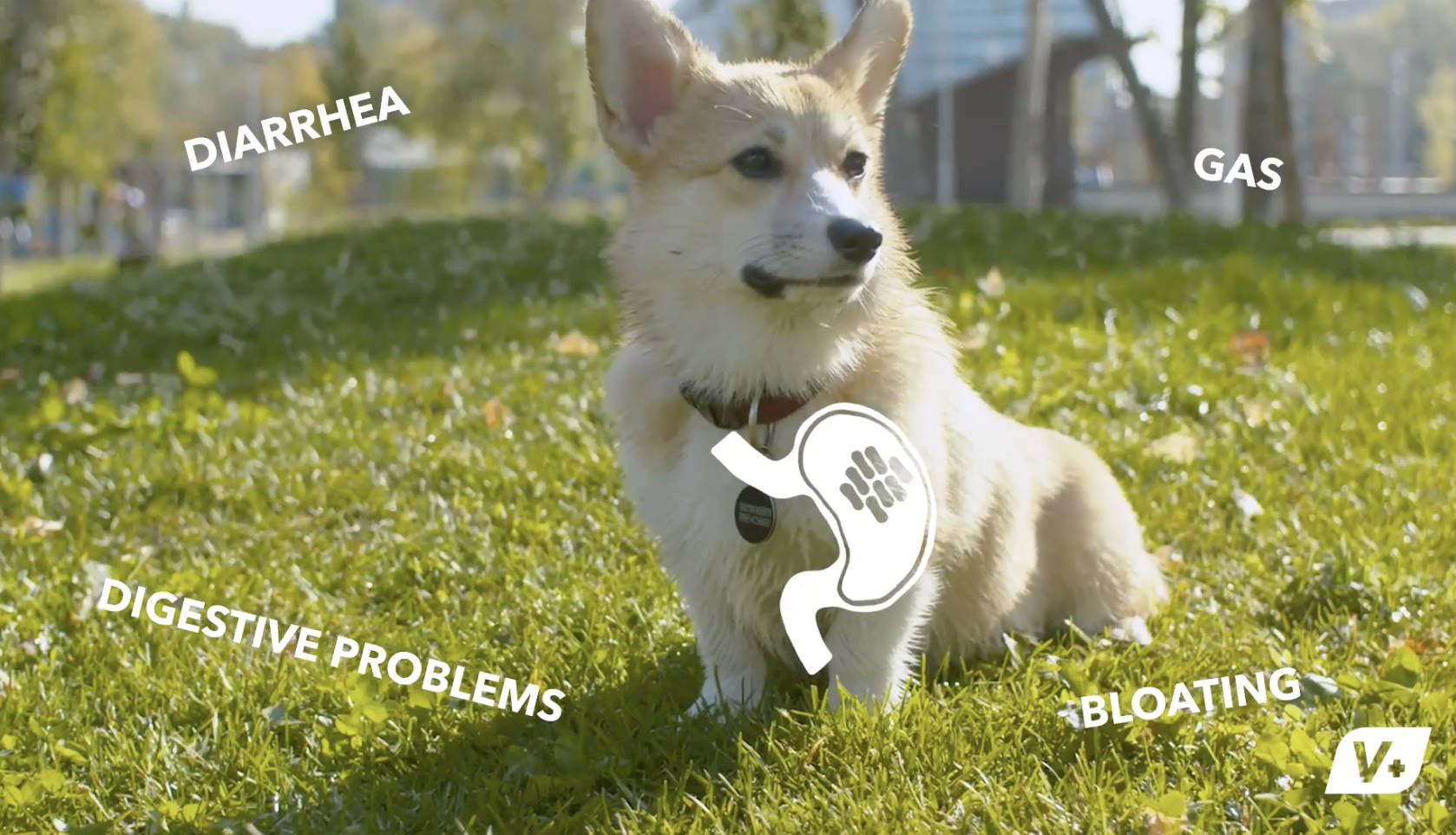
Signs Your Dog May Need Probiotics
Recovering from Illness
Changes in diet, viral, bacterial, fungal, and parasitic infections, and certain allergens can all disrupt gut health. Dogs recovering from illness may need help rebuilding their gut microbiome.
Taking Antibiotics
Antibiotics are helpful for treating infections but can also cause bacterial imbalance in the gut by killing both good and bad bacteria.
Experiencing Diarrhea
Dogs dealing with stool abnormalities — including soft or liquid stools, color changes, or the presence of blood or mucus — from stress, illness, or food sensitivities are at higher risk of anal gland impaction and related complications.
Excessive Gas
Excessive or especially foul-smelling gas can indicate that digestion is disrupted, whether from food intolerance, bacterial imbalance, or underlying infection with harmful bacteria, fungi, parasites, or viruses.
Constipation
Dogs struggling with bowel movements may strain when going to the bathroom or produce hard, pebbly stools. Changes to the gut microbiota can make constipation worse.
Do All Dogs Need Probiotics?
Not all dogs need a probiotic supplement. A healthy diet rich in naturally occurring prebiotics and probiotics can keep the digestive system running smoothly. However, certain illnesses can severely weaken or deplete the gut microbiome.
Dogs with a history of antibiotic treatment are particularly good candidates for probiotic supplementation. Antibiotics can weaken both gut and immune health, and dogs cannot always rebuild a colony of beneficial microorganisms on their own. Consult your veterinarian if you are considering adding probiotics or prebiotics to your dog's routine.
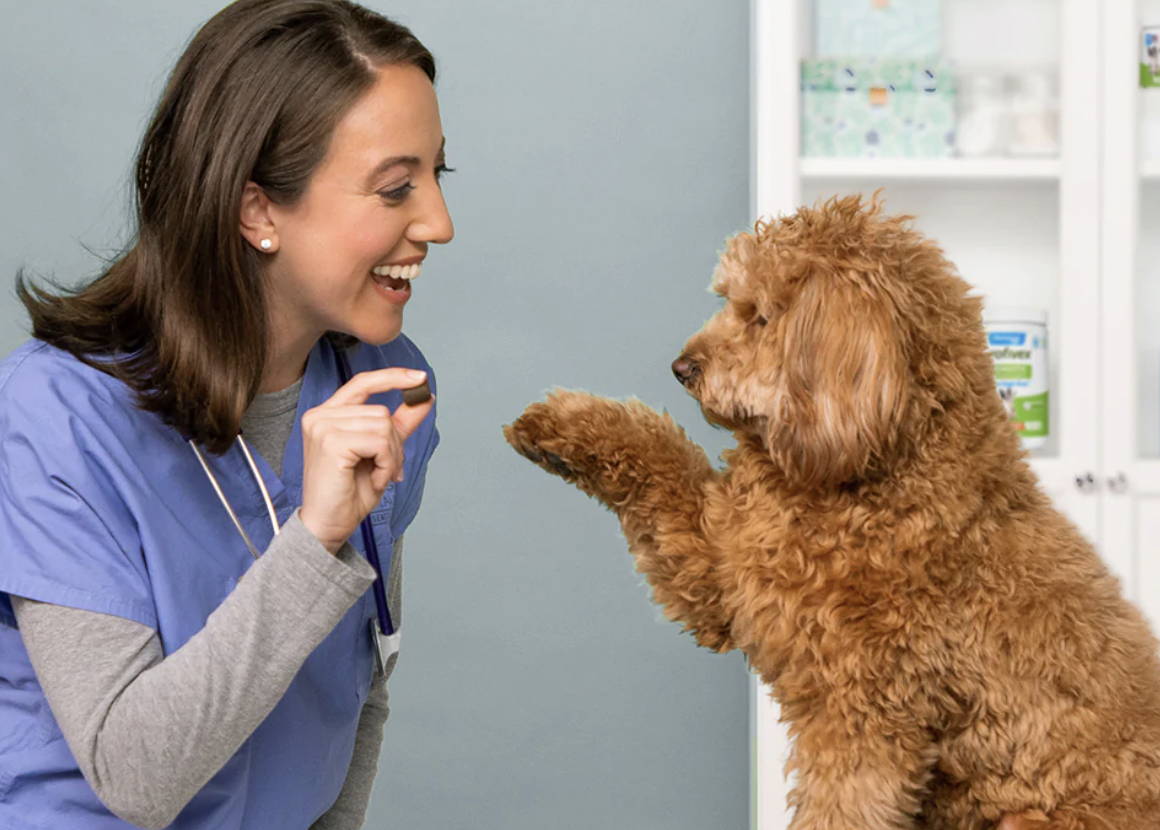
7 Vet Tips for Giving Probiotics to Your Dog
1. Start Slow
When starting a new probiotic, your pet might experience adverse gastrointestinal symptoms as new microbiota establish themselves in the gut. To help prevent symptoms from becoming too extreme, try starting at a half-dose for the first week before increasing to the full recommended dose.
2. Do Not Mix Probiotics
Mixing multiple strains, brands, and CFU counts at once can worsen gut disruption and make it difficult to identify which product is helping or causing problems. It can also increase the risk of bacterial overgrowth.
3. Expect Trial and Error
If your pet develops diarrhea, bloating, or other symptoms while adjusting to a probiotic, it does not necessarily mean probiotics are wrong for your pet. It may indicate sensitivities to certain strains or other ingredients in the supplement. Tracking digestive changes when starting a new probiotic will help you find the right CFU dose and strain.
4. Note the Strain
Your pet may respond more favorably to one probiotic strain than another. If you find a probiotic that works well — or one that causes issues — make note of the strain and CFU count for future reference.
5. Allow Time to Work
Probiotics and prebiotics are not typically an overnight fix. Especially for pets that need to rebuild gut flora, the benefits of a balanced microbiome take time. Estimate a few days to weeks of daily use before evaluating effectiveness.
6. Use Daily or as Directed
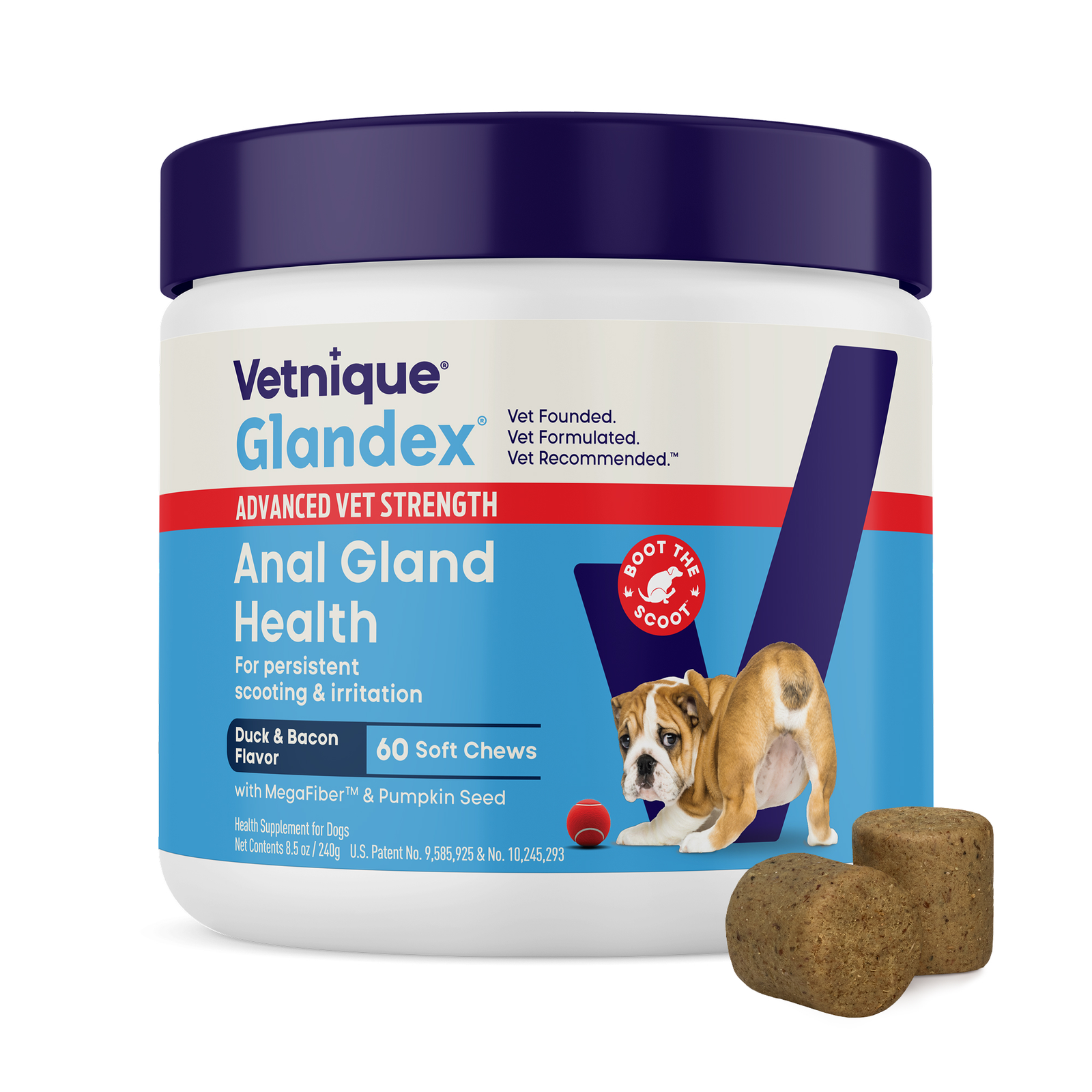
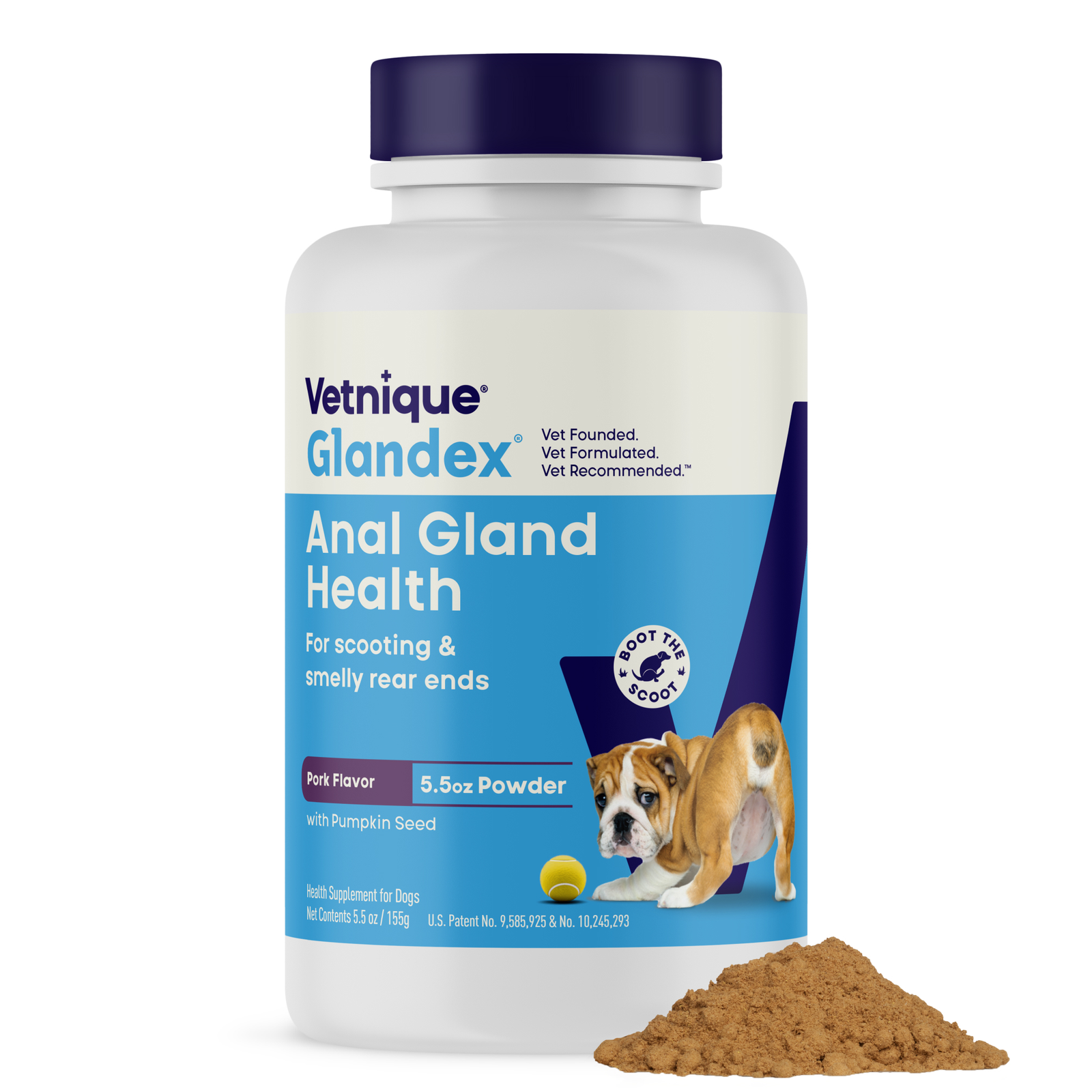
Consistency is important. Adding a Glandex Probiotic & Prebiotic Soft Chews & Powder to your dog's food or giving a probiotic chew at the same time every day gives your pet the best chance for optimal results.
7. Stagger with Antibiotics
Avoid giving probiotics too close in time to a dose of prescribed antibiotics. Probiotics taken too soon after antibiotics may have their effectiveness reduced. If your pet is taking an oral antibiotic, give the probiotic two or more hours after the antibiotic dose to maximize effectiveness.
Probiotics can be taken daily and, for some dogs, long-term when recommended by a veterinarian. Discuss your pet's symptoms and overall health before determining how long to continue supplementation. Research suggests that long-term probiotic use can benefit gut, skin, coat, and immune health. For comprehensive digestive support, explore the full Glandex collection.