SPEND $19.99, GET FREE OTICBLISS MEDICATED EAR WIPES

Pet Health
· Updated March 19, 2026· 5 min read

Natural Ways to Promote Dog Anal Gland Expression

✓ Vet-Reviewed Content
Dr. James Bascharon
Written by Dr. James Bascharon, DVMVeterinarian | Founder
Last medically reviewed: March 19, 2026
Meet our Vet Advisory Board →

- A dog's anal glands are positioned at the 4 and 8 o'clock positions within the anal cavity and should empty naturally during bowel movements — when stools are inadequately formed, the glands can become impacted
- Common causes of impaction include small, soft, or watery stools (such as from diarrhea), a sedentary lifestyle, food or environmental allergies that cause gland inflammation, and compact anatomy in smaller breeds like Pugs, Toy and Miniature Poodles, and Cocker Spaniels
- Promoting natural expression involves fiber supplements to improve stool consistency, fiber-rich foods (apple, flax seed, rice bran, pumpkin), fresh whole foods, adequate hydration (approximately 1 oz of water per pound of body weight daily), and regular exercise
- If your dog is experiencing discomfort from overfull glands, provide digestive support with fiber and probiotic supplements, keep the rear end clean with hygienic wipes, apply topical relief with anti-inflammatory ingredients, and use a warm compress for soothing relief
- Manual expression should only be performed by a trained professional or veterinarian — relying solely on manual expression can be detrimental
- Neglecting anal gland issues can lead to pain, discomfort, and household accidents — if you notice signs of impaction, contact your veterinarian promptly

Helping your dog express their anal glands naturally can reduce the need for frequent veterinary visits and spare your dog unnecessary discomfort. By encouraging natural gland expression through diet, hydration, exercise, and proper stool consistency, you can support your dog's anal gland health at home.
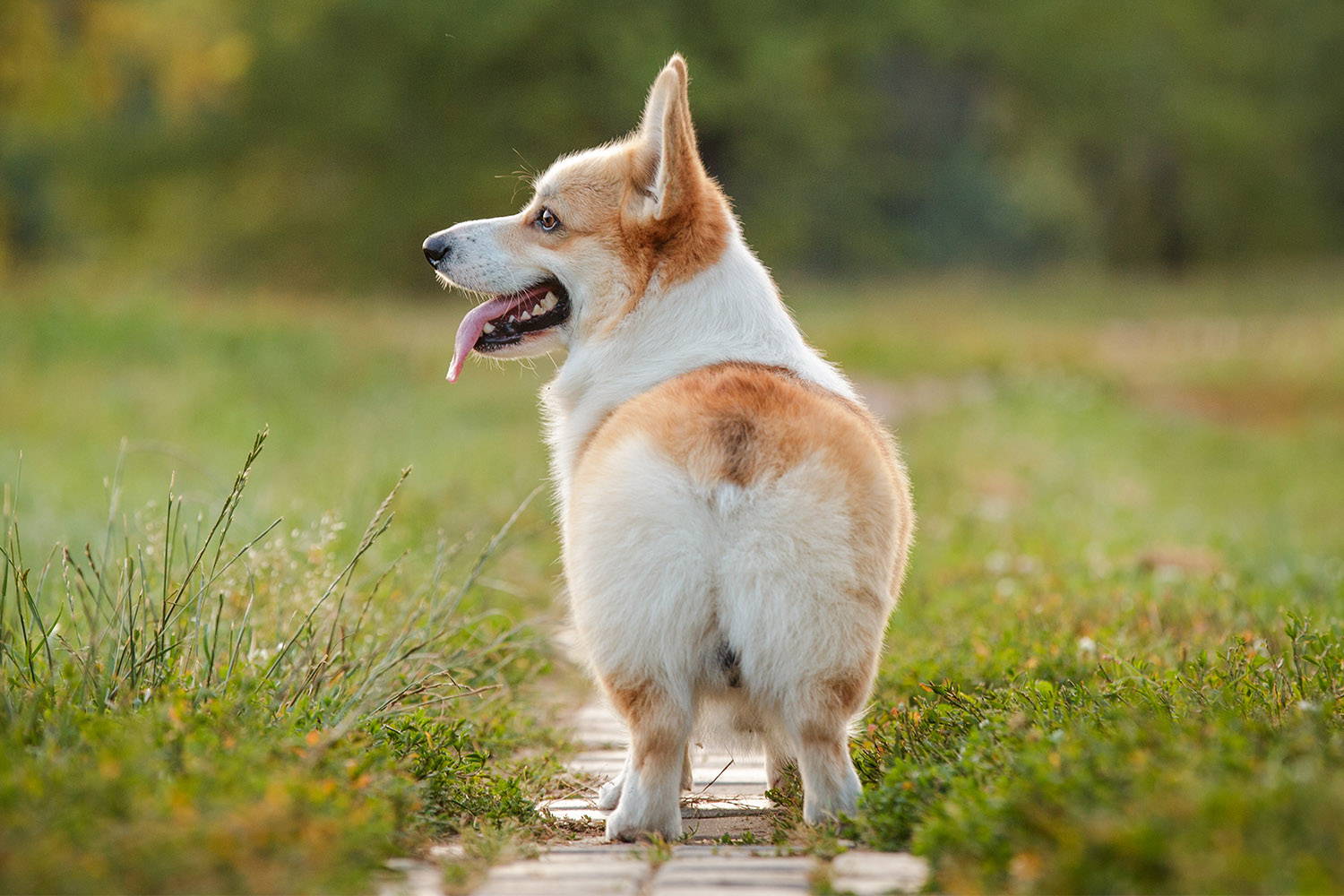
Dog outdoors on a walk

Understanding Dog Anal Glands

A dog's anal glands are positioned at the 4 and 8 o'clock positions within the anal cavity. While they are not visible externally, they serve the crucial function of secreting a liquid that identifies the dog to other animals and marks its territory. Ideally, these glands should empty naturally during bowel movements. However, when stools are inadequately formed, the anal glands can become impacted.
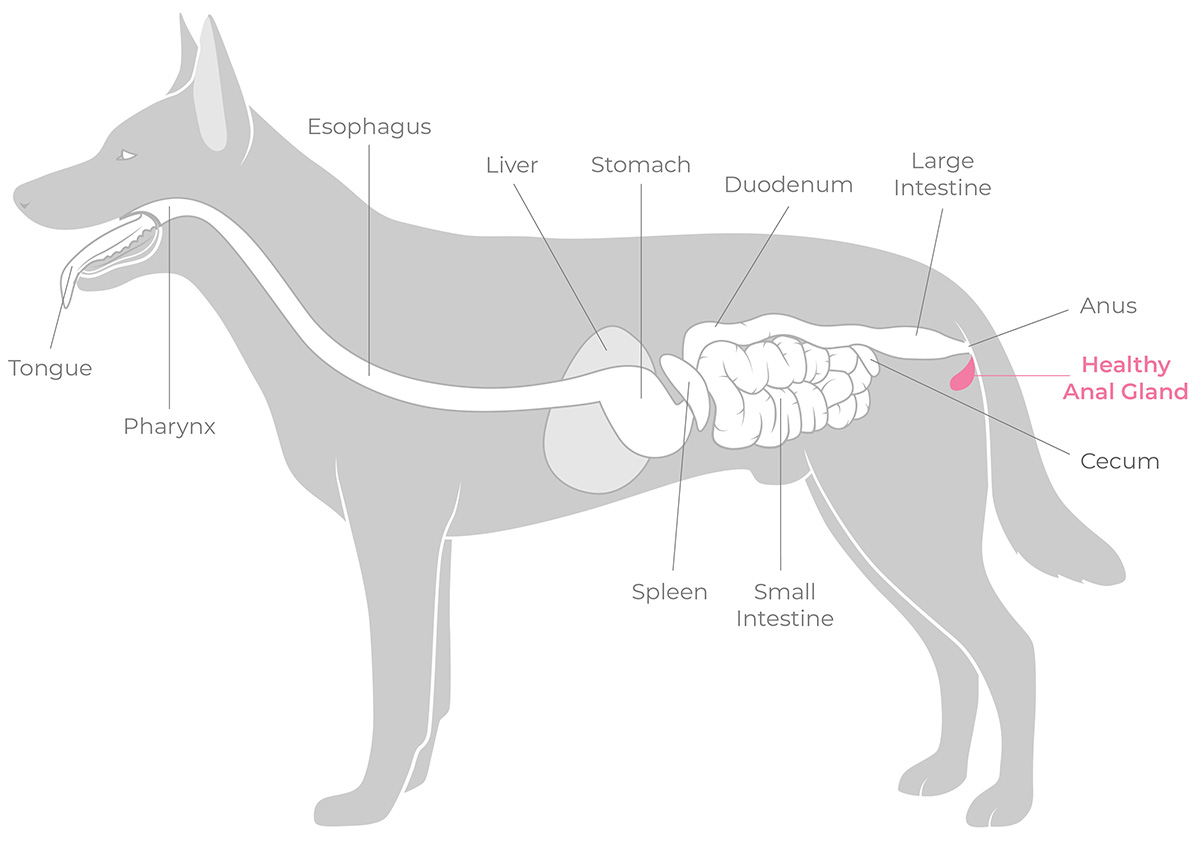
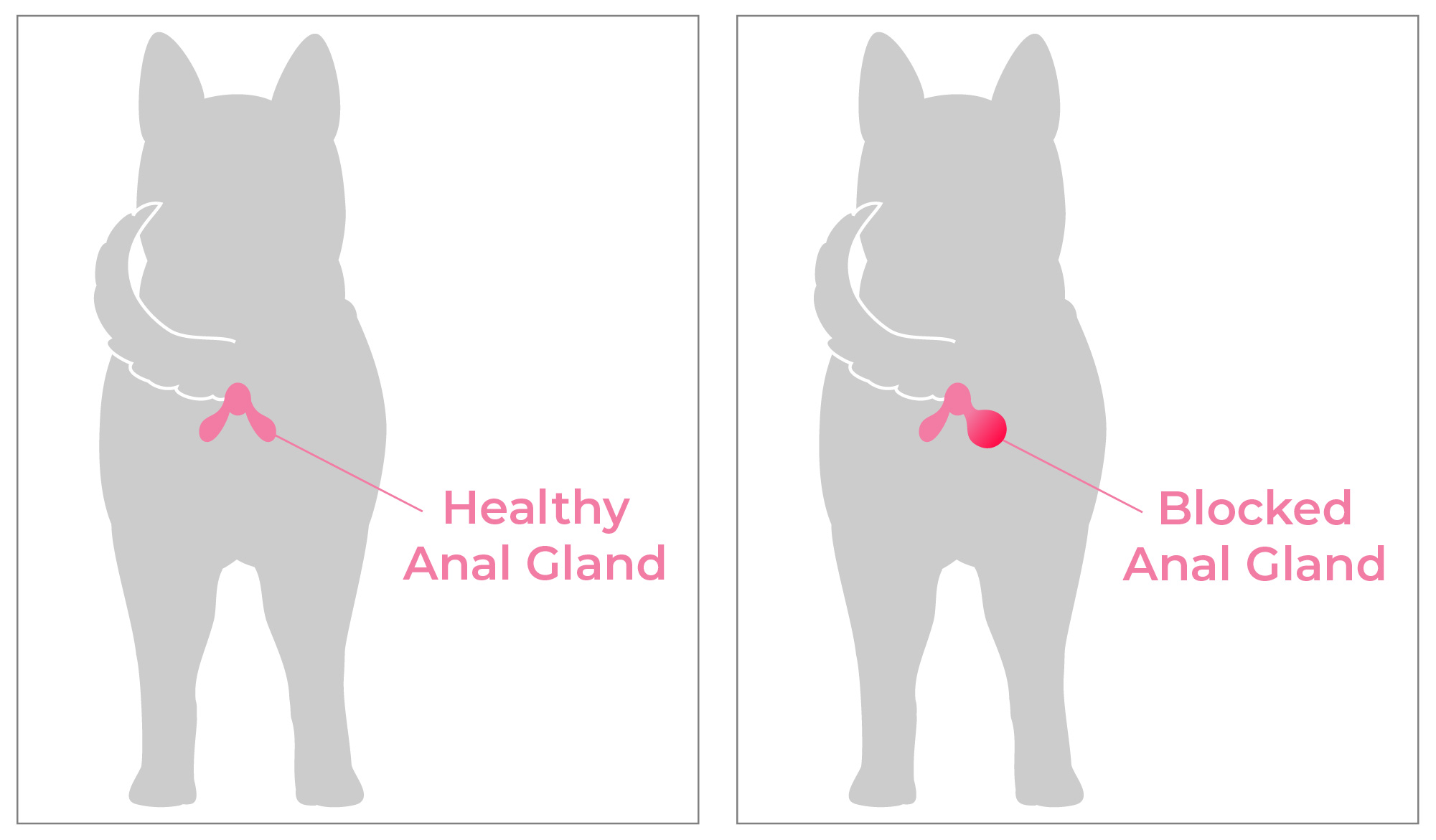
Diagram showing anal gland anatomy in dogs Diagram showing anal gland expression process

Common Causes of Anal Gland Impaction

Stool consistency. Small, soft, or watery stools, such as in cases of diarrhea, can hinder natural gland expression.

Lack of activity. A sedentary lifestyle or insufficient exercise can affect proper gland emptying.

Inflammation. Food or environmental allergies can lead to gland inflammation.

Compact anatomy. Smaller breeds with compact anatomy, such as Pugs, Toy and Miniature Poodles, and Cocker Spaniels, are more susceptible to anal gland issues.

Promoting Natural Gland Expression

Enhancing bowel movements and promoting gland expression naturally are essential for your dog's anal gland health. Here are effective approaches.

Fiber Supplements

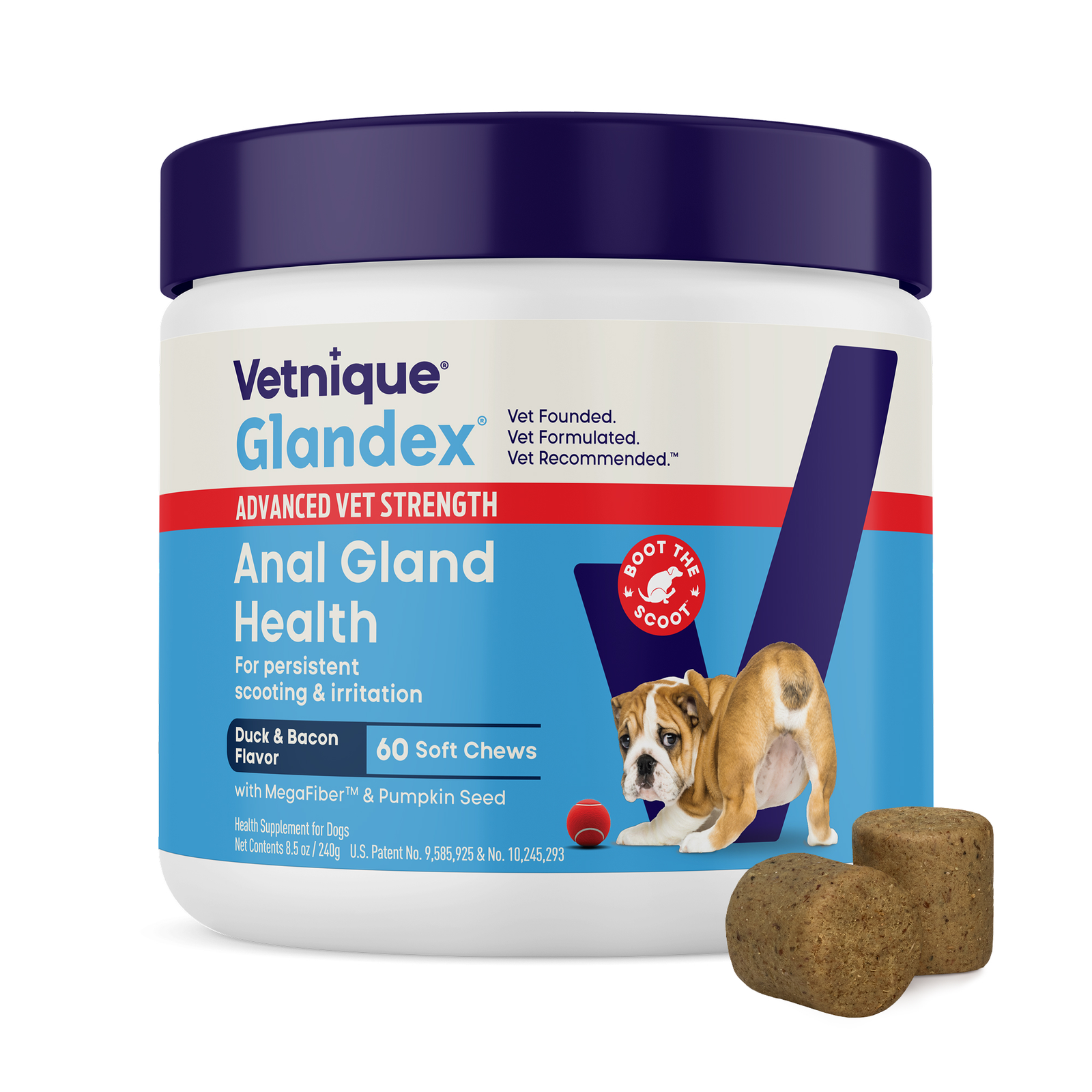
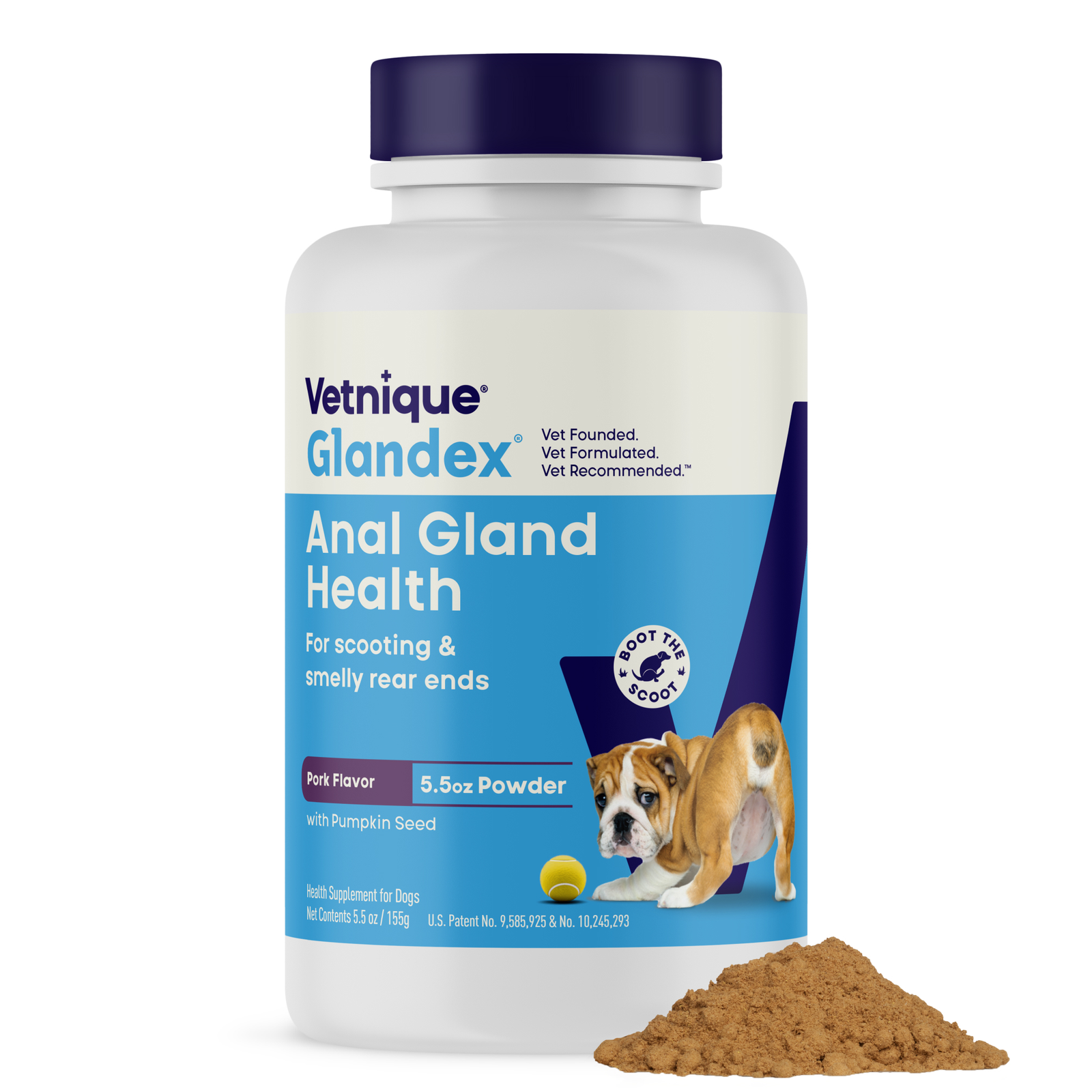
Administering fiber supplements like Glandex can help prevent anal gland impactions, particularly for small breeds or dogs prone to frequent issues. Opt for veterinarian-approved fiber supplements to improve stool consistency and support natural expression.

Fiber-Rich Ingredients

Incorporate natural sources of fiber, like apple, flax seed, rice bran, and pumpkin, into your dog's diet. A well-balanced mix of soluble and insoluble fiber can keep stools bulky and firm, encouraging regular gland emptying.

Fresh Foods

Fresh food diets, including cooked chicken, beef, carrots, peas, and fruits like apples and blueberries, promote a healthy gut and improved digestion. Consult your veterinarian for suitable recipes tailored to your dog's specific needs.

Adequate Hydration

Ensure your dog drinks sufficient clean, fresh water to aid in flushing roughage through the digestive system and facilitate natural gland expression. Aim for approximately 1 oz of water per pound of body weight daily.

Regular Exercise

Keeping your dog physically active boosts digestion by enhancing motility. Daily walks, indoor or outdoor play, swimming, and hiking are excellent ways to keep your dog active and healthy.

Manage Diarrhea

Address diarrhea symptoms promptly, as they are a common cause of anal gland impactions. High-quality fiber supplements with probiotics, such as Glandex Probiotic & Prebiotic Soft Chews, can help restore gut balance and promote healthy stools.

Alleviating Dog Anal Gland Discomfort

If your dog is already experiencing discomfort from overfull anal glands, consider the following measures until you can schedule a vet visit for manual expression.

Digestive support. Provide anal gland supplements like Glandex Soft Chews with digestive enzymes and probiotics to ease digestive discomfort.

Hygienic care. Keep the rear end clean using Glandex Anal Gland Wipes to reduce skin irritation and neutralize odors.

Topical relief. Apply a Glandex Medicated Spray containing anti-inflammatory ingredients like hydrocortisone to alleviate pain, itching, and discomfort.

Warm compress. Try a DIY warm compress with Calendula essential oil and warm water on the affected area for soothing relief.

Proper Manual Expression

Manual expression of anal glands should only be performed by a trained professional or your veterinarian. Relying solely on manual expression can be detrimental, and it is best to encourage natural expression through regular bowel movements.

Neglecting anal gland issues can lead to pain, discomfort, and household accidents. If you notice signs of impaction, contact your veterinarian promptly to address the problem and ensure your dog's well-being.
🩺
DR. JAMES BASCHARON SAYS
"Manual expression of anal glands should only be performed by a trained professional or your veterinarian. Relying solely on manual expression can be detrimental, and it is best to encourage natural expression through regular bowel movements."
— Dr. James Bascharon, DVM , General Practice
Breeds commonly affected
Most at risk

Frequently Asked Questions

How can I help my dog express anal glands naturally?

Promote natural anal gland expression by improving stool consistency through fiber supplements, incorporating fiber-rich foods like apple, flax seed, rice bran, and pumpkin into your dog's diet, ensuring adequate hydration (approximately 1 oz of water per pound of body weight daily), maintaining regular exercise, and managing diarrhea promptly with high-quality fiber supplements and probiotics.

What causes anal gland impaction in dogs?

Common causes include small, soft, or watery stools that do not provide enough pressure to empty the glands during bowel movements, a sedentary lifestyle or insufficient exercise, inflammation from food or environmental allergies, and compact anatomy in smaller breeds such as Pugs, Toy and Miniature Poodles, and Cocker Spaniels.

Should I manually express my dog's anal glands at home?

Manual expression of anal glands should only be performed by a trained professional or your veterinarian. Relying solely on manual expression can be detrimental to your dog. The best approach is to encourage natural expression through dietary and lifestyle adjustments that promote firm, well-formed bowel movements.

What should I do if my dog's anal glands are already causing discomfort?

Until you can schedule a veterinary visit for manual expression, you can provide digestive support with anal gland supplements containing digestive enzymes and probiotics, keep the rear end clean with hygienic wipes to reduce skin irritation and odors, apply a topical spray with anti-inflammatory ingredients like hydrocortisone for pain and itching relief, and try a warm compress with Calendula essential oil and warm water on the affected area for soothing relief.

What are the signs of anal gland impaction in dogs?

Common signs include scooting (dragging the rear end along the ground), excessive licking of the rear area, a foul odor from the rear, visible discomfort when sitting, swelling near the anus, and straining during bowel movements. If you notice these signs, contact your veterinarian promptly to address the problem and prevent complications.

📋
Veterinary Disclaimer

Vetnique Labs was founded by Dr. James Bascharon, DVM, and all content is reviewed by our Vet Advisory Board. This information is not a substitute for professional veterinary advice. Always consult your veterinarian.

Dr. James Bascharon
About the Author

Dr. James Bascharon, DVM

Veterinarian | Founder

Dr. James Bascharon is a veterinarian, entrepreneur, and the visionary founder of Vetnique. He launched Vetnique in 2012 after formulating Glandex® in his own kitchen to address anal gland health in pets.

Search