Pet Health
· Updated March 06, 2026· 7 min read

Muscle Atrophy in Dogs: Signs, Causes, and How to Help

✓ Vet-Reviewed Content
Vetnique Team
Written by Vetnique Team
Dr. James Bascharon
Reviewed by Dr. James Bascharon, DVMGeneral Practice
Meet our Vet Advisory Board →

- Muscle atrophy in dogs means the muscles are weakening or wasting away — it usually affects the back legs (thigh muscles) but can occur in other muscles as well
- Early signs include difficulty walking normally, stiff legs, hind legs appearing thinner than before with front-leg compensation, weight loss, muscles feeling flabby under the coat, dragging paws, and crossing legs while standing or walking
- Certain breeds are more susceptible: German Shepherds are prone to Fibrotic Myopathy affecting thigh muscles, Labrador Retrievers can be affected by Centronuclear Myopathy in their first year, Great Danes can inherit a muscle wasting disorder, and Greyhounds can develop Exertional Myopathy from overworking muscles
- The two most common causes are aging (reduced growth hormone production and decreased ability to synthesize protein for muscle mass) and lack of exercise — older dogs who are also less active face the highest risk
- If your dog suddenly loses a significant amount of muscle mass, consult your veterinarian to rule out a serious underlying condition
- Supporting a dog through muscle atrophy includes gentle regular exercise to rebuild muscle tone, a high-protein diet that avoids excessive carbohydrates and fillers, and maintaining a healthy weight to reduce strain on weakened muscles

Muscle atrophy in dogs — the weakening or wasting away of muscle tissue — can be concerning to notice, but understanding what causes it and how to recognize the signs early can help you take the right steps to support your dog. It most commonly affects the back legs, particularly the thigh muscles, but it can occur in other muscles as well.

How to Spot the Signs of Muscle Atrophy

The first thing you are likely to notice is that your dog is not enjoying walks the way they used to. They may find it harder to walk normally, their legs may look stiff, and they may seem less comfortable moving around.

Other signs to watch for include hind legs that appear thinner than before with your dog relying more on their front legs to compensate, unexplained weight loss, muscles that feel flabby or soft under the coat when you pet them, dragging their paws, and crossing their legs while standing or walking. Any of these changes can indicate that muscle mass is declining and warrants attention.
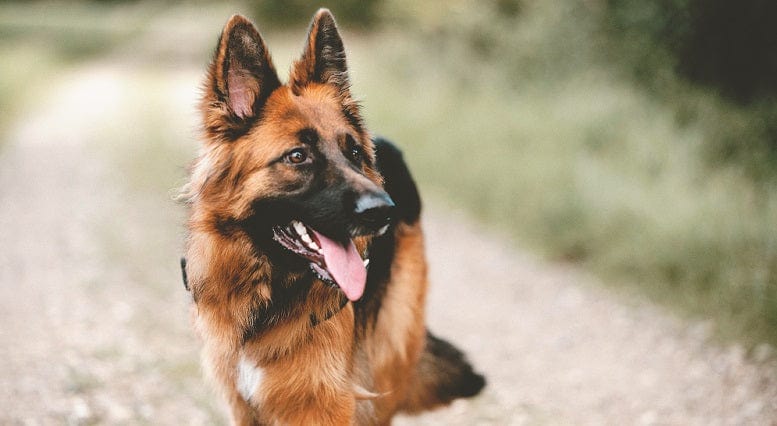
German Shepherd dog on a walk in a field

Which Dog Breeds Are More Susceptible?

Certain dog breeds are more likely to develop myopathies — diseases that cause muscle damage and can lead to muscle atrophy. These breeds generally fall into two categories.

Among large breeds, German Shepherds are prone to Fibrotic Myopathy, which causes weakness in the thigh muscles. Labrador Retrievers can be affected by Centronuclear Myopathy, which leads to muscle loss in their first year. Great Danes can inherit a disorder that causes progressive muscle wasting.

Among sighthounds, breeds like Greyhounds can develop Exertional Myopathy — a condition caused by overworking their muscles through intense, sustained activity. Unlike the inherited myopathies seen in larger breeds, Exertional Myopathy is related to the intensity of exercise rather than a genetic predisposition to muscle disease.

Common Causes of Muscle Atrophy in Dogs

While breed-specific myopathies are one cause, the two most common causes of muscle atrophy in dogs are aging and lack of exercise.

Aging. A certain degree of muscle atrophy is normal as dogs get older. Like humans, older dogs produce less growth hormone as they age and become less efficient at breaking down and synthesizing protein to build and maintain muscle mass. This gradual decline is a natural part of aging but can be slowed with the right approach.

Lack of exercise. Dogs need regular, appropriate exercise to keep their joints, ligaments, and muscles strong. Without enough activity, muscle mass and tone decline over time. When aging and reduced exercise occur together — an older dog who is also getting less active — the risk of muscle atrophy increases significantly.

If your dog suddenly loses a significant amount of muscle mass, consult your veterinarian to determine whether an underlying medical condition is contributing to the problem.

Dachshund running through a field

How to Support Your Dog Through Muscle Atrophy

Once your veterinarian has ruled out any serious underlying cause, there are practical steps you can take to help your dog rebuild muscle tone and maintain comfort.

Gentle, regular exercise. Gentle walks are one of the most effective ways to rebuild muscle tone and mass. If your dog has been finding it difficult to walk far, start with short walks and gradually increase the duration and intensity based on your veterinarian's guidance. Consistency matters more than intensity — regular daily movement is more beneficial than occasional long outings.

Proper diet. Extra weight adds strain to weakened muscles and makes movement more difficult. Feed a high-quality, nutritious diet that supports muscle maintenance — look for foods that are high in protein and healthy fats, and avoid those that are high in carbohydrates and fillers. Maintaining a healthy weight reduces the burden on muscles and joints that are already compromised.

Joint support. Dogs experiencing muscle atrophy often have joint stiffness as well, since weakened muscles provide less support to the joints. A joint supplement can help support comfort and mobility alongside exercise and dietary adjustments. For dogs with significant stiffness, YuMOVE Advanced Vet Strength Chews provide concentrated joint support with ActivEase Green Lipped Mussel, Glucosamine, and Hyaluronic Acid. For general daily maintenance, YuMOVE Tasty Health Bites offer preventive support. Browse the full YuMOVE hip and joint collection for additional options.

Breeds commonly affected
Most at risk

Frequently Asked Questions

What is muscle atrophy in dogs?

Muscle atrophy is the weakening or wasting away of a dog's muscles. It most commonly affects the back legs, particularly the thigh muscles, but it can occur in other muscles as well. Muscle atrophy can be caused by aging, lack of exercise, or underlying medical conditions such as breed-specific myopathies. It is often gradual, but sudden or significant muscle loss should be evaluated by a veterinarian.

What are the signs of muscle atrophy in dogs?

Common signs include difficulty walking normally, stiff legs, and reduced enjoyment of walks. You may notice that your dog's hind legs appear thinner than before and that they are relying more on their front legs to compensate. Other signs include unexplained weight loss, muscles that feel flabby under the coat, dragging paws, and crossing legs while standing or walking.

What dog breeds are more prone to muscle atrophy?

Certain breeds are more susceptible to myopathies — diseases that cause muscle damage and can lead to atrophy. German Shepherds are prone to Fibrotic Myopathy, which causes weakness in the thigh muscles. Labrador Retrievers can be affected by Centronuclear Myopathy, which leads to muscle loss in their first year. Great Danes can inherit a disorder that causes muscle wasting. Sighthounds like Greyhounds can develop Exertional Myopathy from overworking their muscles through intense activity.

What causes muscle atrophy in dogs?

The two most common causes are aging and lack of exercise. As dogs age, they produce less growth hormone and become less efficient at breaking down and synthesizing protein to build muscle mass. Insufficient exercise causes muscle tone and mass to decline over time. When both factors are combined — an older dog who is also getting less exercise — the risk of muscle atrophy increases significantly. Underlying medical conditions can also cause muscle atrophy and should be evaluated by a veterinarian.

How can I help a dog with muscle atrophy?

After ruling out serious underlying conditions with your veterinarian, gentle regular exercise is one of the most effective ways to rebuild muscle tone and mass. Start slowly and gradually increase duration and intensity based on your veterinarian's guidance. Feed a high-quality diet that is high in protein and healthy fats while avoiding excessive carbohydrates and fillers. Maintaining a healthy weight reduces strain on weakened muscles and joints. A joint supplement can also help support mobility and comfort during recovery.

Sources

Breed-specific conditions referenced from source content:- Fibrotic Myopathy (German Shepherds)
- Centronuclear Myopathy (Labrador Retrievers)
- Inherited muscle wasting disorder (Great Danes)
- Exertional Myopathy (Greyhounds/sighthounds)

📋
Veterinary Disclaimer

This article was reviewed by Dr. James Bascharon, DVM.Vetnique Labs was founded by Dr. James Bascharon, DVM, and all content is reviewed by our Vet Advisory Board. This information is not a substitute for professional veterinary advice. Always consult your veterinarian.

Vetnique Team
About the Author

Vetnique Team

The pet health and wellness team at Vetnique. Backed by veterinary science and dedicated to helping pet parents keep their dogs and cats happy and healthy.

Search