

Pet obesity is a growing concern. According to the Association for Pet Obesity Prevention's 2022 report, 59% of dogs and 61% of cats in the United States are considered overweight or obese. Dog obesity can affect overall health and longevity, but with the right approach you can help your dog reach and maintain a healthy weight.
Is My Dog Overweight?
Healthy Weight for Different Dogs, Breeds, and Sizes
Dogs come in all shapes and sizes, and there is no single standard for ideal weight. Breed, age, and spay/neuter status all influence what a healthy weight looks like. Spayed or neutered dogs are generally at higher risk of obesity than intact dogs, because the absence of sex hormones can affect metabolism. Making weight assessment part of your regular routine helps catch changes early, and your veterinarian can provide guidance at regular check-ups.
How to Visually Assess Your Dog's Body Condition
A simple hands-on check can help determine if your dog is carrying excess weight. Run your hands along their ribcage — you should be able to feel the ribs with a light touch through a thin layer of fat. If you need to press harder to locate them, it may be time to take action.
Determining Overweight Status
Body composition matters as much as weight. Muscles, bones, and fat all contribute to a dog's overall weight, and your veterinarian can help determine whether your dog is within a healthy range. Ask your veterinarian to assess your dog's Body Condition Score (BCS) to establish a goal for weight management. The WSAVA Global Nutrition Committee's BCS chart is a helpful reference for understanding your dog's body condition.
Risk Factors for Diabetes in Dogs
An obese dog is at significantly higher risk of developing diabetes mellitus. Excess weight can lead to insulin resistance, a condition where the body's cells do not respond effectively to insulin. This results in elevated blood sugar levels and can eventually lead to diabetes.
How Does Excess Weight Affect Insulin Sensitivity?
Insulin allows sugar to enter cells for energy. Excess weight can reduce cell responsiveness to insulin, meaning sugar cannot enter cells effectively and blood sugar levels rise. Managing your dog's weight helps maintain normal insulin function.
Recognizing the Signs of Diabetes in Dogs
Symptoms of diabetes in dogs include increased thirst, frequent urination, weight loss despite a good appetite, and lethargy. Additional signs include exercise intolerance and higher risk of opportunistic infections such as urinary tract infections. If you notice these signs, consult your veterinarian for a thorough assessment.
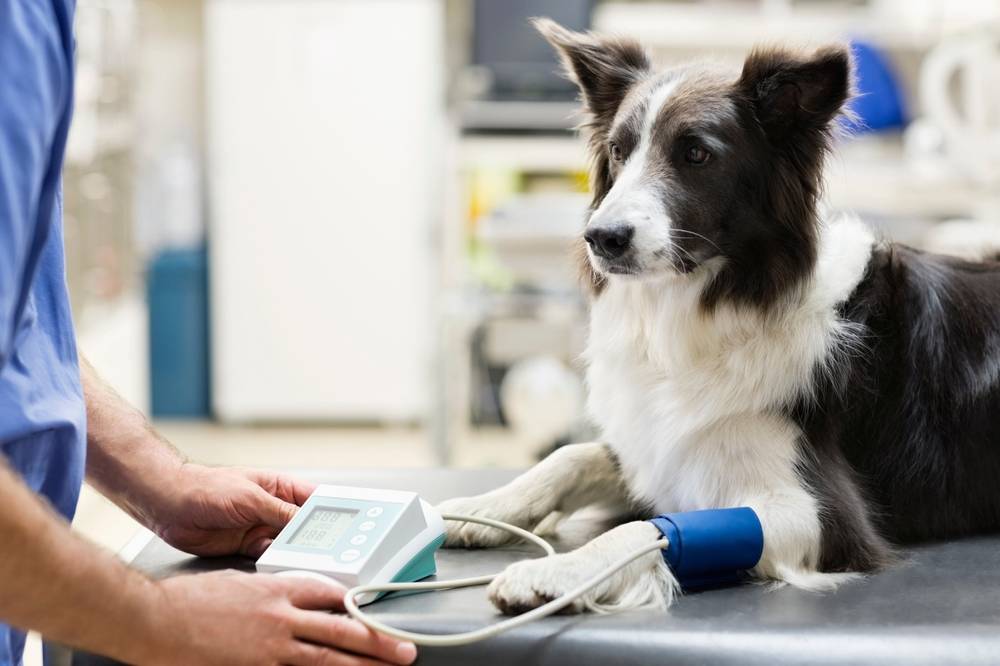
Is My Overweight Dog at Risk for High Blood Pressure?
Excess weight can strain the cardiovascular system, leading to hypertension (high blood pressure). Underlying glandular conditions can also contribute to weight gain and increase diabetes risk.
Cushing's disease is associated with overproduction of corticosteroids from the adrenal glands, which increases blood sugar levels and causes the pancreas to produce more insulin. Hypothyroidism is caused by underfunctioning thyroid glands, leading to reduced thyroid hormone levels that help maintain metabolism and healthy body condition.
Impacts of High Blood Pressure on Overall Health
High blood pressure strains the heart, burdens blood vessels, and can lead to organ damage. Managing your dog's weight helps reduce cardiovascular strain and lower the risk of related health issues.
Monitoring Blood Pressure with Regular Vet Check-Ups
Regular veterinary visits include blood pressure measurements that provide insight into cardiovascular health. These check-ups allow early detection of abnormalities and help you take proactive steps.
Heart Disease Caused by Dog Obesity
When a dog carries excess weight, the heart must work harder to pump blood, causing unnecessary strain. Conditions like congestive heart failure and atherosclerosis (thickening of the arteries) can be worsened by obesity. Heart disease caused by excess weight reduces the heart's ability to transport oxygen and nutrients and clear metabolic wastes, leaving dogs fatigued and less active.
5 Ways to Help Your Dog Lose Weight
1. Tailoring Nutrition
Diet is the foundation of weight management. Consult your veterinarian to develop a diet plan tailored to your dog's breed, age, spay/neuter status, activity level, and health concerns. Use a kitchen scale or metric measuring cup for accurate portion control, and stick to a consistent feeding schedule to support digestion and metabolism. Weight management dog foods are formulated to provide essential nutrients while reducing caloric intake — discuss with your veterinarian whether this option is appropriate.
2. Regular Exercise
Physical activity supports both physical and mental health and is one of the most effective strategies for weight management. Different breeds and energy levels require different amounts of activity — high-energy breeds benefit from vigorous play, while more sedentary dogs do well with walking and lower-impact activities. Read about how much exercise your dog needs. Activities like fetch, tug-of-war, puzzle toys, hiking, and swimming all help burn calories and provide mental stimulation. Gradually increase activity levels to give your dog's body time to adjust and reduce the risk of strain or exhaustion.
3. Mindful Treat Giving
Treats can contribute significantly to caloric intake. Opt for low-calorie options, and ask your veterinarian about whole food alternatives like lean meats, fruits, and vegetables, which provide protein, fiber, and nutrients with fewer calories than many commercial treats. Use verbal praise and play as alternative forms of reward, and designate specific times for treats so they remain a supplement rather than a primary food source.
4. Hydration and Supplements
Adequate hydration supports metabolism and overall bodily functions. Keep fresh water available at all times, especially during and after physical activity.
Some dog joint supplements, which is especially important for overweight dogs who may experience joint strain during exercise. YuMOVE Advanced Vet Strength Hip & Joint Chews provide targeted support for dogs with higher joint health needs, helping maintain comfortable movement during a weight loss program. For general daily joint maintenance, YuMOVE Tasty Health Bites offer everyday support. Explore the full YuMOVE collection for additional options.
When introducing any new supplement, start with one at a time and follow the dosage guidance on the label based on your dog's weight. Consult your veterinarian before adding supplements to your dog's routine.
5. Lifestyle Changes and Monitoring
Involve the entire family in your dog's weight management plan and make sure everyone follows the same feeding and exercise routines. Track your dog's progress with regular weigh-ins and body condition assessments, and celebrate milestones along the way. Positive reinforcement and consistent routines help make weight management sustainable for both you and your dog.
Addressing dog obesity is about improving quality of life and ensuring your dog has the energy and comfort for daily activities. Work with your veterinarian for personalized guidance throughout your dog's weight management journey.
Read more about how to help your dog lose weight.