

Some dogs have digestive systems that are more sensitive than others. Just like people, not every dog digests every type of food well. A food that works perfectly for one dog may cause gas, loose stools, or general discomfort in another. Understanding the signs of a sensitive stomach, knowing when to see the veterinarian, and exploring dietary strategies can help you find the right approach for your dog.
Signs of a Sensitive Stomach
There are several indicators that your dog's digestive system may need extra support. Common signs include loose or runny stools, excessive gas, poor appetite, a dull coat, poor overall health, and house accidents. These symptoms often appear after a change in food or when a dog is eating something that does not agree with them.

Can Sensitive Digestion Be a Sign of Something Else?
Yes. Digestive issues in dogs can sometimes indicate an underlying health problem. Dogs are natural scavengers and may have eaten something they should not have. If you are concerned about your dog's digestion, it is always a good idea to visit your veterinarian for a checkup to rule out more serious causes.
When to See the Veterinarian Immediately
Certain signs should not be ignored. See your veterinarian as soon as possible if your dog has blood in their stool, vomits more than once, has an unsettled stomach for three or more days, experiences unplanned weight loss, shows lethargy or has no energy, passes stools containing mucus or that appear black or grey, or shows signs of abdominal pain such as sensitivity when their stomach is touched or guarding of the abdomen area. A veterinary visit can rule out serious underlying conditions and give you confidence to focus on dietary management.
How to Soothe a Sensitive Stomach
There is no single solution for every dog with sensitive digestion. However, several approaches can help you identify and manage the problem.
Transition food gradually. When changing your dog's food, always do it slowly over the course of a week. Start with three-quarters old food and one-quarter new food, then gradually adjust the ratio until the transition is complete. Abrupt changes are one of the most common causes of digestive upset.
Try a veterinary diet. Your veterinarian likely carries specialized diets formulated for dogs prone to food intolerances. These can be a good starting point if you are not sure what your dog is reacting to.
Check your treats. Treats, chews, and table scraps can contain ingredients that upset sensitive dogs. Check ingredient labels carefully and choose treats with ingredients similar to your dog's chosen diet. Using kibble from your dog's regular food as treats is another safe option.
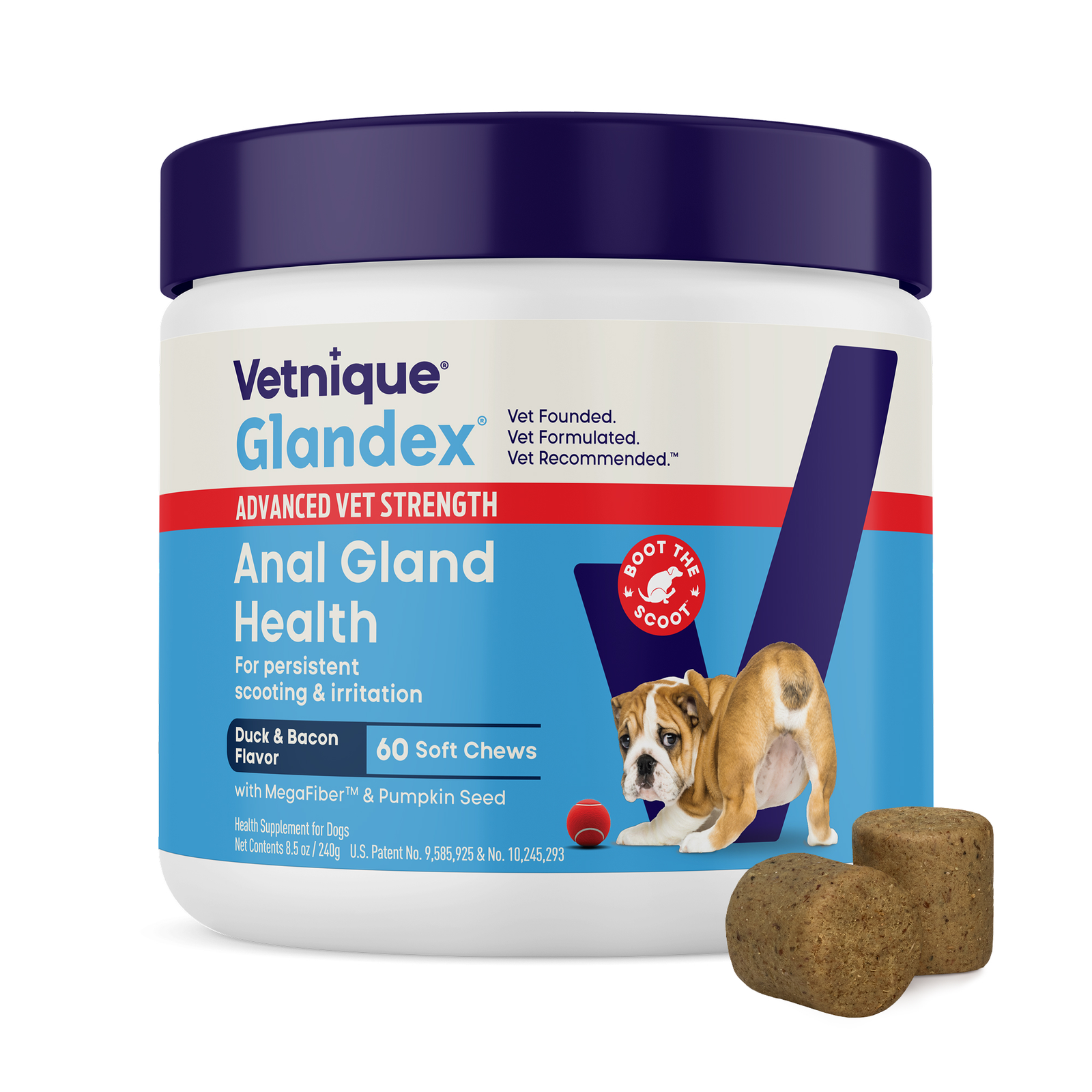
Consider probiotics. Digestive issues can be caused by difficulty breaking down food, diet changes, stress, and scavenging. A probiotic supplement can support the digestive system through these challenges. Glandex Probiotic & Prebiotic Soft Chews are formulated with beneficial probiotic strains and prebiotics to support complete gut health.
How Probiotics Help Dogs With Sensitive Stomachs
A good digestive health supplement bolsters the natural population of beneficial bacteria in your dog's digestive system. These beneficial bacteria compete with harmful bacteria for nutrients and block the points where pathogens try to attach to the gut lining. Prebiotics — a special type of dietary fiber — work alongside probiotics by feeding and supporting the beneficial bacteria, helping them thrive. Discover the 6 signs why your dog may need probiotics.

How Elimination Diets Work
An elimination diet is a method for discovering which specific foods trigger your dog's stomach issues. It works by limiting the ingredients in your dog's food to a minimal number, then introducing new additions one at a time over 10 to 12 weeks while monitoring your dog's reaction. By isolating individual ingredients, you can identify what causes problems and what does not.
If you are considering an elimination diet, consult your veterinarian before you begin. They can advise on the right plan for your dog, suggest alternatives if your initial approach is not appropriate, and monitor your dog's health throughout the process. Once you identify the triggers, your veterinarian or a qualified veterinary nutritionist can help you find diets that avoid those ingredients while providing complete nutrition.
Common Food Sensitivities in Dogs
Food sensitivities are highly individual, but certain ingredients are more common triggers than others. Foods that frequently cause issues include beef and lamb, chicken and turkey, milk and milk products, eggs, soy, fish, certain vegetables, and carbohydrates like rice and potato. Some dogs are also sensitive to novel proteins — proteins not commonly found in commercial pet food, such as rabbit and venison.
Alternative Diets for Dogs With Sensitive Stomachs
If commercial pet food is not working for your dog, there are other options to explore with your veterinarian's guidance.
Homemade food. It is possible to prepare your own dog food, provided you ensure your dog receives the right balance of protein from meat or fish, fiber from carbohydrates, fats and fatty acids, vitamins and minerals, and adequate water for hydration. Research recipes carefully, be aware of foods that are toxic to dogs (such as onions, grapes, and avocados), and consider supplements to ensure nutritional balance. A veterinary nutritionist is often needed to confirm a diet is complete and balanced for your dog's specific needs.
Raw feeding. Some owners of dogs with sensitive stomachs report improvement after switching to a raw diet. However, raw feeding carries risks related to nutrient balance, food safety during preparation and storage, and ensuring complete nutrition. If you are interested in raw feeding, do thorough research, understand the risks, and consult your veterinarian before making the switch.
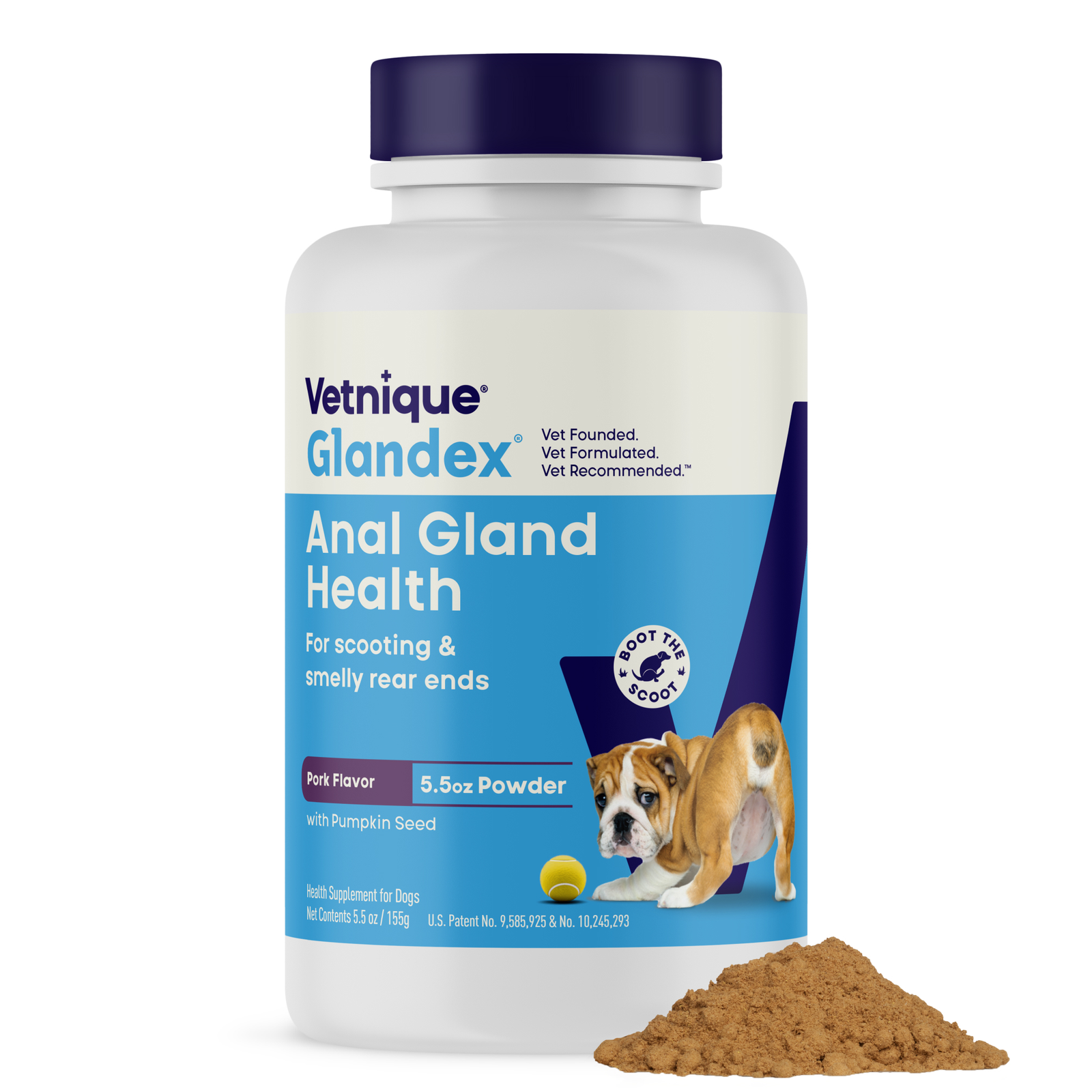
For additional digestive support alongside any dietary approach, browse the full Glandex digestive health collection for probiotics, fiber supplements, and more.