

Bad breath in dogs is more than just unpleasant — it can be a sign of bacteria in the mouth, dental disease, or an underlying health condition. Understanding what causes bad breath and what different breath smells mean can help you address the issue early and keep your dog's mouth healthy.
Causes of Bad Breath in Dogs
Poor Dental Hygiene
Poor dental hygiene is one of the most common causes of bad breath in dogs. Without regular brushing, bacteria accumulate in the mouth and contribute to persistent odor. This is especially common in dogs that resist having their mouth touched, making it easy to overlook.
Tooth Decay
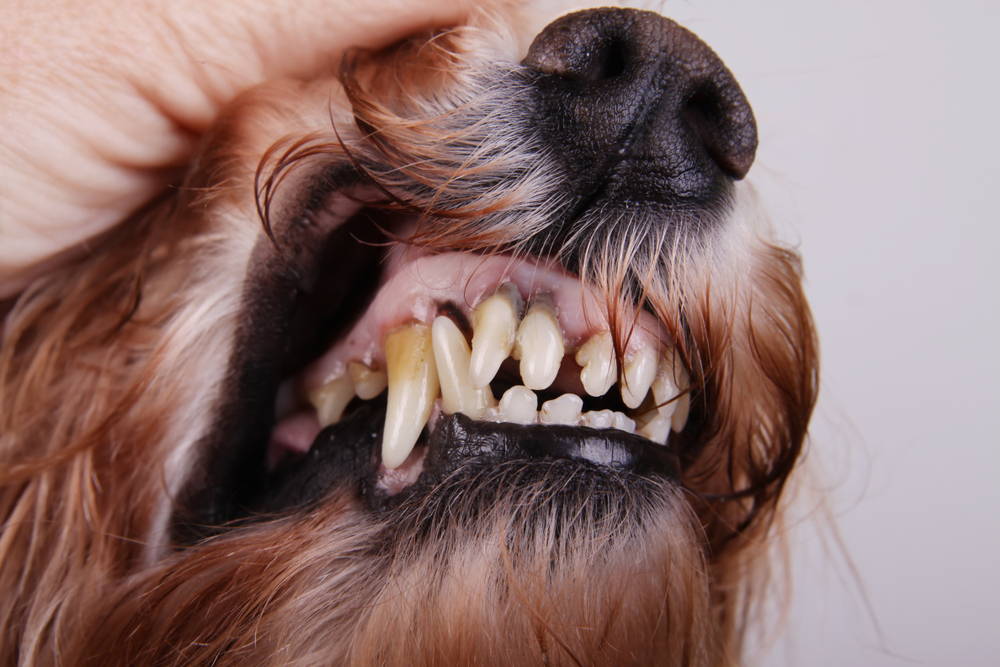
A dog's teeth are composed of a hard outer shell (enamel) and a soft center (pulp). Over time, food, saliva, and bacteria form plaque. Plaque and tartar buildup on the enamel can cause cavities, and once those cavities deepen through the enamel and into the pulp, tooth decay occurs.
Periodontal Disease
The same plaque and tartar that cause cavities can also lead to periodontal (gum) disease — a severe infection that damages the gums and, in extreme cases, can deteriorate the jawbone. Periodontal disease is one of the most common dental conditions in dogs and a frequent source of persistent bad breath.
Tooth Damage
Cracks in the teeth create spaces where bacteria accumulate, causing bad breath. Dogs can crack or break their teeth on hard objects like bones, rocks, plastic, and wood.
Dry Mouth
Xerostomia (dry mouth) occurs when a dog does not produce enough saliva to wash away bacteria and moisten the mouth. It is one of the most common causes of bad breath in dogs and is often linked to dehydration, though certain medications, fever, and immune disorders can also cause it.
Abscess
Tooth trauma, infected teeth, and bacterial infections at the gumline can cause oral abscesses — pockets of pus-filled tissue that indicate an active infection requiring veterinary treatment.
Diabetes
Not all causes of bad breath originate in the mouth. Diabetes causes the liver to break down fat for energy instead of blood sugar, releasing acidic ketones that can give a dog's breath a sour, acetone-like aroma. Female dogs, obese dogs, and certain breeds are at higher risk for diabetes.
Kidney Disease
The kidneys filter waste and toxins from the body. When kidney function is impaired, unfiltered waste can build up and affect the scent of a dog's breath, often producing an ammonia or urine-like smell.
Pica
Pica is a behavioral condition that causes dogs to eat items with no nutritional value — including feces, grass, and dirt — which can change the normal scent of their breath.
Poor Dietary Habits
Feeding table scraps or low-quality dog food lacking proper nutrients can lead to digestive issues that contribute to bad breath. Excessive consumption of certain foods, such as canned fish or dairy products, can also worsen breath odor.
5 Types of Bad Breath Smell in Dogs
Different breath odors can point to different underlying causes. Noting the specific smell can help your veterinarian narrow down the issue.
1. Fishy Smell
Fishy breath may indicate that one or more cavities or abscesses are present. Abscesses are pockets of pus-filled tissue that signal an active infection.
2. Poop Smell
In puppies, breath that smells like poop is typically normal and results from a mix of mother's milk and digestive enzymes. In adult dogs, it is more likely a sign that the dog has been eating feces (coprophagia), which can indicate a behavioral issue or nutritional deficiency.
3. Acetone or Chemical Smell
An acetone or chemical scent on the breath can signify diabetes — a condition that affects blood glucose levels due to a lack of insulin. If you detect this smell, consult your veterinarian promptly.
4. Ammonia or Urine Smell
An ammonia-like scent, similar to urine or sweat, most commonly indicates a kidney problem. This occurs when the kidneys cannot adequately filter waste from the bloodstream.
5. Rotten or Garbage Smell
If your dog's breath smells rotten, it is most likely a sign of poor dental hygiene. Halitosis is the technical term for bad breath, and addressing tartar, plaque, and gum disease is the most direct way to resolve it.
How to Treat Your Dog's Bad Breath
Treatment depends on the underlying cause, but several daily habits can help keep your dog's breath as fresh as possible.
Brush Your Dog's Teeth Regularly
When saliva mixes with food and debris inside the mouth, plaque forms. Brushing your dog's teeth daily — or at least three to four times per week — helps prevent the plaque buildup that leads to cavities and tooth decay. Use a pet-friendly toothbrush and dog-safe toothpaste (never human toothpaste). A DentaBliss Daily Dental Finger Mitt can also help remove plaque and bacteria from hard-to-reach areas between brushings.
Provide Tooth-Friendly Toys
To avoid bad breath caused by cracked teeth and related abscesses, only give your dog soft or pliable toys. Materials like tough rubber, nylon, and durable silicone are less likely to damage teeth. If your dog tends to destroy toys, replace softer toys before they break into pieces that could cause choking or bowel obstructions.
Limit Sugary and Starchy Treats
Treats with sticky textures, added sugar, or starchy ingredients like corn and wheat starch are more likely to cause plaque buildup, especially if your dog's teeth are not brushed regularly. Choose dental-friendly treats designed to reduce plaque and tartar instead.
Try a Tooth Gel
Tooth gels for dogs containing antimicrobial ingredients can help clear bacteria lingering in the mouth. Medicated tooth gels coat the teeth for a targeted oral treatment you can do at home.
Encourage Hydration
Adequate water intake helps reduce the risk of dry mouth and flushes out food and debris that contribute to bacterial buildup. Make sure fresh water is always available.
Use Dental Sticks
Quality dental sticks provide a gently abrasive texture for mechanical teeth cleaning along with breath-freshening ingredients. Chewing also stimulates saliva production, which naturally helps wash away odor-causing bacteria. Crunchy, dog-safe vegetables like carrots can serve a similar purpose.
When to See a Vet About Bad Breath
While occasional mild breath odor can occur, persistent or especially foul-smelling breath warrants a veterinary visit. Chronic bad breath could indicate periodontal disease, infections, or systemic conditions like kidney or liver disease. A veterinarian can perform a thorough examination to identify the cause and recommend appropriate treatment, including professional dental cleaning if needed.
Consult your veterinarian promptly if bad breath is accompanied by excessive drooling, difficulty eating, swollen gums, or loose teeth. These signs often indicate severe dental issues that require professional intervention. Regular dental check-ups allow your vet to detect and address problems early before they develop into more serious health concerns. Consistent home care — including regular brushing, dental-friendly treats, and adequate hydration — combined with routine veterinary dental exams is the most effective approach to keeping your dog's breath fresh and their mouth healthy.