Pet Health
· Updated March 03, 2026· 6 min read

Are Probiotics a Natural Hairball Remedy for Cats?

✓ Vet-Reviewed Content
Dr. James Bascharon
Written by Dr. James Bascharon, DVMVeterinarian | Founder & CEO
Last medically reviewed: March 03, 2026
Meet our Vet Advisory Board →

- Probiotics can help cats with hairballs in three ways: increasing good bacteria in the gut to aid digestion and reduce inflammation (making hairballs easier to pass), breaking down hair and other fibers that contribute to hairball formation, and supporting overall health which may reduce stress-related over-grooming
- Fiber and digestive enzymes also help reduce hairballs — fiber moves hair through the digestive system, while digestive enzymes break down hair and other substances that contribute to hairball formation
- Home remedies for cat hairballs include applying a small amount of petroleum jelly to your cat's paw or nose to lubricate the digestive tract, adding canned sardines or other oily fish to their diet, regular grooming with a pet brush to remove loose hair before ingestion, and ensuring adequate hydration
- Hairballs form when cats groom themselves and swallow hair that accumulates in the digestive tract — tiny backward-slanting bumps on the tongue called papillae grab loose hairs and direct them toward the throat
- Factors that increase the likelihood of hairballs include long hair (more hair ingested during grooming), indoor-only lifestyle (more manual grooming since outdoor surfaces help remove loose hair), older age (digestive system may be less efficient and older cats may groom more from boredom), and stress or anxiety (increased grooming frequency)
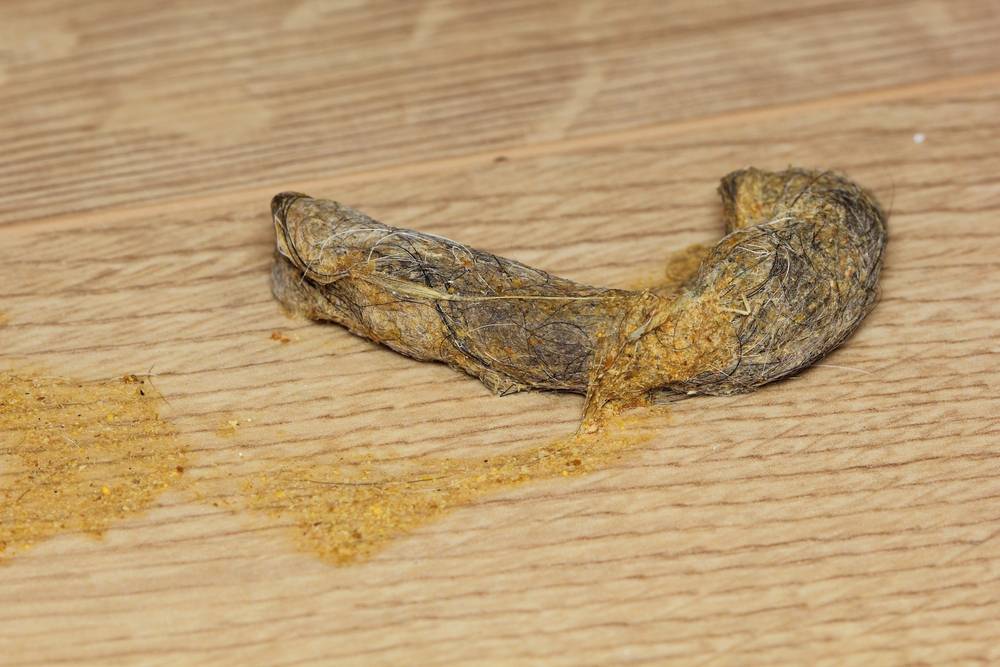
- Cat hairballs are typically sausage-shaped with a matted appearance, ranging from a few millimeters to about an inch in size, and may be covered in a slimy substance when coughed up
- Cats most prone to hairballs include long-haired breeds like Persians, Maine Coons, Ragdolls, and Himalayans, as well as indoor-only cats, older cats, and stressed or anxious cats
- If your cat suddenly starts getting hairballs or has them frequently, consult your veterinarian to rule out underlying health issues

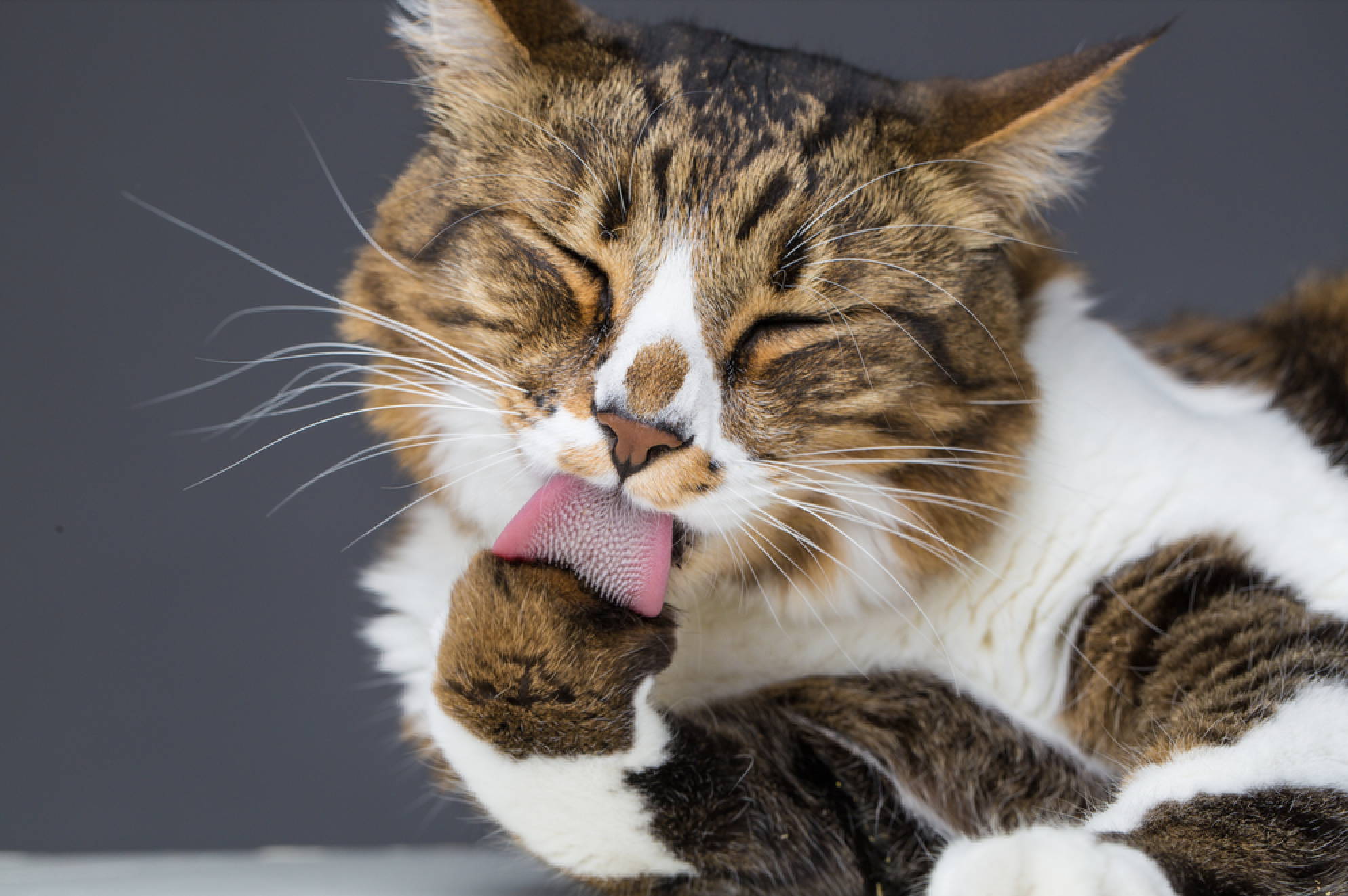
Short-haired cat grooming itself by licking its paw

Every cat owner knows the familiar sound of a cat hacking up a hairball. While it is not pleasant to witness, it is even more uncomfortable for the cat. Is there a natural hairball remedy that can reduce the frequency and severity of hairballs? This guide explores whether probiotics can help cats manage hairballs, covers what causes hairballs and which cats are most prone, and shares additional home remedies to try.

Can You Use Probiotics for Cats with Hairballs?

Probiotics are live microorganisms that are beneficial to the digestive system. They can be found in certain foods or supplements and are used by both humans and pets to support a healthy gut. When it comes to hairballs, probiotics can help in several ways.

First, probiotics increase the number of good bacteria in the gut, which aids digestion and reduces inflammation in the digestive tract. This can make hairballs easier for your cat to pass. Second, probiotics can help break down hair and other fibers that contribute to the formation of hairballs. Third, probiotics support digestive health while also benefiting immunity and mood. By supporting your cat's overall health and well-being, you may reduce their risk of over-grooming due to stress or other conditions.

In addition to probiotics, ingredients like fiber and digestive enzymes can also help reduce hairballs. Fiber helps move hair through the digestive system, while digestive enzymes break down hair and other substances that contribute to hairball formation. A probiotic and prebiotic powder formulated for cats that combines these ingredients can be a convenient option for daily use.

If your cat suddenly starts getting hairballs or has them frequently, share these changes with your veterinarian. Not all cats will respond to probiotics for hairballs, so it is always best to consult your vet before trying any new supplements or treatments.

Other Home Remedies for Cat Hairballs

In addition to probiotics, there are several other natural remedies that can help reduce hairball frequency. Petroleum jelly is a common remedy that many cat owners use — apply a small amount to your cat's paw or nose, and they will lick it off, helping to lubricate the digestive tract and reduce the likelihood of hairballs forming.

Adding canned sardines or other oily fish to your cat's diet can also help lubricate the digestive tract. A well-lubricated digestive system can support smoother passing of hairballs as well as regular bowel movements.

Regular grooming with a pet brush can be effective in reducing hairballs by removing loose hair before your cat has a chance to ingest it. This reduces the total amount of hair that enters the digestive system. Finally, ensuring your cat stays adequately hydrated is important, as dehydration can contribute to hairball formation.

What Causes Hairballs?

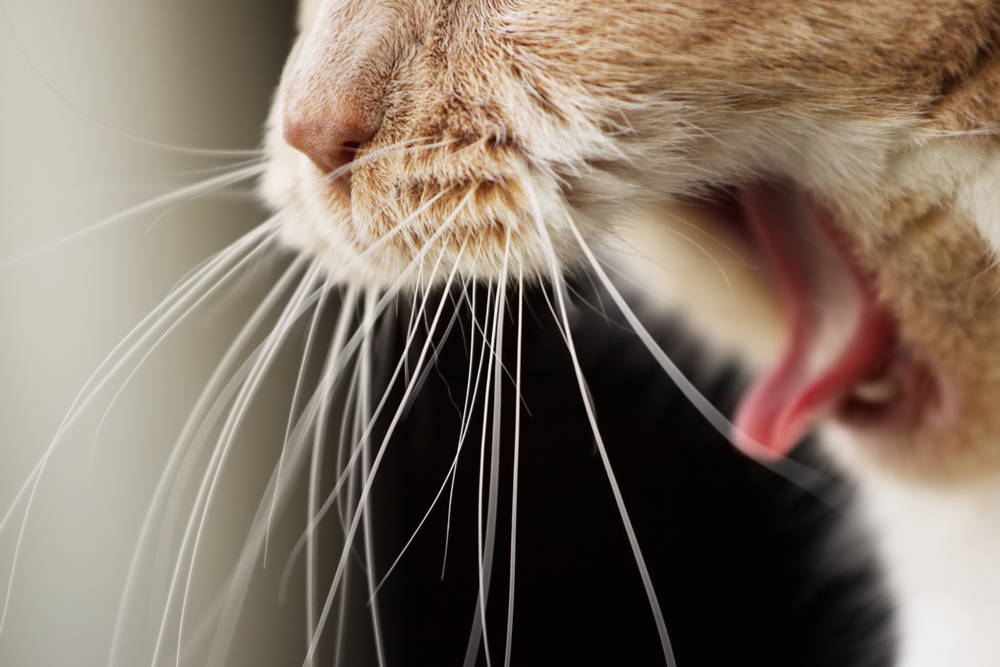
Hairballs form when cats groom themselves and swallow hair that then accumulates in their digestive tract. Small bumps on the cat's tongue — the ones that give it a sandpaper-like texture — grab loose hairs during grooming. These tiny bumps, called papillae, are slanted backward toward the throat, which is why hair ends up being swallowed and entering the digestive system.

While most cats will experience hairballs from time to time, certain factors can increase their likelihood.

Long hair

Cats with long hair are more likely to develop hairballs because they ingest more hair when grooming themselves. Long-haired breeds such as Persians, Maine Coons, Ragdolls, Himalayans, Siberians, and Norwegian Forest Cats are particularly susceptible.

Indoor lifestyle

Cats that live exclusively indoors can be more likely to develop hairballs because they rely more heavily on self-grooming. Outdoor cats may brush against plants and other surfaces that help remove excess loose hair, while indoor cats do that work entirely with their tongue.

Older age

Older cats may be more prone to hairballs because their digestive system may not function as efficiently as it once did. Senior cats may also groom more frequently due to boredom, as most tend to become less active with age.

Stress

Cats that are stressed or anxious are more likely to groom themselves excessively, which increases the amount of hair they swallow and raises the likelihood of hairball formation.
Cat coughing up a hairball on the floor

What Do Cat Hairballs Look Like?

Cat hairballs are typically sausage-shaped with a matted appearance and can range in size from a few millimeters to about an inch. When a cat is about to cough up a hairball, they may make retching or gagging sounds, and the hairball itself may be covered in a slimy substance. If you are unsure whether something on your carpet is a hairball, vomit, or something else, take a picture and share it with your veterinarian.
Close-up of a cat hairball

Which Cats Get Hairballs?

While all cats are susceptible to hairballs, certain types are more prone to developing them. These include long-haired breeds such as Persians, Maine Coons, Ragdolls, and Himalayans, indoor-only cats, older cats, and stressed or anxious cats.

If you notice that your cat is experiencing frequent or severe hairballs, consult your veterinarian. They can help rule out any underlying health issues and recommend the best home or clinical treatment options. For daily digestive and probiotic support, try Glandex Probiotic & Prebiotic Powder for Cats. For cats that also need anal gland or fiber support, the Glandex Feline Anal Gland Supplement provides a fiber-rich formula designed specifically for cats. Explore the full Glandex collection for additional options.

🩺
DR. JAMES BASCHARON SAYS
"Probiotics can help increase good bacteria in the gut, aid digestion, and reduce inflammation in the digestive tract, potentially making hairballs easier to pass."
— Dr. James Bascharon, DVM , General Practice
Breeds commonly affected
Most at risk

Frequently Asked Questions

Can probiotics help cats with hairballs?

Yes. Probiotics can help cats with hairballs by increasing good bacteria in the gut to aid digestion and reduce inflammation, making hairballs easier to pass. Probiotics can also help break down hair and other fibers that contribute to hairball formation. Additionally, by supporting overall health and well-being, probiotics may reduce stress-related over-grooming. Not all cats will respond to probiotics for hairballs, so consult your veterinarian before trying new supplements.

What are home remedies for cat hairballs?

Home remedies include applying a small amount of petroleum jelly to your cat's paw or nose to lubricate the digestive tract, adding canned sardines or other oily fish to their diet for digestive lubrication, regular grooming with a pet brush to remove loose hair before your cat ingests it, and ensuring adequate hydration since dehydration can contribute to hairball formation. Fiber supplements and digestive enzymes can also help move hair through the digestive system.

What causes cat hairballs?

Hairballs form when cats groom themselves and swallow hair that accumulates in the digestive tract. Tiny backward-slanting bumps on the cat's tongue called papillae grab loose hairs during grooming and direct them toward the throat, where the hair is swallowed and enters the digestive system. When this hair does not pass through the digestive tract normally, it accumulates and forms a hairball.

What do cat hairballs look like?

Cat hairballs are typically sausage-shaped with a matted appearance and can range in size from a few millimeters to about an inch. When a cat is about to cough up a hairball, they may make retching or gagging sounds. The hairball itself may be covered in a slimy substance. If you are unsure whether what you found is a hairball or something else, take a picture and share it with your veterinarian.

Which cats are most prone to hairballs?

Long-haired cat breeds such as Persians, Maine Coons, Ragdolls, and Himalayans are more prone to hairballs because they ingest more hair during grooming. Indoor-only cats are also more susceptible because they rely more on self-grooming without outdoor surfaces to help remove loose hair. Older cats may be more prone due to less efficient digestion and increased grooming from boredom, and stressed or anxious cats groom more frequently, increasing hair ingestion.

Do indoor cats get more hairballs than outdoor cats?

Indoor cats can be more likely to develop hairballs because they do more manual self-grooming than outdoor cats. Outdoor cats may brush against plants and other surfaces that help remove excess loose hair naturally, while indoor cats rely entirely on their tongue for grooming, which leads to more hair being swallowed.

Can dehydration cause hairballs in cats?

Dehydration can contribute to hairball formation. Adequate hydration helps the digestive tract function properly and move ingested hair through the system. Ensuring your cat has access to fresh water at all times, and offering wet food or additional water sources, can help reduce the likelihood of hairball formation.

When should I see a vet about my cat's hairballs?

Consult your veterinarian if your cat suddenly starts getting hairballs when they previously did not, if the frequency or severity of hairballs increases, or if hairballs are accompanied by other symptoms. Your vet can rule out underlying health issues and recommend the best home or clinical treatment options for your cat.

Sources

Dr. James Bascharon is the founder of Vetnique Labs and a practicing veterinarian. He is a member of the Vetnique veterinary advisory board and provides clinical guidance across the Glandex and Profivex product lines.

📋
Veterinary Disclaimer

Vetnique Labs was founded by Dr. James Bascharon, DVM, and all content is reviewed by our Vet Advisory Board. This information is not a substitute for professional veterinary advice. Always consult your veterinarian.

Dr. James Bascharon
About the Author

Dr. James Bascharon, DVM

Veterinarian | Founder & CEO

Dr. James Bascharon is a veterinarian, entrepreneur, and the visionary founder of Vetnique. He launched Vetnique in 2012 after formulating Glandex® in his own kitchen to address anal gland health in pets.

Search