

If your dog struggles with chronic scooting, excessive licking under the tail, and other signs of anal gland distress, you may be wondering whether anal gland removal is an option. Anal sacculectomy — the surgical removal of the anal glands — is not something a veterinarian will recommend immediately, but it is a viable option for dogs with chronic issues that have not responded to other treatments.
Understanding Anal Glands in Dogs
Anal glands, also known as anal sacs, are small sacs located just inside the anus. These glands produce a pungent, oily substance that dogs use for territorial marking and identification. When a dog defecates, a small amount of this substance is released onto the feces, leaving a unique scent marker. While anal glands may seem insignificant, problems with them can lead to significant discomfort and health complications.
The most common anal gland issue is impaction, where the contents of the sac thicken and the glands become blocked and unable to empty properly. Impaction can lead to discomfort, pain, and infection. Other anal gland problems include abscesses, inflammation, and tumors within the gland tissue. Learn more about anal gland issues in dogs.
Symptoms of Anal Gland Problems
Recognizing the signs of anal gland problems is important for timely treatment. Common symptoms include scooting (dragging the bottom along the ground to relieve discomfort), excessive licking or biting at the rear end due to irritation from blocked glands, a strong unpleasant odor emanating from the rear, and visible swelling or redness around the anus indicating inflammation or infection. If you notice any of these symptoms, consult your veterinarian for proper diagnosis and treatment.
What Is Anal Sacculectomy?

Anal sacculectomy is a surgical procedure in which the veterinarian removes the anal sacs entirely. The goal is to address existing anal gland issues and prevent future complications associated with the glands. While the procedure may seem drastic, it can be a necessary solution for persistent or severe problems that do not respond to conservative treatments.
When Is Anal Sacculectomy Necessary?
Anal sacculectomy is typically considered only after other treatment methods have failed to resolve the problem or when issues recur frequently. Your veterinarian may recommend surgery if your dog experiences chronic anal gland impactions or infections, recurring abscesses or inflammation of the anal glands, or tumors or other abnormalities within the gland tissue that pose a health risk.
Dogs must meet certain criteria in terms of health history and symptom severity before surgery is recommended. If you think your dog might be a candidate, discuss the options thoroughly with your veterinarian to make an informed decision.
Pros and Cons of Anal Gland Removal
As with any surgical procedure, it is important to weigh the potential benefits and risks with your veterinarian before proceeding.
On the benefit side, anal gland removal can provide long-term relief for dogs with persistent problems and significantly improve their quality of life. Removing the glands eliminates the risk of future impactions, infections, and other gland-related issues. Dogs that undergo the procedure often experience a notable reduction in the discomfort and pain associated with chronic anal gland problems.
On the risk side, there are inherent risks associated with anesthesia and the surgical procedure itself. Some dogs may experience temporary or permanent changes in bowel habits, and fecal incontinence is a possible complication. Removing the anal glands also eliminates a natural means of communication and scent marking. These factors should be discussed with your veterinarian to determine whether the benefits outweigh the risks for your individual dog.
How to Help Prevent the Need for Surgery
High-Fiber Diet
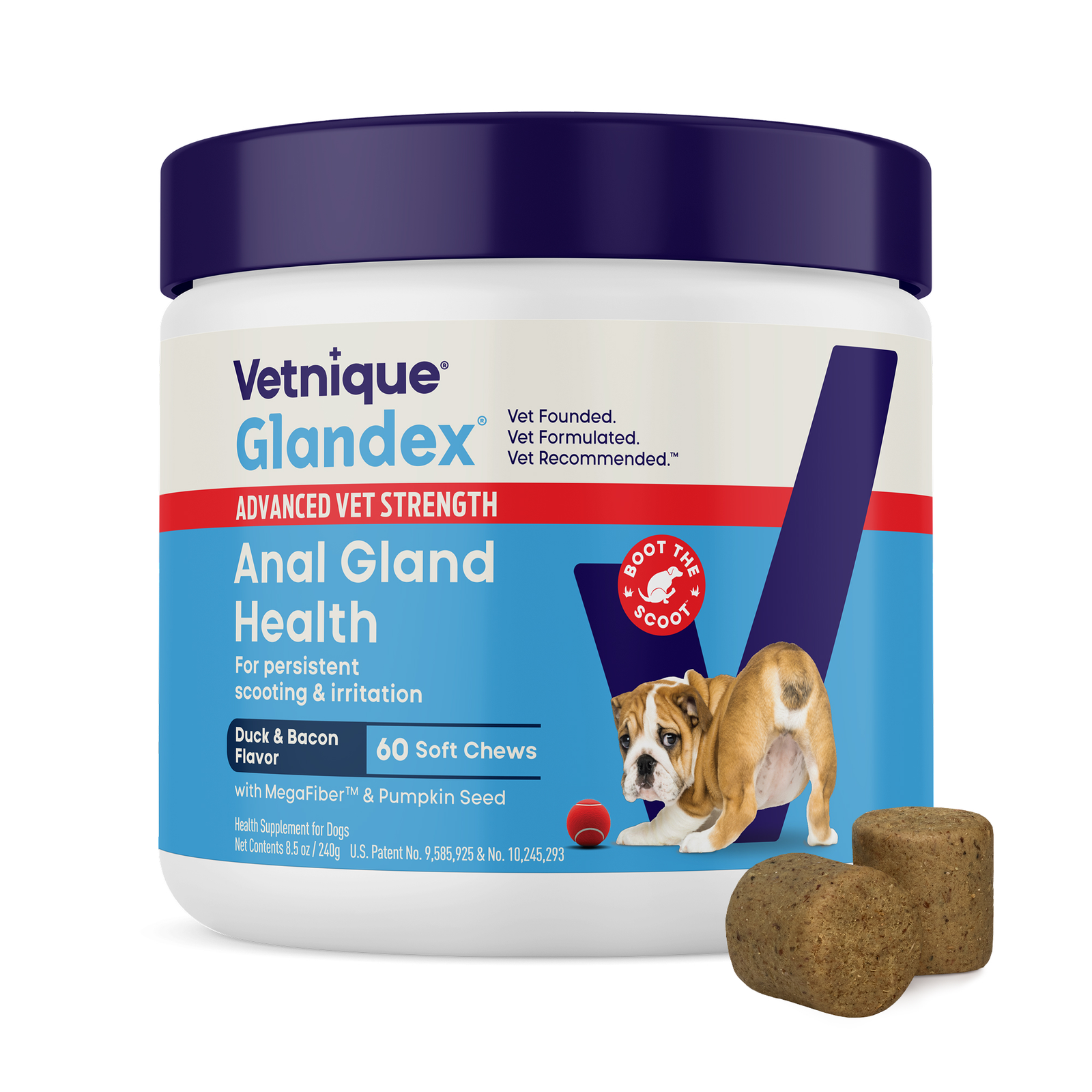
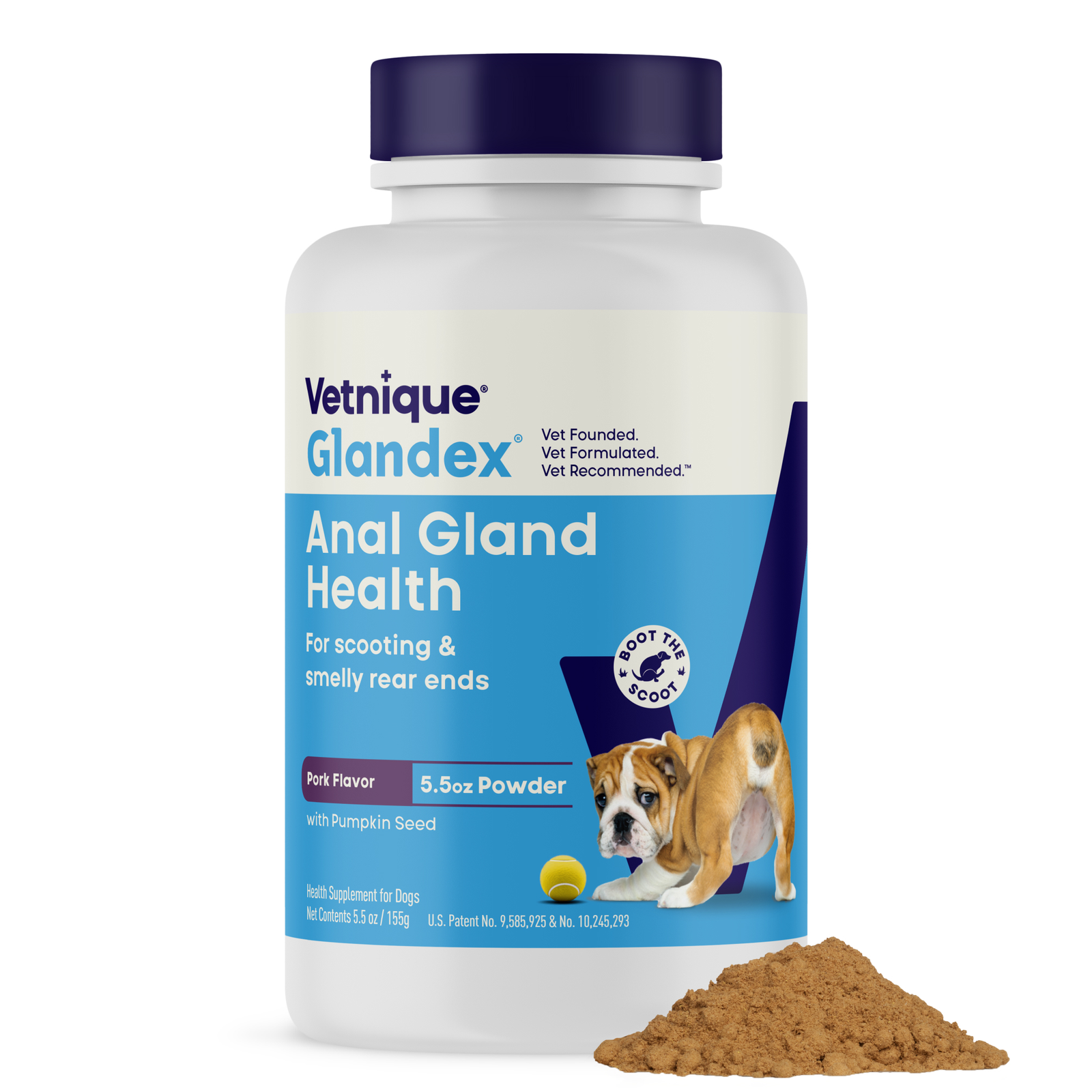
A high-fiber diet promotes firmer stools, which help naturally express the anal glands during bowel movements. Pumpkin is particularly beneficial — it provides fiber, prebiotics, digestive enzymes, and vitamins including Vitamin C and Vitamin A. Glandex Soft Chews are formulated with pumpkin-based fiber specifically to support healthy anal gland function. For dogs with severe or chronic issues, Glandex Advanced Vet Strength Chews provide a more concentrated formula.
Weight Management
Maintaining a healthy body weight helps prevent excessive pressure on the anal glands and reduces the risk of impaction.
Allergy Management
Dogs with underlying food or environmental allergies may be predisposed to anal gland issues. Allergies can cause inflammation of the anal sacs that narrows the ducts, or trigger increased production of anal gland secretions. Both factors contribute to inadequate emptying and can lead to chronic anal gland problems in allergy-prone dogs.
Careful Approach to Manual Expression
While some dogs benefit from occasional professional expression, frequent manual anal gland expression can cause permanent damage to the gland tissue. If your dog does not have anal gland health issues, having them routinely expressed can cause more harm than good over time. If your dog requires frequent expression, discuss alternative long-term management strategies with your veterinarian.
Long-Term Anal Gland Management

Whether or not your dog has undergone surgery, ongoing management of anal gland health is important. Schedule regular veterinary checkups to monitor gland health and address concerns early. Maintain a balanced, fiber-rich diet to promote regular bowel movements and support natural gland expression. Keep the area around the rear end clean and soothed — Glandex Hygienic Wipes can help with daily hygiene between baths. Be vigilant for signs of anal gland issues such as scooting or excessive licking, and seek veterinary care if symptoms last longer than 24 hours.
Browse the full Glandex anal gland health collection for supplements, wipes, and other products designed to support your dog's anal gland health.