


Written by Dr. Patrick Mahaney, DVM

Because our pets are cherished family members, seeing any sign of bleeding is understandably concerning. At Vetnique, we believe these moments deserve a balance of compassionate care and science-backed expertise to get your pet back to their happiest self.
The anatomy of a dog's butt includes the dog's anus and anal sacs, which are small scent-marking glands located on either side of the anus at the 8 o'clock positions and 4 o'clock positions. These structures play important roles in your dog's health and can be sources of discomfort or dog bleeding if issues arise.
A dog bleeding from butt (including the dog's anus, rectum, or anal sacs) can be incredibly alarming for pet parents. At Vetnique, we are grounded in clinical experience and believe in providing nose-to-tail wellness. Understanding the underlying causes and preventive measures is the first step toward long-term relief.
At a glance:
-
The urgency: While common, any sign of dog bleeding from the rear requires prompt evaluation to identify the underlying cause and ensure appropriate treatment.
-
Color coding: Bright red blood typically indicates an issue in the lower digestive tract, while dark, tarry blood suggests a concern higher up in the digestive system.
-
Anal gland health: Anal gland issues or anal sac disease are frequent culprits; support natural expression with a balanced diet rich in targeted fiber.
-
Expert intervention: If your dog displays severe symptoms like pale gums, lethargy, or bloody diarrhea, seek veterinary care immediately as these can be life threatening emergencies.
Understanding rectal bleeding in dogs
When we discuss rectal bleeding in dogs, it is vital to understand exactly what this condition entails. Rectal bleeding refers to the presence of blood in a dog’s feces or around the anal area.
The blood may appear as bright red, indicating a fresh bleed in the lower digestive tract, or darker and tarry blood, suggesting a problem higher up in the intestinal tract. You might notice blood streaked on the surface of the dog's stool or blood mixed throughout; when blood is mixed into the stool, it can indicate more severe symptoms and requires urgent veterinary attention.
Regularly inspecting your dog's stool and anal area during grooming helps you spot changes before they become emergencies. If you notice the bleeding is accompanied by additional symptoms like lethargy, vomiting, or behavior changes, seek veterinary care promptly for a proper diagnosis.
There are many reasons why a dog might experience rectal bleeding, ranging from minor irritations to severe medical conditions. Common culprits include anal gland problems, where the anal sacs become impacted or infected. Bloody stool or bloody diarrhea can also result from dietary indiscretion, food allergies, or intestinal parasites that damage the intestinal walls and intestinal lining.
Evaluating the severity of the bleeding
When your dog is experiencing rectal bleeding, pet parents must carefully evaluate the situation to determine the next steps. Start by observing the amount, color, and consistency of the blood in your dog’s poop.
-
Bright red blood: Often points to dog bleeding in the lower digestive tract, such as the dog's anus or rectum.
-
Tarry blood: May indicate a problem higher up in the digestive system.
Pay close attention to any severe symptoms that accompany the bleeding, such as vomiting, chronic diarrhea, lethargy, or pale gums. These signs can signal life threatening emergencies that require immediate care. If your dog is actively bleeding, the flow is heavy, or you notice pale gums, don’t wait; seek veterinary care right away.
Common causes of rectal bleeding in dogs
There are several potential causes, and every possibility warrants an evaluation from your veterinarian to ensure an accurate diagnosis. A veterinarian will assess your dog's condition to find the underlying cause of the dog bleeding from butt.
Anal gland problems
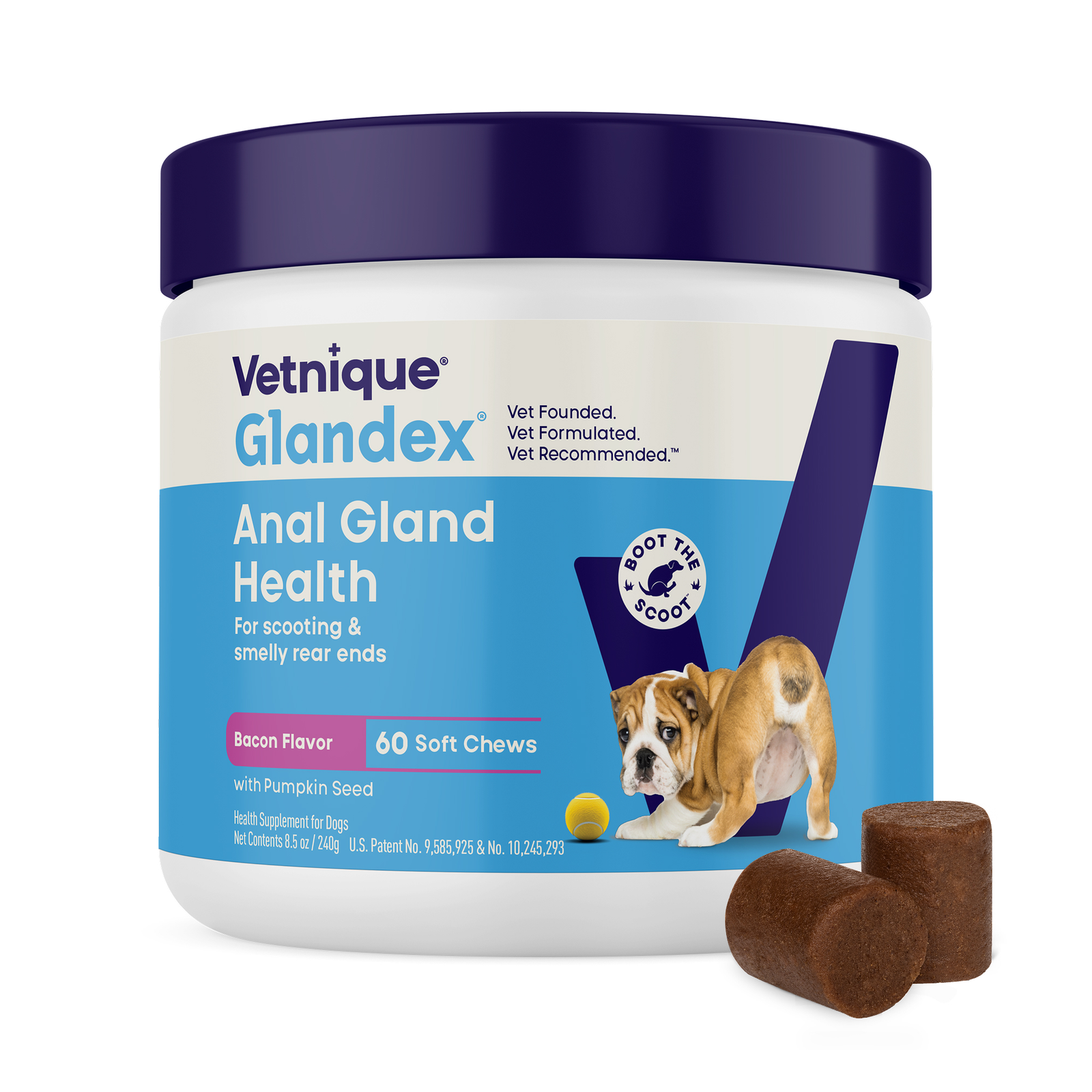
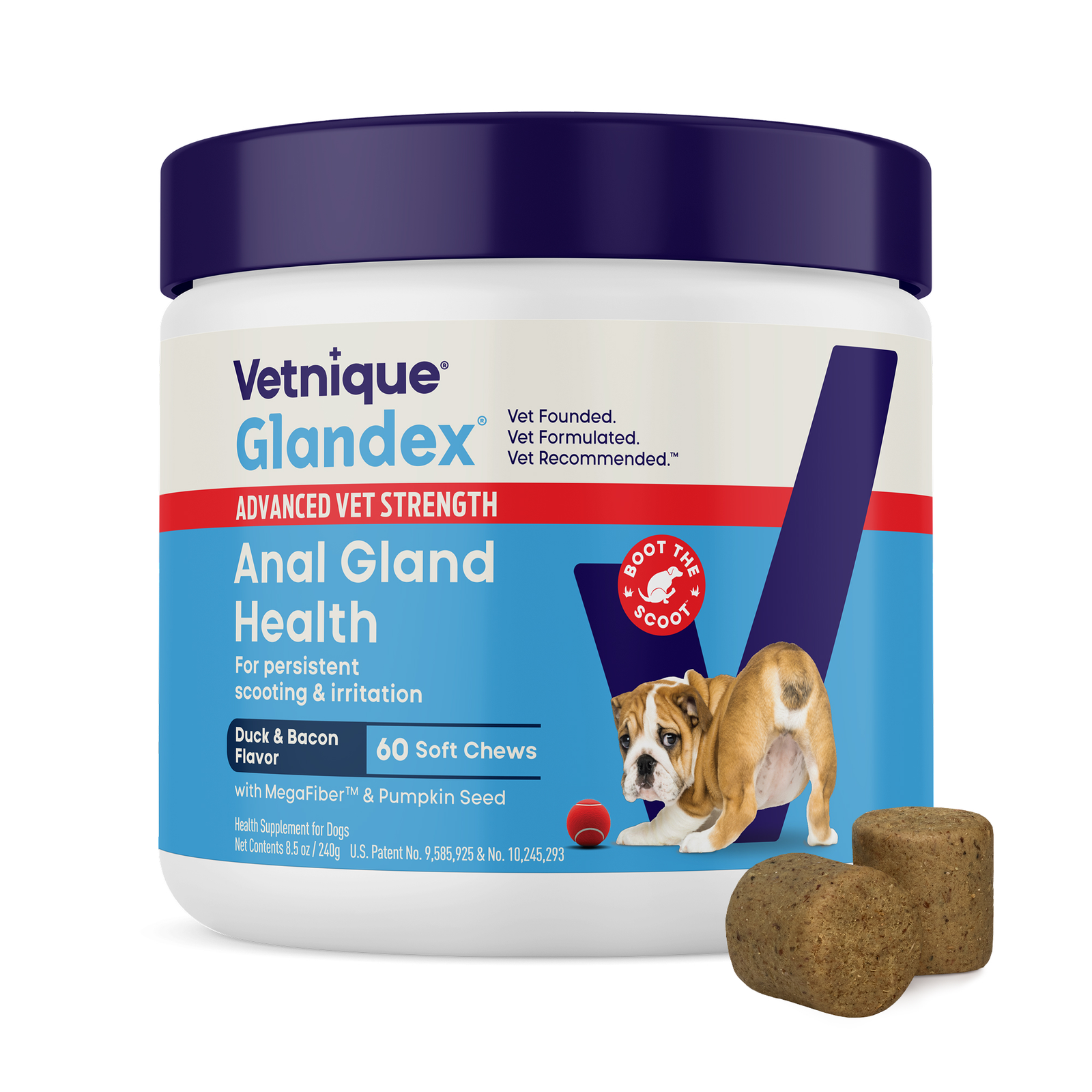
Anal gland issues are one of the most frequent reasons for a dog bleeding from anus. These tiny anal sacs can become impacted, abscessed, or ruptured, leading to significant discomfort. You might notice your dog scooting, licking their dog's butt excessively, or a foul smelling fluid emanating from the rear. Another chronic condition is perianal fistulas, which involve painful, draining tracts in the skin around the dog's anus, common in certain breeds like German Shepherds. To support your pet, consider incorporating anal gland health chews into their daily routine.
Dietary issues and allergies
Dietary indiscretion and food allergies are primary drivers of gastrointestinal distress in dogs. Poor diet choices can result in digestive tract upset. Eating spoiled food or garbage can irritate the intestinal tract, often causing mild diarrhea or an inflamed intestinal lining. Providing a balanced diet high in fiber and maintaining a healthy weight are key pillars of dog's health.
Parasitic infections
Intestinal parasites can wreak havoc on the digestive system, damaging the intestinal walls and leading to bloody diarrhea. Regular parasite prevention and fecal testing are essential to keep these intruders at bay. For pets recovering from GI upset, daily prebiotic & probiotic supplements can help restore balance.
Trauma and severe medical conditions
Rectal bleeding can sometimes indicate more complex issues:
-
Malignant tumors: These are more common in senior pets.
-
Hemorrhagic gastroenteritis (HGE): Causes sudden, bloody diarrhea and requires immediate care.
-
Blood clotting disorders: Conditions like von Willebrand's disease (an inherited disorder) or other blood clotting disorders caused by disease or toxin exposure.
-
Foreign material: Ingesting sharp objects can cause physical trauma to the digestive tract.

Diagnostic tests and procedures
To establish a proper diagnosis, your veterinary medicine team may recommend a series of diagnostic tests. These can include fecal exams to check for intestinal parasites, blood tests to assess health status and check for blood clotting disorders, and imaging like X-rays or ultrasound to visualize the digestive system. In some cases, more advanced procedures such as endoscopy or colonoscopy may be needed to examine the intestinal lining directly. These tools are essential for an accurate diagnosis, allowing the team to identify conditions like anal sac disease or inflammatory bowel disease.
Treatment and management options
Treatment varies based on the accurate diagnosis. Most dogs respond well to effective treatment when the underlying cause is addressed promptly.
At-home care and recovery
If the bleeding is mild and linked to recurring anal gland issues, your vet may recommend regular expression to prevent buildup. While many pet parents can learn to perform gentle external expression at home, it’s always a good idea to have your veterinary team demonstrate the proper technique first. Using incorrect pressure can cause discomfort or injury, so we always recommend a professional 'how-to' session to ensure you feel confident and your pet stays comfortable. For daily maintenance, medicated anal gland wipes can help keep the area clean and soothe irritation.
Pet parents can support recovery by:
-
Bland diet: A bland diet (like boiled chicken and rice) can soothe the digestive system.
-
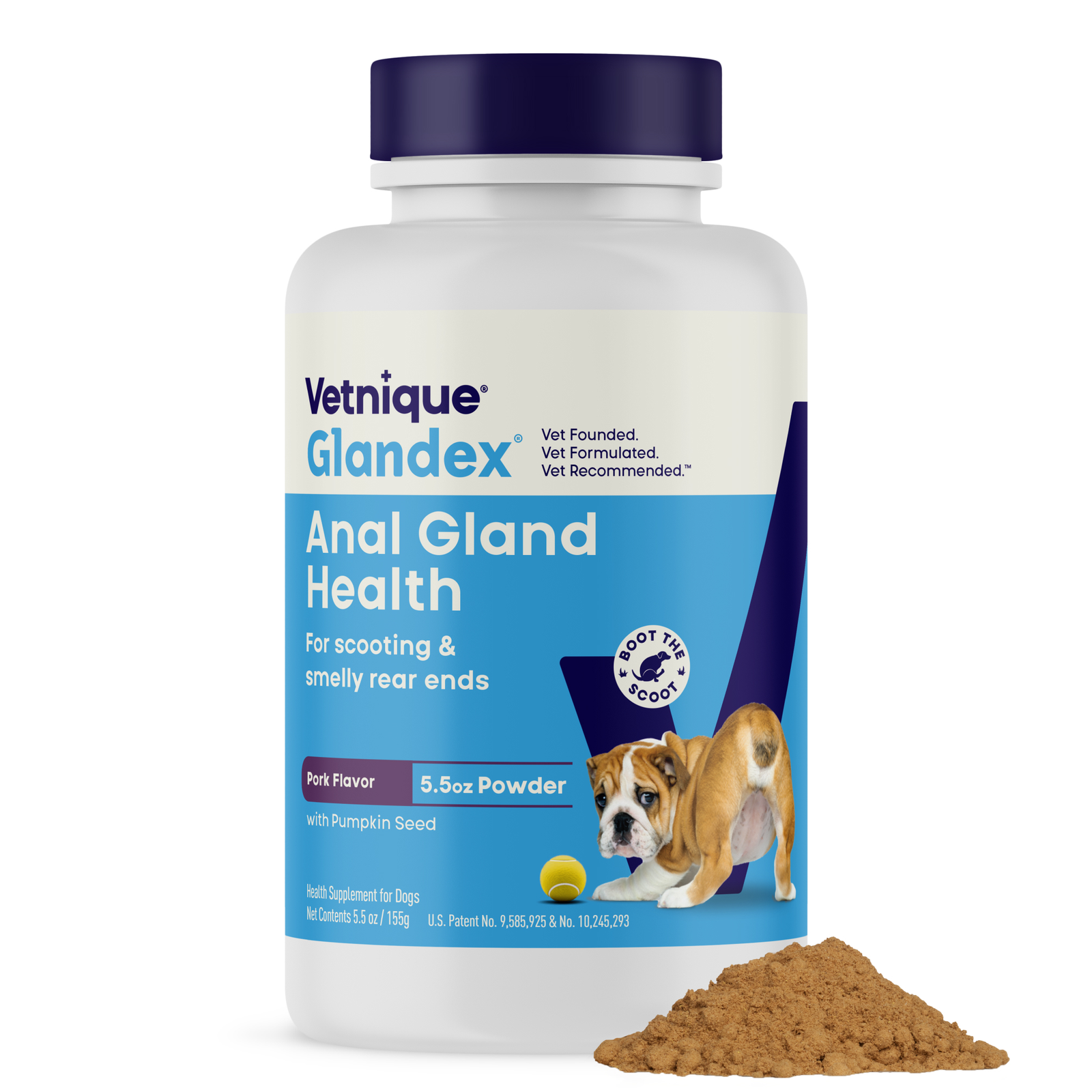
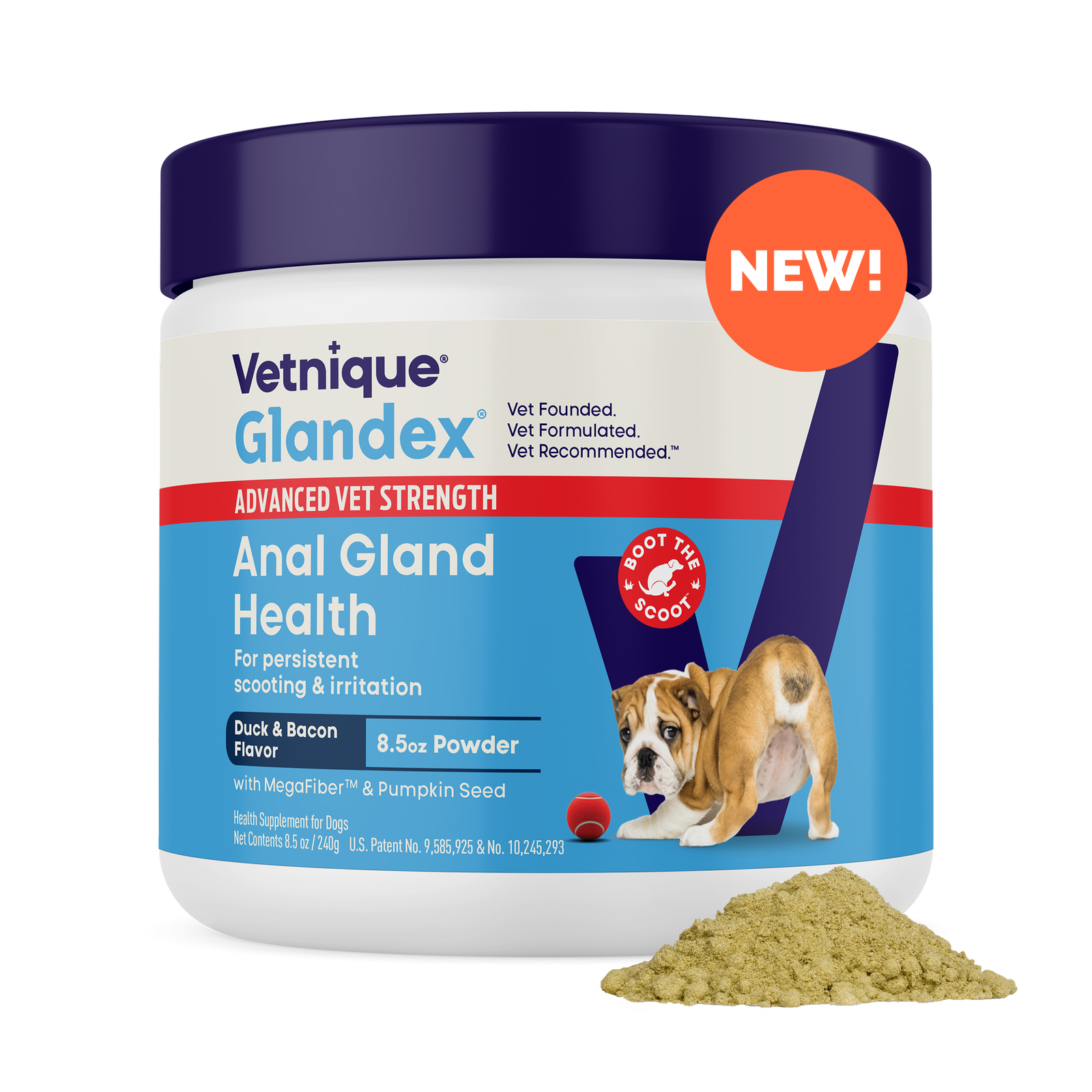
Fiber support: Adding anal gland health powder with fiber can help the dog feel better by adding necessary bulk to the dog's stool.
-
Hygiene: Gently clean the anal area with a warm, damp cloth to reduce inflammation and irritation.
-
Stool softener: If recommended by your vet to prevent straining during bowel movements.
When to seek veterinary care
While at-home care is helpful for recovery, it is not a substitute for a proper diagnosis. If dog bleeding persists, is bright red, or your dog has pale gums, seek veterinary care immediately.
Prevention and long-term wellness
Our mission at Vetnique is to help pets thrive through proactive, science-backed care.
-
Regular vet check-ups: Essential to monitor dog's health and catch anal sac disease or malignant tumors early.
-
Balanced diet & healthy weight: A healthy diet high in fiber supports the digestive system and natural anal gland function.
-
Regular parasite prevention: Crucial to protect the intestinal tract and prevent bloody diarrhea.
-
Supervise outdoor time: Prevent your dog from ingesting spoiled food or foreign material.
Being a pet parent means staying proactive about the health signals your dog sends you. If you notice your dog pooping blood, don't hesitate to contact your veterinarian for a clinical evaluation. Timely intervention is the most effective way to ensure your pet continues to thrive and enjoy a long, comfortable life.
Frequently asked questions (FAQs)
Why is my dog bleeding from the butt but acting normally?
It can be confusing when you see bright red blood but your dog seems happy. This often occurs with anal gland problems, where the anal sacs are irritated or slightly torn, or from minor lower digestive tract inflammation. Even if they are acting normally, seek veterinary care to ensure a minor issue doesn't become a life threatening emergency.
Dog bleeding from anus when to see a vet?
You should seek veterinary attention immediately if you see actively bleeding wounds, tarry blood, or if the dog bleeding is accompanied by severe symptoms like pale gums or vomiting. If your dog has diarrhea and bleeding from butt, or if a puppy has bloody diarrhea, this requires immediate care to prevent dehydration and address potential intestinal parasites.
What are some home remedies for dog bleeding from rectum?
While you should always get a proper diagnosis first, at home care often involves a bland diet (boiled chicken and rice) and a stool softener if the dog bleeding from rectum after constipation is suspected. For dog anal gland bleeding, keeping the anal area clean with warm water can reduce inflammation, but always follow your veterinarian's recommendations.
What are the common causes of rectal bleeding in older dogs?
In older dogs, rectal bleeding may be caused by chronic diarrhea, anal gland issues, or more serious concerns like malignant tumors and inflammatory bowel disease. Because the health status of senior pets can change quickly, an accurate diagnosis from a professional in veterinary medicine is essential.
What to feed a dog with blood in stool?
If your dog's stool shows signs of irritation, your vet may recommend a bland diet to rest the digestive tract. Once recovered, a balanced diet with high-quality fiber can help maintain a healthy weight and prevent recurring anal gland issues by ensuring the dog's poop is firm enough to express the glands naturally.
* This blog exists to provide general information and education about veterinary health and related subjects. The information and other content provided in this blog, website, or in any linked materials is not intended as and should not be considered, or used as a substitute for, medical advice, diagnosis, or treatment. We cannot diagnose conditions, provide second opinions, or make specific treatment recommendations through this blog or website.
If you suspect that your pet has a medical concern, you should consult with your veterinary health care provider or seek other professional medical treatment immediately. Never disregard professional medical advice or delay in seeking it because of something that you have read on this blog, website, or in any linked materials.