


Do dogs need vitamins? Our pets bring us endless joy and companionship, and it is only natural that we want the best for their health. In this guide, we explore the world of dog vitamin supplements — what they do, which ones matter, and how to choose the right one for your dog.

Why Do Dogs Need Vitamins?
If your dog is eating a well-balanced diet that includes nutrient-dense ingredients, they may already get many essential vitamins from the food they eat. But if their daily diet falls short — whether due to dietary restrictions, picky eating, or changing nutritional needs — adding a targeted supplement can help fill the gaps.
Dog vitamin supplements are specially formulated to provide a comprehensive blend of vital vitamins, minerals, and nutrients designed for canine health. From vitamin A, which supports healthy vision, to vitamin D, which aids in calcium absorption for strong bones, supplements offer a convenient way to help ensure your dog gets the nutrients they need.
How vitamins benefit your dog
When your dog gets essential vitamins on a regular basis, the benefits can be significant. Improved immune function helps protect against illness. Strong bones and joints support mobility and active play. A healthy coat that is soft and full becomes easier to maintain. And cognitive function stays sharp, supporting your dog's ability to learn and engage with the world around them. Altogether, proper vitamin intake contributes to a healthier, happier life for your dog.
A Beginner's Guide to Dog Vitamin Supplements
Understanding which vitamins support canine health can help you make informed decisions about supplementation. Here is a breakdown of the essential vitamins for dogs and what each one does.
Vitamin A
Vitamin A supports vision health, promotes a strong immune system, and contributes to healthy skin and coat in dogs.
B vitamins
The B vitamin complex — including B1, B2, B3, B5, B6, B9, and B12 — plays a vital role in energy metabolism, nerve function, and healthy digestion. B vitamins also promote a healthy coat and support brain health.
Vitamin C
As an antioxidant, vitamin C helps boost the immune system and protects cells from damage. It also aids in collagen production and supports joint health. Unlike humans, dogs can actually produce their own vitamin C, so it is not technically an essential nutrient for them. However, natural vitamin C production decreases with age, making supplementation beneficial for older dogs.
Vitamin D
Vitamin D is essential for calcium absorption, promoting strong bones and teeth. It also plays a role in regulating the immune system and supporting muscle function.
Vitamin E
As an antioxidant, vitamin E helps protect cells from oxidative damage caused by free radicals. It promotes healthy skin and coat, supports the immune system, and aids in cell function.
Vitamin K
Vitamin K is crucial for blood clotting and bone health. It supports the synthesis of certain proteins involved in these processes.
Biotin
Biotin (vitamin B7) is beneficial for healthy skin, coat, and nails. It supports metabolic function and contributes to overall vitality.
Choline
Choline is essential for brain development and function, as well as liver health. It aids in the transportation of fats and supports cellular structure.
Niacin
Niacin (vitamin B3) plays a role in energy metabolism and helps maintain a healthy nervous system. It also supports the health of the skin and digestive system.
Riboflavin
Riboflavin (vitamin B2) is important for energy production and supports healthy vision, skin, and coat. It also contributes to the metabolism of carbohydrates, fats, and proteins.
Water-soluble vs. fat-soluble vitamins
Some vitamins are water-soluble, meaning they are stored temporarily in the body and then excreted through urine and feces. Fat-soluble vitamins, on the other hand, are stored in the liver and other tissues. Veterinarians generally recommend caution with fat-soluble vitamin supplementation to prevent potential toxic effects from accumulation in the body. Always consult with a veterinarian to determine the specific needs and appropriate dosages for your dog.

How to Choose the Right Vitamin for Your Dog
With many options available, choosing the right dog vitamin supplement can feel overwhelming. Here is what to consider when making your decision.
Consult your veterinarian
Your veterinarian can assess your dog's individual health needs and provide guidance on which vitamins and dosages are appropriate. This is the most important first step before introducing any new supplement.
Consider your dog's age and life stage
Puppies, adult dogs, and senior dogs have different nutritional requirements. Make sure the vitamin you choose is formulated for your dog's specific life stage.
Identify specific health needs
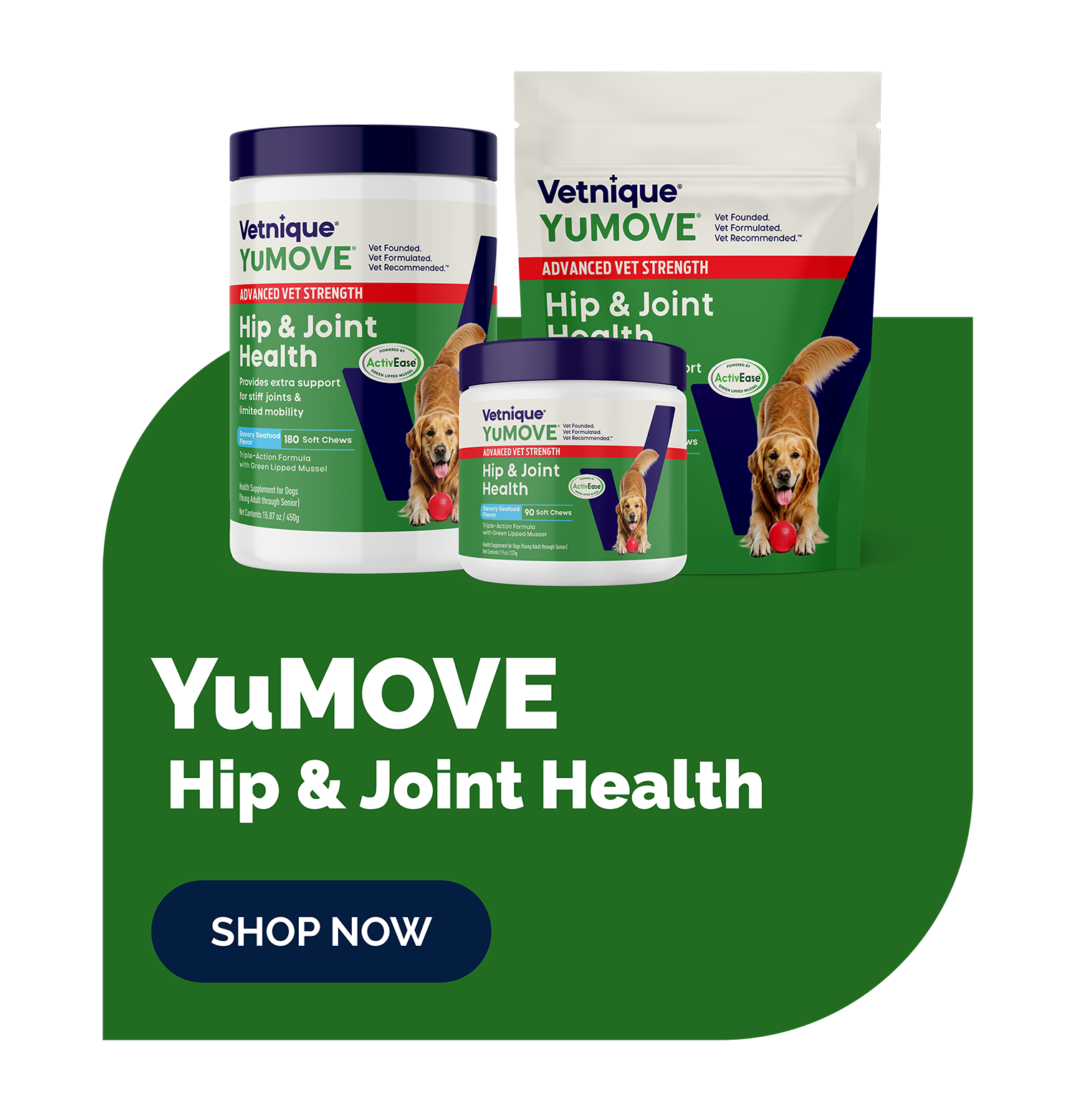
Does your dog have specific health concerns? For joint issues, look for supplements that include ingredients like glucosamine and omega fatty acids — YuMOVE hip and joint supplements are formulated specifically for this purpose. For skin allergies and immune support, DermaBliss Advanced Seasonal Allergy Health Chews target those areas of concern. For overall skin and coat health, the DermaBliss skin care collection offers targeted support.
Look for quality and safety certifications
Choose supplements manufactured by reputable companies that adhere to stringent quality standards. Look for certifications from regulatory bodies like the National Animal Supplement Council (NASC) to ensure the supplement is safe for your dog.
Read the label
Check the ingredient list carefully to confirm it contains the specific vitamins your dog needs. Avoid supplements with unnecessary fillers or artificial additives like artificial colors and flavors or chemical preservatives.
Consider form and administration
Some dogs prefer chewable supplements, while others may find liquid or powdered vitamins easier to consume. Choose a format that suits your dog's preferences and makes daily administration straightforward.
Follow dosing instructions
Pay attention to the recommended dosage and feeding instructions on the product label. Follow these guidelines to ensure your dog receives the appropriate amount without exceeding safe limits. If you are unsure about your dog's specific dosage needs, ask your veterinarian for guidance.
Monitor your dog's response
After introducing a new vitamin, observe your dog for any changes in behavior, digestion, or overall well-being. If you notice any adverse effects, discontinue use and consult your veterinarian. When starting a new supplement, it is best to begin with smaller doses and work up to the recommended amount over a few days to reduce the risk of potential side effects.
Every dog is unique, so what works for one may not work for another. Prioritize your dog's individual needs, seek professional veterinary advice, and make informed choices to support their overall health and vitality.