



Yelping is one of the easiest ways for dogs to signal that they are in pain, but it is not the only indicator. Pain can occur for several reasons, making it important to understand the cause so you can help your dog find comfort. This guide covers common causes of pain in dogs, the signs to watch for, the different types of pain your dog may experience, and vet-recommended tips for pain management.
Common Causes of Pain in Dogs
Pain can be expected if your dog is aging, injured, or sick. Here are the most common reasons your dog may be experiencing pain.
Injury
An injured dog will almost certainly be in pain. Safety measures like walking with a leash can prevent many injuries, but accidents still happen. Broken bones, sprains, and lacerations are among the most common injuries. Everyday situations that can lead to injury include stepping on sharp objects like rocks, glass, or metal; objects stuck in the ears or paws such as thorns or splinters; bites, stings, or scratches from other animals; muscular or ligament injury from overexertion; and contact with man-made objects like cars or fences.
Aging
Pain can be an unavoidable part of the aging process. As ligaments, muscles, and joints weaken after years of activity, dogs may experience pain or discomfort in new ways. Aging dogs may have more difficulty with running, jumping, climbing, lying down, standing up, and playing.
Illness
Stomach issues can cause cramping and abdominal pain. Canine influenza can cause muscle aches and joint pain from inflammation. Parasitic infections can produce a wide range of painful symptoms. Ear infections can be particularly painful, causing pressure, throbbing, and itchiness, and can lead to long-term damage if left untreated.
Dental problems
Tooth pain is one of the more difficult causes of pain to identify. It can be caused by abnormal growth, infection, gum disease, or structural damage like a cracked tooth. If your dog whimpers while chewing or seems to be avoiding meals, these behaviors could point to dental pain. Infected teeth left untreated can lead to painful abscesses that often require surgical treatment.
8 Signs That Your Dog Is in Pain
Recognizing pain in dogs requires careful observation. Here are eight key signs to watch for.
1. Yelping
Yelps are sharp and sudden. Yelping is a dog's reflexive reaction to physical or emotional pain — in some cases, a dog will yelp in fear without being physically injured. If your dog yelps unexpectedly, it is an important signal that something is wrong.
2. Whining or whimpering
If something hurts and your dog cannot make the pain stop, they may whimper or whine for a prolonged period. This is a sign that they need help managing whatever pain they are experiencing.
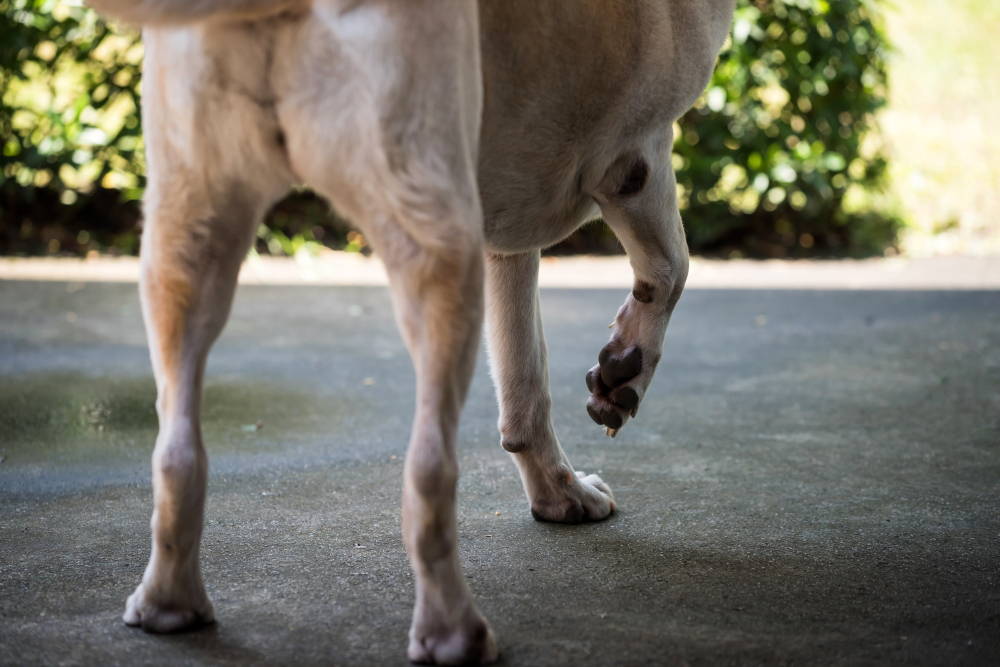
3. Favoring or avoiding a limb
If your dog favors one paw or avoids using it altogether, they may have an injured extremity that is too painful for normal use.
4. Limping
Limping occurs when your dog avoids walking or putting weight on a specific leg or paw as a way to reduce pain in the affected area.
5. Hesitation
Senior dogs who experience pain when jumping may hesitate or false-start several times before launching themselves upward. This hesitation is a sign of discomfort in the joints or muscles used for that movement.
6. Loss of appetite
Loss of appetite is not limited to dental pain or stomach issues. The general discomfort associated with chronic pain can also cause your dog to lose their appetite. If this happens, contact your veterinarian for pain management options.
7. Tail tucked between the legs
A tucked tail can indicate emotional pain such as stress, anxiety, or fear. In some cases, it may also signal pain or injury in the tail itself.
8. Ears pulled back
Dogs may flatten or pull their ears back when something is wrong. This behavior is most commonly linked to fear or aggression but can also indicate emotional distress caused by pain.
Types of Pain in Dogs and Why They Happen
Pain can occur anywhere in your dog's body and in multiple locations at once, making it difficult to identify the cause. Understanding the different types of pain can help you approach pain management more effectively.
Acute pain
Acute pain starts suddenly or has only been present for a short time. It is the body's way of signaling that an area needs to be left alone while it heals, or that an infection or illness requires immediate attention. Acute pain may also be expected after certain procedures or surgery and should be discussed with your veterinarian for proper management.
Chronic pain
Chronic pain is predictable or ongoing. Dogs with chronic pain often have lower energy levels and may experience long-term changes in mood. Many senior dogs deal with chronic pain due to age-related deterioration in the joints and muscles.
Emotional pain
Sometimes pain is not associated with any physical injury. Your dog's emotional pain may manifest as stress, anxiety, fear, or depression. Common triggers include the loss of a family member or fellow pet, a new pet or child in the household, adjusting to a new environment, environmental disruption such as home renovations, separation from their owner, illness or injury, and past trauma or abuse. Emotional pain may take longer to heal, making your support and patience especially important.
Somatic pain
Somatic pain occurs in the limbs and soft tissues, including the skin and muscles. In humans, this type of pain is typically described as sharp and intense.
Visceral pain
Visceral pain occurs inside the body, affecting the internal organs, muscles, or bones. It typically presents as a dull, aching, or gnawing sensation.
Neuropathic pain
Neuropathic pain results from injuries or illnesses involving the brain and nervous system. Because of its close connection to the nervous system, neuropathic pain is often chronic and can be one of the most challenging types of pain to identify and treat.
Veterinarian Tips for Keeping Dogs Pain-Free
Helping your dog with pain management means supporting their overall health from nose to tail. Here are vet-recommended strategies for reducing and managing your dog's pain.
Document symptoms carefully
Your dog's pain tolerance and severity may fluctuate, so track symptoms over time. Pain symptoms that worsen or last longer than 24 hours should be reported to your veterinarian.
Be gentle when inspecting painful areas
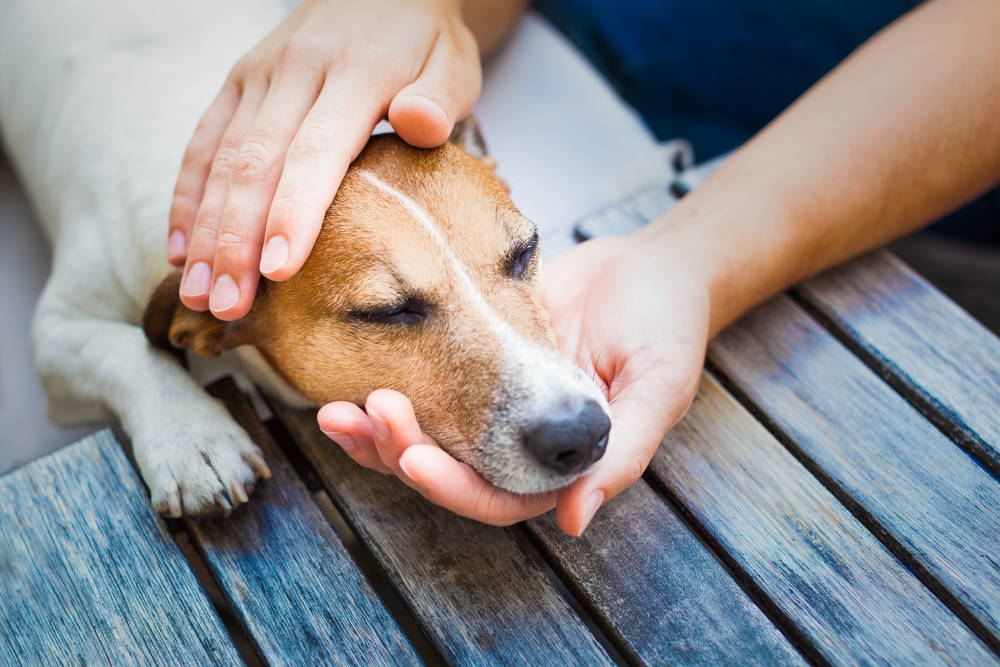
Use a careful touch when examining areas that may be tender. Handling sensitive spots too aggressively can cause further damage. Pay close attention to how and where your dog responds to your touch so you can share that information with your vet.
Support your aging dog
Senior dogs — generally those over age 7 — can benefit from supplemental nutrients for overall health. Decreased mobility is a common source of pain for aging dogs, so a daily hip and joint supplement can help support a more active, comfortable lifestyle. Daily joint health bites can also support mobility and joint comfort for dogs at any age.
Reduce stressors
While emotional pain may not seem as urgent as physical pain, it should still be addressed with the same level of care. Take note of places, people, or situations that trigger your dog's distress, and avoid them when possible.
Check outdoor areas for hazards
If your yard is shared with neighbors or used for projects, regularly inspect for nails, sharp objects, and other hazardous debris that could injure your dog.
Maintain safe boundaries
Set up safe boundary zones to protect your dog from outdoor hazards. Invest in fencing and always use a leash on walks to prevent injuries from traffic, other animals, and unfamiliar terrain.
Recognizing and addressing pain in your dog is one of the most important things you can do as a pet owner. By monitoring symptoms, being gentle with tender areas, and working with your veterinarian on a management plan, you can help your dog stay comfortable and maintain a good quality of life. Explore the full YuMOVE hip and joint collection for supplement options that support long-term joint health.