

Homes, garages, yards, and neighborhoods are filled with threats that can put dogs and cats at risk. Many common foods, plants, chemicals, and medications that are safe for people can cause serious illness or death in pets. Here is a guide to the most common household hazards and what to do if your pet is exposed.
Toxic Foods for Dogs and Cats
Many foods and drinks that are safe for humans pose serious health risks to pets. Common toxic foods include chocolate, grapes and raisins, onions, garlic, macadamia nuts, avocado, alcohol, yeast dough, coffee grounds and tea bags, fatty foods, mushrooms, excess salt, rotting food, and any products containing the artificial sweetener xylitol (including some peanut butters).
The best way to protect your pets from unsafe foods is to make sure garbage is out of reach and that potentially dangerous foods are stored in closed cupboards where pets cannot access them. Read the 20 human foods that are toxic to dogs.
Household Cleaning Products
Cleaning products present dangers ranging from stomach issues and skin and respiratory tract irritation to chemical burns and death. One of the most commonly overlooked hazards is toilet water treated with flushable cleansers — keep toilet lids closed to prevent pets from drinking treated water.
Protecting pets from harmful chemicals in household cleaners requires two steps. First, always follow the instructions on the product label. Many products require keeping pets and children away from treated areas until the product is dry, or indicate that they should only be used in well-ventilated areas. Second, store all cleaning products in a secure, preferably locked cupboard, always in their original packaging so you can reference the label for proper use. When in doubt about a product's safety, dispose of it rather than risk improper use around pets.
Medications and Bathroom Items
Human medications and personal care products should be stored out of reach of pets at all times. Some of the most dangerous items in this category include anti-inflammatory drugs (ibuprofen, aspirin, naproxen), acetaminophen, diet pills and vitamins, cold medicines and antihistamines, and all prescription drugs including antidepressants. Bathroom items like bath and hand soaps, toothpaste, sunscreens and lotions, scented candles, and potpourri can also cause serious stomach issues if ingested. Perfumed items like soaps are particularly tempting to pets.
Garage and Yard Hazards
Garages and yards contain some of the most acutely dangerous substances pets can encounter, including antifreeze, herbicides, insecticides, coolants, fertilizers, weed killers, ice-melting products, gasoline, adhesives, and paints and solvents. When using these products, clean up any drips on the floor or ground immediately, as even small amounts can be tempting for pets to sniff or lick. Be aware of similar hazards in your neighborhood on driveways, lawns, and gardens during walks.
Toxic Plants
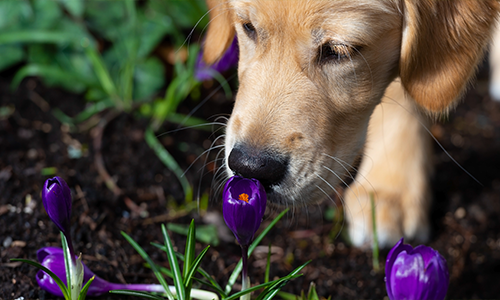
Many common indoor and outdoor plants can make pets sick if ingested or even licked. Illness from toxic plants can range from vomiting and diarrhea to heart and kidney failure or death. Some of the most dangerous plants for dogs and cats include lilies, lily of the valley, oleander, yew, foxglove, kalanchoe, sago palms, azaleas, rhododendrons, tulip and narcissus bulbs, castor bean, cyclamen, amaryllis, chrysanthemums, pothos, English ivy, philodendron, corn plant, mother-in-law's tongue, hibiscus, hydrangea, peace lily, schefflera, rhubarb leaves, shamrock, yesterday-today-and-tomorrow plant, autumn crocus, and glory lily.
Check with your veterinarian about the safest plants to have in your home and garden to reduce the risk of accidental poisoning.
Other Household and Outdoor Hazards
Additional household hazards that pet owners should be aware of include tobacco, batteries, small items that pose choking risks, coins (especially pennies, which contain zinc), electrical cords, marijuana and other narcotics, and unfamiliar household pets. Outside the home, potential dangers include wildlife such as coyotes, bears, snakes, or raccoons (depending on your location), cars and street traffic, toxic plants, and chemical fertilizers and pesticides.
What to Do in an Emergency
If you believe your pet has ingested something harmful, do not wait for symptoms to appear. Contact your regular veterinarian or an emergency veterinary hospital immediately. If you know what your pet ingested, bring the product container or a sample of the plant to help your veterinarian quickly identify the substance and determine the best treatment. If you are unsure whether your pet ingested something harmful, assume they did and seek veterinary care right away.