

German Shepherds are admired for their intelligence, loyalty, and energy. They are also a breed with a known set of health conditions that owners should be aware of. Understanding these conditions, recognizing early signs, and working closely with your veterinarian can make a significant difference in your German Shepherd's quality of life.

Do German Shepherds Have a Lot of Health Issues?
German Shepherds are known for having some breed-specific health concerns. Their larger frame can make them susceptible to hip dysplasia, a condition that affects mobility. Exocrine pancreatic insufficiency (EPI), which impacts digestion, is another concern associated with this breed. However, not every German Shepherd will develop these conditions.
Many of these issues can be addressed through responsible breeding practices and attentive care. Regular exercise, proper diet, and routine veterinary checkups play a vital role in a German Shepherd's overall well-being. With good care, a German Shepherd can lead a vibrant and active life.
Top Health Conditions in German Shepherds
Hip dysplasia is one of the most common health concerns for this active working breed. It stems from a malformation of the hip joint and can lead to discomfort and reduced mobility. Recognizing signs early is important for intervention — watch for subtle changes in gait, reluctance to engage in physical activities like jumping, climbing stairs, or playing, and difficulty standing up. Maintaining a healthy weight and providing joint supplements can help support dogs managing this condition.
Degenerative Myelopathy (DM) affects the spinal cord and can lead to hind limb weakness and eventually paralysis, resulting in loss of mobility and decreased quality of life. Hip dysplasia and DM can have overlapping symptoms — particularly hind limb weakness — so a proper veterinary diagnosis is essential to determine the correct condition and guide treatment.
Von Willebrand Disease (VWD) is a rare hereditary condition. Contact your veterinarian if you notice signs such as excessive bleeding from the gums and nose or easy bruising.
Exocrine Pancreatic Insufficiency (EPI) occurs when the pancreas does not produce enough enzymes to digest food properly. This can lead to weight loss and digestive problems. EPI can be managed with special diets and enzyme supplements under veterinary guidance.
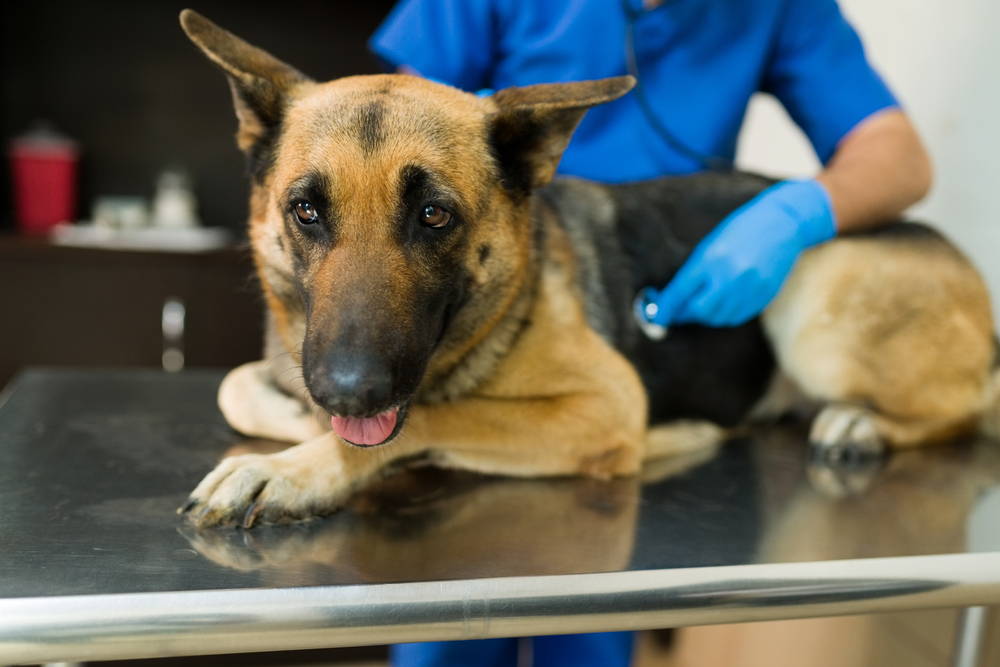
Regular veterinary visits and open communication with your veterinarian are the best ways to stay ahead of new or chronic health issues in German Shepherds.
Joint Supplements for German Shepherds
Hip dysplasia can significantly affect the mobility of active dogs. Joint supplements will not treat hip or joint conditions, but they can support joint function and overall mobility. Most joint supplements contain beneficial ingredients like glucosamine and chondroitin, which are widely trusted for joint health support. While supplements do not replace veterinary care, they work well alongside professional treatment.
YuMOVE Advanced Vet Strength Hip & Joint Health Chews are formulated for dogs with serious joint concerns and provide targeted support with ingredients including Glucosamine HCl, Green Lipped Mussel, and Hyaluronic Acid. For everyday joint maintenance, YuMOVE Tasty Health Bites offer daily preventive support. Browse the full YuMOVE hip and joint collection for additional options.
Other Common Health Issues in German Shepherds
Digestive Issues
Compared to many other breeds, German Shepherds tend to have sensitive stomachs. They can experience chronic vomiting, diarrhea, and constipation. More significant digestive conditions like exocrine pancreatic insufficiency (EPI) and inflammatory bowel disease (IBD) can also affect this breed and often require veterinary care.
Shedding
German Shepherds have a thick, dense coat and shed year-round to make room for new fur growth. Regular brushing, proper nutrition, and grooming routines can help manage the volume of shedding.
Allergies
Some German Shepherds have a higher risk of allergies, including food allergies, flea allergies, and environmental allergies triggered by pollens and dust mites. Once identified, food allergies can be managed by avoiding trigger ingredients. Seasonal allergies can be managed with medications, allergen-specific immunotherapy, and allergy supplements. DermaBliss Advanced Seasonal Allergy Health Chews provide daily allergy and immune support.
Arthritis
Large breeds like German Shepherds are commonly affected by arthritis, especially as they age. Arthritis causes inflammation of the joints and can be particularly debilitating for this normally active breed. Joint supplements with ingredients like glucosamine can support mobility and help manage discomfort.

Frequently Asked Questions About German Shepherd Health
How Long Do German Shepherds Live?
Most German Shepherds live between 8 and 12 years on average. Some records show German Shepherds living to age 15, though unverified accounts report ages as high as 20. Staying attentive to behavioral changes and symptoms — no matter how minor — and maintaining regular veterinary care can contribute to a longer, healthier life.
Why Are German Shepherds Prone to Certain Health Conditions?
German Shepherds are not necessarily prone to disease broadly, but they are susceptible to a specific set of genetic conditions. Generations of selective breeding have made this breed more vulnerable to certain inherited health risks, while their large skeletal frame makes joint issues more common and their thick coat makes shedding a year-round concern.
What Are the Common Weaknesses of German Shepherds?
Joint issues, allergies, and shedding are among the most common challenges for German Shepherd owners. However, the positive attributes of this breed — including intelligence, loyalty, confidence, courage, and protectiveness — are well worth the attention these health concerns require. With proper care and veterinary support, German Shepherds can live full, active, and comfortable lives.