


A complete and balanced diet is the foundation of your dog's health. But targeted nutritional supplements can provide meaningful extra support for specific concerns — things a good diet alone may not fully address, like anal gland health, joint stiffness, or reactive skin.
With so many dog supplements on the market, it's easy to feel overwhelmed. This guide breaks down what supplements actually do, how to match the right one to what you're observing in your dog, and what to look for when evaluating a brand.
Why Dog Supplements Matter
Over 68% of dog owners now give their dog a nutritional supplement. That's not a passing trend — it reflects a growing understanding that targeted support can make a real difference in how a dog feels and functions day to day.
Most dogs eating a high-quality, complete food don't need a general daily vitamin. But many benefit from targeted support for specific concerns — anal gland health, joint mobility, or skin sensitivity — where diet alone may not be enough. The difference between a supplement and a food is important: food provides the baseline nutrition your dog needs to function, while supplements are concentrated formulas designed to address particular health concerns.
Supplement Formats: Why It Matters
The format a supplement comes in affects how consistently you can give it — and whether your dog will actually accept it.
- Soft chews look and taste like treats, making daily administration straightforward for most dogs.
- Powders mix into food — useful for dogs that resist chews or have preferences about texture.
- Liquids allow flexible dosing and work well for smaller dogs or dogs with difficulty chewing.
- Topical products provide localized support applied directly to the skin or coat.
When evaluating any supplement, look for the National Animal Supplement Council (NASC) Quality Seal. This certification means the product has met rigorous manufacturing and quality standards — it's a reliable signal that what's on the label is actually in the bottle. All Vetnique products carry the NASC seal. Always consult your veterinarian before starting a new supplement, especially if your dog is older or managing an existing condition.
How Supplement Needs Change by Life Stage
Age, breed, and lifestyle all shape what a dog actually needs. A supplement protocol appropriate for a young adult dog is unlikely to be the right fit for a senior.
| Life Stage | Primary Focus | Common Categories | Key Ingredients | When to Start |
|---|---|---|---|---|
| Puppies | Eye development | Probiotics, omega-3s | DHA, beneficial bacteria | Vet recommendation only |
| Adult dogs | Prevention | Joint health, coat, dental | Glucosamine, fatty acids | Proactively |
| Senior dogs (7+) | Cognitive function | Joint support, immune health | MCTs, vitamin E, vitamin C | At first signs |
| Giant breeds | Joint protection | Joint supplements | Glucosamine, green-lipped mussel | Early (age 2–3) |
Avoid giving dogs supplements formulated for humans without veterinary guidance — dosages are different, and some ingredients are directly harmful to dogs.
How to Choose the Right Dog Supplement
The best starting point isn't a trending ingredient list. It's what you're actually observing at home. Scooting after bowel movements? Moving slower on walks? Persistent itching or paw-chewing? Each symptom points to a different category of support.
Digestive and Anal Gland Health (Scooting, Odor, Soft Stools)
The digestive system and anal gland function are closely connected. When stool consistency drops — too soft or inconsistent — it loses the firmness needed to naturally express the anal glands during a bowel movement. The result is scooting, discomfort, or a noticeable fishy smell.
Targeted supplements address this by firming the stool through fiber sources like pumpkin, restoring the natural pressure needed for proper gland emptying. For a full overview of causes and when to seek veterinary care, see our guide to anal gland issues in dogs.
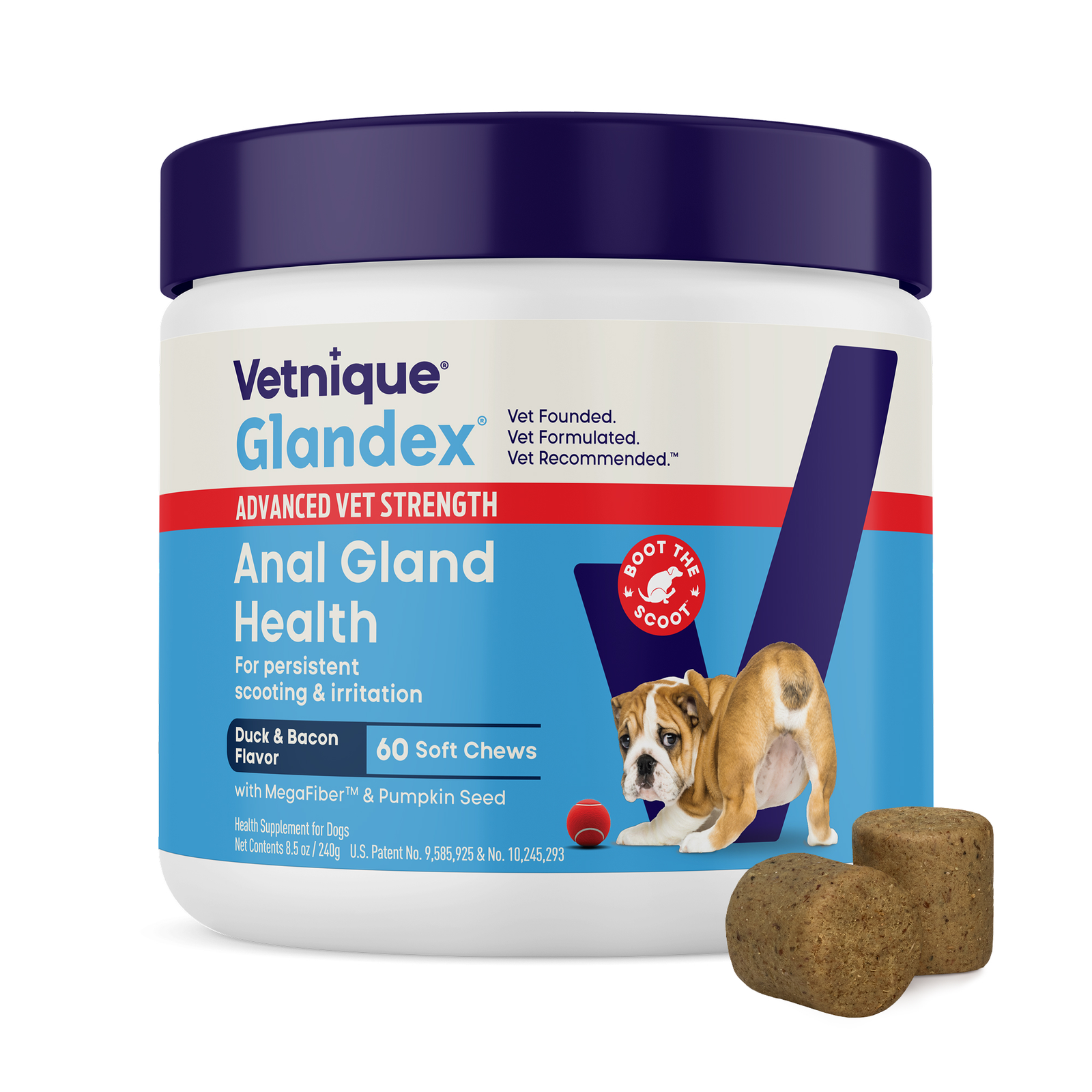
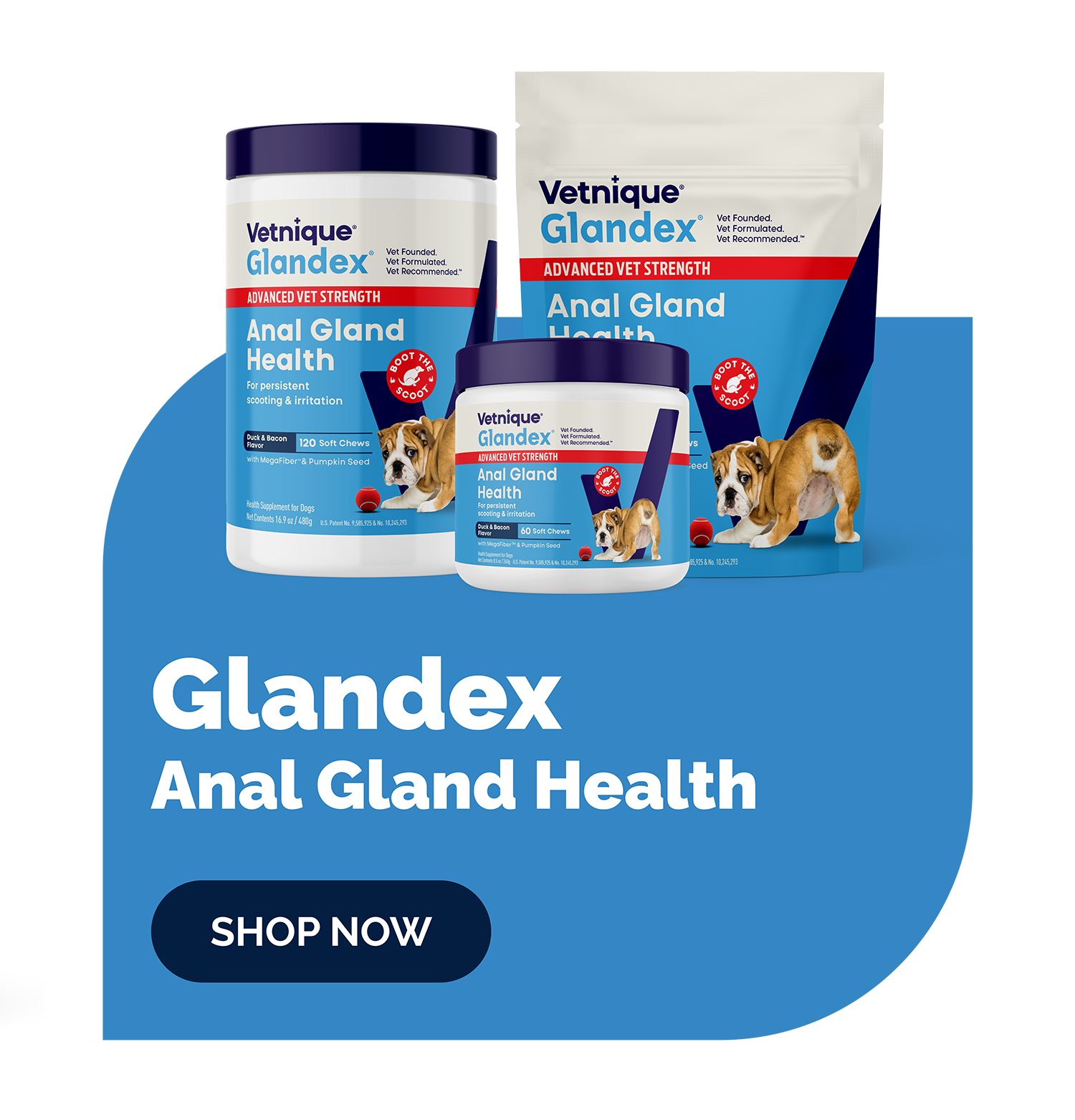
Glandex combines patented MegaFiber™ with probiotics and digestive enzymes to support normal anal gland function — it was designed specifically to address this problem. Shop Glandex Soft Chews →

Joint and Mobility Support (Stiffness, Slowing Down)
Hesitating at the bottom of the stairs, slower to rise after rest, or falling behind on walks they used to love — these are early indicators that joint support can help. Joint concerns tend to be progressive, so earlier intervention generally means better long-term outcomes.
Key ingredients to look for:
- Glucosamine and chondroitin: the structural building blocks of cartilage
- Green-lipped mussel: a natural source of omega-3 fatty acids with documented joint-support benefits
- Hyaluronic acid: supports joint lubrication
- Fish oil: supports a normal inflammatory response in joint tissue
For context on what causes joint deterioration in dogs and what to expect, see our guide to hip and joint conditions in dogs.
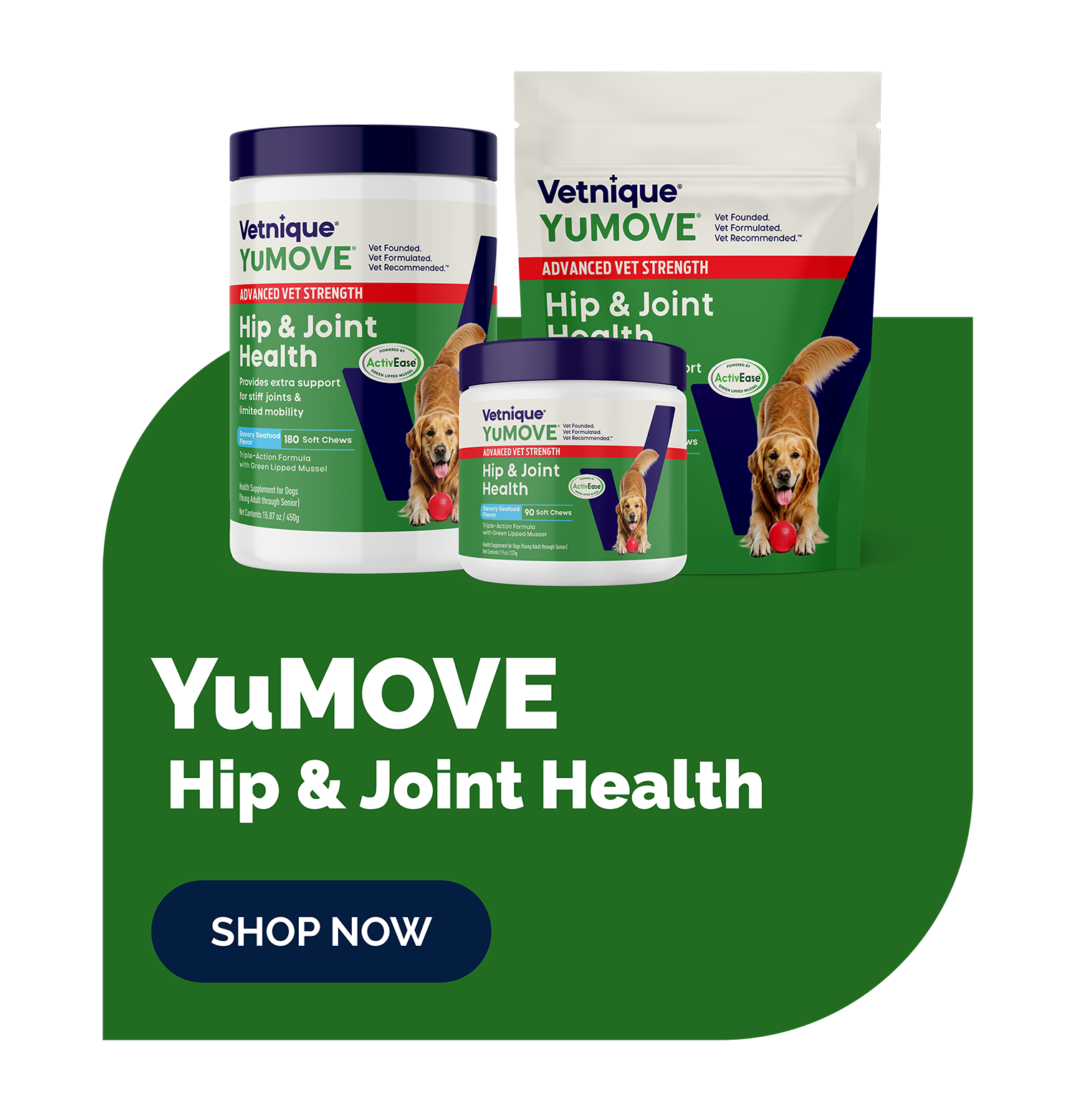
YuMOVE is veterinarian-recommended and backed by clinical studies showing measurable improvements in dog mobility. The Advanced Vet Strength formula is the top option for dogs with moderate to severe joint concerns. Shop YuMOVE Advanced Vet Strength Chews →
Skin, Coat, and Allergy Support (Itching, Red Skin)
Persistent itching or paw-chewing often points to a compromised skin barrier. Supplements address the root cause from the inside out: omega-3 fatty acids support a normal inflammatory response, while vitamin E supports skin repair and resilience.
Seasonal and environmental allergies are among the most common drivers of skin symptoms in dogs. For a full overview of allergy types, triggers, and management options, see our guide to allergies in dogs.
DermaBliss offers chews formulated with fatty acids and targeted allergy-support ingredients to help calm itchy, reactive skin. Shop DermaBliss Allergy Chews →
Calming and Behavior Support (Anxiety, Stress)
Stress in dogs is a real physiological response, not a behavior quirk. Calming supplements commonly use L-theanine — a naturally occurring amino acid found in green tea — and beneficial bacteria that support the gut-brain connection. These ingredients can help promote a calmer state without heavy sedation, which is useful for predictable stressors like fireworks, travel, or vet visits.
If your dog shows ongoing anxiety symptoms, talk to your veterinarian to identify the most appropriate management approach.
Immune Health and Daily Wellness
Immune-supporting supplements help fill small nutritional gaps and support antioxidant defenses using vitamins C, E, and A. Most dogs on a complete, balanced diet don't need a basic daily multivitamin. But condition-focused formulas can be helpful during allergy season or recovery periods.
Clinical note: Always share the full list of your dog's current supplements with your veterinarian. Too much vitamin D, calcium, or certain minerals can cause serious harm over time — particularly when a dog is receiving multiple products that each contain those nutrients.
What to Look for When Comparing Supplement Brands
Not all supplements are created equal. These are the four criteria that matter most when evaluating any brand:
- NASC Certification: signals rigorous manufacturing and quality standards. Vetnique is NASC-certified across its full portfolio.
- Veterinarian-formulated: products created by practicing veterinarians to address real clinical problems — not marketing-driven ingredient lists.
- Professional endorsements: Vetnique is trusted by over 125,000 veterinary professionals globally.
- Scientific backing: formulas tested in clinical settings for efficacy, not just anecdotally supported.
Working Safely with Your Veterinarian
Supplements work best when used correctly. A few practical guidelines:
- Bring a full list: share your dog's food, treats, and current supplements at every vet visit.
- Avoid human supplements: ingredients like xylitol are toxic to dogs, and dosages designed for humans are not appropriate for dogs.
- Watch for accumulation: nutrients like vitamin D and calcium can build to harmful levels if your dog is receiving multiple products that contain them.
- Introduce one at a time: starting a single new supplement makes it easier to track what's working and catch any reactions early.
Matching Symptoms to the Right Supplement
Start with what you're observing, match it to the right category, and confirm the fit with your veterinarian. Always follow the product's packaging instructions and timeline guidance.
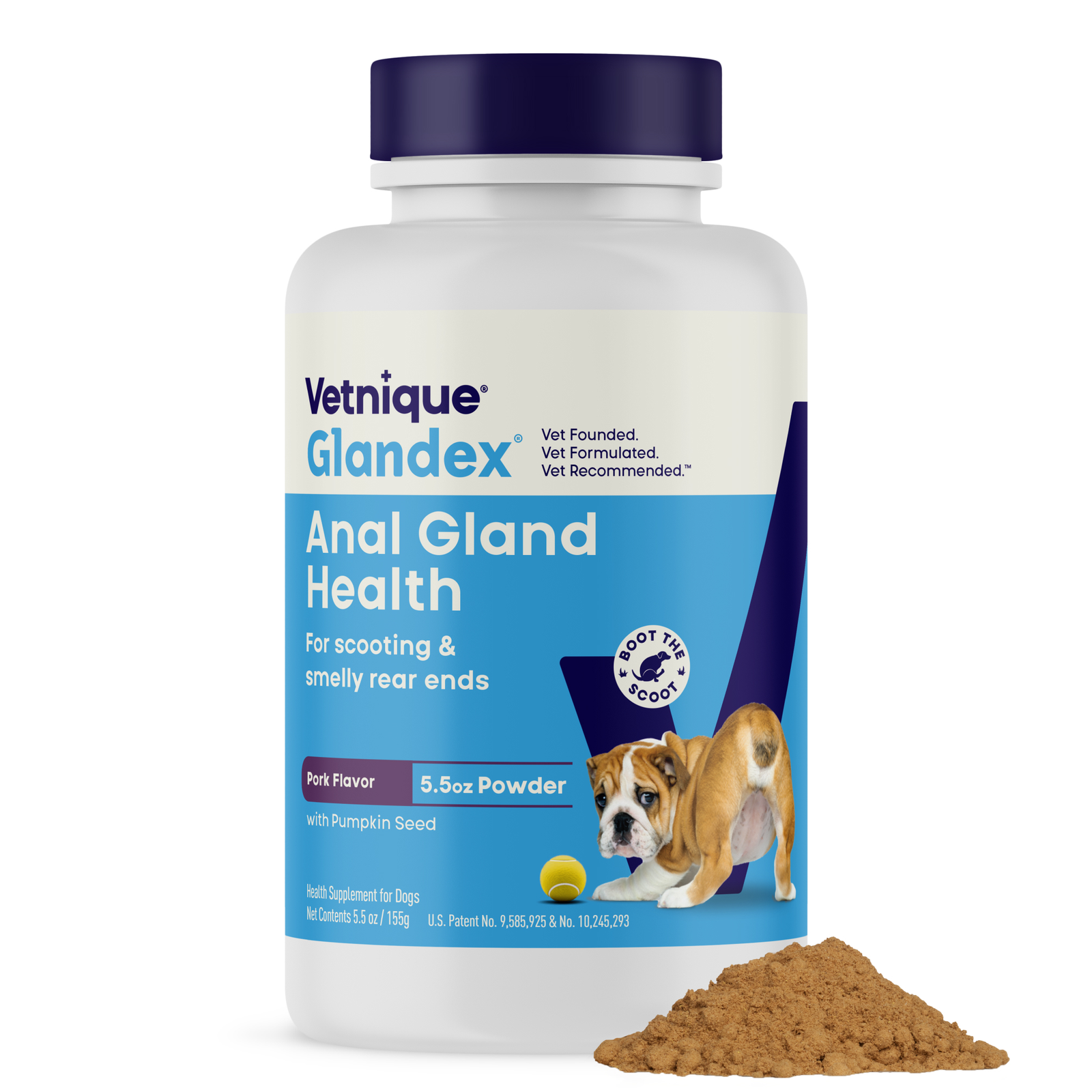
- Scooting or anal gland discomfort? Glandex Soft Chews or Glandex Powder are designed for that.
- Stiffness or slowing down? Start with YuMOVE Advanced Vet Strength Chews.
- Itchy or reactive skin? DermaBliss is built for skin and allergy support.
Frequently Asked Questions
How long does it take for dog supplements to start working?
It depends on the supplement and the dog. Some supplements may show results relatively quickly, while others — particularly those supporting joint health or coat condition — can take several weeks because they are supporting gradual biological changes. Always follow the product's packaging instructions and consult your veterinarian if you are unsure what timeline to expect.
Can I give my dog more than one supplement at the same time?
Many dogs do well on a combination of supplements — for example, a joint formula paired with a coat support chew — as long as ingredients do not overlap excessively. If you are adding anything with minerals or multiple vitamins, check with your veterinarian first to avoid nutrient accumulation that can cause harm over time.
Are dog supplements safe for long-term daily use?
Most high-quality, NASC-certified supplements are formulated for ongoing daily use. Vetnique's formulas are specifically built with long-term safety in mind. Follow the directions on the packaging and check in with your veterinarian if your dog's health needs change over time.
What if my dog won't take supplements?
Soft chews are usually the easiest starting point — they look and taste like treats. You can also crumble chewable tablets over food or mix a powder or liquid formula into wet food. Most dogs have a format preference, and it usually only takes a little experimenting to find what works.
How do I know if my dog needs a supplement or a different food?
A balanced diet is still the foundation of dog health, but some specific concerns — like anal gland problems, joint stiffness, or reactive skin — benefit from targeted supplement support that food alone may not provide. Talk to your veterinarian about whether a dietary change, a supplement, or both is the right path for your dog.
What is the NASC seal and why does it matter?
The NASC Quality Seal is issued by the National Animal Supplement Council to manufacturers that meet rigorous standards for product quality, safety, and labeling accuracy. It means what is on the label is actually in the bottle. All Vetnique products carry the NASC seal.
What supplements do vets recommend most for dogs?
Veterinarians most commonly recommend supplements targeting joint health, digestive and anal gland function, and skin and coat support. Common ingredients include glucosamine, omega-3 fatty acids, probiotics, and fiber. The right supplement depends on the dog's specific health concern, age, and breed — a veterinarian can help narrow that down.