

Ear infections are one of the most common health issues in dogs, causing discomfort and — if left untreated — potentially leading to hearing loss. While any dog can develop an ear infection, certain breeds are significantly more susceptible due to their ear anatomy, coat type, or genetic tendency toward allergies. Here is what you need to know about which breeds are most at risk and how to keep your dog's ears healthy.
What Are Ear Infections in Dogs?
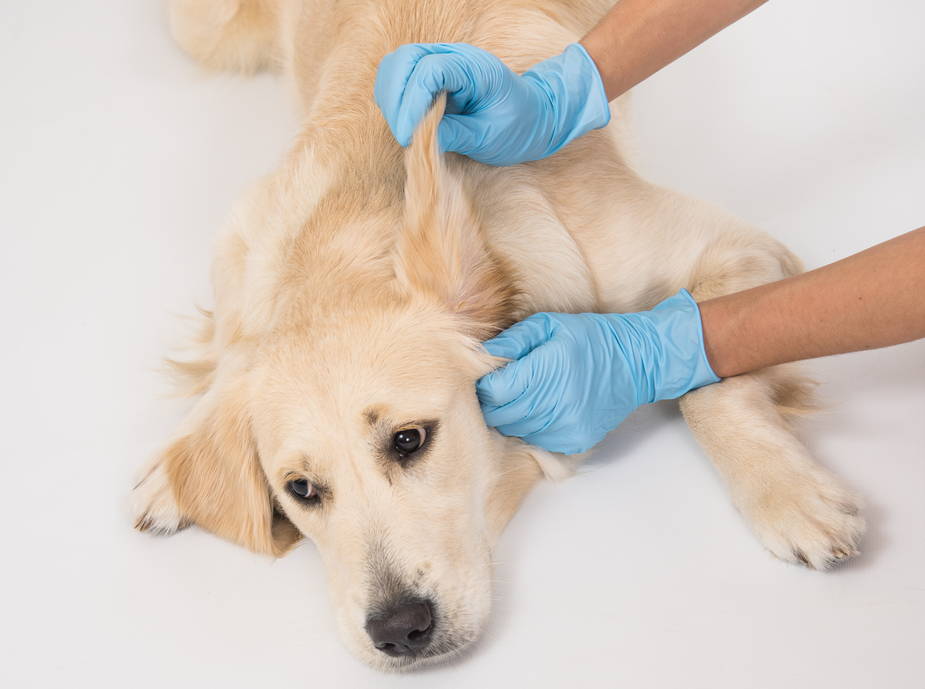
A dog ear infection occurs when foreign materials or pathogens enter the ear and cannot be cleared effectively. There are three types of ear infections in dogs: otitis externa (affecting the outer ear, and by far the most common), otitis media (affecting the middle ear), and otitis interna (affecting the inner ear, which is rare). An ear infection typically means a bacterial or yeast infection is present in the ear, and it requires treatment from a veterinarian.
Symptoms of a dog ear infection include redness inside the ear flap (pinnae) or ear canal, blood or scabbing on the ear flap, an unusual smell from the ear, swelling around the ear, excessive scratching at the ear, holding one ear lower than the other, discharge from the ear canal, and rubbing the ear on surfaces like furniture or carpet. If you notice any of these signs, schedule a veterinary evaluation as soon as possible.
Which Dog Breeds Are Prone to Ear Infections?
Dogs with long, pendulous (floppy) ears are more prone to ear infections than breeds with upright ears. Their long ear flaps trap moisture and debris inside the ear canal, creating an environment where bacteria and yeast thrive. Some breeds are also genetically predisposed to ear infections based on their anatomy or tendency to develop seasonal allergies.

Golden Retriever
Golden Retriever ear infections are frequently a result of environmental allergies to pollen, dust, and grass, which is a common issue for this breed. Their floppy ears compound the problem by trapping allergens and moisture.
Shih Tzu
Shih Tzus are susceptible to ear infections due to their floppy, furry ear anatomy. They are also a breed with a high incidence of environmental allergies, which is an additional risk factor for ear infections.
Bloodhound
Bloodhounds are particularly prone to ear infections because of their exceptionally long, floppy ears, which trap moisture inside the ear canal and prevent it from drying out.
Basset Hound
Like Bloodhounds, Basset Hounds have long, pendulous ears that prevent moisture from evaporating once it enters the ear canal, making them highly susceptible to bacterial and yeast overgrowth.
Coonhound
Coonhounds have a long history of swimming and outdoor activity, which means frequent water exposure. Combined with their floppy ears, this makes thorough ear cleaning after outdoor activity essential.
English Bulldog
English Bulldogs commonly develop ear disease as a result of environmental allergies (atopy). Staying ahead of seasonal allergy management is especially important for this breed to reduce the risk of recurring ear infections.
Cocker Spaniel
Cocker Spaniels have floppy, hairy ears and are a highly allergic breed, making them particularly prone to ear disease. This breed may also be at higher risk for ceruminous gland hyperplasia — a condition where the glands inside the ear become chronically irritated — which can complicate ear disease once inflammation within the ear canal has begun.
Regardless of breed, if you notice your dog scratching at their ears or shaking their head frequently, it could be a sign of an ear infection and should be evaluated by a veterinarian as soon as possible.
Does Fur Length Affect Ear Infection Risk?
Long fur around the ear flaps can increase the risk of ear infections by creating a warm, moist environment that is ideal for bacterial and fungal growth. Long fur also makes it harder to keep the area clean and free of debris and allergens. In certain breeds, hair can accumulate within the ear canal itself and block the opening, which may require manual removal by a veterinarian or groomer.
If your dog has long fur around their ear flaps, check the area regularly for signs of infection such as redness, swelling, or discharge, and consult your veterinarian if you have any concerns.
How to Keep Your Dog's Ears Clean and Healthy
Inspect Ears Regularly
Check for redness, swelling, discharge, or unusual smells — particularly sweet or musty odors. Your dog may also scratch at their ears with their back paws or shake their head if an infection is developing. If you notice any of these signs, schedule a veterinary evaluation.
Keep Ears Clean and Dry
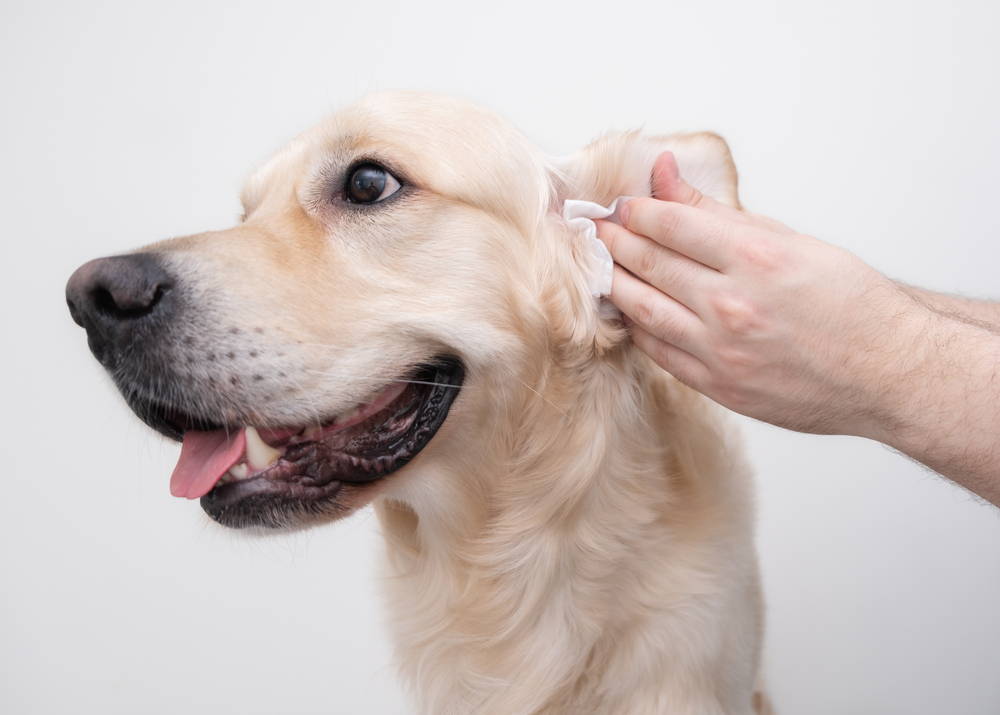
After bathing or swimming, use a cotton ball to gently wipe away any dirt or water that has accumulated in the ears. You can also use specially formulated OticBliss Cleansing and Drying Ear Wipes to clean, dry, and deodorize the ears after water exposure.
Use an Ear Flush for Thorough Cleaning
An ear flush with antibacterial and antifungal ingredients can draw out hard-to-reach debris from inside the ear canal and discourage microbial overgrowth. Squeeze the flush into the ear canal, gently but firmly massage the base of the ear, then wipe out the excess solution with a small towel or ear wipe.
Avoid Irritating the Ears
Some dogs are more sensitive than others. Avoid using harsh chemicals or cleansers near the ears, and be careful not to get water directly in the ear canal when bathing. Scratching, excessive head shaking, and redness or inflammation around the ears are signs that something is causing discomfort.
Keep Nails Trimmed
Overgrown nails can make it difficult for your dog to clean their own ears and increase the risk of self-inflicted scratches that can introduce infection. Nails should be trimmed regularly — approximately 2mm past the quick (the pink part inside each nail), or just long enough to be visible while your dog is standing. Your veterinarian or groomer can help if your dog is not comfortable having this done at home.
Use Ear Drops for Active Irritation
While ear flushes are designed for removing debris, OticBliss Vet Strength Ear Drops stay inside the ear canal and contain antimicrobial and anti-inflammatory ingredients. Their viscous texture helps them coat and remain in the ear canal for targeted relief. Medicated ingredients like hydrocortisone can help address inflammation. Browse the full OticBliss ear health collection for additional cleaning and treatment options.