



Can Dogs Eat Carrots?
Vet Verified
WRITTEN BY DR. REINA HAGSTROM
Jump to Section
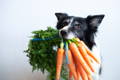
When it comes to our canine family members, we often explore ways to diversify their nutrition with wholesome, veterinarian-recommended snacks. Carrots, with their crisp texture and natural sweetness, are a clinical powerhouse for nose-to-tail wellness. In this guide, we’ll dive into the science-backed reasons why dogs can eat carrots and how they support long-term health.
Can dogs eat carrots?
So, can dogs have carrots? The answer is a resounding yes. Carrots are generally safe for dogs, but as a veterinarian-founded brand, we emphasize that you must safely feed carrots by preparing them appropriately. Dogs can eat carrots safely and reap numerous nutritional benefits from this sweet and crunchy vegetable.
One primary concern when you feed carrots is the risk of a choking hazard, particularly for smaller breeds and puppies. To safely feed carrots, cut them into bite size chunks—ideally carrot slice pieces about 1/4-inch thick. While whole carrots may be appropriate for larger dogs to gnaw on, always ensure they are plain carrots without toxic seasonings. You can serve carrots as a crunchy snack, a great snack, or even a food topper mixed into your dog's bowl.
Whether you serve carrots raw, steamed, or boiled, they must remain plain. Because large pieces can cause an intestinal blockage, always supervise your pet and prepare carrots appropriately. While carrots are healthy, introducing too much fiber or natural sugars too quickly can lead to digestive upset, such as an upset stomach, gas, or diarrhea. According to the Association of American Feed Control Officials (AAFCO), treats and snacks should not dilute the nutritional balance of a dog's primary meal. In some cases, too much sugar can make carrots bad for dogs, so moderation is the ultimate key to a balanced diet.
Are carrots good for dogs?
Yes, carrots are good for dogs because they offer targeted health advantages. These vibrant vegetables are an excellent source of dietary fiber, which aids digestive health and promotes a healthy gut. Beyond fiber, carrots are packed with essential vitamins (A, K, C, and B6) and potassium. For pets with sensitive systems, carrots provide a boost of soluble fiber to help maintain stool consistency.
The high beta carotene content in carrots is a precursor to vitamin a, which is essential for maintaining eye health and preventing retinal degeneration. Vitamin K supports proper blood clotting, while potassium aids muscle function and systemic hydration. Carrots are a low calorie treat suitable for healthy dogs as part of a professionally formulated pet's diet.
Carrots also provide significant antioxidant activity to neutralize cell-damaging free radicals. This is especially beneficial for senior dogs facing age-related health challenges. While carrots are among the best vegetables dogs can enjoy, they are often compared to other fruits that serve as nutritious treats. However, pet parents must be cautious: carrot juice and carrot cake are not suitable. Whether dogs eat carrot cake or drink processed juices, the presence of sugar, xylitol, or nutmeg makes these people foods dangerous.
Vet Tip
Ingredients like garlic, onion, and salt can be toxic for your dog. While carrots might be a canine-friendly treat, never feed them to your dog if they’ve been seasoned with other ingredients.
Can dogs eat raw carrots?
The best way to maximize the health benefits is to let dogs eat raw carrots. Most dogs prefer the satisfying crunch of raw carrots over cooked carrots. While dogs eat cooked carrots (including boiled carrots), be aware that boiling carrots can result in some nutrient loss. You can also offer frozen carrots as a tasty treat to soothe teething puppies, though you should monitor your dog's teeth for any signs of fracture or wear from extremely hard frozen items.
When preparing dogs eat raw carrots, wash and peel them thoroughly to remove pesticides. Puppies eat carrots too, provided they are cut into small, manageable pieces to prevent choking. Even the leafy green tops are safe and provide a unique nutrient profile.
Remember, treats should never exceed 10% of a dog's daily caloric intake. While dogs can eat carrots daily, following precise portion guidelines ensures they remain a healthy addition to a balanced diet rather than a cause of weight gain.
How many carrots can dogs eat?
While dogs eat carrots with enthusiasm, we recommend a tailored approach based on your pet's weight. How many carrots your dog can consume depends on their size and overall clinical health profile.
As a general guideline, most dogs can enjoy about 1-2 carrots per 10 pounds of body weight daily. For example, a 20-pound dog could enjoy 2-4 carrots as an occasional treat. If your dog is new to this healthy snack, introduce it slowly in bite size chunks to monitor for digestive upset.
Whether you choose raw or cooked carrots, they should complement, not replace, high-quality dog foods. By including dog carrots as part of a varied, balanced diet, you ensure your pet receives a nutritious treat that supports their nose-to-tail wellness.
Join the Pack!

Sign up for exclusive deals, curated pet tips from veterinarians, and product launches!
Follow us on social for pet tips from vets, new product launches, and giveaways!