

Dog digestive issues cover a range of problems along the digestive tract — from esophageal reflux and regurgitation to stomach gastritis to intestinal diarrhea and constipation. Most cases trace back to dietary indiscretions, food allergies, parasites, or inadequate fiber, and most resolve with a short fast, a bland diet, probiotics, and close observation. The ones that don't resolve in 24 hours are the ones that need a vet.
Dog digestive issues show up as uncomfortable symptoms — vomiting, diarrhea, constipation, pain — and occasionally as more serious signs like drastic weight changes, fever, or internal bleeding.
They're not uncommon. Diet changes, stress, and food sensitivities are only the tip of the iceberg when it comes to causes. To help your dog effectively, you need to recognize the common triggers, the warning signs, and the at-home treatments that actually work.
What Causes Dog Stomach Upset?
A dog's digestive system is a complex collection of anatomy stretching from mouth to anus. Most owners associate digestive problems with the stomach and bowels, but issues can start much earlier in the tract.

Esophageal Issues
Esophageal issues relate to the esophagus — where food first enters the digestive system. The esophagus connects the mouth to the stomach and is prone to regurgitation, acid reflux, and esophagitis.
Common causes of esophageal issues include food, water, or grass creating an obstruction; high-fat diets that trigger acid reflux (when stomach acids back up into the esophagus); vomiting or the urge to vomit from a dietary indiscretion (when a dog eats something they shouldn't — spoiled food, fecal matter, insects, toxic substances); and chronic inflammation from repeated damage to the esophageal lining.
Stomach Issues
Stomach issues happen at the midway point between esophagus and intestines, where the first stage of digestion occurs. Mucous lines the stomach walls to protect against acids while food is being digested. Enzymes and hydrochloric acid break food down, and the stomach releases digested food slowly into the intestines. Bacterial, viral, and parasitic issues can occur in the stomach — gastritis (inflammation of the stomach lining) being the most common.
Common causes of stomach-related issues include consumption of acidic, spicy, or fatty foods; chronic stress or anxiety that can damage the stomach lining and cause ulcers; eating substances not meant to be ingested (raw meat, spoiled food, trash); and ingesting substances contaminated with parasites, bacteria, or viruses. Read about how to help your dog's sensitive stomach.
Intestinal Issues
Intestinal issues involve both the large and small intestines — long, coiled systems between the stomach and anus. The small intestine absorbs digested food into the blood, distributing nutrients throughout the body. The large intestine includes the colon, rectum, and anal canal — it's where stool is formed, and where water and electrolytes are extracted from digested food.
Common intestinal issues include gas and bloating (causing irregular or foul-smelling flatulence), colitis (intestinal inflammation), bowel obstructions, diarrhea, constipation, and various digestive disorders.
Common causes of intestinal issues include exposure to allergens, parasites, bacteria, or viruses; food intolerances or sensitivities; poorly digested or contaminated food; foreign objects lodged in the small or large intestine; polyps or tumors blocking stool movement; illness or parasites triggering diarrhea; and constipation from low fiber, swollen anal glands, or bowel obstructions.
If symptoms anywhere in the digestive system go untreated, the problem typically moves further down the tract — and often triggers anal gland complications as well.
Which Dog Breeds Are Most at Risk for Digestive Issues?
Breed plays a real role in digestive vulnerability. In my practice, certain breeds come through the door for GI workups far more often than others.
Golden Retriever: Goldens are among the most opportunistic when it comes to snatching table scraps — earning them a reputation for digestive issues because they eat things they shouldn't. Dietary indiscretions are the most common trigger I see in this breed. Read our Golden Retriever Breed Guide.
Boxer: Boxers are intelligent and highly energetic — and unfortunately prone to digestive symptoms. The association is so well-established that the term "Boxer colitis" refers to an inflammatory bowel disease specific to this breed and close relatives.
German Shepherd: German Shepherds carry higher risk for food allergies and serious digestive problems. Their barrel-chested anatomy makes them vulnerable to life-threatening bloat and megaesophagus — a terminal disease caused by excessive dilation and loss of esophageal motility.
Great Dane: Great Danes also carry high risk for bloat and megaesophagus because of their size and deep-chested anatomy. Many Great Dane owners opt for preventive gastropexy surgery to reduce bloat risk.
Irish Setter: Irish Setters carry a predisposition to gluten intolerance (gluten-sensitive enteropathy, or GSE). Weight loss and skin problems are common secondary issues. Without the right treatment — typically a grain-free diet — more serious conditions like inflammatory bowel disease (IBD) can develop.
Miniature Schnauzer: Large dogs aren't the only ones with digestive problems. Miniature Schnauzers and some other terriers are prone to pancreatitis. The pancreas produces enzymes that digest food — with pancreatitis, digestion and nutrient absorption both suffer. Smaller breeds are also more vulnerable to diarrhea-related dehydration, which can turn life-threatening fast.
Signs and Symptoms of Digestive Issues in Dogs
Keep a record of symptoms and how often they occur — that documentation helps you and your vet form a better treatment plan. Symptoms present in a variety of ways, and each provides insight into the underlying cause.

1. Loss of Appetite
One of the earliest signs. Your dog may refuse foods they usually love or eat significantly less than normal.
2. Excessive Drooling
When a dog is nauseous, the salivary glands go into overdrive to protect the esophagus from rising stomach acid. The result is drool you can't miss.
3. Regurgitation
Dogs who regurgitate cough, hack, and wheeze until they expel whatever's causing the discomfort. Persistent regurgitation often links to acid reflux and vomiting — if something doesn't digest properly in the esophagus or stomach, it comes back up.
4. Diarrhea
Diarrhea can happen to any dog and is a common symptom of upset stomach. Liquid or watery stools mean food was digested too fast and the body hasn't absorbed water or nutrients. Dehydration in dogs is a serious and potentially life-threatening side effect — especially in puppies and small breeds.
5. Constipation
Constipation can result from low fiber, low exercise, low hydration, illness, or medications. It's defined as stool moving slower than usual through the digestive tract. Straining, hemorrhoids, and bloody stool are all potential side effects.
6. Discolored Stool
Stool colors other than chocolate brown reveal clues about the underlying problem. Green stool can mean too much grass or gallbladder distress. Yellow-orange stool points to biliary or liver issues. White rice-shaped flecks in stool mean parasites. Gray stools suggest biliary or pancreatic issues. Black or red-streaked stools signal blood in the digestive tract.
7. Bloody Stool
Black, tarry stool indicates upper GI bleeding. Streaks or bright red blood in stool usually come from tears or hemorrhoids in the anorectal area.
8. Abdominal Pain and Bloating
When gas builds up or stool moves too fast (or too slow), your dog may experience abdominal pain. Some pain passes quickly alongside other symptoms. Bloating is different — it can signal a serious, life-threatening condition and requires immediate evaluation.
Dog Upset Stomach Complications and Diagnoses
Some signs should never be ignored and require immediate medical attention.
Excessive Vomiting
If your dog won't eat or can't keep water down, it's time to call your vet. Vomiting makes it difficult to retain anything and can lead to severe dehydration or malnourishment. Vomiting twice in 24 hours or for two consecutive days warrants a vet call — no exceptions.
Dehydration
Diarrhea, vomiting, heatstroke, fever, and other illnesses can all cause dehydration. It's dangerous for any dog, but puppies and small breeds face the highest risk of fatal outcomes.
Gastric Dilatation Volvulus (GDV)
GDV — commonly called bloat — is one of the most serious digestive emergencies in veterinary medicine and should never be treated as a passing side effect. GDV occurs when the stomach twists or flips, stretching and rotating out of alignment. Contributing factors include deep-chested anatomy, excessive gas from eating too quickly, exercise after eating or drinking, and stress. GDV is always an emergency. Always.
Septic Shock
Septic shock happens when sepsis and severe sepsis go untreated. It's almost always fatal even with treatment. Sepsis is an aggressive body-wide inflammatory response to infection, with organ failure as the outcome. Digestive causes of sepsis include ruptured intestines or a ruptured stomach from GDV.
Cancer
Stomach and intestinal cancer are rare but real causes of digestive issues. Dogs with unexplained weight loss, chronic appetite loss, severe vomiting and diarrhea, or blood in the vomit should be evaluated by a vet as soon as possible. Read more about cancer in dogs.
Food Allergies
If your dog has vomiting, skin rash, or a sudden bowel-habit change, a food allergy could be the cause. Keep a log of new foods or supplements your dog tries alongside the symptom timeline — it's often the only way to identify the culprit.
Common Upset Stomach Treatment Options for Dogs
Severe stomach issues aren't the norm, but treating any symptoms that arise is still worthwhile for your dog's comfort.
Diarrhea Treatments
The first strategy for diarrhea is usually a fast — 12 to 24 hours to let the gut reset, with plenty of water during the fast. For dogs that can't safely go without nutrients that long (puppies, seniors), talk to your vet before starting.
Break the fast with bland and probiotic-rich foods. Pumpkin, rice water, boiled rice, and cottage cheese are the usual options for restoring digestive balance.
"Profivex aids in a healthy gut and may also help in reducing the clinical signs and severity of skin disease in atopic dogs. I use it as an additional anti-inflammatory supplement in refractory cases and in patients suffering from diarrhea caused by medication effects." — Dr. Joya Griffin, DVM, DACVD, Animal Dermatology Clinic
Vomiting Treatments
If your dog is vomiting, switch to a bland diet and smaller meals until they improve. Boiled chicken, rice, and sweet potato are all suitable at-home options.
Dehydration Treatments
Mild dehydration responds to small amounts of water every few minutes or ice cubes for licking. Signs of heatstroke, shock, or severe dehydration warrant an immediate trip to the emergency vet for intravenous rehydration.
Constipation Treatments
Constipation responds best to diet and activity adjustments. Fiber paired with hydration improves gut motility, as does daily exercise. Glandex Soft Chews provide daily fiber alongside digestive enzymes and probiotics to support healthy bowel movements and stool consistency.
Parasite Treatments
If the GI disruption traces to a parasite, you'll need a prescription from your vet. Oral or injectable dewormers kill most parasites but may cause mild diarrhea as a side effect during treatment.
At-Home Tips for Preventing Dog Stomach Upset
Prevention comes down to observation. Does your dog have frequent vomiting? They might be ingesting toxic substances from the environment. Frequent diarrhea? Food allergy or parasites are likely candidates. Watching what they eat — and reducing opportunities for dietary indiscretions — is how you figure out what's making them sick.
Probiotics are another useful tool. They come in many forms and can be given for short courses or daily as maintenance. Glandex Probiotic & Prebiotic Soft Chews provide targeted Lactobacillus and Bifidobacterium strains to support digestive balance and microbiome health. Probiotics are especially useful after a bout of diarrhea when the gut microbiome has been weakened.
Age also matters. Puppies and senior dogs are especially vulnerable to malnutrition after diarrhea or vomiting since they rely on steady nutrient intake. Adding probiotic foods — plain cottage cheese, yogurt — or supplements is especially beneficial for dogs in these age groups.
How Anal Gland Issues Are Linked to Digestive Health
Dog anal gland issues tie directly to digestive health because stool consistency and frequency drive gland function. The glands, located on either side of the rectum, secrete a scent-marking fluid used for identification and territory.
Healthy, firm stools naturally express the glands during defecation. When a dog has digestive problems — soft or irregularly shaped stools — the glands often don't empty properly, which leads to impaction or infection. Chronic diarrhea or constipation worsens the problem, leading to pain, swelling, and in severe cases, abscesses.
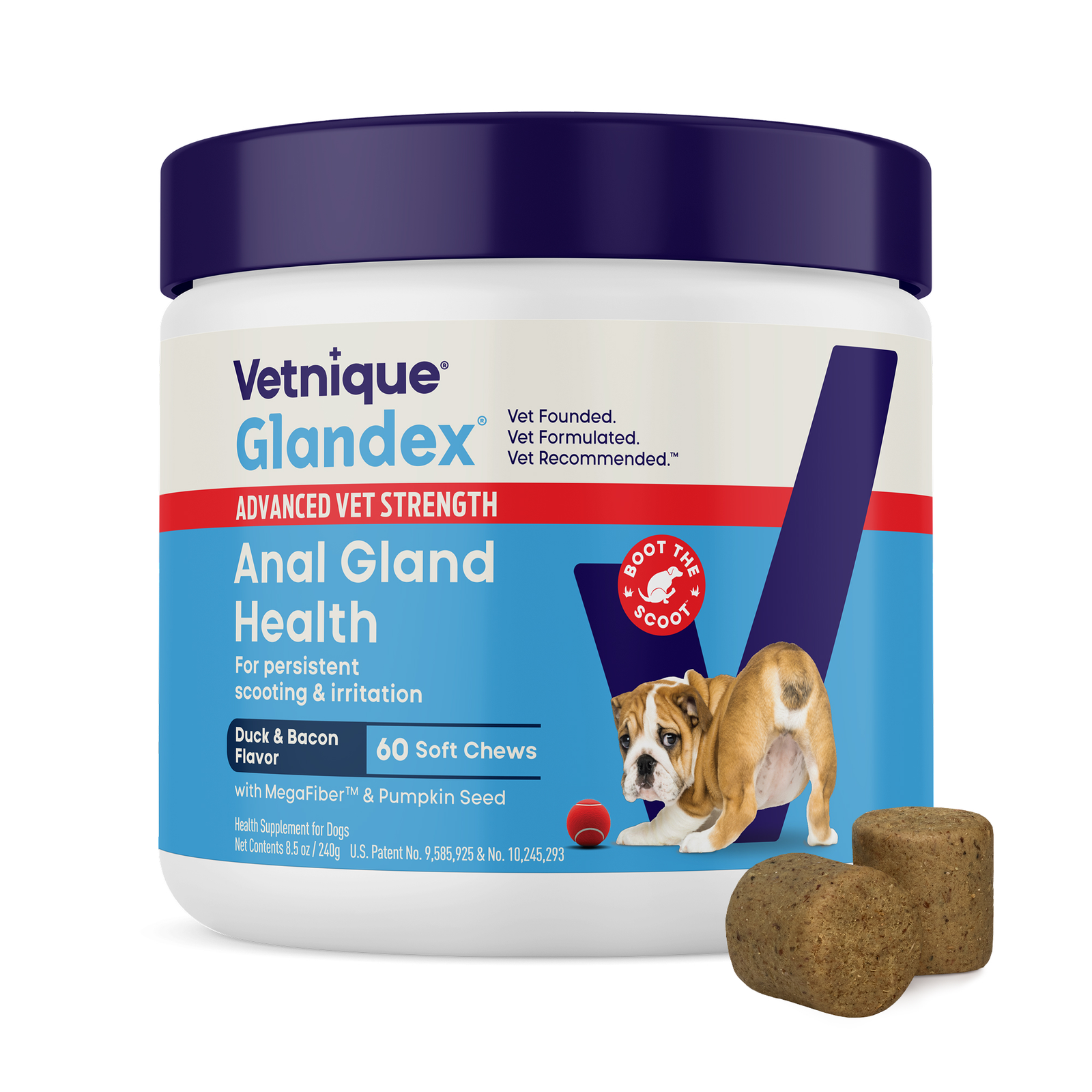
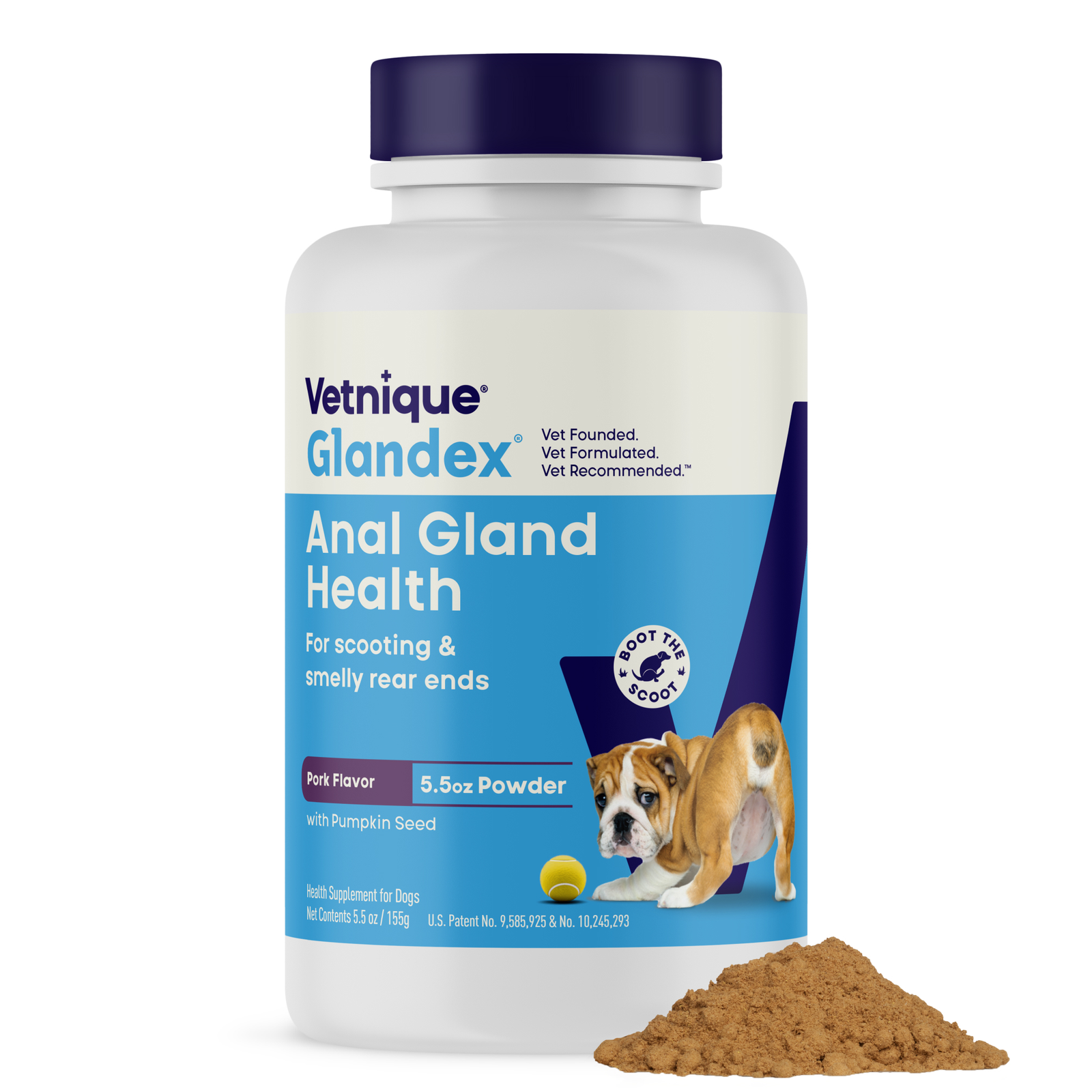
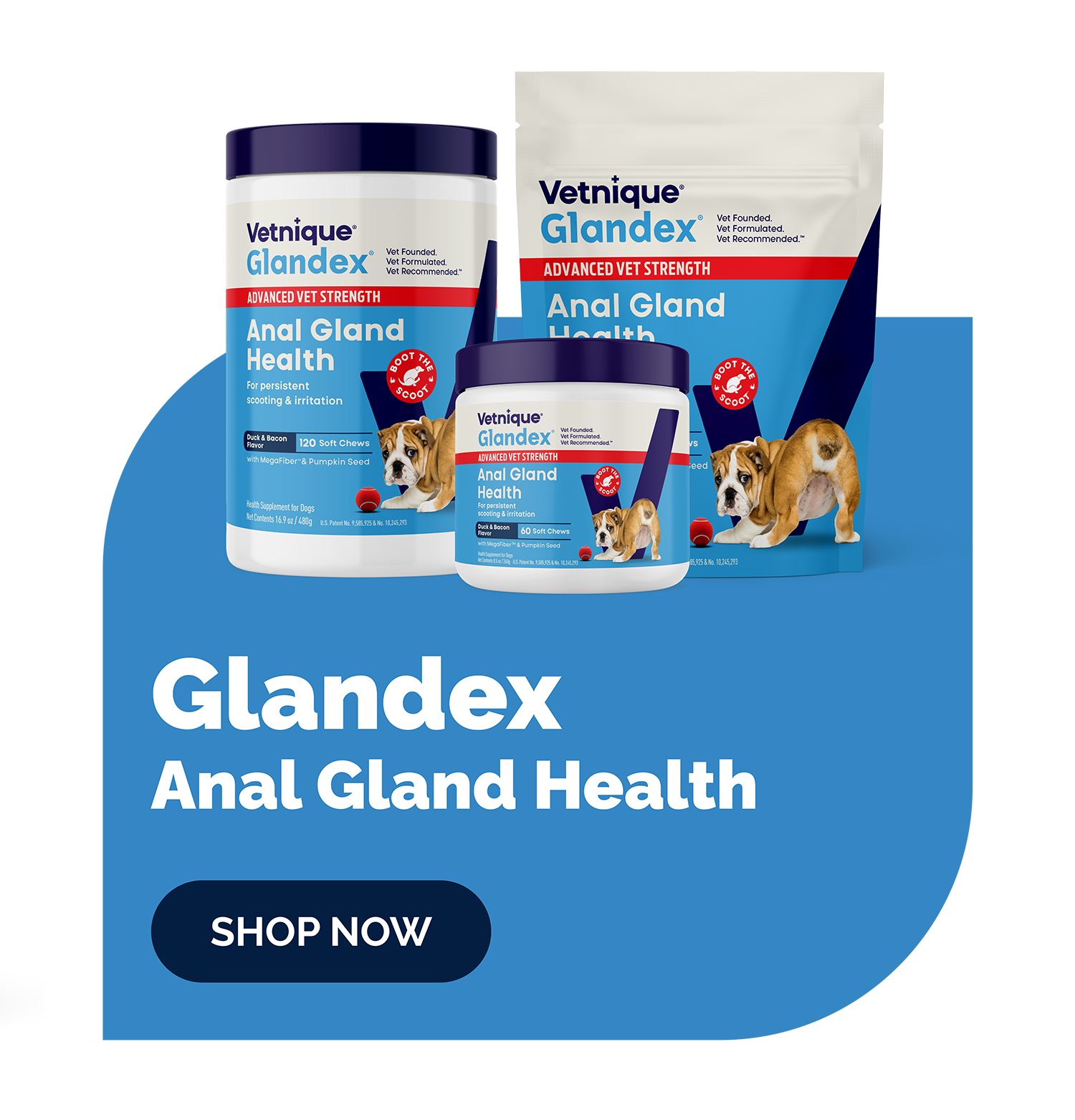
A balanced high-fiber diet promotes regular bowel movements and firm stool formation, supporting natural gland expression. Fiber supplements or specially formulated high-fiber dog foods help manage anal gland issues. Glandex Soft Chews combine fiber, probiotics, and digestive enzymes to support both digestive and anal gland health. For severe or chronic cases, Glandex Advanced Vet Strength Chews provide a higher-potency formula.
Addressing the digestive root cause through nutrition, hydration, and veterinary care prevents most gland recurrences. Monitor digestion the way you'd monitor appetite — it's the upstream signal that predicts gland health.
Contacting Your Vet if Digestive Problems Persist
If symptoms don't improve after 24 hours of home treatment, don't wait. A call to the vet can save your dog's life.
A dog that can't keep food or water down is a signal of potentially serious gut issues — or the presence of a harmful parasite or pathogen in the digestive system. Diarrhea becomes dangerous when you see rectal bleeding or signs of dehydration. More than a few days of loose stools also puts your dog at risk for anal gland complications if the glands aren't regularly expressed.
Constipation is worth watching too. As a rule, constipation lasting 48 to 72 hours is a health risk and warrants a vet call. Bowel obstructions can cause or be caused by constipation, and in severe cases can lead to intestinal rupture and sepsis.
Monitoring digestive activity isn't always easy, but understanding your dog's normal bowel habits benefits both of you — and makes the abnormal patterns obvious when they happen.
Browse the full Glandex digestive and anal gland health collection for supplements, probiotics, fiber chews, and wipes.
Frequently Asked Questions About Dog Digestive Issues
What causes digestive issues in dogs?
Digestive issues can originate anywhere along the tract from the esophagus to the intestines. Common causes include dietary indiscretions (eating spoiled food, trash, or toxic substances), diets high in fat, food allergies or intolerances, exposure to parasites, bacteria, or viruses, chronic stress or anxiety, foreign object ingestion, and lack of dietary fiber. Switching diets too quickly and food sensitivities are also frequent triggers.
Which dog breeds are most prone to digestive problems?
Golden Retrievers are prone to dietary indiscretions. Boxers are associated with Boxer colitis, an inflammatory bowel disease specific to the breed. German Shepherds face higher risk for food allergies, life-threatening bloat, and megaesophagus. Great Danes are at high risk for bloat and megaesophagus due to their size and deep-chested anatomy. Irish Setters have a predisposition to gluten intolerance (gluten-sensitive enteropathy). Miniature Schnauzers are prone to pancreatitis and dehydration-related complications.
What are the symptoms of digestive problems in dogs?
Common symptoms include loss of appetite, excessive drooling, regurgitation, diarrhea, constipation, discolored stool (green, yellow-orange, gray, or black/red-streaked), bloody stool, and abdominal pain or bloating. Stool color and consistency provide important clues about the underlying cause.
When should I take my dog to the vet for digestive issues?
Contact your veterinarian if your dog vomits more than twice in 24 hours or for two or more consecutive days, shows signs of dehydration, has bloody stool or rectal bleeding, has diarrhea lasting more than a few days, has constipation lasting 48–72 hours, or shows signs of bloating (always an emergency). If symptoms don't improve after 24 hours of home treatment, don't wait to call.
How can I treat my dog's upset stomach at home?
For diarrhea, a 12–24 hour fast followed by bland foods like pumpkin, boiled rice, or cottage cheese can help the gut reset. For vomiting, switch to a bland diet with smaller meals until symptoms improve. For constipation, increase fiber intake alongside hydration and daily exercise. For mild dehydration, offer small amounts of water every few minutes or let your dog lick ice cubes. Daily dog probiotics can help restore gut microbiome balance after digestive upset.
How are dog anal gland issues linked to digestive health?
Anal gland issues in dogs link directly to digestive health because stool consistency impacts whether the glands empty properly during defecation. Healthy firm stools naturally express the glands, but soft or irregularly shaped stools from digestive problems leave them impacted or infected. Chronic diarrhea or constipation worsens the problem, potentially leading to pain, swelling, and abscesses. A balanced high-fiber diet that promotes firm stools is key to maintaining both digestive and anal gland health.