




Learn how to safely use turmeric for your dog, including veterinarian-recommended dosage by weight, potential side effects, and science-backed tips for managing joint health.
While many Pet Parents recognise turmeric as a vibrant kitchen staple, at Vetnique, we view it as a clinical powerhouse for joint health. As a veterinarian-founded brand, we look beyond the culinary trend to the science-backed anti-inflammatory properties of this ancient root.
What is turmeric?
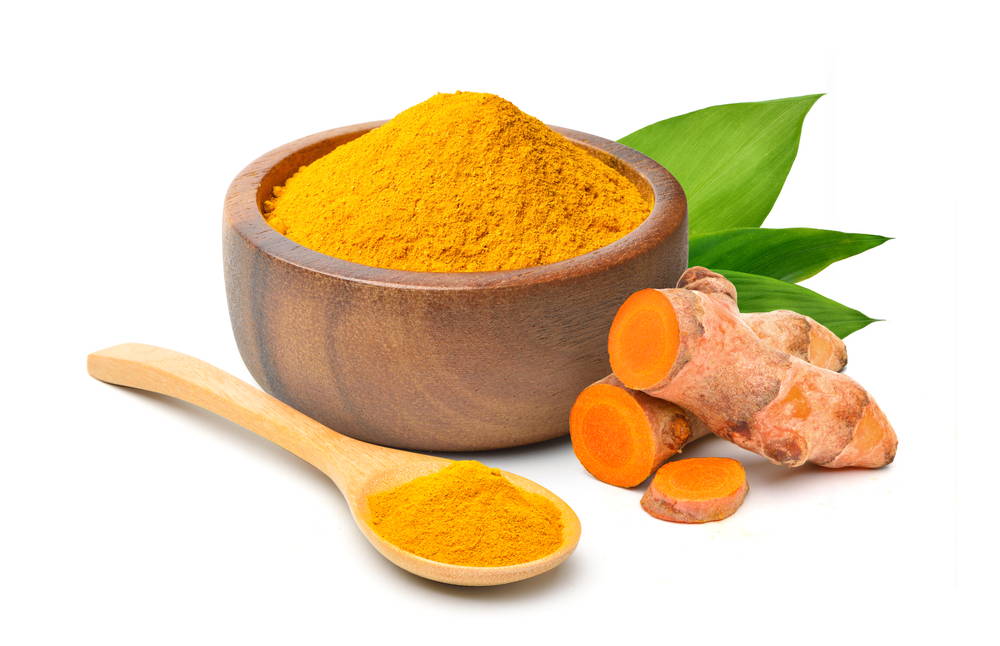
Curcuma longa, or turmeric, is a flowering plant in the ginger family. The bright orange rhizome is the part used in cooking, health supplements, and clinical applications. This root contains curcumin, the active ingredient responsible for its therapeutic effects.
Curcumin has defensive biological activities that ensure the body can fight inflammation and oxidative stress. Because of these science-backed properties, turmeric is a staple in Vetnique formulations to support joint health alongside a balanced diet and active lifestyle.
Benefits of turmeric for dogs' joint health
Turmeric is a premium natural anti-inflammatory for humans, and thousands of studies suggest these benefits translate directly to pets. Research highlights how turmeric supplements provide targeted support for joint pain and mobility issues.
Anti-inflammatory defense
Research published in Veterinary Immunology and Immunopathology suggests turmeric helps manage joint pain and stiffness. Chronic inflammation occurs when the immune response reacts to harmful stimuli like injury or age-related wear-and-tear. Common causes of joint inflammation include:
-
Osteoarthritis: The thinning of cartilage within the joint (degenerative joint disease)
-
Mechanical Injury: Ligament ruptures or tears triggering a localised immune response.
-
Septic Arthritis: Inflammation caused by viruses, bacteria, or fungi.
-
Immune-mediated Polyarthritis: A disorder where the immune system attacks the joints.
Pain & stiffness
Turmeric targets swelling at the cellular level to provide an essential layer of pain management. When used in a multi-modal approach with proper diet and exercise, it ensures your pet maintains a long, active, and comfortable life.

Is Turmeric Good and Safe for Dogs?
Clinical evidence and its long history in veterinary medicine show turmeric is highly beneficial for canine joint health. It serves as a natural alternative to nonsteroidal anti-inflammatory drugs (NSAIDs). While NSAIDs are common for treating arthritis, long-term use can cause stomach upset or damage the stomach lining.
Turmeric is generally safe and well-tolerated when you follow weight-appropriate dosing. However, giving more than the recommended amount increases the risk of adverse effects. Rare complications include:
-
Bleeding Problems: Turmeric may slow blood clotting, posing a risk for dogs on blood thinners or those with bleeding disorders.
-
Drug Interactions: It can interact with medications for cancer, heart disease, or liver conditions.
-
Kidney Stones: Excessive intake may raise the risk for pets predisposed to oxalate stones.
-
Liver Damage: High doses may increase liver toxicity risk if combined with other hepatotoxic drugs.
Medical Disclaimer: If you notice vomiting, reduced appetite, or bowel changes, discontinue use and consult a vet immediately.
Understanding Turmeric Supplements
Supplements are popular because they offer a concentrated curcumin dosage. Quality is essential; fresh root and powder vary in curcumin levels, leading to inconsistent results. Professional oral options, including tablets and powders, ensure a precise amount is delivered every time. To boost absorption, many formulas include black pepper (piperine) to enhance bioavailability.
Recommended Dosage
The ideal amount depends on your pet’s weight. Start with a small amount mixed into food to prevent stomach upset.
|
Dog Weight (lbs) |
Daily Turmeric Powder Dose |
|
10 lbs |
1/8 to 1/4 teaspoon |
|
20 lbs |
1/4 to 1/2 teaspoon |
|
50 lbs |
1/2 to 1 teaspoon |
|
100 lbs |
1 tablespoon |
Medical Disclaimer: Consult your vet before starting this regimen, especially if your pet takes diabetes medications, as turmeric can lower blood sugar.
Purity and Heavy Metals
Low-quality turmeric products can contain trace elements and heavy metals like lead, mercury, and arsenic. These contaminants pose significant health risks over time. Choose supplements from reputable manufacturers that use steam distillation and rigorous testing. Vetnique adheres to the NASC Quality Seal standards to guarantee ingredients are free from harmful metals.
How to Administer Turmeric
Raw spice has a strong flavor that some pets find off-putting. A veterinarian-formulated supplement is often the easiest introduction.
-
Daily Use: Dogs older than 12 weeks can typically have turmeric daily.
-
Mixing: Sprinkle powder into wet food or add it to kibble with warm water to ensure it dissolves.
-
Chews: Professional hip & joint supplement dogs often contain 10–25 mg of curcumin per chew, removing the guesswork of "human" measurements.
Monitoring your dog’s progress
After introducing dietary curcumin, monitor your pet for signs of improved mobility, such as easier movement in the morning or a renewed interest in play. Regular check-ins with your veterinarian ensure that the curcumin intake remains appropriate for your pet's changing clinical health profile. By keeping a simple record of their response, you can confidently support your dog's health.
Consultation with a veterinarian
Before reaching for the spice cabinet, talk to your vet. They can help you weigh the promising results of turmeric against your pet's specific medical conditions. A professional can identify potential interactions with medication and help you find the ultimate multi-modal treatment plan to keep your one-of-a-kind pet thriving.
Conclusion: is turmeric good for dogs?
While turmeric for dogs can provide targeted relief for joint pain and inflammation, knowledge and clinical caution are essential to ensuring your pet’s safety. Precise dosing, under the professional guidance of a veterinarian, is essential to ensure your canine family member reaps the science-backed benefits of this superfood while avoiding potential pitfalls like liver toxicity or adverse drug interactions. By prioritising professional oversight and our unique, veterinarian-formulated approach, you can confidently support your dog's joint health and quality of life for a long, active life together.
References
- "Transcriptome modification of white blood cells after dietary administration of curcumin and non-steroidal anti-inflammatory drug in osteoarthritic affected dogs." Colitti et al. – Veterinary Immunology and Immunopathology (2012)
- "Dog Food Production Using Curcumin as Antioxidant: Effects of Intake on Animal Growth, Health and Feed Conservation." Campigotto G; Alba DF; Sulzbach MM; et al. – Archives of Animal Nutrition (2020)
- "Dietary administration of Curcumin modifies transcriptional profile of genes involved in inflammatory cascade in horse leukocytes." Farinacci M, Gaspardo B, Colitti M & Stefanon B – Italian Journal of Animal Science (2009)