Pet Health
· Updated March 03, 2026· 7 min read

Heat Stroke in Dogs: Signs, Causes & Treatment

✓ Vet-Reviewed Content
Dr. Patrick Mahaney
Written by Dr. Patrick Mahaney, VMD, CVA, CVJVeterinarian | Holistic House-Call Practitioner | Veterinary Acupuncturist
Last medically reviewed: March 03, 2026
Meet our Vet Advisory Board →

- Heat stroke in dogs occurs when body temperature rises above 104°F (40°C), and dogs are especially vulnerable because they rely on panting and limited sweating through their paws rather than sweating like humans
- Heat stroke can damage internal organs including the brain, kidneys, liver, heart, and digestive tract, and can be fatal if not treated promptly
- Common signs include heavy panting, rapid breathing, increased heart rate, dry or sticky gums, bright red tongue, disorientation, difficulty standing or walking, and elevated body temperature above 105°F
- Common causes include being left in a parked car, vigorous exercise in hot weather, limited access to water and shade, and high humidity that reduces the effectiveness of panting
- Emergency treatment involves moving your dog to a cool shaded area, offering small amounts of cool (not ice-cold) water, wetting their fur with lukewarm water, and using fans to increase airflow — do not use ice packs or immerse your dog in ice water as this can cause blood vessel constriction and worsen the situation
- Prevention includes avoiding walks during peak heat hours (10 a.m. to 4 p.m.), providing fresh water and shade, using cooling mats, and giving young or high-energy dogs activity breaks every 15 minutes
- Risk factors include obesity, age (puppies and senior dogs), heart or respiratory conditions, and thick or dark-colored coats — brachycephalic breeds like Bulldogs, Pugs, Boxers, Brussels Griffons, and Pekingese are especially susceptible due to their short snouts and restricted airways

Dog playing in sprinkler water to stay cool and avoid heat exhaustion

Heat stroke in dogs is a life-threatening emergency that requires immediate attention. As temperatures rise, dogs are at significant risk for heat-related illness because their bodies are far less efficient at cooling down than ours. Recognizing the signs, understanding the causes, and knowing how to respond can help you act quickly to protect your dog.

What Is Heat Stroke in Dogs?

Heat stroke occurs when a dog's body temperature rises to dangerous levels, usually above 104°F (40°C). Unlike humans, dogs do not sweat to cool down. Instead, they rely on panting to release heat through the respiratory tract and have limited sweating capabilities through their paws. When these mechanisms cannot dissipate heat fast enough, internal temperature can spike rapidly.

Heat stroke can cause damage to internal organs including the brain, kidneys, liver, heart, and digestive tract. It can be fatal if not treated promptly. Recognizing the early signs and understanding the risk factors are essential for every dog owner.

Signs and Symptoms of Heat Stroke in Dogs
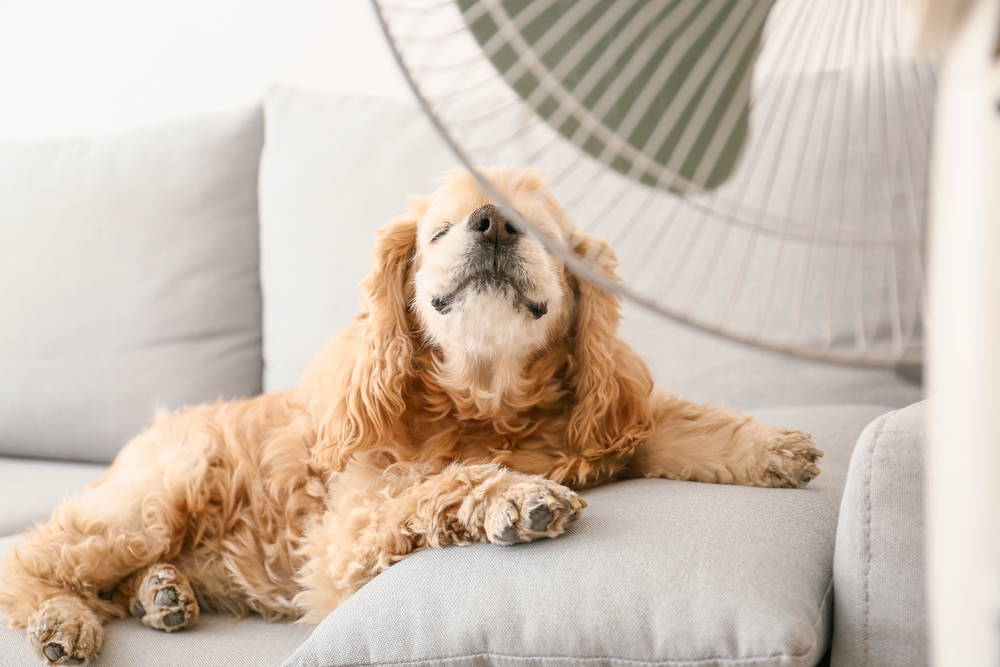
Dog staying cool in front of a fan to avoid heat stroke

Dogs cannot verbally communicate their discomfort, so it is up to owners to identify the warning signs. The most common symptoms of heat stroke in dogs include the following.

Heavy Panting and Rapid Breathing

One of the first signs of heat stroke is heavy panting or difficulty breathing. If your dog is panting more than usual and appears to be struggling to catch their breath, this can indicate heat exhaustion. Move them to a cooler environment immediately.

Increased Heart Rate

An elevated heart rate, even when the dog is at rest, is another symptom of heat stroke. This increase is the body's attempt to cool down and manage overheating. You can check your dog's heart rate by placing your index and middle finger on the upper inner aspect of the hind limb and pressing gently but firmly. Count the beats for 15 seconds and multiply by four. Normal heart rate ranges from 60 to 140 beats per minute, varying by the dog's size, energy level, hydration status, and body temperature.

Dry Mucous Membranes and Bright Red Tongue

Dry or sticky gums and a bright red tongue are classic clinical signs of heat stroke. These occur because the body is dehydrated and struggling to maintain adequate moisture levels.

Unusual Behavior and Difficulty Maintaining Balance

Dogs with heat stroke often exhibit disorientation, confusion, and difficulty standing or walking. Staggering or appearing dizzy indicates that the body is struggling to cope with the excessive heat.

Elevated Body Temperature

Normal dog body temperature is 100 to 102.5°F. Heat stroke can occur when body temperature rises above 105°F. You can take your dog's rectal temperature with a flexible digital thermometer that is lubricated and inserted approximately one inch into the anus. Wait until the numbers stop flashing for a final reading.

What Causes Heat Stroke in Dogs?
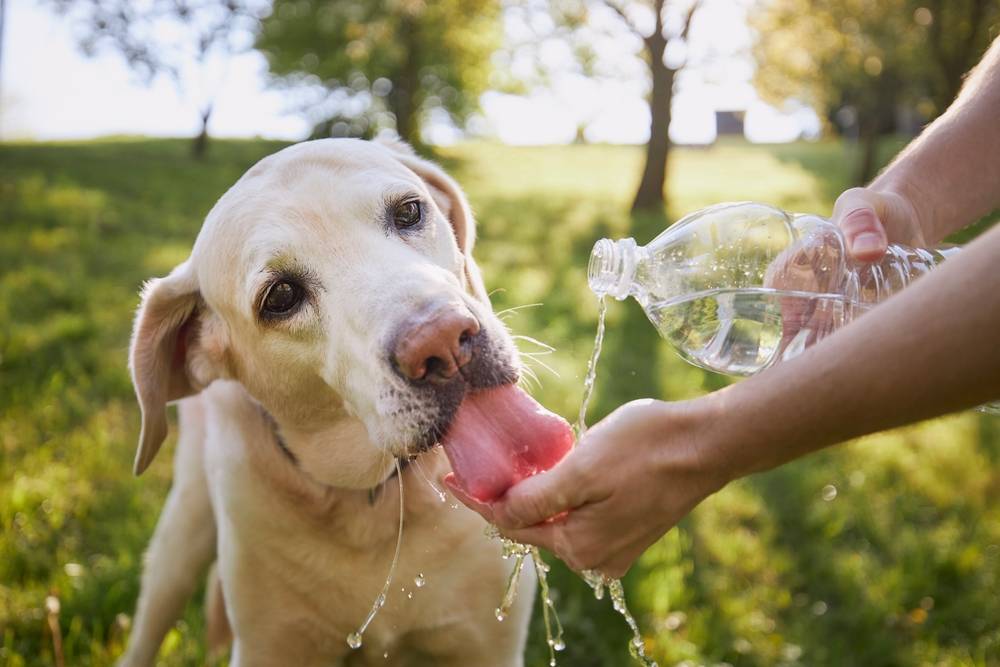
Person offering a dog water from a bottle to help prevent heat stroke

Heat stroke is caused primarily by exposure to excessive environmental heat and humidity. Leaving a dog in a parked car, even with windows cracked, is one of the most common and deadly causes. Dogs can also overheat during vigorous exercise in hot weather, especially if they are not acclimated to the heat. Limited access to water and shade increases the risk, and high humidity levels can make panting less effective at releasing heat from the body.

Heat Stroke in Dogs: Treatment

If you suspect your dog has heat stroke, seek veterinary care immediately. While waiting for or traveling to professional help, take these steps to begin cooling your dog down.

Move to Shade

Move your dog to a cool, shaded area right away to remove them from direct heat exposure.

Offer Cool Water

Offer small amounts of cool water to drink. Avoid ice-cold water, as it can cause constriction of blood vessels and lack of normal muscular contraction in the digestive tract, leading to an adverse shock-like effect.

Wet Their Fur

Wet your dog's fur with lukewarm water and use fans to increase airflow. Do not use ice packs or immerse your dog in ice water, as this can cause blood vessels to constrict and worsen the situation. Seek veterinary attention immediately, as professional care is essential for monitoring and managing heat stroke.

Tips for Preventing Heat Stroke in Dogs

Preventing heat stroke involves proactive measures. Avoid walking your dog during the hottest parts of the day, typically between 10 a.m. and 4 p.m. Provide access to fresh water and a cool, shaded area to rest at all times. Use cooling mats and offer opportunities for your dog to swim or play in water. Always supervise outdoor activities, especially during heat waves.

Young and high-energy dogs tend to play harder and may not stop when they need to rest. Provide breaks from activity every 15 minutes or as often as needed in warmer climates.

Factors That Increase the Risk of Heat Stroke

Certain factors increase a dog's likelihood of developing heat stroke. These include obesity, age (puppies and senior dogs are more vulnerable), and existing health conditions such as heart or respiratory issues. Dogs with thick or dark-colored coats are also at higher risk because they retain more heat.

How Brachycephalic Breeds Are More Susceptible to Heat Stroke

Brachycephalic breeds — such as Bulldogs, Pugs, Boxers, Brussels Griffons, and Pekingese — are more susceptible to heat stroke due to their short snouts and restricted airways. These physical characteristics make it harder for them to pant effectively, leading to quicker overheating. Owners of brachycephalic breeds should take extra precautions, such as limiting exercise during hot weather and using cooling devices to help their dogs stay comfortable.

By understanding the signs, causes, and treatment of heat stroke, you can take proactive steps to protect your dog from this dangerous condition. Always monitor the temperature and your dog's behavior, and seek veterinary care immediately if you suspect heat stroke.

🩺
DR. PATRICK MAHANEY SAYS
"Heat stroke in dogs occurs when body temperature rises to dangerous levels. Dogs rely on panting to release heat, and when this fails, internal temperature can spike rapidly."
— Dr. Patrick Mahaney, VMD, CVA, CVJ , Holistic & Integrative Medicine
Breeds commonly affected

Frequently Asked Questions

What is heat stroke in dogs?

Heat stroke in dogs occurs when their body temperature rises to dangerous levels, usually above 104°F (40°C). Dogs cannot sweat like humans and rely on panting to release heat through the respiratory tract, with limited sweating through their paws. When these cooling mechanisms are overwhelmed, internal temperature spikes rapidly. Heat stroke can damage the brain, kidneys, liver, heart, and digestive tract and can be fatal without prompt treatment.

What are the signs of heat stroke in dogs?

Common signs of heat stroke in dogs include heavy panting or difficulty breathing, increased heart rate even at rest, dry or sticky gums, bright red tongue, disorientation, confusion, difficulty standing or walking, and elevated body temperature above 105°F. Normal dog body temperature is 100 to 102.5°F. If you notice any of these signs, move your dog to a cool area and seek veterinary care immediately.

What causes heat stroke in dogs?

Heat stroke in dogs is caused primarily by exposure to excessive environmental heat and humidity. Common causes include being left in a parked car even with windows cracked, vigorous exercise in hot weather without acclimation, and limited access to water and shade. High humidity can reduce the effectiveness of panting, making it harder for dogs to cool themselves.

How do you treat heat stroke in dogs?

Move your dog to a cool shaded area immediately. Offer small amounts of cool water but avoid ice-cold water, which can cause blood vessel constriction. Wet their fur with lukewarm water and use fans to increase airflow. Do not use ice packs or immerse your dog in ice water. Seek veterinary attention immediately, as professional care is essential for monitoring and managing heat stroke.

How can I prevent heat stroke in my dog?

Avoid walking your dog during peak heat hours, typically between 10 a.m. and 4 p.m. Provide access to fresh water and a cool shaded area at all times. Use cooling mats and offer opportunities to swim or play in water. Always supervise outdoor activities during hot weather, and give young or high-energy dogs activity breaks every 15 minutes or as often as needed.

Which dogs are most at risk for heat stroke?

Brachycephalic breeds such as Bulldogs, Pugs, Boxers, Brussels Griffons, and Pekingese are most susceptible because their short snouts and restricted airways make panting less effective. Other risk factors include obesity, age (puppies and senior dogs are more vulnerable), existing heart or respiratory conditions, and thick or dark-colored coats that retain more heat.

Why should you not use ice water on a dog with heat stroke?

Ice-cold water or ice packs can cause blood vessels to constrict, which actually traps heat inside the body and worsens the situation. Ice-cold water can also cause lack of normal muscular contraction in the digestive tract, leading to an adverse shock-like effect. Use lukewarm water instead and seek veterinary attention immediately.

Sources

Dr. Patrick Mahaney is a holistic, house-call veterinarian based in Los Angeles, CA. He operates California Pet Acupuncture and Wellness, a concierge-style veterinary practice. Dr. Mahaney is a certified veterinary acupuncturist and certified veterinary journalist. He is a member of the Vetnique veterinary advisory board.

📋
Veterinary Disclaimer

Vetnique Labs was founded by Dr. James Bascharon, DVM, and all content is reviewed by our Vet Advisory Board. This information is not a substitute for professional veterinary advice. Always consult your veterinarian.

Dr. Patrick Mahaney
About the Author

Dr. Patrick Mahaney, VMD, CVA, CVJ

Veterinarian | Holistic House-Call Practitioner | Veterinary Acupuncturist

Dr. Patrick Mahaney is an integrative veterinarian and veterinary acupuncturist focused on holistic wellness, nutrition, and personalized preventive care. He founded California Pet Acupuncture and Wellness (CPAW), a concierge house-call practice in Los Angeles, and is a frequent media contributor and veterinary journalist.

Search