

Does winter’s blustery weather have your dog scratching their head? And paws? And seemingly everything else?! Cold weather blows through, leaving dry skin in its wake––and plenty of flaking, itching, and irritation. What’s the deal?
When it comes to winter, dogs’ dry skin might be par for the course––but that doesn’t mean you need to live with an itchy pup! We’ll help you understand why dry skin happens in winter, the signs, and how to soothe your canine’s skin for lasting relief.
Why do dogs get dry skin in winter?

Symptoms of dry skin in dogs
A variety of things can lead to your dog’s dry skin––dry weather, allergies, parasites, excessive bathing, and more. Signs tend to be pretty predictable. Your dog’s winter dry skin might look like:
Flaky skin
Is your dog’s flaky skin turning your living room into a winter wonderland? Flaky skin or dandruff is a sign that your dog’s skin is turning over more rapidly to recover or heal from some type of damage.
Itchy skin
Itchy skin is caused by inflammation which is a primary component of the body’s defense system. When your dog’s skin is dry, their immune system will kick into gear to defend against pathogens infiltrating the damaged skin barrier. Both dry skin and allergies can cause itchy skin in dogs.
Scaly skin
Scaly skin can appear as fine particles or large flakes and may look dry or cracked. “Adherent flakes can attach to your dog’s skin due to inflammation, infection, or internal disease,” Dr. Joya advises. “Dry weather conditions can make scaling worse.”
Red skin
When skin is inflamed, blood rushes to the surface to help purge incoming pathogens and allergens trying to sneak through a damaged skin barrier. This causes redness and, in some cases, swelling and skin that’s warm to the touch––and low humidity can make inflamed skin worse.
Cracked skin
Cracked skin is a representation of a skin barrier that is no longer able to maintain its structure. Moisture is critical for skin elasticity, which helps your dog’s skin stretch and flex with their movements. When dry skin has been without moisture for too long, it can begin to look like a parched desert floor. Cracked skin is extremely susceptible to infection, sensitization, and bleeding.
Cracked skin can also be painful for your pet and should be kept clean and sanitized. Report any areas of cracked or broken skin to your veterinarian for direction on how to treat the injury at home.
7 tips to help your dog’s dry skin
So your dog is itchy, you say? What can you do to soothe dry and irritated skin?
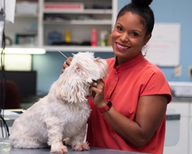
According to Dr. Joya,
“Skin-nourishing topicals are key in managing irritated skin. They help reduce allergen exposure, restore skin moisture, repair the skin's barrier function, and reduce inflammation.”
She also recommends a multimodal approach to tackling a dog’s dry skin, which means you can try multiple treatment options at home!
1. Run a humidifier
A humidifier adds moisture to the air, reducing the amount of winter itching for your pup. Since the air inside your home tends to get drier in winter, a humidifier can be your first defense against dry skin––for you and your pet! If you run your heater a lot in winter, run a humidifier to offset skin-drying effects.

2. Dog shampoo for dry skin
Shampoos with oatmeal, other emollients, and skin-soothing ingredients can be extra beneficial for a dog’s dry skin. While most conventional dog shampoos are heavy in surfactant (soap) ingredients, we recommend choosing a gentle dog shampoo that's safe enough for weekly bathtime.
A bath with a luxurious dog shampoo can help encourage cell turnover, moisturize the skin, and soothe dry, itchy skin. You can choose a medicated shampoo if dry skin becomes infected; your veterinarian will help you determine if an infection is present. Learn more about when to use a medicated shampoo on your dog.
3. Dog conditioner for extra moisture
Dogs with dry skin are perfect candidates for conditioners! Conditioners are designed to add a deeper, more penetrating layer of moisture to the skin and coat for longer-lasting skin suppleness and occlusive (i.e., water-locking) power. Consider a rich, gentle dog conditioner with ingredients like shea butter and vitamin B5 for supreme skin benefits.
4. Dog lotion for dry skin
Using a lotion can help keep your dog’s skin supple and smooth and provide relief from itching associated with dry skin. A few notes on using lotion for your dog’s dry skin:
- Only use dog-specific lotions. Brands like Burt’s Bees make a Nose & Tail Lotion designed specifically for dogs.
- Always opt for a fragrance-free formula to reduce the chance of irritation.
-
In terms of beneficial ingredients, look for a mix of humectants and moisturizers for dual skin benefits. Humectants are hydrating ingredients like aloe and glycerin, while emollients are moisturizers like shea butter and beeswax.
5. Daily skin supplements
Certain breeds of dogs can benefit from regular support to fortify the skin barrier. Choose a skin and coat supplement with ingredients like omega fatty acids and biotin to boost your dog’s largest organ all year round! Omegas promote moisture and skin barrier health, while biotin promotes the production of keratin––a key building block of the skin’s outermost layer.
6. Allergy supplements
Your dog’s dry skin might be especially sensitive in the winter if they regularly struggle with seasonal allergies. Shar-Peis, Labradors, Shih Tzus, and terriers are dog breeds prone to skin allergies. They need regular support to keep skin balanced––and if dry, itchy skin is worse in cold weather, they’ll really need your help! Try a skin & allergy supplement made with omegas for skin barrier support.
7. Treat areas of irritation
Certain areas like the paws, face folds, and hindquarters can feel incredibly itchy and dry during winter. If your dog’s repeated itching on dry areas of the skin leads to irritation and discomfort, redness, or scaling, you can help soothe their skin with an anti-itch oatmeal spray or anti-itch aloe wipes. Make sure everything you use on inflamed areas is fragrance-free to prevent further irritation.
When it comes to helping your pup with uncomfortably itchy skin, the main takeaway is that a multimodal approach is best. Topical therapy with sprays, lotions, and shampoos can restore skin barrier function through moisturizing agents and omega fatty acids. In addition to regular use of topicals, you can feed your dog foods and supplements with fatty acids to rebuild the skin from the inside out.
Multiple treatment approaches will protect your dog’s skin from trans-epidermal water loss and keep their skin strong, making it more capable of doing its job as the body’s largest organ!